Ultimate Small Shop Review: Is $1,000 Realistic?
The promise behind Ultimate Small Shop is easy to understand: build a useful woodworking shop in very little space without spending more than $1,000. For a beginner facing a crowded garage, a limited tool budget, and dozens of conflicting recommendations, that sounds appealing. This Ultimate Small Shop review looks at the program as a planning resource—not as a physical tool package—and asks the question that matters most: can its central budget idea work in the real world?
The short answer is sometimes, with important limits. A functional starter shop can fit beneath a $1,000 tool budget if you already have a safe, usable room, choose projects before tools, buy selectively, and accept used or entry-level equipment. The same figure becomes much harder if it must also cover electrical upgrades, lighting, ventilation, dust collection, storage construction, lumber, and every accessory.
This review is based on the publisher’s current sales materials and practical workshop-planning criteria. It is not a claim of firsthand testing. Below, you will see what the guide says it contains, where its approach can help, where the marketing needs careful interpretation, and how to use any small woodworking shop guide without letting a headline number control your decisions.
What Is Ultimate Small Shop?
Ultimate Small Shop is a downloadable workshop-planning program aimed at woodworkers with limited money and floor space. It is not a shipment of tools, a prefabricated shop, or a contractor service. The publisher presents it as a step-by-step guide for selecting tools, arranging a compact workspace, finding lower-cost suppliers, and avoiding unnecessary purchases.
That distinction matters. Buying the guide does not create a $1,000 workshop. Its possible value lies in helping you make fewer expensive decisions before you begin buying. In other words, it is closer to a roadmap and buyer’s guide than a complete workshop solution.
The sales page centers on a fully functional shop for under $1,000 and layouts for spaces as small as 8 by 8 feet. Those are publisher claims, not universal outcomes. A shop budget depends heavily on what you already own, your local used market, the projects you intend to build, and whether the room needs safety-related work before a tool can be plugged in.
Affiliate note: This section contains affiliate links. Readers who want to inspect the offer can view the Ultimate Small Shop guide. Treat the page as sales material: confirm the current price, included files, bonuses, delivery method, refund terms, and support details at checkout because offers can change.
The core idea is sensible even if you never buy the program: a beginner should not copy a professional cabinet shop. A hobbyist who builds boxes, shelves, planters, and small furniture needs a different tool mix from someone milling rough lumber or producing built-ins. Starting with project requirements can prevent a large machine from consuming both cash and valuable floor space.
What the Guide Says It Includes
According to the publisher’s current materials, Ultimate Small Shop includes a 246-page illustrated guide organized into six modules. The advertised topics include tool selection, workshop layout, buying guidance, organization, safety, lighting, electricity, ventilation, and ways to locate discounted tools and lumber. The offer also lists layout examples and supplier information.
For this Ultimate Small Shop review, the package is presented with two bonuses: a “Workshop Cheat List” and a “Deal Alert Service.” The sales page makes aggressive savings claims about tools and materials. These should be treated as promotional statements until you confirm that the recommendations are current and useful in your region. A supplier that is inexpensive in one country, charges low freight in one year, or stocks a particular model may not offer the same value later.
The most useful parts for a beginner
A structured tool-selection process can be genuinely helpful. New woodworkers often shop by popularity instead of need, then discover that the new machine requires more space, dust extraction, blades, jigs, and electrical capacity. A guide that asks what you want to build before recommending what to buy can reduce that risk.
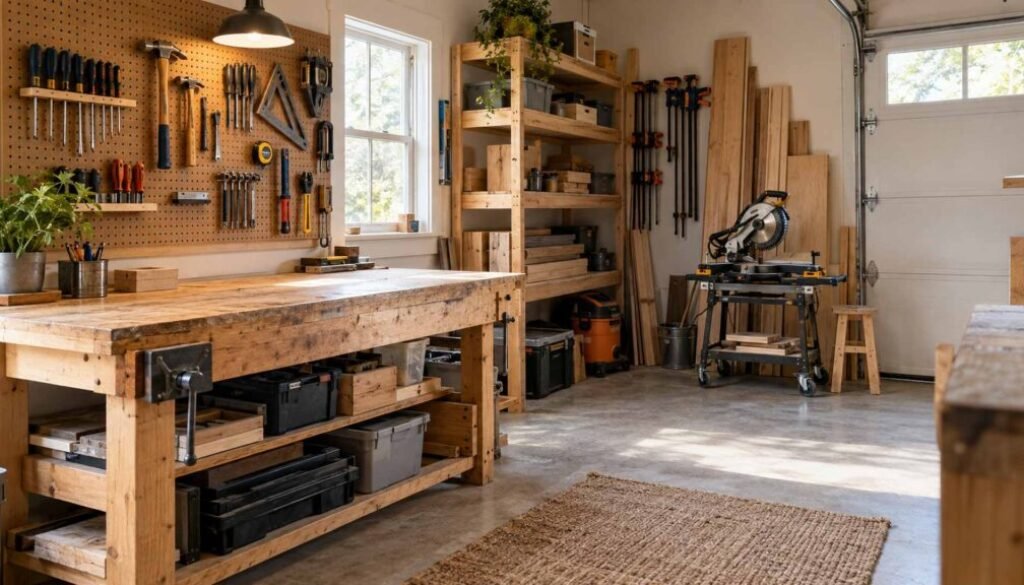
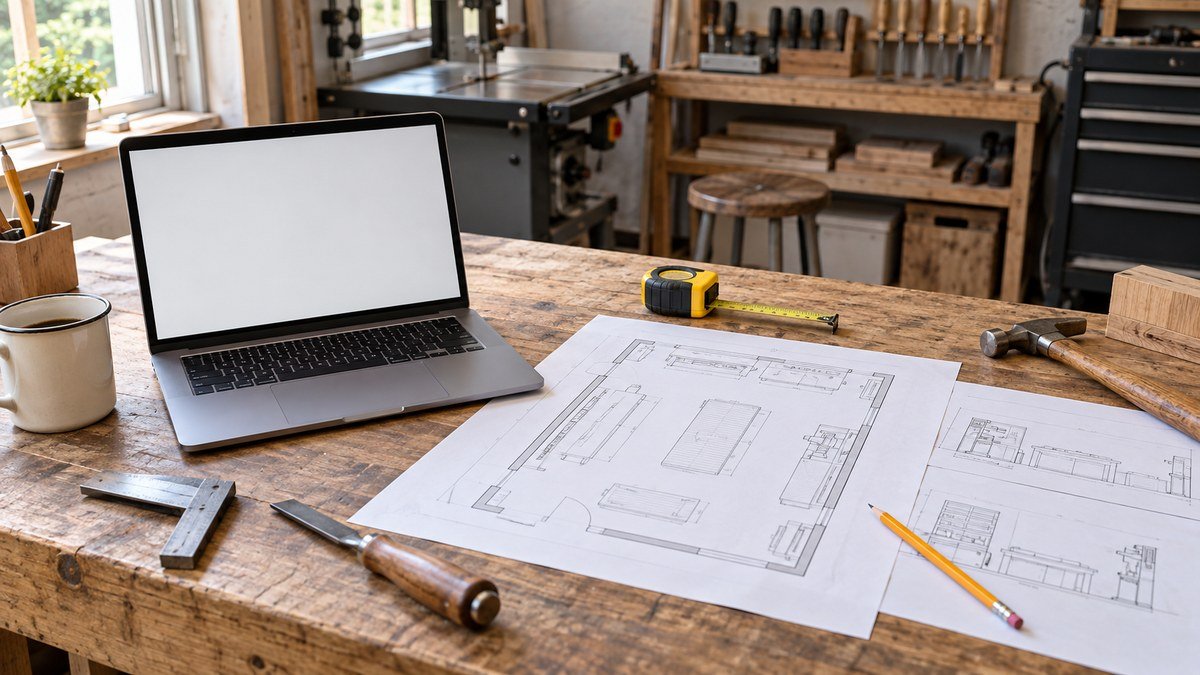
Layout examples can also shorten the planning process. They are best used as starting points, not floor plans to copy blindly. Door swing, ceiling height, wall outlets, infeed and outfeed clearance, lumber storage, and emergency access can make two rooms with identical dimensions behave very differently. If your room is especially tight, compare any proposed layout with this 8×8 woodworking shop layout before committing heavy equipment to a fixed location.
What the package does not appear to be
The sales materials do not establish that every suggested price or supplier will remain current. They also do not turn general safety guidance into an electrical inspection, a fire-code review, or a dust-exposure assessment for your property. Those limits are normal for a digital guide, but buyers should understand them before expecting a complete, personalized design service.
This Ultimate Small Shop review therefore judges the program mainly on its planning framework. A checklist, tool hierarchy, and layout method can remain useful even as specific prices and links age. Exact bargain claims are less durable and require independent verification.

Is the $1,000 Workshop Plan Realistic Today?
The number can be realistic for a narrow definition of a starter shop. It is far less realistic as an all-in budget for converting an unfinished room and buying every tool a growing woodworker might want.
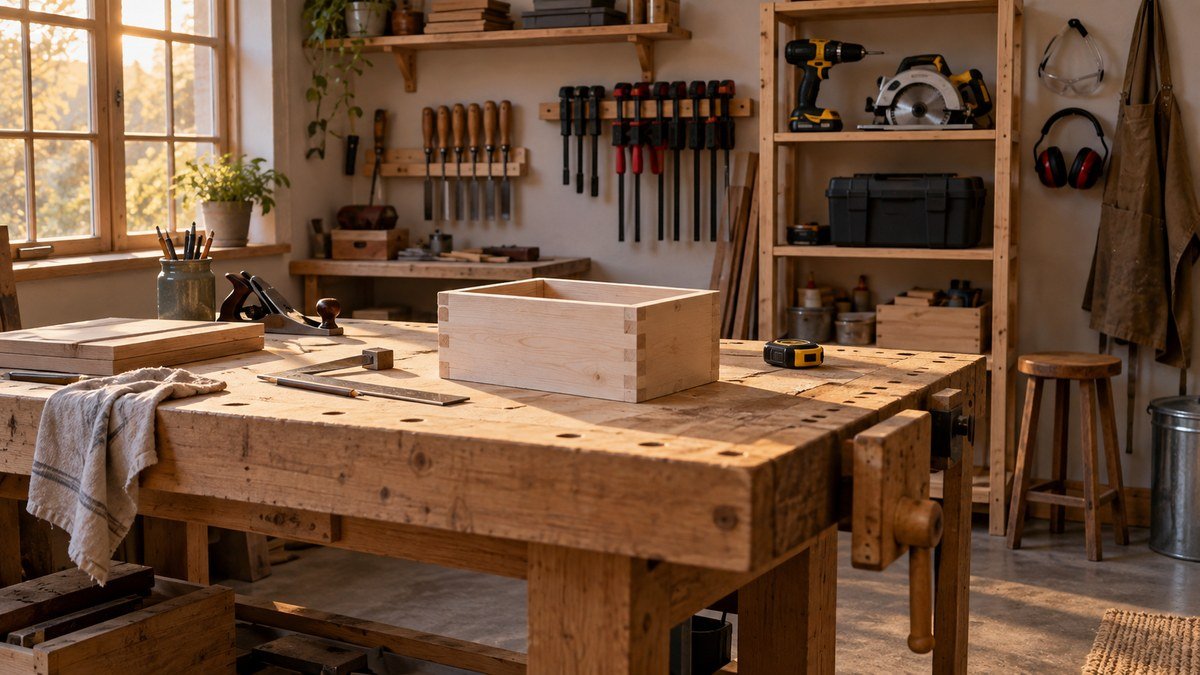
Start by deciding what “shop” means. A capable beginner setup might include a sturdy work surface, accurate measuring and marking tools, a drill/driver, a circular saw or jigsaw, a random-orbit sander, a few clamps, basic hand tools, and safe storage. With careful choices, those items can support many small projects. A cabinetmaking setup with a table saw, planer, jointer, bandsaw, drill press, router table, large dust collector, and stock of hardwood is a different category.
When $1,000 has a reasonable chance
The target becomes more believable when most of the following are true:
- You already have a dry, secure room with adequate lighting and safe electrical service.
- Your first projects can be built with portable tools and sheet goods or pre-milled boards.
- You are willing to buy used tools after inspecting them carefully.
- You can build simple storage and a workbench from low-cost materials.
- You postpone specialty machines until repeated project needs justify them.
- You already own common household tools, extension leads of the correct rating, or protective equipment.
- You leave enough time to compare total delivered prices instead of reacting to a sale banner.
This is why a project-first list matters. If your first three builds only need straight cuts, holes, sanding, and assembly, you do not need to reproduce every station shown in a large-shop tour.
Costs the headline can hide
Tool prices are only part of a workshop budget. Beginners commonly overlook blades, bits, sandpaper, batteries, chargers, fasteners, glue, finishes, replacement filters, bench hardware, and material waste. Sales tax and shipping can change the final figure too.
Room preparation is the largest wildcard. Adding outlets, correcting overloaded circuits, improving lighting, handling moisture, adding ventilation, or creating effective dust capture may consume a meaningful share of the budget. Electrical work must follow local requirements and should be handled by a qualified professional where required. A cheap tool is not a saving if using it creates an unsafe circuit or uncontrolled dust problem.
For a broader practical breakdown, see how to build a small woodworking shop for under $1,000. Use that number as a planning ceiling for a starter phase, not proof that every complete shop can be built for the same amount.
A better way to use the number
Divide the budget into four envelopes: room safety, core tools, workholding and accessories, and a contingency reserve. Do not spend the full amount on machines. If the room needs professional work, revise the schedule rather than taking money away from eye, hearing, and dust protection.
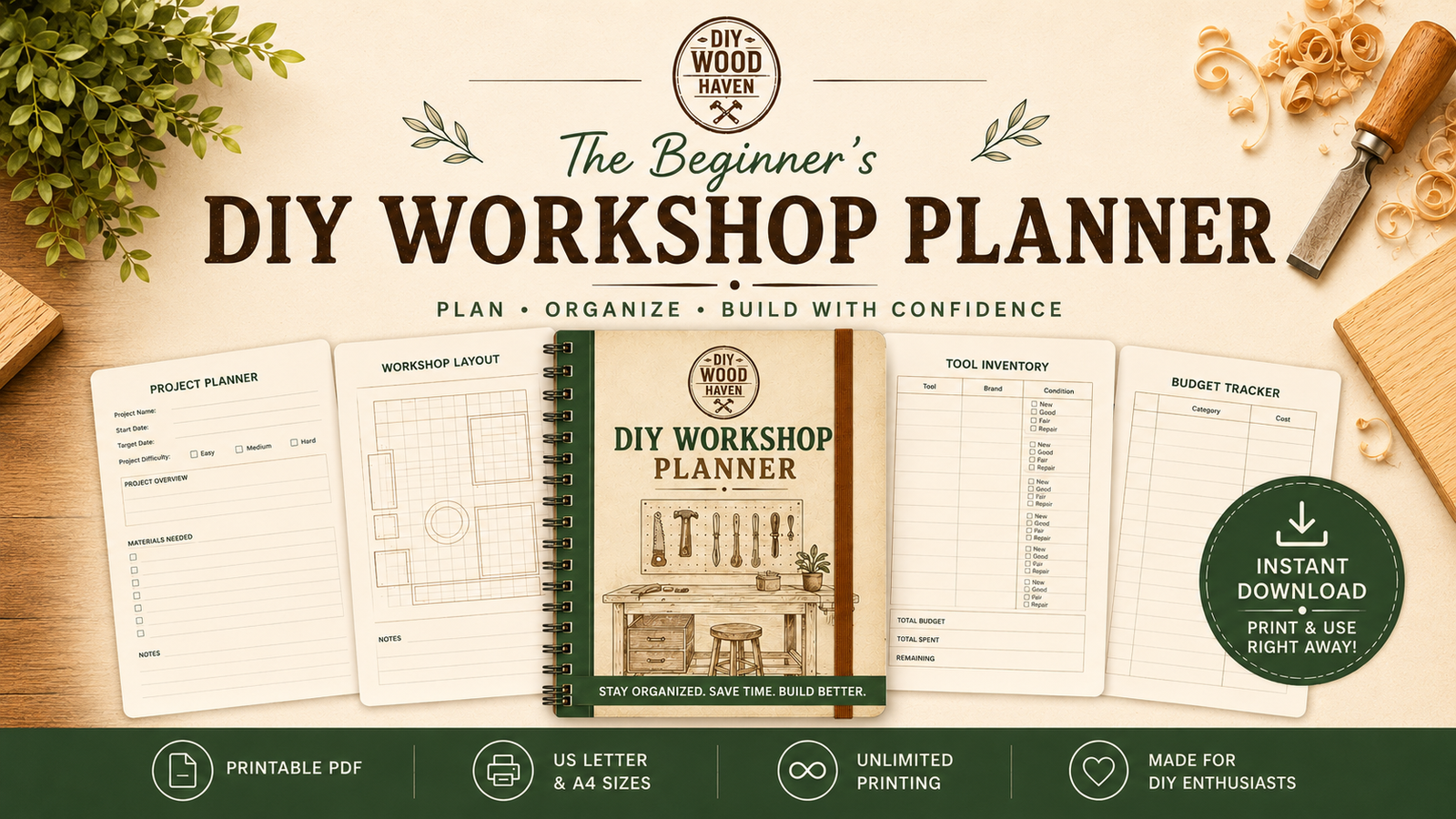
Prices also vary by location and date, so this article does not present a fixed shopping total. Record the actual delivered cost of each item available to you. A simple budget tracker—such as The Beginner’s DIY Workshop Planner—can help separate “needed now” purchases from attractive upgrades.
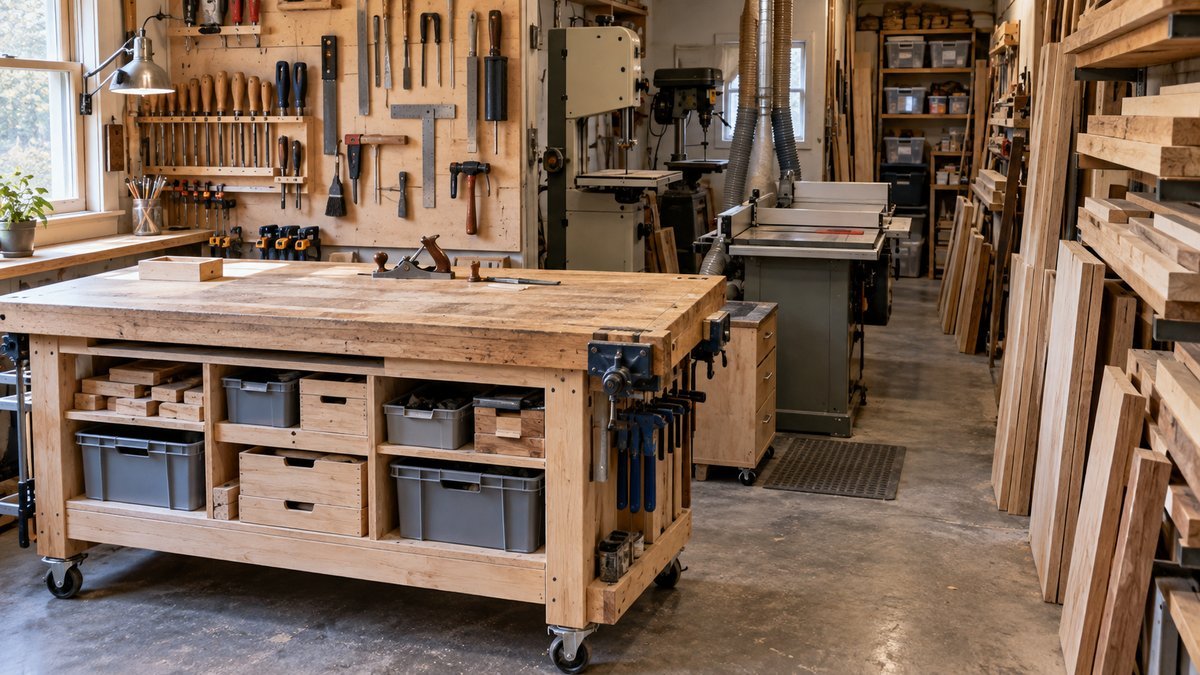
Ultimate Small Shop Review: Strengths and Limitations
The strongest part of the concept is its emphasis on deliberate selection. Beginners are vulnerable to two opposite mistakes: buying a full collection too early or repeatedly buying the cheapest version of the wrong tool. A structured guide can create a pause between inspiration and checkout.
Strengths
- Clear beginner problem: It addresses limited space, uncertain tool priorities, and budget anxiety together.
- Planning before purchasing: The advertised tool-selection and layout modules encourage decisions based on work, not showroom appeal.
- Compact-shop focus: Small-space examples are more relevant to hobbyists than commercial-shop tours.
- Multiple planning topics: Tool choice, layout, organization, lighting, ventilation, and safety belong in the same conversation.
- Downloadable format: Digital access can be convenient for readers who want to review a plan while measuring their room or comparing listings.
The guide may be most valuable as an organizing framework. A beginner who feels paralyzed by options often needs a sequence more than another list of “best” tools. Even a basic rule—buy only for a defined project or a repeated bottleneck—can protect the budget.
Limitations
- The $1,000 claim is conditional: It cannot reflect every room, market, tax rate, shipping charge, or safety upgrade.
- Supplier and price information can age: Every link, model, discount, and delivery cost needs a current check.
- The sales copy is highly promotional: Large discount and savings claims deserve verification rather than automatic acceptance.
- Layouts are not site-specific: They cannot account for every doorway, ceiling, circuit, climate, or local requirement.
- Independent evidence is limited: The publisher’s page includes testimonials and performance claims, but that is not the same as controlled or independently verified outcome data.
- A guide cannot inspect used tools: Buyers still need to examine cords, guards, bearings, fences, tables, batteries, and missing parts.
There is also a time-value question. Experienced woodworkers may already know how to prioritize a drill, saw, sander, workholding, and dust control. They may gain little from a general roadmap. A true beginner, however, might save the purchase price by avoiding one unnecessary tool—provided the advice is current and suited to the projects they actually want to build.
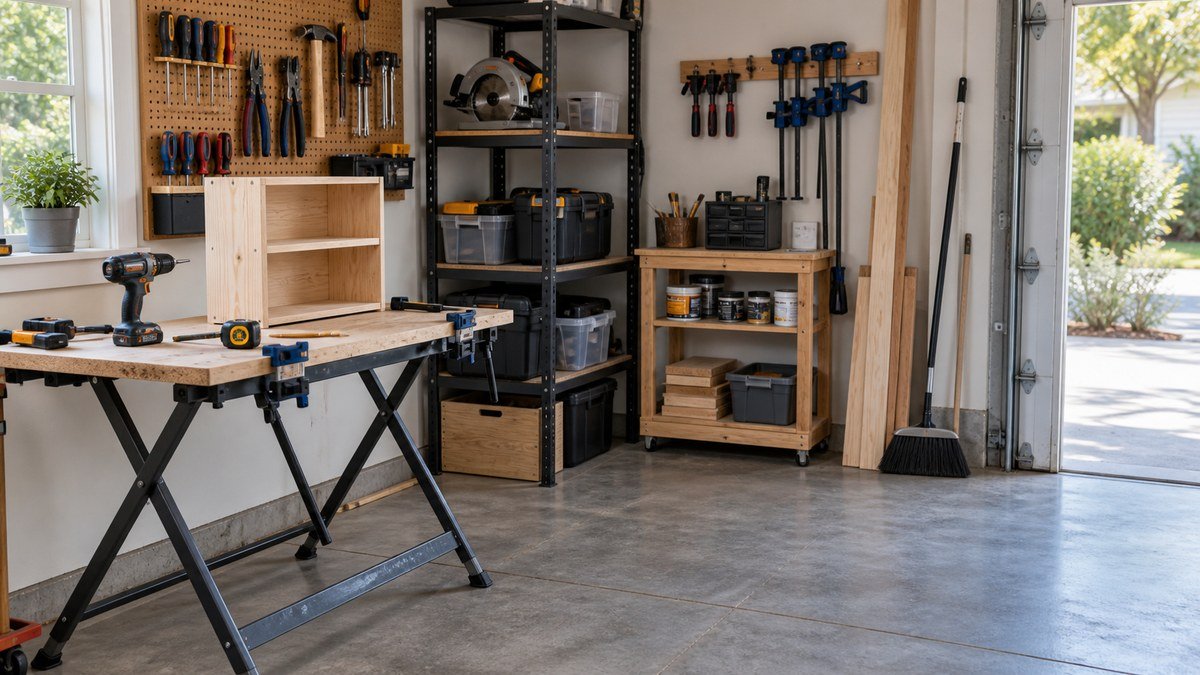
Who Should Buy It—and Who Should Skip It?
The practical conclusion of this Ultimate Small Shop review is that the program is best suited to a reader who has usable space but lacks a decision process. If your garage corner is available, your electrical service is adequate, and you mainly need help turning a long wish list into a staged plan, the program’s structure may be useful.
It may also suit someone who learns well from a single organized document. Free information exists across videos, forums, manuals, and blogs, but assembling it into a coherent sequence takes time. Paying for organization can be reasonable when you understand that convenience—not secret access to universally cheap tools—is the dependable benefit.
Consider it if you:
- are setting up your first hobby shop;
- work in a garage, basement, shed, or spare room;
- want a project-based tool priority list;
- are comfortable checking every price and supplier independently;
- understand that the product is information, not equipment; and
- can adapt example layouts to your room and safety needs.
Skip it, or research further first, if you:
- expect a physical tool kit or ready-built workshop;
- already have a mature shop and a clear upgrade plan;
- need professional drawings, electrical design, or code advice;
- want guaranteed local prices or permanent supplier discounts;
- plan to equip a production cabinet shop for $1,000; or
- dislike sales pages that use urgency and large savings claims.
For many readers, the purchase decision is less about whether every claim can be reproduced and more about whether a centralized planning system is worth paying for. Review the current checkout terms and refund policy yourself. Save copies of what the offer says is included at the time of purchase.
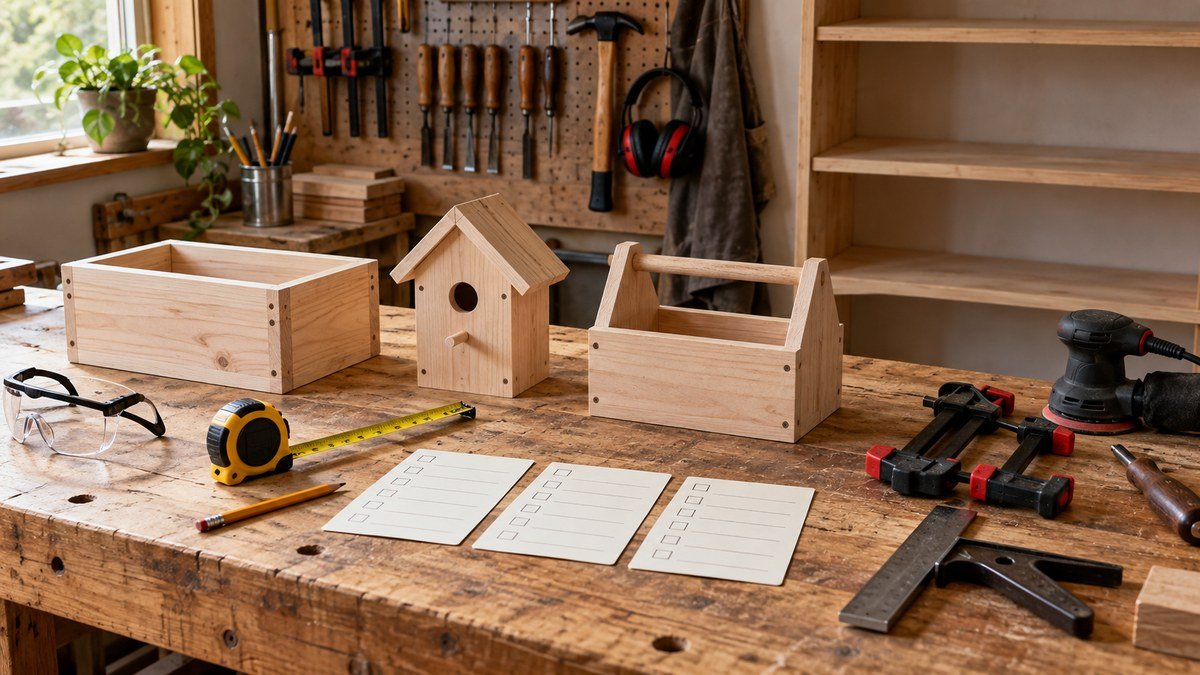
How to Use the Plan Without Overspending
Whether you use Ultimate Small Shop, a free checklist, or your own spreadsheet, the following process keeps the plan tied to real projects.
1. Define your first three projects
List the operations each build requires: crosscuts, rip cuts, curves, drilling, sanding, joinery, assembly, and finishing. Look for repeated needs. A tool that solves three immediate operations deserves priority over a machine that supports a hypothetical future project.
2. Measure the operating space, not just the floor
Record room dimensions, door paths, outlet locations, ceiling restrictions, and areas that must stay clear. Then include the space required to feed material through a saw or planer. Mobile bases and folding surfaces help, but they do not eliminate safe working clearance.
3. Separate room costs from tool costs
Inspect lighting, electrical capacity, moisture, ventilation, exits, and dust control before shopping. Put necessary corrective work in its own budget category. If these costs push the total above $1,000, that does not mean the planning failed; it means the original room was not ready.
4. Build a minimum viable tool list
Choose the least complicated safe tool set that can complete your first projects accurately. Rent or borrow a specialty tool when practical. Have a supplier make large sheet cuts if transporting and breaking down full sheets would otherwise require a major purchase.
Small consumables and workholding can improve results without taking over the budget. For example, a small set of quick-release clamps may suit light assembly, while an assorted wet-or-dry sandpaper set covers common finishing grits. Confirm size, quantity, compatibility, final price, shipping, and seller details before ordering; product listings can change.
5. Verify used tools and online offers
For a used power tool, check that guards and adjustment parts are present, cords and plugs are intact, shafts run smoothly, and tables or fences are not badly damaged. Ask to see it operate only when that can be done safely. Budget for a fresh blade or bit. Walk away from modified safety systems or vague electrical faults.
For online products, compare the total delivered price and return terms, not just the headline price. Confirm dimensions and intended use. An inexpensive miniature clamp is not a substitute for a full-size bar clamp, and very fine sandpaper does not replace the coarse grits needed for initial surface leveling.
6. Organize vertically and review after each project
Use walls for shallow storage while keeping heavy items secure and frequently used tools reachable. Avoid filling every wall before you understand your workflow. These small workshop storage ideas can help you preserve floor area.
After each build, record what slowed you down. Upgrade when the same limitation appears repeatedly, not simply because unused budget remains. This feedback loop is the most realistic way to turn a basic shop into a capable one without buying twice.
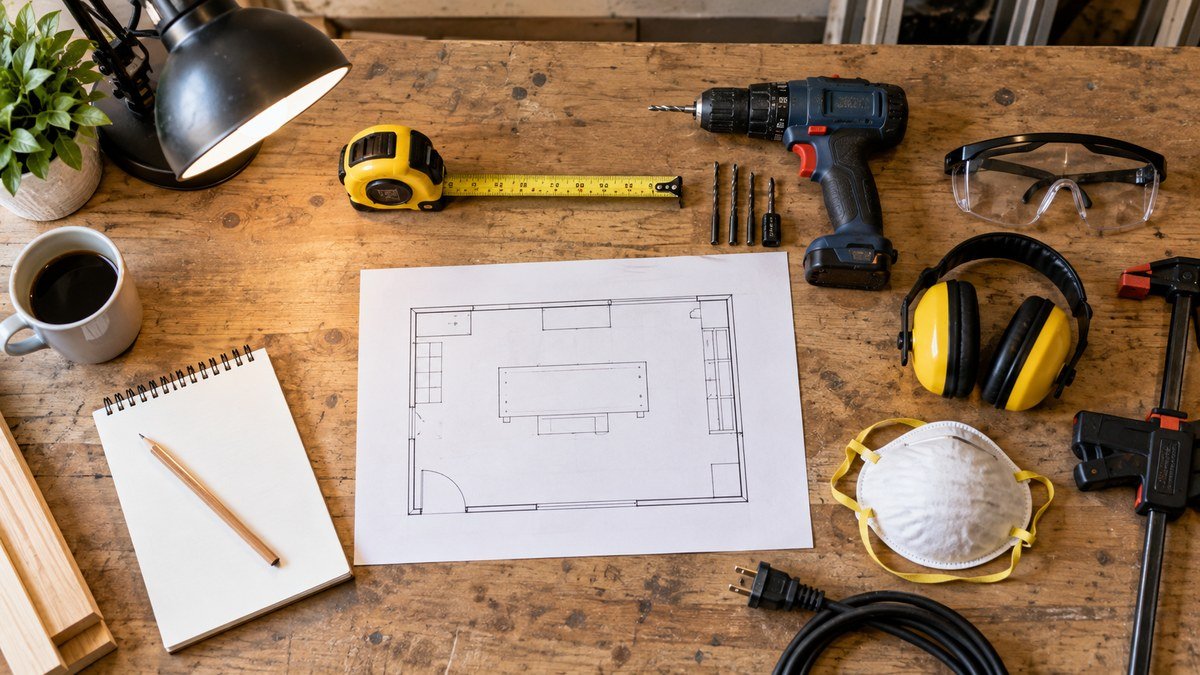
Frequently Asked Questions
Does this Ultimate Small Shop review cover a physical tool kit?
No. The publisher presents Ultimate Small Shop as a digital guide and related planning resources. The purchase does not include the saws, drills, benches, lumber, or safety equipment needed for a shop. Its role is to help readers decide what to buy, where to look, and how to arrange a limited space. Confirm the exact digital contents and delivery details on the current checkout page.
Can you really build a woodworking shop for under $1,000?
Yes, a limited starter shop can sometimes stay under $1,000 when the room is already usable, the tool list is project-specific, and used or entry-level equipment is available. It is not a reliable all-in ceiling for everyone. Electrical work, lighting, dust collection, ventilation, storage, accessories, taxes, shipping, and materials can push the total higher.
What costs are easy to leave out of a $1,000 shop budget?
Common omissions include blades, drill and router bits, sandpaper, clamps, batteries, chargers, filters, hoses, adapters, fasteners, glue, finishes, workbench hardware, storage, and protective equipment. Room improvements and professional electrical work can be larger than any single starter tool. Track delivered prices and keep a contingency reserve before committing the whole budget.
Is Ultimate Small Shop suitable for an 8×8 room?
The publisher advertises layouts for compact spaces, including 8×8 examples. Whether a particular arrangement works depends on door swing, ceiling height, outlets, lumber length, machine clearance, and how often tools can be rolled outside or into a shared area. Measure the operating envelope of each tool and preserve a clear exit rather than copying dimensions alone.
Should beginners buy used woodworking tools?
Used tools can stretch a budget, especially for simple, durable equipment, but condition matters more than the discount. Beginners should avoid machines with missing guards, damaged wiring, excessive vibration, unavailable parts, or unclear modifications. If you cannot evaluate a tool safely, bring an experienced woodworker or buy from a seller with a meaningful return policy.
Does the guide replace professional electrical or safety advice?
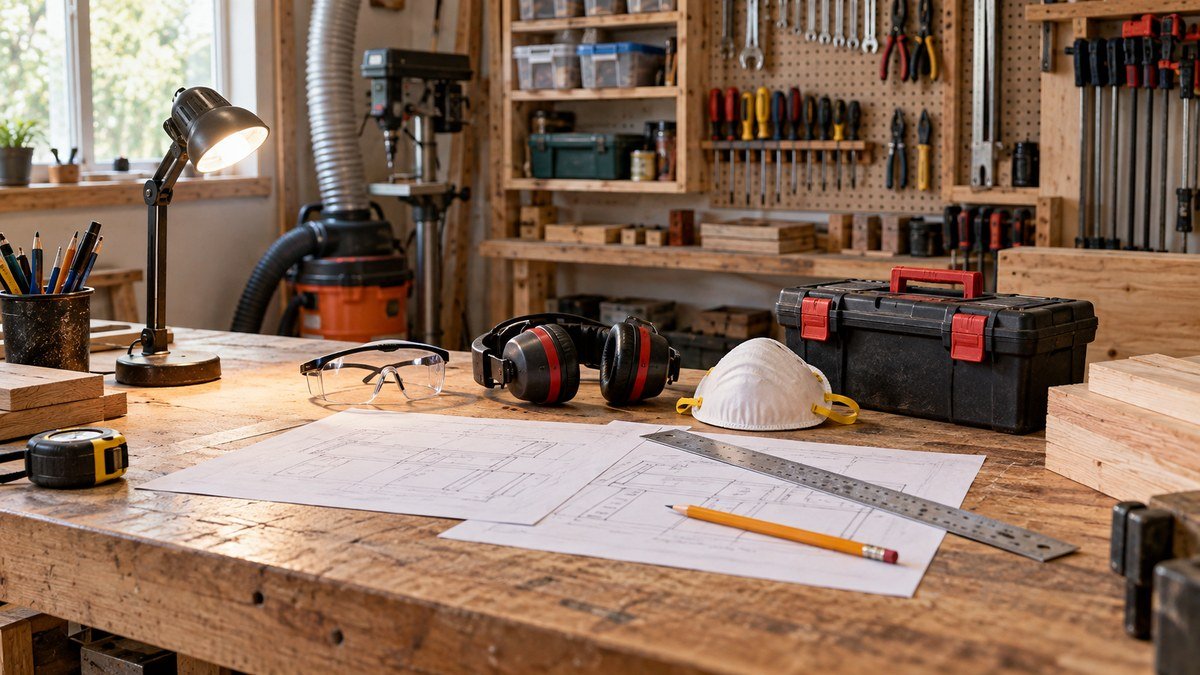
No. A general woodworking guide cannot inspect your circuits, ventilation, building conditions, or local requirements. Follow each tool manufacturer’s instructions and use appropriate eye, hearing, and dust protection. Hire a qualified professional for electrical changes or other work that requires licensing or site-specific judgment.
Conclusion
This Ultimate Small Shop review finds a useful idea beneath a bold headline: beginners benefit from planning projects, space, and purchases as one system. The advertised tool-selection and layout framework may help a new woodworker avoid random buying, and that organizational value can justify a low-cost digital guide for the right reader.
The $1,000 workshop plan is not a universal promise. It is most plausible as a first-stage tool budget for someone who already has a safe room, shops patiently, uses portable or secondhand tools, and postpones specialty machines. If the space needs electrical, lighting, moisture, ventilation, or dust-control work, the responsible total may be higher.
Before buying, review the current offer, verify its terms, and compare every supplier recommendation with local delivered prices. Then start with three real projects and let repeated needs—not marketing urgency—decide what enters your shop next.
Affiliate Disclosure
This post contains affiliate links. If you purchase through these links, DIY Wood Haven may earn a commission at no additional cost to you.

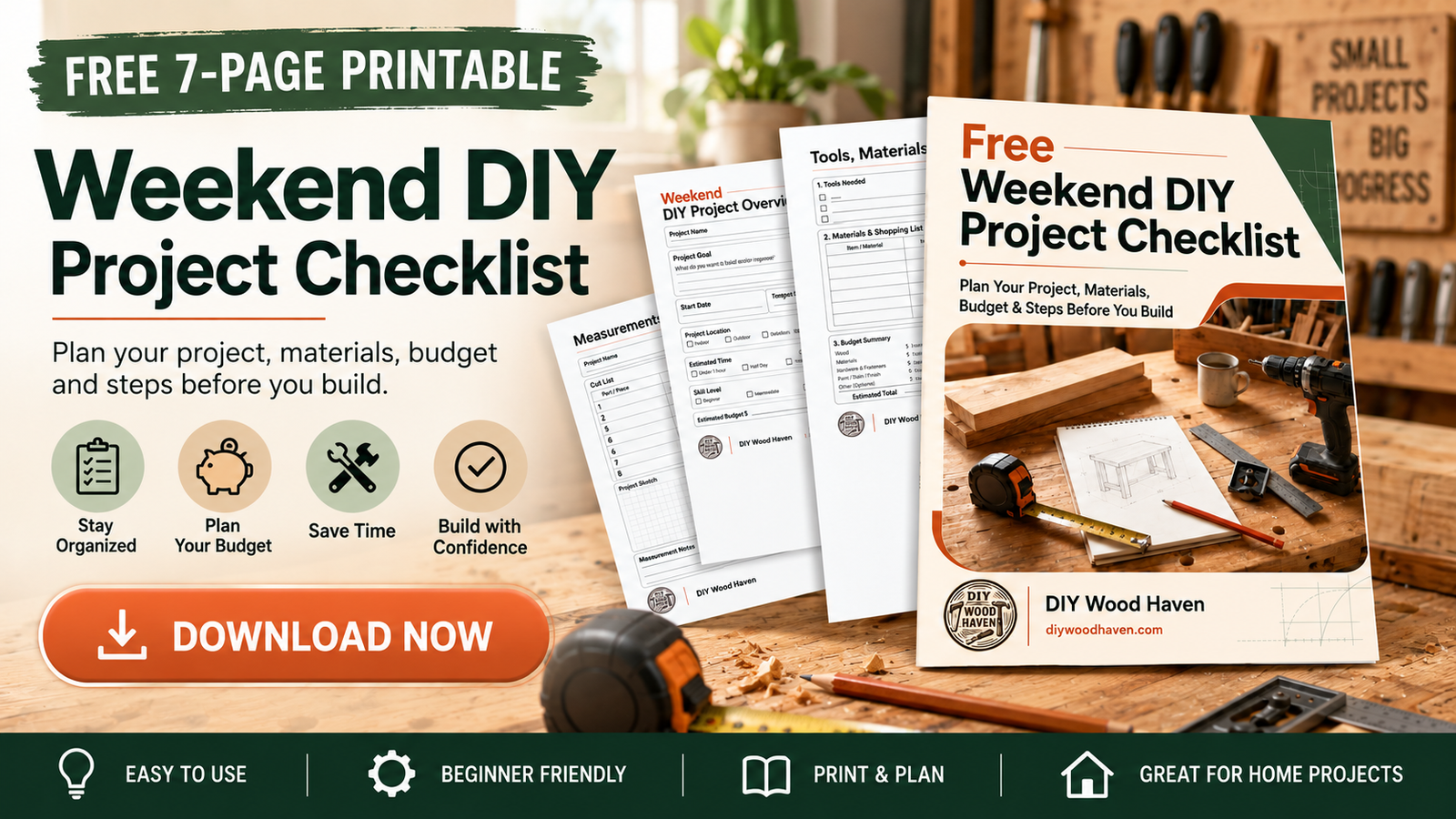
Ready to Build Smarter?