
Crafting Wood, Creating Warmth
Bring beauty and comfort to life with handmade wood projects.
Latest DIY Tips & Guides
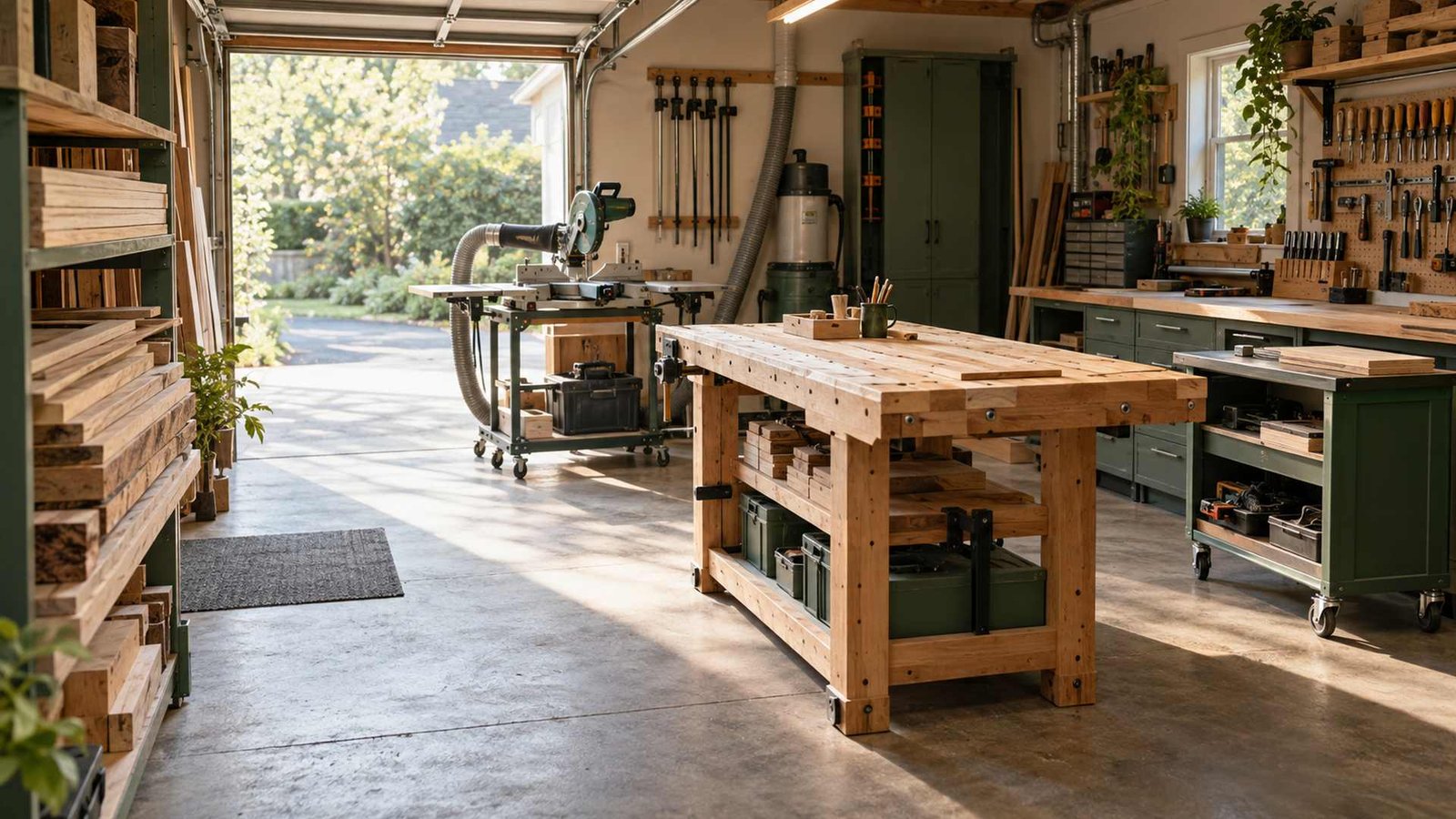
Woodworking Shop Workflow for Small Spaces
A good woodworking shop workflow helps you move from rough lumber to finished project without repeatedly shifting tools, stepping over cords, or carrying parts back across the room. In a small workshop, that matters even more because every bench, cart, and storage rack competes for the same limited floor area.
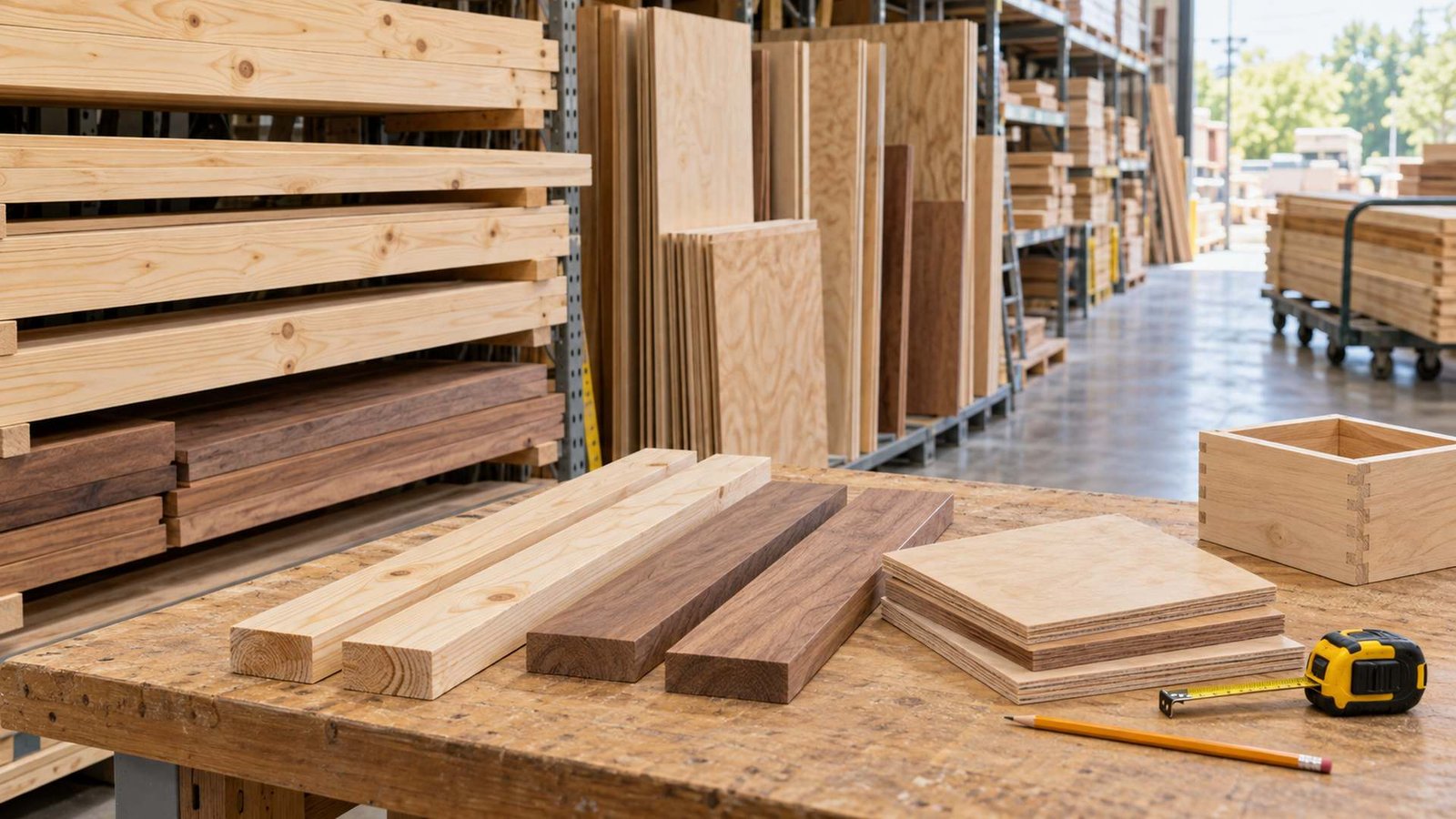
How to Choose Wood for Woodworking: Beginner Guide
Learning how to choose wood for woodworking can feel harder than choosing your first project. At a lumberyard or home center, you may see construction boards, appearance boards, hardwood sold by unfamiliar measurements, plywood in several grades, and pieces that look almost identical until you inspect them closely. The good news is that a beginner does not need to memorize every species.
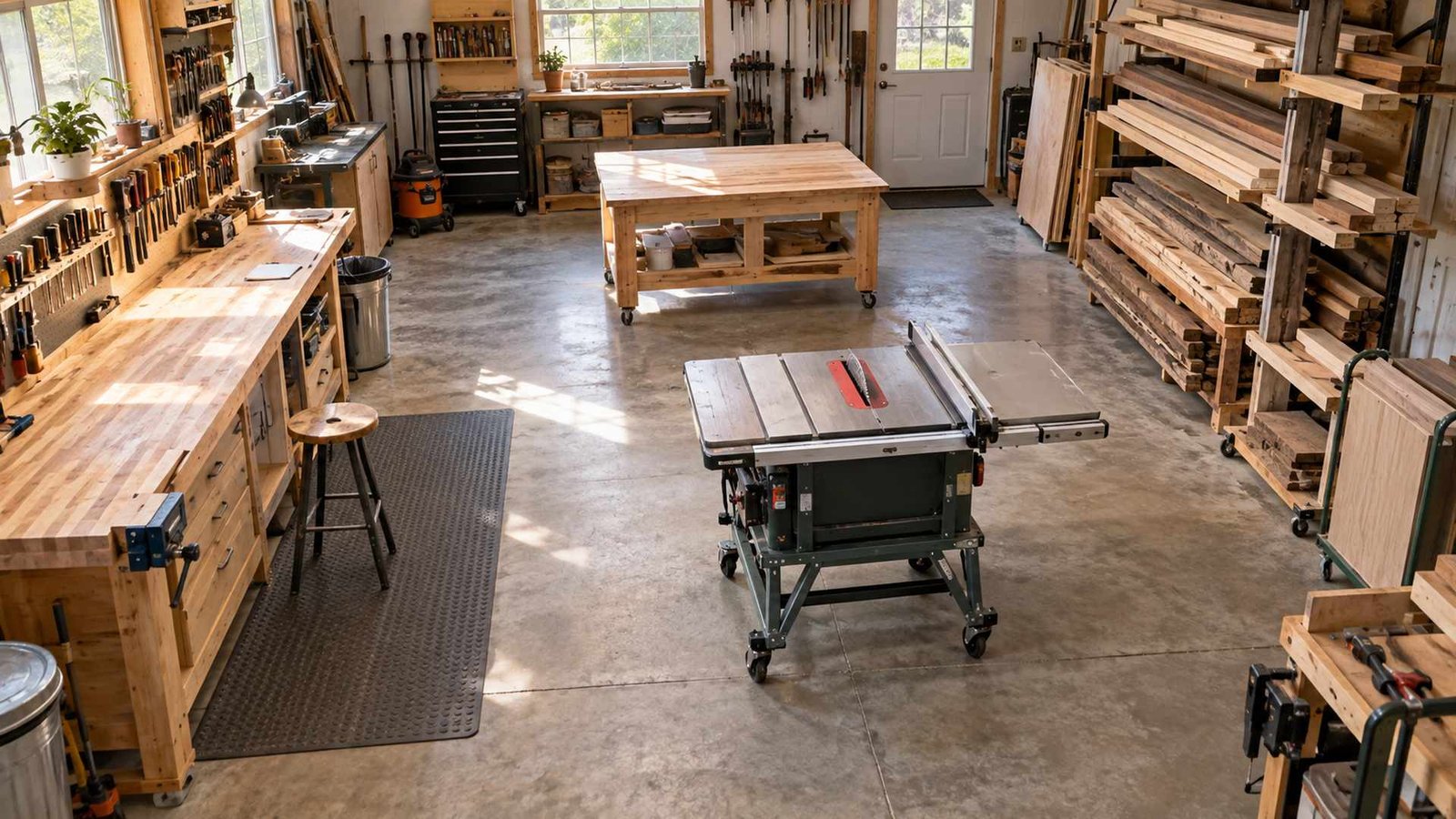
How Much Space for Woodworking Shop? Beginner Guide
Wondering how much space for woodworking shop use is actually necessary? The reassuring answer is that you do not need a huge detached building to start making useful projects. You need enough room for the work you plan to do, the tools you truly use, and the boards or panels that must move safely through those tools.
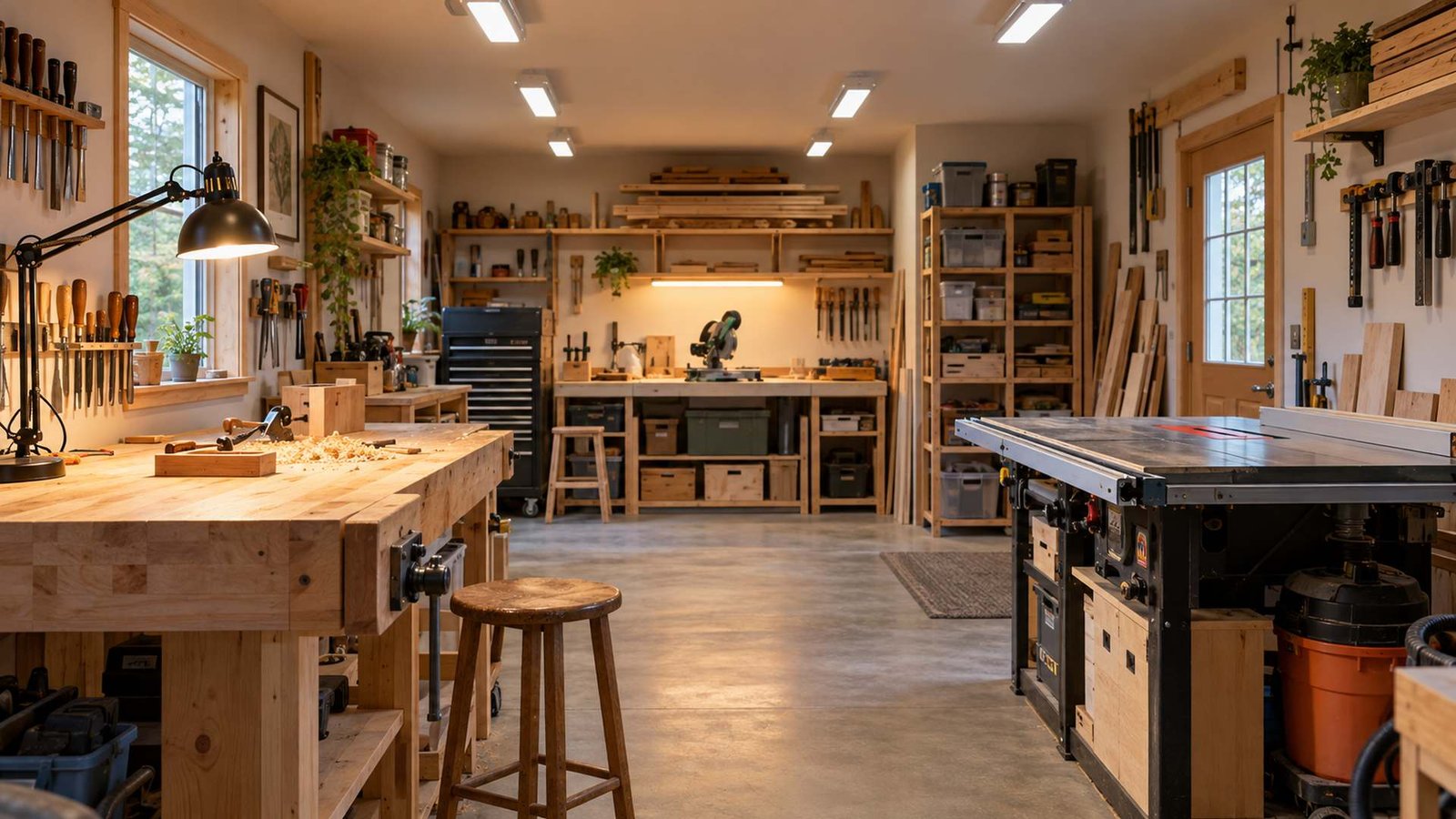
Small Workshop Lighting Planning Guide
Good small workshop lighting makes layout lines easier to see, helps reveal sanding scratches, and reduces the strain of working in dim corners. A shop can have bright fixtures and still perform poorly if your body casts a shadow over the bench, a bare lamp creates glare, or a machine blocks the light exactly where a cut must be watched.
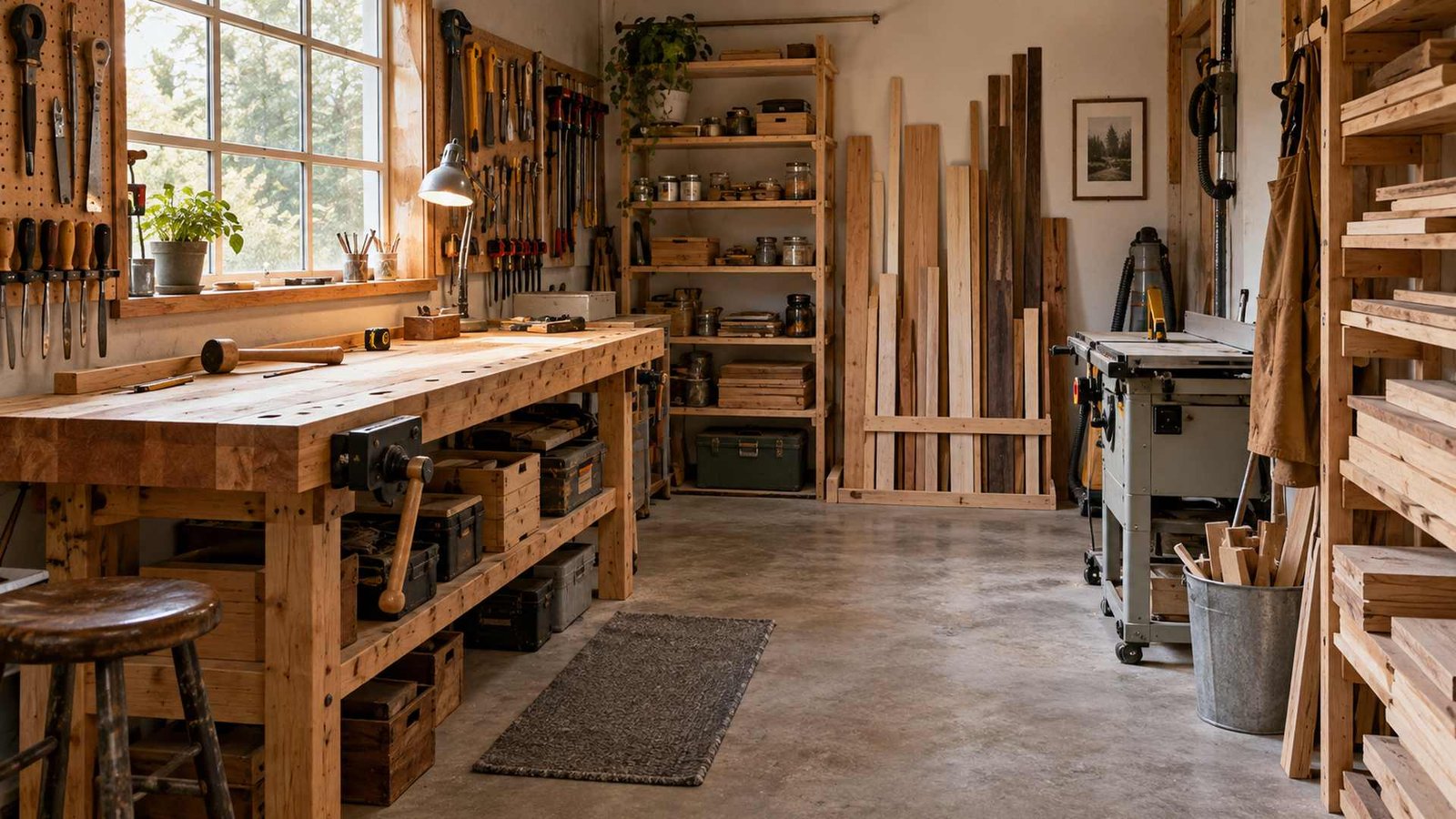
Small Workshop Workbench Placement Guide
Learning how to organize power tools is one of the fastest ways to make a small workshop safer and easier to use. When drills, sanders, saws, batteries, cords, and accessories compete for the same shelf, even a simple project begins with a search. Tools get stacked where they can fall, batteries remain on chargers, and the workbench becomes a permanent parking area instead of a place to build.

Woodworking Shop Electrical Outlets: Planning Guide
Woodworking shop electrical outlets should be planned around your actual tools, work zones, lighting, dust collection, and future needs—not simply around how many receptacles fit on each wall. A shop can have a large outlet count and still be frustrating—or unsafe—if receptacles are in the wrong places or share an overloaded circuit. The goal is to create a practical layout without making extension cords part of the permanent setup.
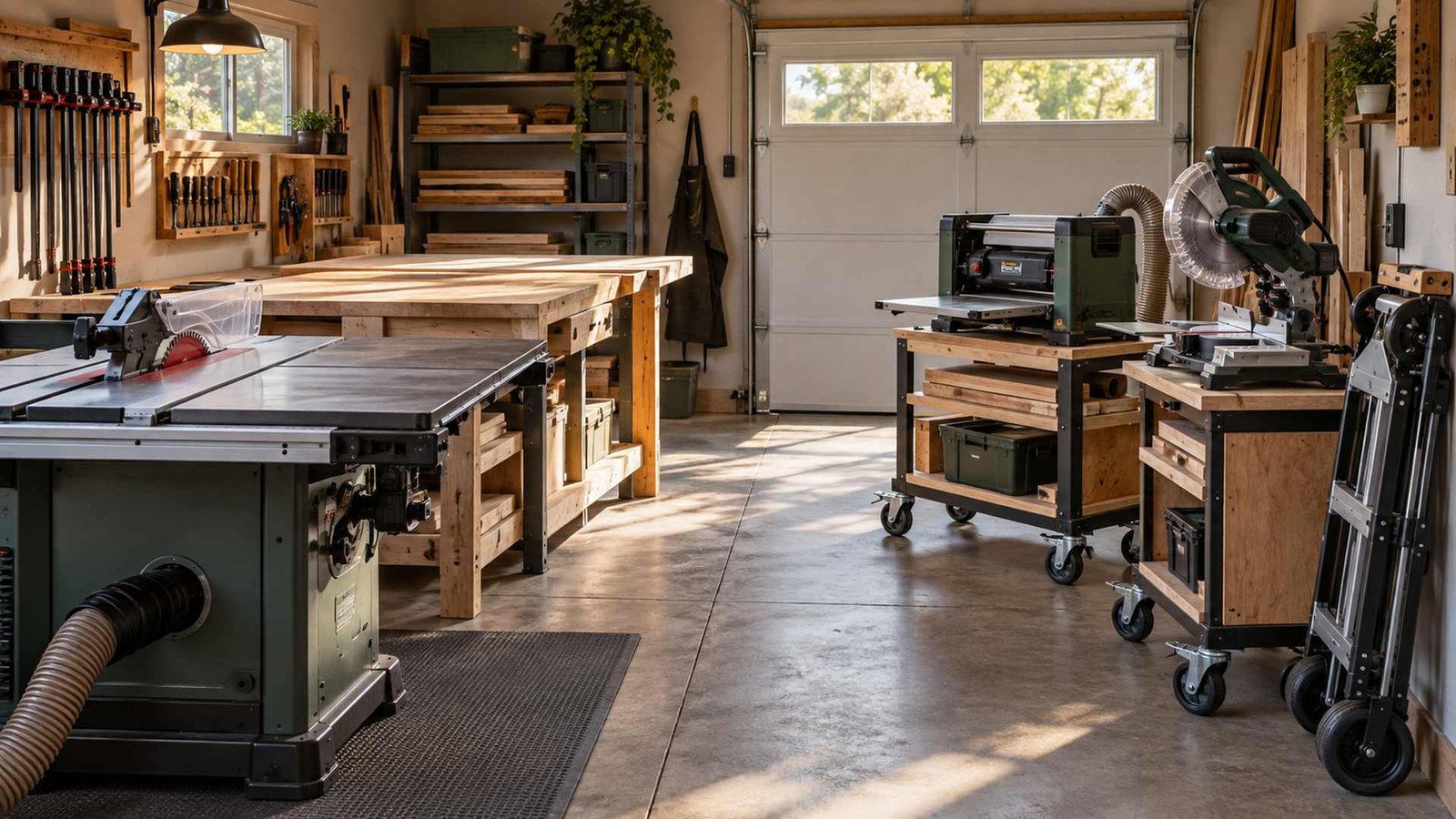
Mobile vs Stationary Woodworking Tools: Small-Shop Guide
Choosing between mobile vs. stationary woodworking tools is not simply a question of buying smaller machines. It is a workshop-planning decision that affects safety, accuracy, storage, dust control, and the number of operations you can complete without fighting the room.
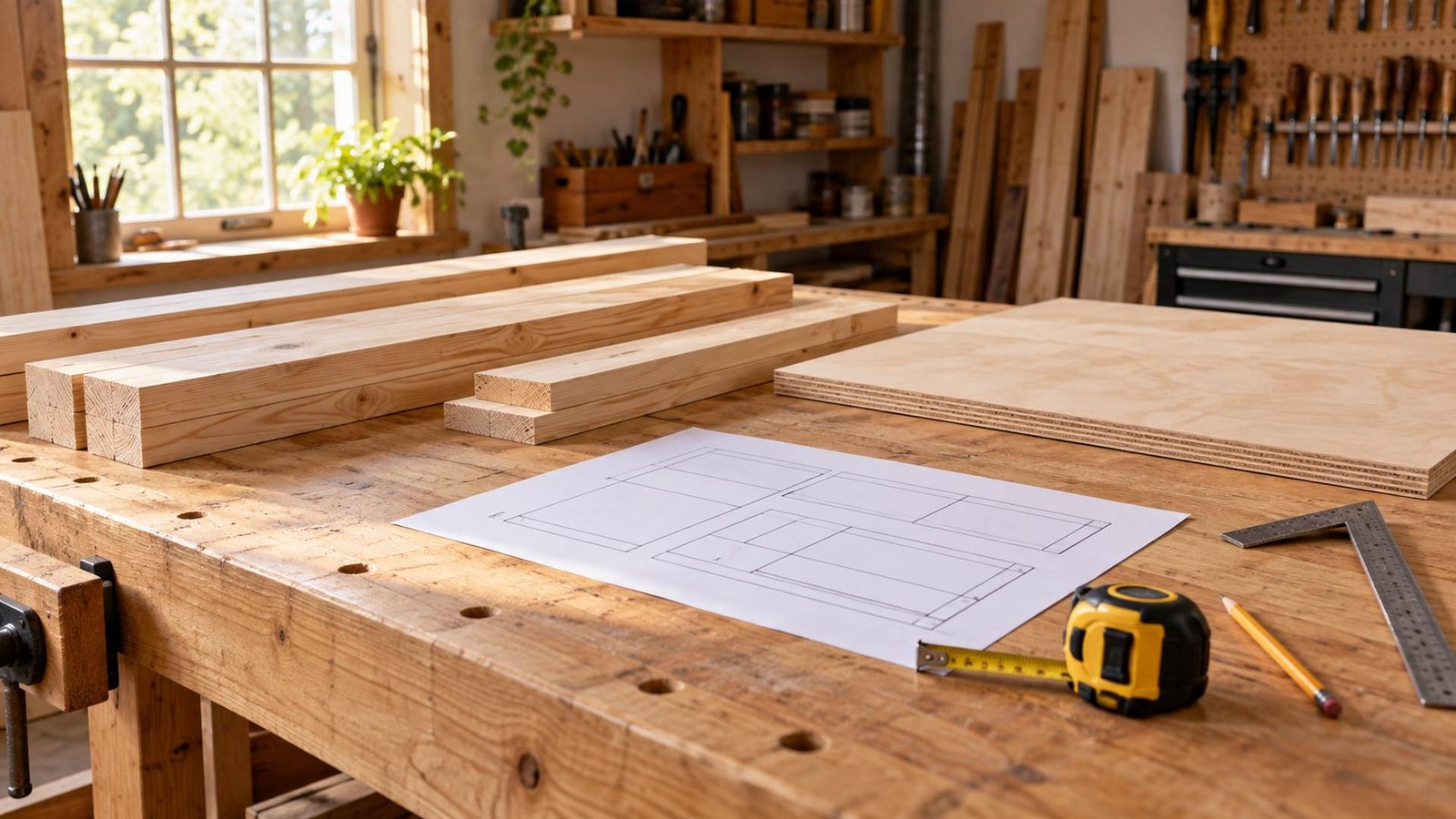
How to Make a Woodworking Cut List and Save Lumber
Address the frustration of buying too much lumber or discovering a missing part mid-build. Introduce the focus keyphrase and explain that a good cut list connects the drawing, rough stock, cutting layout, and shopping list.
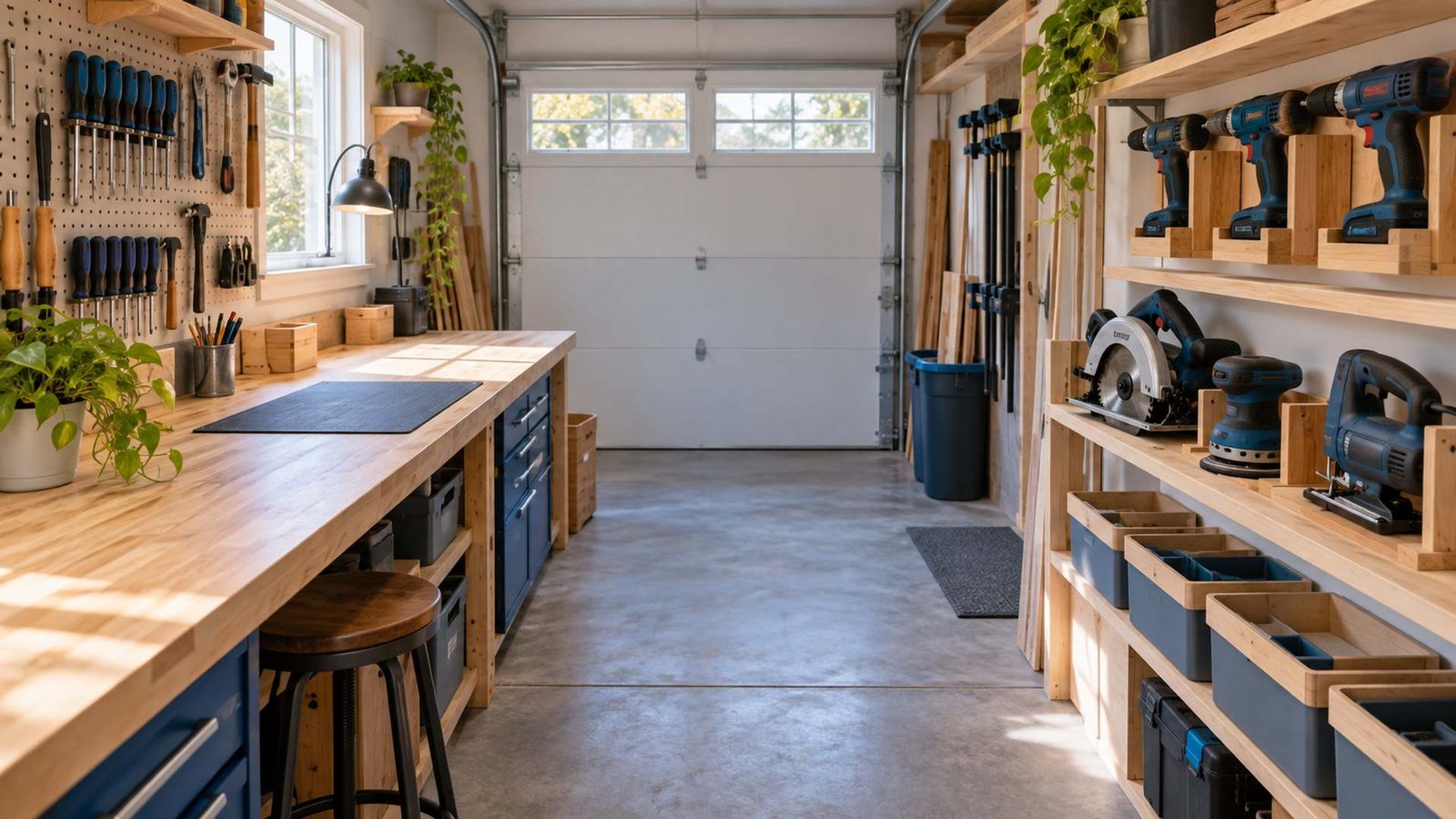
How to Organize Power Tools in a Small Workshop
Learning how to organize power tools is one of the fastest ways to make a small workshop safer and easier to use. When drills, sanders, saws, batteries, cords, and accessories compete for the same shelf, even a simple project begins with a search. Tools get stacked where they can fall, batteries remain on chargers, and the workbench becomes a permanent parking area instead of a place to build.

Ready to Build Smarter?