Small House Plans: 11 Smart Space-Saving Designs
Have you ever wondered how some homes feel spacious and comfortable despite having a smaller footprint? Small House Plans have become increasingly popular because they offer a practical way to reduce building costs, simplify maintenance, and make better use of available space.
Whether you’re planning your first home, looking to downsize, or exploring compact house designs, choosing the right layout can make a significant difference in your daily life. A thoughtfully designed small home can provide all the functionality of a larger house while creating a cozy and efficient living environment.
Many homeowners struggle to balance affordability, comfort, and storage when evaluating different small home layouts. The good news is that modern small house plans are designed with smart space-saving features, flexible living areas, and efficient floor plans that help maximize every square foot.
In this guide, you’ll discover the essential features of great small house plans, popular design options, common mistakes to avoid, and practical tips for choosing a layout that fits your lifestyle and budget. Let’s explore how a smaller home can deliver big benefits.
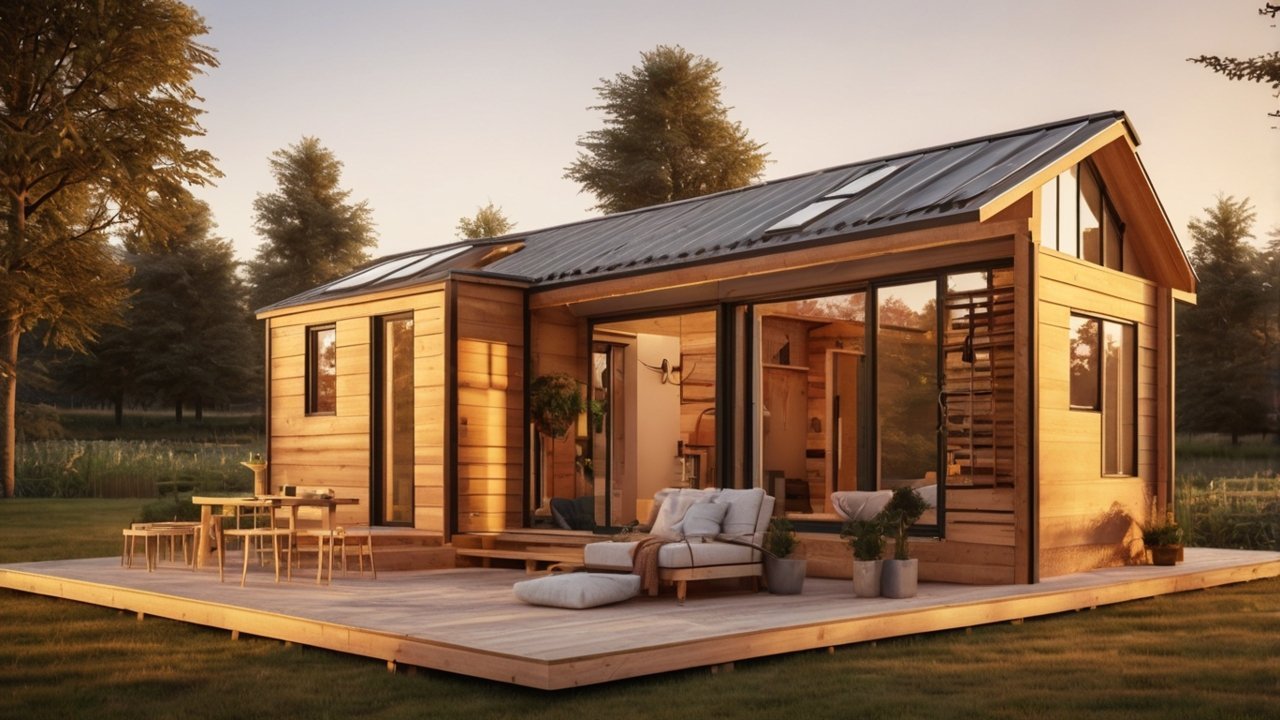
What Makes a Great Small House Plan?
When people first start researching Small House Plans, they often focus on square footage alone. In reality, a successful small home isn’t defined by its size—it’s defined by how efficiently every square foot works for the people living inside it.
As someone who has spent years building woodworking projects, storage solutions, sheds, and small backyard structures, I’ve learned that thoughtful planning almost always matters more than adding extra space. A well-designed 900-square-foot home can feel more comfortable and functional than a poorly planned home twice its size.
The best Small House Plans combine smart layouts, practical storage, natural light, and room flexibility. They make daily living easier without wasting valuable space.
If you’re still exploring different compact home ideas, our guide to Tiny House Plans provides additional inspiration for efficient living.
Small House Plans Should Prioritize Function First
One of the biggest mistakes beginners make is falling in love with a home’s appearance before considering how it will actually function.
A beautiful exterior means very little if the interior layout creates daily frustrations.
When reviewing Small House Plans, ask yourself:
-
Can furniture fit comfortably?
-
Is there enough storage?
-
Does the kitchen flow well?
-
Are high-traffic areas easy to navigate?
-
Can multiple people use the space comfortably?
Good design focuses on how people live, not just how a house looks on paper.
Efficient Use of Space in Small House Plans
Every room should serve a clear purpose.
In many modern Small House Plans, open-concept layouts eliminate unnecessary hallways and walls. This creates a larger visual footprint without increasing construction costs.
Features commonly found in efficient small home layouts include:
-
Combined kitchen and dining areas
-
Multi-purpose guest rooms
-
Built-in storage benches
-
Open living spaces
-
Compact laundry areas
These design choices help maximize usable living space while keeping construction costs manageable.
Common Layout Mistakes in Small House Plans
I’ve seen many DIY builders make the same planning errors repeatedly.
Some of the most common issues include:
-
Oversized bedrooms that reduce living space
-
Long hallways that waste square footage
-
Insufficient storage planning
-
Poor furniture placement considerations
-
Lack of natural lighting
Fixing these problems on paper is much easier—and far cheaper—than correcting them during construction.
For readers interested in planning efficient interiors, learning about Wood Joinery Techniques and built-in furniture construction can help maximize storage opportunities later.
Smart Storage Makes Small House Plans Work Better
Storage is often the difference between a comfortable small home and a cluttered one.
Many homeowners underestimate how quickly belongings accumulate. Without a storage strategy, even the best floor plan can start feeling cramped.
Built-In Storage Solutions for Small House Plans
One lesson woodworking projects have taught me is that custom storage almost always outperforms store-bought solutions.
Built-in storage can include:
-
Window seats with storage compartments
-
Under-stair cabinets
-
Floor-to-ceiling shelving
-
Murphy beds
-
Built-in wardrobes
These features use spaces that would otherwise go unused.
For homeowners considering space-saving furniture, some DIY builders use a Full Size Deluxe Murphy Bed Kit to create guest sleeping space without dedicating an entire room.
Vertical Space Is Often Overlooked
Many first-time builders focus entirely on floor space.
However, walls can provide enormous storage opportunities.
Tall cabinets, open shelving, and overhead storage areas can dramatically increase usable storage without increasing the home’s footprint.
This approach is especially useful in small home layouts, tiny houses, and compact cottage designs.
For additional ideas, explore these practical Small Shed Storage Ideas that can easily be adapted for indoor spaces.
Natural Light Improves Small House Plans
One of the simplest ways to make a small home feel larger is through natural light.
Bright spaces generally feel more open, welcoming, and comfortable than darker rooms.
Window Placement Matters More Than Window Size
Large windows are popular, but placement often matters more than sheer size.
Strategically positioned windows can:
-
Improve airflow
-
Increase daylight
-
Create better outdoor views
-
Reduce dependence on artificial lighting
Many modern compact house designs use carefully placed windows to make rooms feel significantly larger than they actually are.
Ventilation Should Never Be an Afterthought
Good airflow contributes to comfort, indoor air quality, and moisture control.
This is especially important in smaller homes where kitchens, bathrooms, and living areas are located closer together.
Builders should follow local building codes and ventilation requirements. Resources such as OSHA safety guidelines can also provide useful information regarding healthy indoor environments during construction and renovation projects.
Flexible Design Helps Small House Plans Age Well
A home that works today should still work years from now.
Families grow, hobbies change, and work-from-home needs evolve.
That’s why flexibility is such an important feature in modern Small House Plans.
Design Rooms That Can Serve Multiple Purposes
A spare bedroom today might become:
-
A home office
-
A nursery
-
A hobby room
-
A guest room
Flexible rooms help homeowners adapt without major renovations.
This approach is especially valuable in affordable house plans where every square foot must earn its place.
Planning Ahead Saves Time and Money
Experienced builders know that future-proofing a design often costs very little during planning but can save substantial money later.
When evaluating floor plans, consider:
-
Future storage needs
-
Potential family changes
-
Aging-in-place requirements
-
Home office possibilities
The most successful Small House Plans balance current needs with future flexibility, creating a home that remains practical, comfortable, and efficient for years to come.
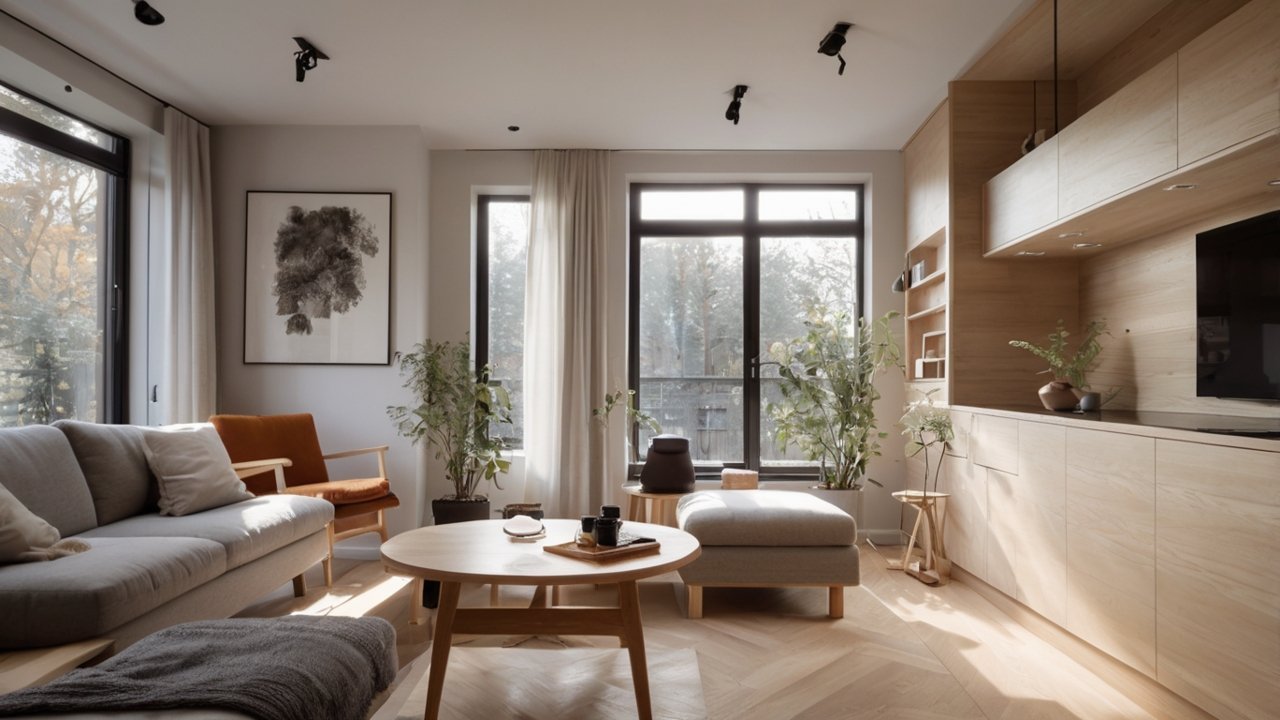
Popular Types of Small House Plans
One of the best things about Small House Plans is the variety of styles available. Whether you’re building a full-time residence, a vacation retreat, or a backyard guest house, there’s a design that can fit your lifestyle, budget, and available land.
Many beginners assume all small homes look alike. In reality, modern architects and DIY builders have developed countless ways to create functional, attractive homes within a compact footprint.
The key is understanding the strengths and limitations of each style before choosing a plan.
If you’re still evaluating your options, comparing different DIY tiny home guide resources can help you identify which features matter most for your project.
Single-Story Small House Plans
For many homeowners, single-story layouts offer the perfect balance of simplicity and convenience.
These homes eliminate stairs, making them easier to navigate for children, older adults, and anyone planning to age in place.
Why Single-Story Small House Plans Remain Popular
A well-designed one-level home often feels larger than its actual square footage.
Benefits include:
-
Easier construction
-
Simplified maintenance
-
Better accessibility
-
Efficient room-to-room flow
-
Lower long-term mobility concerns
Many affordable house plans use this approach because it reduces structural complexity while maximizing usable living space.
From a builder’s perspective, single-story homes are often easier to frame, roof, and finish compared to multi-level structures.
Common Features Found in Single-Story Small House Plans
Most successful designs include:
-
Open living and dining areas
-
Centralized plumbing layouts
-
Large windows for natural light
-
Covered porches
-
Built-in storage solutions
These features help create a spacious feel without increasing the home’s footprint.
For DIY builders planning future custom furniture, understanding Types of Wood for Furniture can help ensure durable built-ins that complement a compact floor plan.
Cottage-Style Small House Plans
Cottage homes continue to be one of the most sought-after small house styles.
Their charm comes from simple architecture, cozy interiors, and a welcoming appearance that works in both rural and suburban settings.
What Makes Cottage Small House Plans Unique?
Unlike highly modern layouts, cottage-style homes focus on warmth and character.
Typical features include:
-
Steep rooflines
-
Covered front porches
-
Dormer windows
-
Natural materials
-
Cozy interior layouts
These homes often feel larger emotionally than their dimensions suggest because they emphasize comfort and livability.
Cottage Plans Work Well for DIY Projects
Many woodworking enthusiasts enjoy cottage homes because they provide opportunities for handcrafted features such as:
-
Built-in bookshelves
-
Window seats
-
Farmhouse tables
-
Custom cabinetry
-
Decorative trim work
If you enjoy creating personalized interior details, you may find inspiration in these DIY Wooden Furniture Projects that pair beautifully with cottage-style homes.
Modern Small House Plans
Modern architecture has transformed the way people think about compact living.
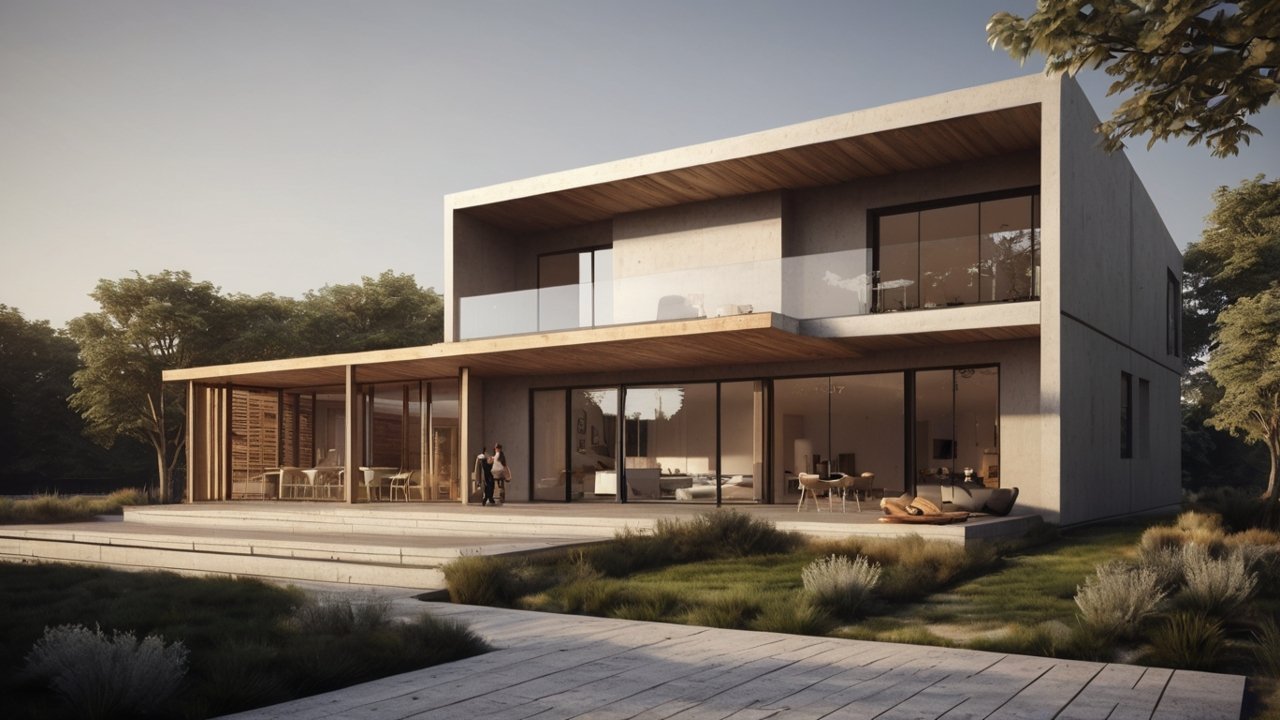
Today’s Modern Small House Plans focus on clean lines, energy efficiency, and smart use of space.
Why Modern Small House Plans Feel Larger
One reason modern compact homes are so popular is their ability to create openness.
Design elements often include:
-
Large windows
-
Open floor plans
-
Minimal interior walls
-
High ceilings
-
Simple geometric shapes
These features allow natural light to move freely throughout the home, creating a brighter and more spacious atmosphere.
In my experience, good lighting can completely change how a small space feels. A thoughtfully placed window often adds more value than an extra few square feet.
Energy Efficiency Is Often Built Into Modern Designs
Many contemporary plans prioritize sustainability and lower operating costs.
Common features include:
-
Energy-efficient windows
-
Better insulation
-
Solar-ready roof designs
-
Compact HVAC systems
-
Reduced material waste
These practical improvements can contribute to long-term savings while making the home more comfortable year-round.
For accurate site planning and layout measurements, some DIY builders use a Laser Measure 50M to simplify foundation and room layout work.
Tiny House Small House Plans
Tiny houses have become one of the fastest-growing segments of the compact housing movement.
Although not every small home qualifies as a tiny house, many design principles overlap.
How Tiny House Small House Plans Differ
Most tiny homes prioritize extreme efficiency.
They typically feature:
-
Loft sleeping areas
-
Multi-purpose furniture
-
Hidden storage
-
Compact kitchens
-
Minimal wasted space
Every design decision serves a purpose.
This mindset often inspires homeowners building larger small homes to rethink how much space they truly need.
Common Challenges of Tiny House Living
Tiny homes offer many benefits, but they also require careful planning.
Common beginner mistakes include:
-
Underestimating storage needs
-
Choosing oversized furniture
-
Ignoring local building regulations
-
Overcomplicating interior layouts
Before committing to a tiny house project, it’s worth reviewing local zoning requirements and building codes to ensure compliance.
Resources such as Fine Woodworking and Popular Woodworking also offer valuable ideas for maximizing storage and creating custom furniture suited to compact spaces.
Choosing the Right Type of Small House Plan
The best Small House Plans aren’t necessarily the smallest or most stylish. They’re the ones that support your daily routine, future goals, and available budget.
Ask yourself:
-
How many people will live in the home?
-
Do you need a home office?
-
Will you age in place?
-
How much storage is required?
-
What maintenance level are you comfortable with?
Answering these questions can quickly narrow your options and prevent costly changes later.
Whether you’re drawn to a cozy cottage, a sleek modern home, a practical single-story layout, or a compact tiny house, selecting the right design from the start will make every future building decision easier.
Key Features to Look for in Small House Plans
After comparing different styles, the next step is understanding which design features truly make Small House Plans comfortable and practical.
A beautiful floor plan may look impressive online, but the real test is how well it supports everyday living. The most successful small homes don’t rely on extra square footage—they rely on smart design choices that maximize comfort, storage, and functionality.
Over the years, I’ve noticed that homeowners are usually happiest with homes that feel efficient rather than oversized. Thoughtful layouts, built-in storage, and natural light often provide more value than simply adding more rooms.
If you’re planning a DIY build, taking time to identify these key features before construction begins can save significant time, money, and frustration later.
Open-Concept Living Areas in Small House Plans
One feature found in many modern Small House Plans is the open-concept layout.
Instead of dividing the home into multiple small rooms, open designs combine living, dining, and kitchen spaces into one connected area.
Why Open-Concept Small House Plans Feel Larger
Removing unnecessary walls creates better visual flow throughout the home.
Benefits often include:
-
Improved natural light distribution
-
Better traffic flow
-
Increased flexibility for furniture placement
-
Easier family interaction
-
A more spacious feeling
Even in homes under 1,000 square feet, an open layout can dramatically improve livability.
In my experience, one well-designed open room often feels more comfortable than several cramped rooms separated by walls.
Common Open-Concept Design Mistakes
While open layouts work well, beginners sometimes make a few avoidable mistakes.
These include:
-
Oversized furniture
-
Poor traffic patterns
-
Lack of designated storage
-
Insufficient lighting zones
Before finalizing a plan, consider how people will move through the space on a daily basis.
Some DIY homeowners create furniture layouts first, then design the room around those practical needs.
For more ideas on building functional spaces, explore these Woodworking Projects for Beginners that can enhance compact living areas.
Smart Storage Solutions in Small House Plans
Storage is often the most overlooked aspect of small home design.
Without adequate storage, even the most attractive floor plan can quickly feel crowded.
Built-In Storage Improves Small House Plans
One lesson I’ve learned from woodworking is that custom storage nearly always outperforms generic furniture.
Well-designed storage solutions can include:
-
Built-in shelving
-
Window-seat storage
-
Under-stair cabinets
-
Bench seating with hidden compartments
-
Floor-to-ceiling closets
These features help maximize usable space without increasing the home’s footprint.
Many successful compact house designs incorporate storage directly into the structure rather than relying solely on freestanding furniture.
Furniture That Works Harder
Modern small homes often depend on furniture that serves multiple purposes.
Examples include:
-
Storage ottomans
-
Murphy beds
-
Expandable dining tables
-
Fold-down desks
-
Modular seating systems
For dining areas that need flexibility, some homeowners use an Extendable Drop Leaf Folding Dining Table because it can provide additional seating when needed while conserving space the rest of the time.
The goal isn’t to fill every corner. It’s to make every piece of furniture contribute to the home’s overall functionality.
Natural Light and Ventilation in Small House Plans
Natural light is one of the most effective ways to make a small home feel larger.
A bright room often feels more inviting, open, and comfortable than a larger room with poor lighting.
Window Placement Matters More Than Many People Realize
When evaluating Small House Plans, pay close attention to window locations.
Strategically placed windows can:
-
Increase daylight
-
Improve airflow
-
Enhance outdoor views
-
Reduce reliance on artificial lighting
Good window placement also creates visual connections between indoor and outdoor spaces, making rooms feel less confined.
Ventilation Supports Comfort and Longevity
Proper airflow is important for both comfort and building performance.
Homes with poor ventilation may experience:
-
Excess moisture
-
Indoor air quality issues
-
Condensation problems
-
Increased maintenance needs
Builders should always follow local building codes and accepted safety practices. Organizations such as OSHA provide valuable guidance on construction safety and healthy indoor environments.
Flexible Spaces Add Long-Term Value
One of the smartest features found in modern Small House Plans is flexibility.
Life changes, and homes should be able to adapt.
Multi-Purpose Rooms Make Small House Plans More Functional
A room designed for one purpose today may need to serve a different purpose tomorrow.
Flexible spaces can function as:
-
Guest bedrooms
-
Home offices
-
Craft rooms
-
Study areas
-
Exercise spaces
This adaptability helps homeowners avoid costly renovations in the future.
Planning for Future Storage Needs
Many homeowners underestimate how much storage they’ll need five or ten years from now.
When reviewing floor plans, look for opportunities to add:
-
Attic storage
-
Garage storage
-
Built-in cabinetry
-
Closet expansions
Thinking ahead during the design phase is much easier than retrofitting storage later.
For inspiration, many DIY builders borrow ideas from these Small Shed Storage Ideas and adapt them for indoor use.
Energy Efficiency Features Worth Considering
Although layout receives most of the attention, energy efficiency is another important feature in modern small homes.
A well-designed house can often reduce ongoing operating costs while improving comfort.
Practical Efficiency Features
Look for plans that support:
-
High-performance insulation
-
Energy-efficient windows
-
Proper roof ventilation
-
Compact HVAC systems
-
Passive solar opportunities
These improvements don’t necessarily make a home larger, but they can make it more comfortable throughout the year.
Small House Plans Benefit From Simplicity
One consistent pattern I’ve seen in successful projects is that simpler designs usually perform better.
Simple rooflines, straightforward floor plans, and efficient mechanical systems often result in:
-
Lower construction costs
-
Easier maintenance
-
Faster building schedules
-
Fewer long-term complications
The best Small House Plans aren’t packed with unnecessary features. Instead, they focus on creating practical, comfortable living spaces that work efficiently every day while remaining flexible enough to meet future needs.
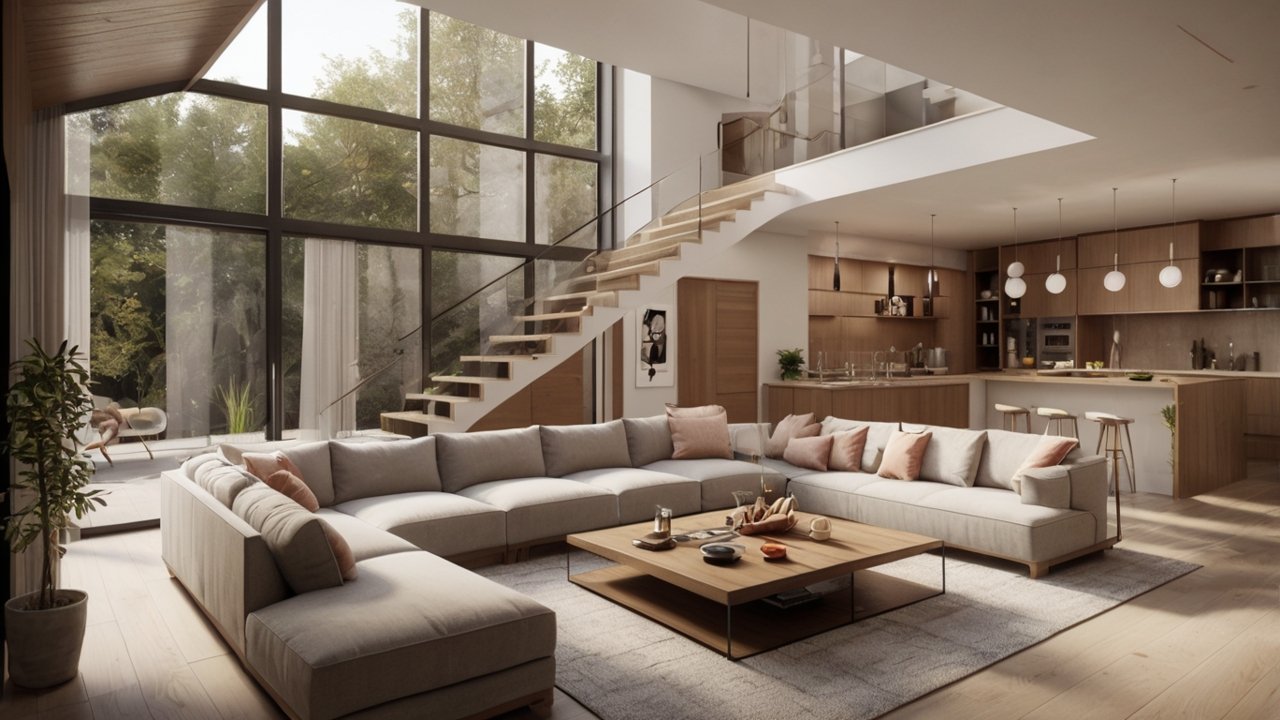
How to Choose the Right Small House Plan
Choosing from hundreds of available Small House Plans can feel overwhelming at first. Every plan seems to offer attractive features, clever layouts, and appealing designs.
The challenge isn’t finding a good plan—it’s finding the right plan for your lifestyle, budget, and future needs.
Over the years, I’ve learned that many homeowners focus heavily on appearance while overlooking practical factors that affect daily living. A floor plan that looks perfect online may not work well on your property or support your family’s routines.
Before committing to any design, take time to evaluate how the home will function both now and years from now.
If you’re still exploring compact living concepts, our guide to tiny home design ideas can provide additional ideas for efficient space planning.
Consider Your Lifestyle Before Choosing Small House Plans
A house should support the way you live, not force you to change your lifestyle.
The most successful Small House Plans are designed around real-world needs rather than trends.
Match Small House Plans to Daily Activities
Start by thinking about how you spend your time at home.
Ask yourself:
-
Do you work remotely?
-
Do you entertain guests regularly?
-
Do you need a hobby or workshop space?
-
Will children share bedrooms?
-
Do you need extra storage?
Your answers will quickly narrow down suitable floor plans.
For example, someone working from home may benefit more from a flexible office space than an oversized master bedroom.
Think Beyond Current Needs
Many first-time builders focus only on their immediate situation.
However, homes often remain in use for decades.
Consider future possibilities such as:
-
Growing families
-
Aging parents
-
Remote work opportunities
-
Additional storage needs
-
Accessibility concerns
Planning ahead can help avoid expensive renovations later.
Evaluate Your Building Site Carefully
Even the best Small House Plans can create problems if they don’t fit the property.
Before selecting a design, take time to understand your lot’s limitations and opportunities.
Lot Size Influences Small House Plans
Your property’s dimensions affect:
-
Building footprint
-
Setback requirements
-
Parking options
-
Outdoor living space
-
Utility placement
A plan that works perfectly on a large rural lot may not fit an urban or suburban property.
Always verify local zoning requirements before purchasing construction plans.
Site Conditions Matter More Than Many Beginners Expect
Beyond lot dimensions, pay attention to:
-
Slope and grading
-
Soil conditions
-
Drainage patterns
-
Sun exposure
-
Existing trees
These factors can significantly affect construction costs and layout decisions.
For homeowners planning outdoor storage, workshop space, or future backyard projects, reviewing Shed Size Guide considerations can help ensure your property remains functional long term.
Budget Realistically When Comparing Small House Plans
One of the most common mistakes beginners make is focusing solely on the cost of the house plan itself.
The plan is only one part of the overall project budget.
Construction Costs Vary Between Small House Plans
Two homes with similar square footage can have very different construction costs.
Factors that influence cost include:
-
Roof complexity
-
Foundation type
-
Window quantity
-
Ceiling heights
-
Structural requirements
Simple designs are often more affordable to build and maintain.
In my experience, homeowners are usually happier when they choose a practical design that stays within budget rather than stretching finances for unnecessary features.
Leave Room for Unexpected Expenses
Almost every building project encounters surprises.
It’s wise to reserve part of your budget for:
-
Permit fees
-
Site preparation
-
Utility connections
-
Material price changes
-
Minor design modifications
A financial cushion helps keep projects moving smoothly when unexpected costs arise.
For accurate site measurements during planning, some DIY builders use a Laser Measure 50M because it can simplify lot measurements, room layouts, and material estimates.
Storage Needs Should Influence Small House Plans
Storage often determines whether a small home feels organized or overcrowded.
Unfortunately, many people underestimate how much storage they’ll need.
Plan Storage Before Construction Begins
The most effective storage solutions are usually integrated into the design itself.
Examples include:
-
Built-in closets
-
Mudrooms
-
Pantry storage
-
Under-stair cabinets
-
Garage shelving
Adding storage during construction is often easier and less expensive than retrofitting it later.
Small House Plans Benefit From Custom Storage Solutions
As a woodworking enthusiast, I’ve seen firsthand how custom storage can transform a compact space.
Built-in solutions frequently outperform store-bought alternatives because they use otherwise wasted areas.
For homeowners interested in maximizing organization, these Wood Joinery Techniques can be useful when building custom shelving, cabinets, and storage furniture.
Consider Future Flexibility
A good home should adapt as your needs change.
The best Small House Plans provide flexibility without requiring major renovations.
Flexible Rooms Add Long-Term Value
Look for layouts that allow rooms to serve multiple purposes.
A single room may eventually become:
-
A guest bedroom
-
A home office
-
A hobby room
-
A study space
-
A nursery
This adaptability helps small homes remain useful over time.
Avoid Overly Specialized Spaces
Rooms designed for only one purpose can limit future options.
Instead, prioritize flexible layouts that allow furniture and storage configurations to evolve as circumstances change.
Many successful small home layouts focus on open spaces that can be easily reconfigured when needed.
Compare Multiple Small House Plans Before Deciding
One of the best pieces of advice I can give is simple: don’t choose the first plan you like.
Spend time comparing several options.
Create a Small House Plans Checklist
When evaluating designs, compare:
-
Storage capacity
-
Room sizes
-
Traffic flow
-
Natural lighting
-
Future flexibility
-
Construction complexity
Seeing plans side by side often reveals strengths and weaknesses that aren’t immediately obvious.
Practical Choices Usually Win
The most successful homeowners I’ve met rarely choose the most elaborate design.
Instead, they select Small House Plans that balance comfort, affordability, efficiency, and future adaptability.
By focusing on how a home will function in everyday life rather than how it looks on paper, you’ll be much more likely to choose a plan that remains comfortable and practical for years to come.
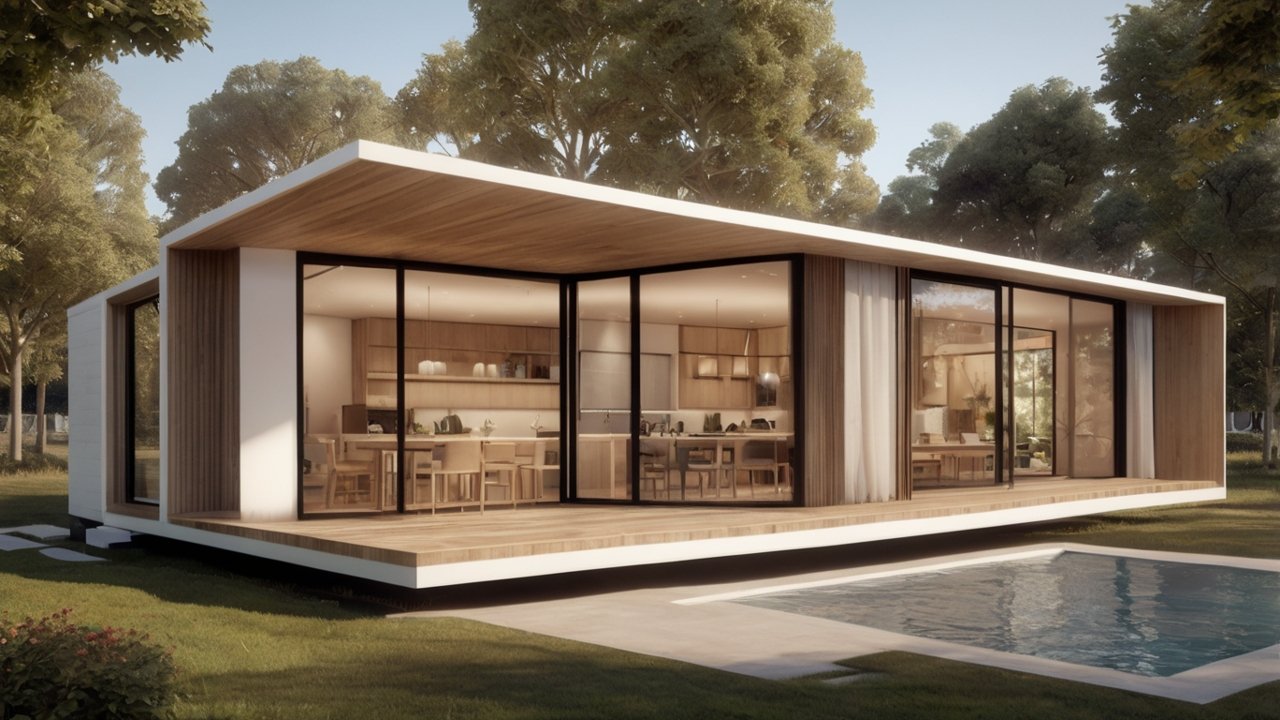
Common Mistakes to Avoid When Choosing Small House Plans
Even the most carefully researched Small House Plans can lead to disappointment if common design mistakes are overlooked during the planning stage.
Many homeowners focus heavily on square footage, exterior appearance, or trendy design features while missing practical details that affect daily living.
The good news is that most of these mistakes can be avoided before construction begins.
Over the years, I’ve seen DIY builders save thousands of dollars simply by identifying potential issues on paper instead of correcting them after the house is built.
A little extra planning now can prevent major frustrations later.
Ignoring Storage Requirements in Small House Plans
Storage is one of the most underestimated aspects of small home design.
When people first review Small House Plans, they often pay attention to kitchens, bedrooms, and bathrooms while overlooking where everyday items will actually be stored.
Why Storage Problems Develop So Quickly
A home may feel spacious on move-in day.
A year later, it may feel crowded.
That’s because everyday belongings accumulate faster than most people expect.
Common storage needs include:
-
Seasonal decorations
-
Cleaning supplies
-
Sports equipment
-
Hobby materials
-
Tools
-
Extra bedding
Without dedicated storage space, these items often end up cluttering living areas.
Plan Storage Into Small House Plans From the Beginning
The best storage solutions are usually built directly into the design.
Look for opportunities to include:
-
Walk-in pantries
-
Linen closets
-
Built-in shelving
-
Garage storage
-
Under-stair storage
-
Attic access
As someone who enjoys woodworking projects, I’ve learned that custom storage often delivers more value than additional floor space.
For ideas that maximize organization, these Small Shed Storage Ideas offer practical concepts that can easily be adapted inside a home.
Overcomplicating the Layout
Another common mistake is choosing a floor plan that tries to do too much.
Many beginners assume more rooms automatically create a better home.
In reality, overly complex layouts often reduce functionality.
Simple Small House Plans Often Perform Better
The most comfortable homes usually have straightforward traffic flow and clearly defined living spaces.
Benefits of simpler layouts include:
-
Easier construction
-
Lower building costs
-
Better furniture placement
-
Improved natural lighting
-
Reduced maintenance
A compact home should feel efficient, not confusing.
In my experience, a well-designed open layout often feels significantly larger than a floor plan filled with small rooms and narrow hallways.
Avoid Wasted Space
Certain design elements can consume valuable square footage without providing much benefit.
Examples include:
-
Long hallways
-
Oversized entryways
-
Unused corners
-
Excessive wall partitions
Every square foot should contribute to daily living.
If a space serves no practical purpose, it’s worth reconsidering.
Choosing Style Over Function
It’s easy to become attached to attractive exterior renderings and social media inspiration photos.
However, appearance alone doesn’t guarantee a successful home.
Small House Plans Should Support Your Lifestyle
One homeowner may prioritize entertaining guests.
Another may need a home office.
Someone else may require additional storage or workshop space.
The best Small House Plans are tailored to the people living in them.
Before selecting a design, ask:
-
How will the space be used daily?
-
Are room sizes realistic?
-
Does the layout fit your routine?
-
Will the design still work five years from now?
Function should always guide design decisions.
Trendy Features Can Age Quickly
Design trends come and go.
Practical layouts tend to remain useful much longer.
Instead of focusing solely on fashionable features, prioritize:
-
Flexible spaces
-
Durable materials
-
Efficient storage
-
Comfortable room flow
These qualities generally provide long-term value regardless of changing design trends.
Underestimating Future Needs
One of the most expensive mistakes homeowners make is designing only for today’s circumstances.
Life changes quickly.
Families grow, work situations evolve, and hobbies develop over time.
Flexible Small House Plans Adapt More Easily
Rooms that serve multiple purposes offer tremendous value.
A flexible room might function as:
-
A guest bedroom
-
A home office
-
A craft room
-
A study area
-
A future nursery
Versatile spaces help homeowners avoid major remodeling projects later.
Think Beyond Move-In Day
When reviewing plans, consider:
-
Future storage requirements
-
Aging-in-place needs
-
Work-from-home opportunities
-
Family growth
-
Accessibility concerns
Planning ahead rarely adds significant cost during design but can save substantial money later.
For readers considering long-term DIY projects around the property, Build a Small Shed offers useful ideas for future storage expansion.
Neglecting Natural Light and Ventilation
A surprisingly common mistake involves poor window placement and inadequate airflow.
Many homeowners focus on room dimensions while overlooking environmental comfort.
Poor Lighting Can Make Small Homes Feel Smaller
Natural light helps create:
-
Better visibility
-
Improved comfort
-
Greater visual openness
-
Stronger indoor-outdoor connections
Even modest-sized rooms can feel significantly larger when properly illuminated.
Ventilation Is Just as Important
Proper airflow helps maintain:
-
Indoor comfort
-
Moisture control
-
Air quality
-
Building longevity
Builders should always follow local building codes and accepted safety practices. OSHA guidelines provide useful information regarding healthy indoor environments and construction safety considerations.
Failing to Measure Accurately
Many planning mistakes begin with inaccurate measurements.
This can affect everything from furniture placement to room functionality.
Verify Measurements Before Finalizing Small House Plans
Always measure:
-
Building sites
-
Furniture dimensions
-
Appliance clearances
-
Door swing areas
-
Walkways and traffic paths
Accurate measurements help prevent expensive surprises during construction.
Some DIY builders use a Laser Measure 50M because it can simplify room planning, lot measurements, and layout verification.
Small Errors Can Create Big Problems
In a compact home, every inch matters.
A poorly placed doorway, oversized island, or undersized closet can affect how the entire space functions.
That’s why reviewing measurements multiple times before construction begins is one of the smartest habits a builder can develop.
The Best Small House Plans Avoid Unnecessary Complications
The most successful Small House Plans aren’t necessarily the largest, most expensive, or most visually impressive.
They’re the ones that eliminate common design mistakes while supporting comfortable everyday living.
By prioritizing storage, simplicity, flexibility, natural light, and accurate planning, homeowners can create a compact home that feels efficient, comfortable, and enjoyable for many years to come.
Tips for Maximizing Space in a Small Home
One of the biggest advantages of well-designed Small House Plans is that they encourage smarter use of space. When every square foot matters, thoughtful design choices can make a compact home feel surprisingly spacious and comfortable.
Many homeowners assume they need more square footage when the real issue is often inefficient organization. Over the years, I’ve worked on countless woodworking and DIY storage projects, and I’ve consistently found that better space planning usually delivers more value than simply adding more room.
The goal isn’t to cram more items into the house. It’s to create a home that feels open, functional, and easy to live in.
Whether you’re building a new home or improving an existing one, these practical strategies can help maximize every inch of your space.
Multi-Purpose Furniture Enhances Small House Plans
Furniture plays a major role in how efficiently a home functions.
In smaller homes, every piece should ideally serve more than one purpose whenever possible.
Multi-Purpose Furniture Makes Small House Plans More Flexible
Traditional furniture often consumes valuable floor space while serving only one function.
Multi-purpose furniture can provide:
-
Additional storage
-
Extra sleeping space
-
Flexible dining options
-
Temporary workstations
-
Hidden organization solutions
This flexibility is especially useful in open-concept homes where rooms often serve multiple purposes.
For example, a dining room may also function as a home office or homework area during the day.
Practical Furniture Ideas for Small Homes
Some of the most effective space-saving options include:
-
Storage benches
-
Lift-top coffee tables
-
Sofa beds
-
Fold-down desks
-
Expandable dining tables
For homeowners with limited dining space, some DIY builders use an Extendable Drop Leaf Folding Dining Table because it can expand when guests visit while remaining compact for everyday use.
The key is choosing furniture that supports your lifestyle without overwhelming the room.
Vertical Storage Solutions Maximize Small House Plans
One of the most common mistakes homeowners make is focusing only on floor space.
Walls offer tremendous storage potential that often goes unused.
Use Vertical Space Throughout Small House Plans
When floor space is limited, building upward becomes essential.
Vertical storage solutions may include:
-
Floor-to-ceiling shelving
-
Tall cabinets
-
Wall-mounted organizers
-
Hanging storage systems
-
Over-door storage racks
These solutions help keep frequently used items accessible while reducing clutter.
As a woodworking enthusiast, I’ve built custom shelving units that doubled storage capacity without sacrificing usable floor space.
Built-In Storage Creates a Cleaner Look
Built-in storage often feels less intrusive than freestanding furniture.
Popular built-in solutions include:
-
Window seat storage
-
Mudroom lockers
-
Under-stair shelving
-
Custom closets
-
Wall niches
If you’re interested in creating custom storage solutions, understanding Wood Joinery Techniques can help improve the strength and appearance of your projects.
Outdoor Living Areas Extend Usable Space
A small home doesn’t have to feel confined.
Outdoor spaces can function as natural extensions of indoor living areas.
Covered Outdoor Areas Add Valuable Living Space
Features such as:
-
Covered patios
-
Decks
-
Screened porches
-
Outdoor kitchens
-
Seating areas
can significantly increase usable living space without increasing the home’s footprint.
Many successful Small House Plans intentionally connect indoor and outdoor spaces through large windows and patio doors.
This creates a stronger sense of openness and makes the home feel larger overall.
Backyard Storage Reduces Indoor Clutter
Not everything needs to be stored inside the house.
Outdoor storage solutions can help free up valuable indoor space.
Examples include:
-
Garden sheds
-
Storage benches
-
Tool cabinets
-
Outdoor closets
For homeowners planning additional storage, Storage Shed Plans can provide practical options that complement a small property.
Reduce Clutter Through Intentional Organization
Even the best Small House Plans can feel crowded if organization is neglected.
Clutter consumes both physical and visual space.
Give Every Item a Dedicated Home
One of the simplest organization strategies is assigning a specific storage location to every item.
This helps:
-
Reduce clutter accumulation
-
Improve efficiency
-
Simplify cleaning
-
Make storage easier to maintain
When everything has a designated place, small spaces naturally feel larger and more organized.
Avoid Filling Every Empty Space
A common beginner mistake is trying to utilize every available inch.
While storage is important, overcrowding can make rooms feel smaller.
Leave some open space for:
-
Visual balance
-
Easier movement
-
Better lighting
-
Greater comfort
A little breathing room often makes a significant difference.
Natural Light Makes Small House Plans Feel Larger
Natural light is one of the most powerful design tools available.
Unlike renovations or additions, it doesn’t require extra square footage.
Window Placement Influences Perceived Space
Well-positioned windows can:
-
Brighten interiors
-
Improve airflow
-
Create outdoor views
-
Increase visual depth
Many modern compact house designs use large windows to blur the boundary between indoor and outdoor environments.
The result is often a home that feels substantially larger than its actual size.
Mirrors Can Enhance Natural Light
Strategically placed mirrors reflect sunlight and help distribute brightness throughout a room.
This simple design technique can:
-
Improve perceived room size
-
Increase natural illumination
-
Enhance openness
Although mirrors don’t create actual square footage, they can make compact rooms feel far less confined.
Create Flexible Rooms That Adapt Over Time
One of the smartest strategies in modern Small House Plans is designing rooms that can evolve with changing needs.
Flexible Spaces Increase Long-Term Functionality
A room can often serve multiple purposes throughout its lifespan.
Examples include:
-
Guest room and office combinations
-
Hobby room and workout areas
-
Dining room and workspace hybrids
This flexibility allows homeowners to adapt without expensive renovations.
Plan for Future Needs
As families grow and lifestyles change, space requirements often shift as well.
When designing or selecting a floor plan, consider:
-
Future storage demands
-
Remote work opportunities
-
Aging-in-place needs
-
New hobbies or activities
The most successful small homes remain useful because they can adapt over time.
Smart Space Planning Delivers the Biggest Results
Many people assume maximizing space requires major renovations.
In reality, thoughtful planning usually provides the greatest impact.
By combining multi-purpose furniture, vertical storage, outdoor living areas, intentional organization, natural light, and flexible room design, homeowners can make Small House Plans feel significantly larger, more functional, and more comfortable without increasing square footage.
The best compact homes aren’t defined by how much space they have—they’re defined by how effectively they use it.
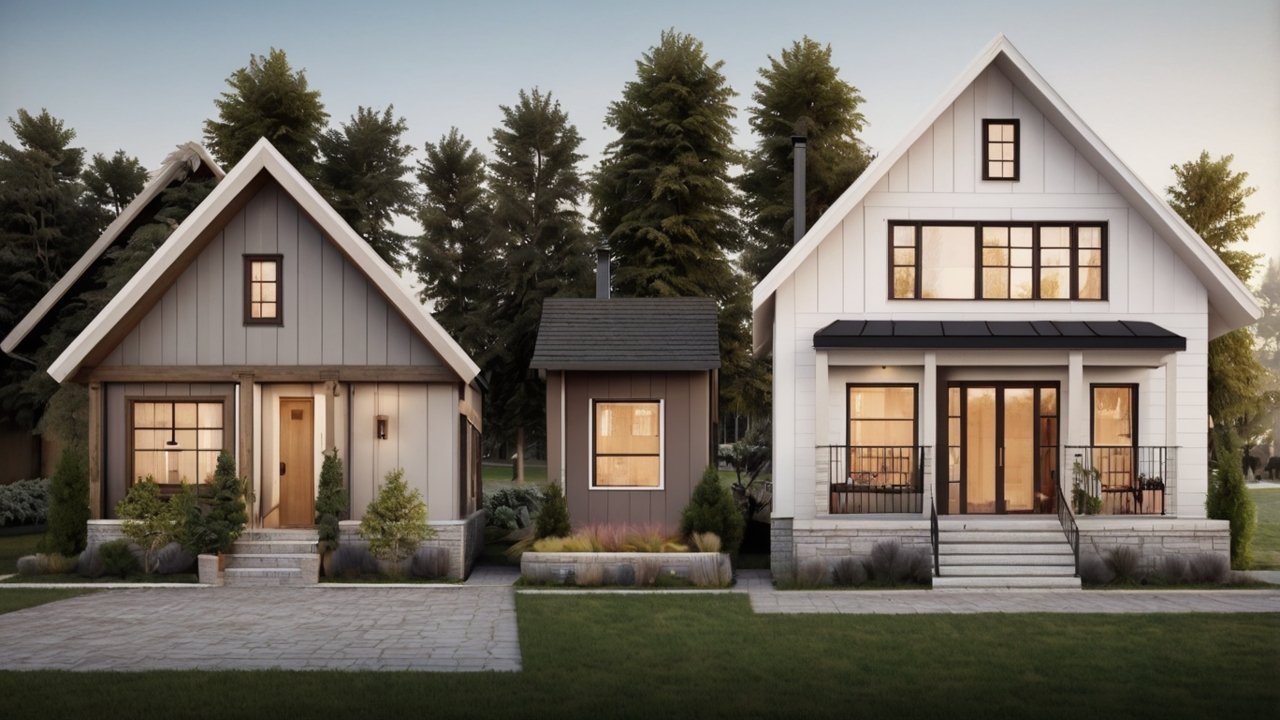
Conclusion
Choosing the right Small House Plans is about much more than finding a home with fewer square feet. The most successful small homes are carefully designed to maximize comfort, functionality, storage, and long-term flexibility.
Throughout this guide, we’ve explored the essential elements that make compact homes work. From selecting the right layout and avoiding common design mistakes to incorporating smart storage and maximizing natural light, every decision plays a role in how a home feels and performs over time.
One lesson I’ve learned from years of DIY building and woodworking projects is that thoughtful planning almost always beats additional space. A well-designed 900-square-foot home can often feel more comfortable and practical than a much larger house with an inefficient layout.
The best Small House Plans focus on quality rather than quantity. They eliminate wasted space, support daily routines, and provide flexibility as life changes.
Focus on Function Before Size
Many first-time builders become fixated on square footage numbers.
In reality, how a home functions is usually far more important than its overall size.
When evaluating house plans, prioritize:
-
Efficient room layouts
-
Practical storage solutions
-
Natural lighting
-
Good traffic flow
-
Flexible living spaces
These features contribute more to long-term satisfaction than simply adding extra rooms.
A compact home that supports your lifestyle will almost always feel larger than a bigger home with poor design choices.
Small House Plans Reward Smart Planning
One of the greatest advantages of building small is the opportunity to be intentional with every design decision.
Before construction begins, take time to evaluate:
-
Current lifestyle needs
-
Future family goals
-
Storage requirements
-
Property limitations
-
Budget expectations
Careful planning during this stage can prevent expensive changes later.
If you’re still comparing design options, reviewing DIY tiny home guide and other compact layouts can provide additional inspiration for maximizing space efficiently.
Next Steps Before Building
Once you’ve narrowed down your preferred Small House Plans, it’s time to move from inspiration to preparation.
Verify Local Requirements
Before purchasing materials or beginning construction, confirm:
-
Zoning regulations
-
Building codes
-
Permit requirements
-
Utility access
-
Setback restrictions
Every location has unique requirements, and addressing them early can help avoid costly delays.
Create a Detailed Building Plan
A successful project begins with accurate planning.
Consider preparing:
-
Site measurements
-
Budget estimates
-
Material lists
-
Construction schedules
-
Storage strategies
Many DIY builders find that detailed planning significantly reduces mistakes during construction.
For accurate lot measurements and layout planning, some homeowners use a Laser Measure 50M because it can simplify site preparation and room layout verification.
Continue Learning Before You Build
Building a home is a major project, even when working with smaller floor plans.
The more knowledge you gain before construction starts, the smoother the process typically becomes.
Helpful topics to explore include:
-
Space-saving storage solutions
-
Interior woodworking projects
-
Furniture planning
-
Energy efficiency
-
Foundation options
If you’re interested in creating custom storage and built-in features, these Woodworking Projects for Beginners can help develop useful skills before tackling larger home projects.
Small House Plans Can Deliver Big Results
A smaller home doesn’t mean sacrificing comfort or functionality.
With careful planning, smart storage, efficient layouts, and thoughtful design choices, Small House Plans can provide everything most homeowners need while remaining affordable, manageable, and enjoyable to live in.
Whether you’re building your first home, downsizing, creating a vacation retreat, or embracing a simpler lifestyle, the right plan can transform a compact footprint into a comfortable and highly functional living space.
The key is to focus on how you live, plan for the future, and make every square foot count.
Frequently Asked Questions About Small House Plans
What size is considered a small house?
Most Small House Plans typically range between 500 and 1,500 square feet. However, the exact definition varies depending on location, household size, and personal preferences. The emphasis is usually on efficient design rather than strict square footage limits.
Are Small House Plans cheaper to build?
In many cases, yes. Smaller homes generally require fewer materials, less labor, and lower maintenance costs than larger homes. However, overall costs still depend on factors such as design complexity, finishes, local labor rates, and site conditions.
What is the best layout for Small House Plans?
Open-concept layouts are often considered one of the most effective approaches. Combining living, dining, and kitchen spaces can create a larger feel while improving functionality and natural light distribution.
How can I increase storage in a small home?
Built-in storage is usually the most effective solution. Features such as under-stair cabinets, window-seat storage, floor-to-ceiling shelving, and custom closets can significantly increase storage capacity without expanding the home’s footprint.
For additional organization ideas, these Storage Shed Plans offer practical concepts that can often be adapted for indoor storage.
Are Small House Plans suitable for families?
Absolutely. Many modern small home layouts are designed specifically for families. The key is selecting a floor plan that provides adequate storage, flexible living areas, and room configurations that support daily routines.
Can Small House Plans include a home office?
Yes. Many contemporary designs incorporate flexible rooms that can function as home offices, guest rooms, study spaces, or hobby areas. Multi-purpose rooms are one of the most valuable features in compact homes.
What are the biggest mistakes people make with Small House Plans?
Common mistakes include:
-
Underestimating storage needs
-
Choosing oversized furniture
-
Ignoring future lifestyle changes
-
Overcomplicating the floor plan
-
Neglecting natural light and ventilation
Avoiding these issues during the planning stage can significantly improve long-term satisfaction with the home.
How do I choose the right Small House Plan for my property?
Start by evaluating:
-
Lot dimensions
-
Local zoning requirements
-
Budget limitations
-
Lifestyle needs
-
Future goals
The best Small House Plans balance functionality, affordability, and flexibility while fitting comfortably within the constraints of your property.
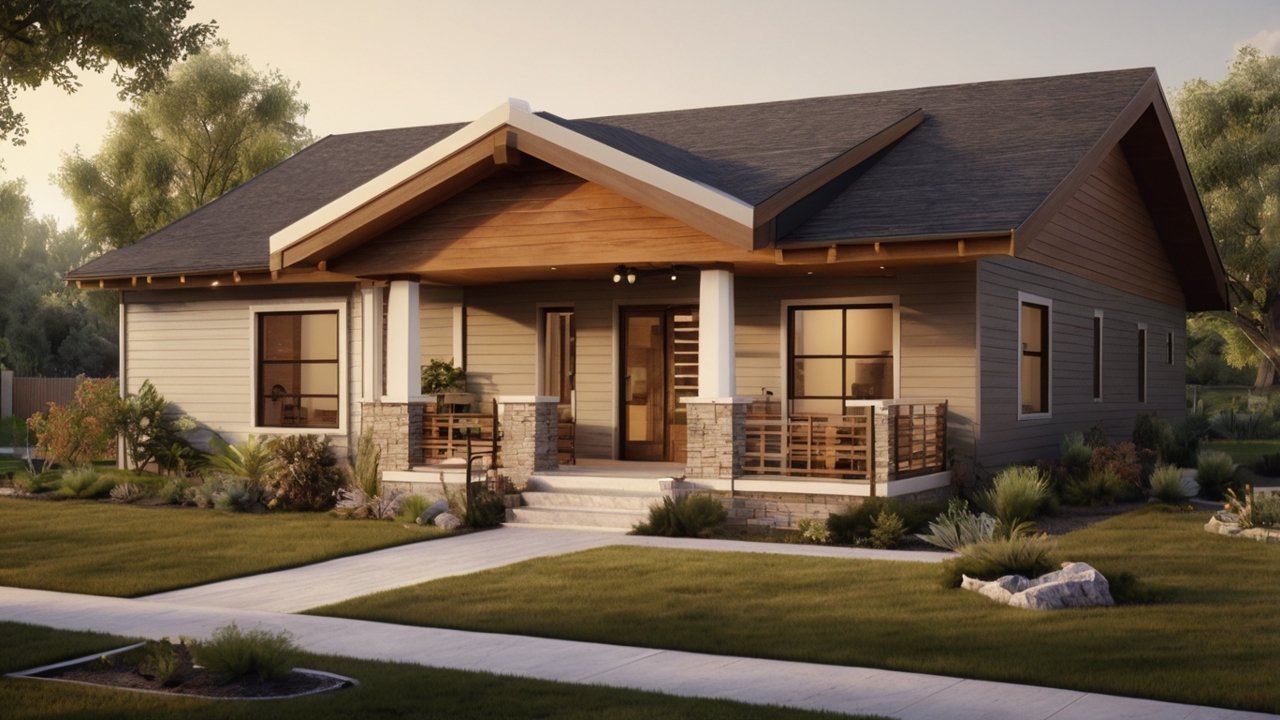
Frequently Asked Questions About Small House Plans
When researching Small House Plans, many homeowners discover that the same practical questions come up repeatedly. Whether you’re building your first home, downsizing, or exploring compact living, understanding these common concerns can help you make more informed decisions.
What Size Is Considered a Small House?
A small house is generally considered to be between 500 and 1,500 square feet.
However, there is no universal definition. What feels small in one area may be considered average in another. The key characteristic of Small House Plans is efficient use of space rather than a specific square footage number.
Many modern designs focus on eliminating wasted space while maintaining comfort and functionality.
Are Small House Plans More Affordable to Build?
In many cases, yes.
Smaller homes often require:
-
Less building material
-
Smaller foundations
-
Reduced roofing materials
-
Lower heating and cooling costs
-
Less ongoing maintenance
However, total construction costs depend on factors such as:
-
Location
-
Labor rates
-
Material choices
-
Design complexity
-
Site preparation requirements
A simple 1,000-square-foot home may cost less than a highly customized 700-square-foot design with premium finishes.
What Is the Best Layout for Small House Plans?
The best layout depends on how you live.
That said, many successful Small House Plans include:
-
Open-concept living areas
-
Centralized kitchens
-
Efficient traffic flow
-
Flexible rooms
-
Built-in storage
Open floor plans are particularly popular because they help small homes feel larger without increasing square footage.
Before choosing a layout, think about your daily routine and prioritize functionality over appearance.
How Much Storage Do Small Homes Need?
Usually more than people expect.
One of the most common mistakes homeowners make is underestimating storage requirements.
A practical storage strategy may include:
-
Bedroom closets
-
Pantry space
-
Built-in shelving
-
Garage storage
-
Attic storage
-
Under-bed storage
For homeowners looking to maximize hidden storage, some people use Under Bed Storage Bins to organize seasonal items without consuming valuable closet space.
Planning storage early is almost always easier than adding it later.
Can a Family Live Comfortably in a Small House?
Absolutely.
Many families successfully live in homes under 1,500 square feet.
The secret is choosing Small House Plans that prioritize:
-
Efficient layouts
-
Adequate storage
-
Multi-purpose spaces
-
Good traffic flow
Families often find that thoughtful design matters more than overall square footage.
In fact, many compact homes encourage better organization and more intentional use of space.
Do Small House Plans Work for Remote Workers?
Yes, especially when flexibility is built into the design.
Many modern floor plans include spaces that can serve multiple purposes, such as:
-
Home offices
-
Study rooms
-
Craft spaces
-
Guest bedrooms
A flexible room can easily transition between functions as needs change.
When reviewing floor plans, look for areas that can accommodate a desk, storage, and adequate lighting.
What Features Add the Most Value to Small House Plans?
Some of the most valuable features include:
-
Open-concept layouts
-
Built-in storage
-
Large windows
-
Covered outdoor spaces
-
Flexible rooms
-
Energy-efficient construction
These features improve both comfort and functionality while helping the home remain useful over time.
For homeowners interested in adding custom built-ins later, learning basic techniques from Wood Joints Explained can be helpful when creating shelving, cabinets, and storage furniture.
How Can I Make a Small Home Feel Bigger?
Several design strategies can help.
Popular approaches include:
-
Using lighter interior colors
-
Increasing natural light
-
Installing larger windows
-
Adding mirrors
-
Choosing multi-purpose furniture
-
Reducing visual clutter
Good organization is often one of the most effective ways to improve the feeling of spaciousness.
Many homeowners are surprised by how much larger a home feels once storage and furniture placement are optimized.
Are Small House Plans Energy Efficient?
Many are.
Because compact homes have less interior volume to heat and cool, they often require less energy than larger homes.
Energy-efficient features may include:
-
High-performance insulation
-
Energy-efficient windows
-
Proper ventilation
-
Compact HVAC systems
-
Passive solar design
These improvements can enhance comfort while reducing long-term operating costs.
How Do I Choose the Right Small House Plan?
Start by evaluating your:
-
Lifestyle needs
-
Family size
-
Budget
-
Property dimensions
-
Future goals
The best Small House Plans are not necessarily the smallest or most stylish. They’re the ones that support your daily life while providing flexibility for future changes.
Taking time to compare multiple layouts, evaluate storage options, and consider long-term needs will help ensure you choose a home that remains comfortable and functional for years to come.