Resin Shed vs Wood Shed: Which Is Better for Your Backyard?
Resin Shed vs Wood Shed is one of the most common comparisons homeowners make when planning outdoor storage. If you’re wondering which option offers the best value, durability, and long-term performance, you’re not alone. Choosing the right shed can make a big difference in how well you protect your tools, garden equipment, and seasonal items.
Both resin and wood sheds have their own strengths, but the best choice depends on your budget, maintenance preferences, local climate, and how you plan to use the space. While some people prefer the classic look and customization of a wood shed, others appreciate the low-maintenance convenience of a resin shed. Understanding these differences before you buy can help you avoid unnecessary costs and frustration later.
In this guide, we’ll compare the key features of both shed types, including durability, maintenance, appearance, cost, and overall value. By the end, you’ll have a clear understanding of which option is the better fit for your backyard and storage needs, making it easier to invest with confidence.
What Is a Resin Shed?
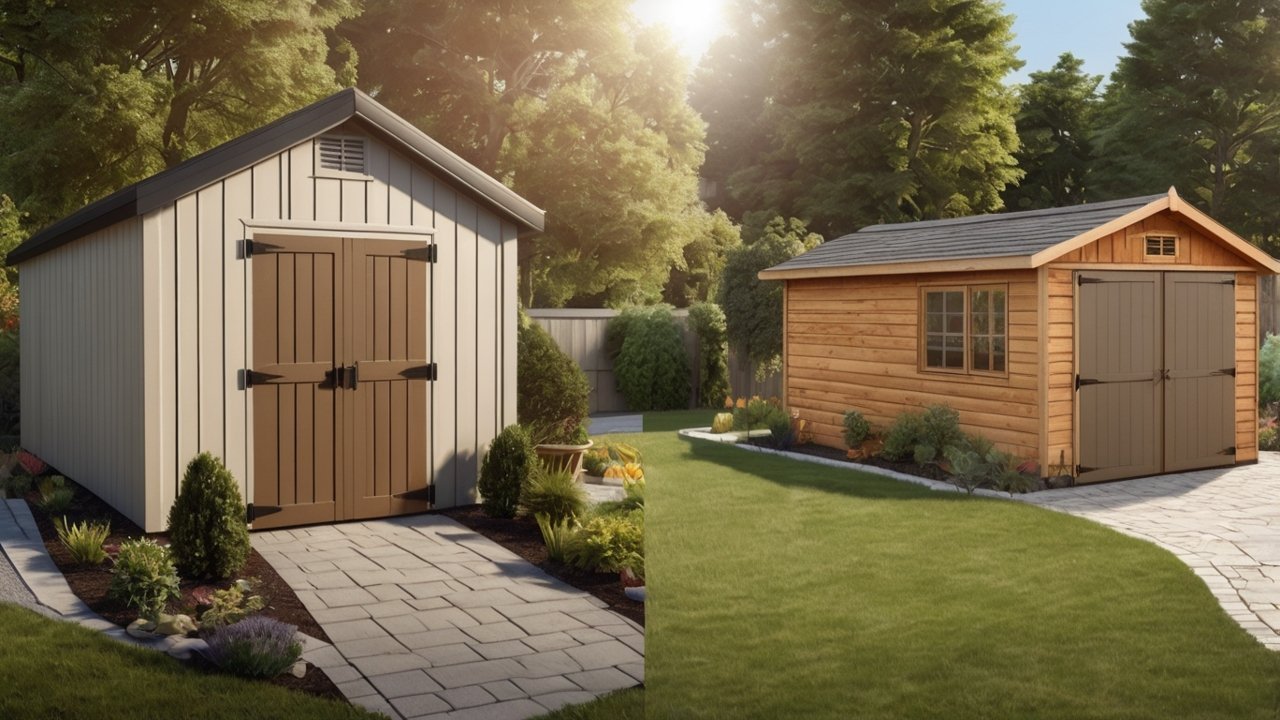
If you’re researching Resin Shed vs Wood Shed, it’s helpful to start by understanding what a resin shed actually is. Although it’s sometimes called a plastic shed, modern resin sheds are made from durable, high-density polyethylene (HDPE) or similar weather-resistant materials designed for long-term outdoor use.
Unlike traditional wooden sheds, resin sheds won’t rot, attract termites, or require regular painting. That’s one reason they’ve become a popular choice for homeowners who want practical outdoor storage with minimal upkeep.
Whether you’re storing lawn equipment, bicycles, or seasonal decorations, a resin shed can provide reliable protection without demanding much maintenance. For beginners especially, that simplicity can be a major advantage.
If you’re still deciding on the right shed size before comparing materials, our guide on Shed Size Guide: 7 Smart Tips to Choose the Perfect Fit may help you plan your space more effectively.
Resin Shed vs Wood Shed: Understanding Resin Construction
One of the biggest differences in the Resin Shed vs Wood Shed debate comes down to the materials themselves.
A quality resin shed is typically manufactured using molded resin panels reinforced with steel framing or internal supports. This combination provides a structure that’s lightweight enough for DIY assembly while remaining strong enough to withstand normal outdoor conditions.
Resin Shed vs Wood Shed: How Resin Sheds Are Made
Most resin sheds use engineered panels that feature:
-
UV-resistant outer surfaces
-
Rust-resistant hardware
-
Reinforced roof structures
-
Interlocking wall panels
-
Weather-resistant flooring (on many models)
These materials are designed to resist common outdoor problems that often affect untreated wood, such as:
-
Moisture damage
-
Insect infestation
-
Mold growth
-
Peeling paint
-
Surface cracking from repeated weather exposure
While no shed material is completely maintenance-free, resin generally requires much less attention over the years.
For homeowners installing a shed for the first time, choosing a stable base is just as important as choosing the shed itself. An uneven foundation can cause doors to stick, walls to shift, and water to collect beneath the floor.
Some DIY builders use a VEVOR Ground Grid to help create a stable gravel foundation, particularly on soft ground. It can simplify the preparation process depending on your site conditions.
Resin Shed vs Wood Shed: Common Features You’ll Find
Modern resin sheds have improved significantly compared to older plastic storage buildings.
Depending on the model, you may find features such as:
-
Lockable double doors
-
Built-in ventilation panels
-
Skylights or translucent roof panels
-
Reinforced floors
-
Window panels for natural light
-
Steel roof supports
-
Integrated shelving brackets
These features make resin sheds suitable for storing:
-
Gardening tools
-
Lawn mowers
-
Snow blowers
-
Outdoor cushions
-
Bicycles
-
Power tools
-
Seasonal decorations
However, if you’re planning to create a workshop with heavy benches or wall-mounted cabinets, wood sheds often provide greater flexibility for modifications.
Advantages of Choosing a Resin Shed
When comparing Resin Shed vs Wood Shed, resin stands out for homeowners who value convenience over customization.
One of the first things beginners notice is how little maintenance is required.
Unlike wood, resin doesn’t need:
-
Annual staining
-
Exterior painting
-
Wood preservatives
-
Termite treatments
-
Regular sealing
For busy homeowners, this alone can save many hours of maintenance over the life of the shed.
Another benefit is weather resistance.
Good-quality resin sheds handle rain and humidity well because the panels don’t absorb moisture like wood. That makes them a practical option in many climates, although proper installation and ventilation remain important.
Even with a weather-resistant shed, keeping moisture away from the foundation is essential. If you’re planning your build, our guide on Waterproof Shed DIY: 9 Steps to Stop Leaks and Rot covers practical ways to improve drainage and reduce moisture problems.
Resin Shed vs Wood Shed: Potential Drawbacks to Consider
Although resin sheds offer many advantages, they aren’t the perfect solution for every backyard.
One limitation is customization.
Unlike wood, resin panels can’t easily be cut, drilled, or modified without affecting the structure. If you enjoy woodworking or expect to build shelves, install insulation, or add custom windows later, a wooden shed usually offers more flexibility.
Appearance is another personal preference.
Many manufacturers now produce resin sheds with attractive wood-grain textures, but they still don’t perfectly replicate the warmth and character of real timber.
For DIY enthusiasts who enjoy carpentry projects, a wood shed often becomes part of the hobby itself.
If building from scratch appeals to you, you may also enjoy Build a Small Shed Step by Step: Easy Beginner Guide, which walks through the planning process before construction begins.
Finally, remember that installation matters regardless of the material you choose.
Following the manufacturer’s assembly instructions, wearing appropriate personal protective equipment, and using tools safely are all important. OSHA also recommends maintaining stable work surfaces and using ladders correctly when assembling outdoor structures.
Taking a little extra time during installation can help your shed perform better for years, whether you ultimately choose resin or wood.
What Is a Wood Shed?
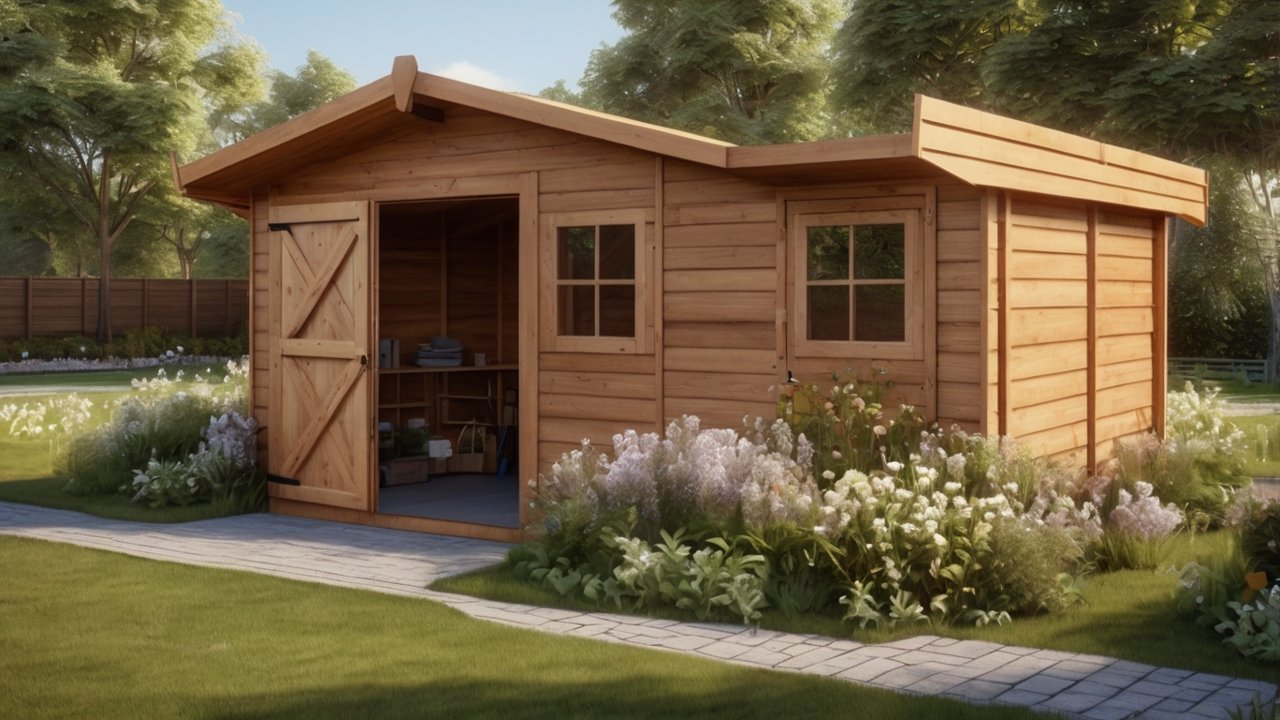
When comparing Resin Shed vs Wood Shed, it’s only fair to give wood sheds the attention they deserve. For decades, wood has been the traditional choice for backyard storage because it offers a classic appearance, excellent strength, and nearly unlimited customization.
A wood shed is typically built from pressure-treated lumber, cedar, pine, or engineered wood panels. Whether purchased as a kit or built from scratch, it can serve as everything from a simple storage space to a fully equipped DIY workshop.
If you enjoy woodworking projects or want a shed that can evolve with your needs over time, a wooden shed is often the more flexible option.
For readers interested in building rather than buying, our Garden Shed Plans: 7 Powerful Backyard Ideas guide explores several practical shed designs for different backyards.
Resin Shed vs Wood Shed: Understanding Wood Construction
One of the biggest strengths in the Resin Shed vs Wood Shed comparison is the structural versatility of wood.
Unlike molded resin panels, wooden sheds are assembled using framing lumber, plywood or engineered wall panels, roof sheathing, and exterior siding. This traditional construction method allows homeowners to modify almost every part of the shed later if their storage needs change.
Resin Shed vs Wood Shed: Common Types of Wood Sheds
Not all wood sheds are built the same. Some of the most common options include:
-
Pressure-treated wood sheds for improved resistance to moisture and insects
-
Cedar sheds, valued for their natural beauty and decay resistance
-
Pine sheds, which are affordable and easy to paint or stain
-
DIY shed kits, offering pre-cut materials with step-by-step instructions
Each material has advantages depending on your climate, budget, and maintenance preferences.
If you’re new to lumber selection, our guide on Types of Wood: Complete Guide for Every Project explains which wood species perform best for outdoor construction.
Resin Shed vs Wood Shed: Why DIY Builders Prefer Wood
Many woodworking enthusiasts naturally lean toward wooden sheds because they’re easier to customize.
You can often:
-
Install custom shelving
-
Add pegboards for tool storage
-
Frame interior walls
-
Install insulation
-
Run electrical wiring (where permitted by local building codes)
-
Add workbenches or cabinets
-
Paint or stain the exterior to match your home
This flexibility makes a wood shed much more than a storage building—it can become a workshop, hobby room, or gardening station.
If you enjoy weekend DIY projects, you may also like Outdoor Woodworking Projects: 10 Easy DIY Builds for ideas that pair well with a backyard workshop.
Advantages of Choosing a Wood Shed
For many homeowners, the appearance of real wood remains the biggest selling point.
Natural timber blends beautifully into most landscapes and can complement fences, decks, pergolas, and other outdoor structures.
Beyond aesthetics, wood also offers excellent structural strength.
A properly built wood shed can support:
-
Heavy wall-mounted cabinets
-
Overhead storage racks
-
Workbenches
-
Hanging garden tools
-
Electrical installations by qualified professionals
This makes wooden sheds especially attractive for hobbyists who expect their storage needs to grow over time.
Another advantage is repairability.
If a wooden wall panel becomes damaged, individual boards can often be replaced without replacing the entire structure. Resin panels, on the other hand, may require manufacturer-specific replacement parts.
For homeowners building their own shed from scratch, some DIY builders use My Shed Plans as an educational planning resource to compare layouts, framing techniques, and construction ideas before starting a project.
Resin Shed vs Wood Shed: Maintenance and Potential Drawbacks
Although wood offers tremendous flexibility, it also requires more ongoing care than resin.
Without proper maintenance, wood can be affected by:
-
Moisture damage
-
Rot
-
Mold
-
Wood-boring insects
-
UV fading
-
Surface cracking
To extend the life of a wooden shed, it’s generally recommended to:
-
Inspect the exterior each year
-
Repaint or restain as needed
-
Seal exposed wood surfaces
-
Keep gutters and rooflines clear
-
Maintain proper drainage around the foundation
Products such as exterior wood sealers and polyurethane finishes can help protect exposed wood. If you’d like to learn more about protective coatings, our guide on Polyurethane Wood Finish: Best Types and How to Apply Them explains when and how these finishes may be appropriate.
Finally, don’t overlook safety during construction or maintenance.
Whenever you’re cutting lumber, fastening roof panels, or using power tools, wear eye and hearing protection, secure your workpieces properly, and follow manufacturer instructions. Resources from organizations such as OSHA and publications like Fine Woodworking also provide valuable guidance on safe workshop practices and proper tool use.
For many DIY enthusiasts, the extra maintenance is a worthwhile trade-off for the beauty, strength, and customization that only a wooden shed can provide.
Resin Shed vs Wood Shed: Side-by-Side Comparison
By now, you have a good understanding of what resin and wood sheds offer individually. The next step in the Resin Shed vs Wood Shed comparison is looking at how they perform in real-world situations.
There’s no universal winner because every homeowner has different priorities. Some people want a storage solution they can install and largely forget about, while others enjoy customizing a shed into a workshop or garden retreat.
The best choice depends on factors such as your budget, local climate, maintenance preferences, and long-term plans for the space.
Resin Shed vs Wood Shed: Durability, Maintenance, and Weather Resistance
One of the biggest differences in the Resin Shed vs Wood Shed debate is how each material handles years of outdoor exposure.
Resin Shed vs Wood Shed: Which Lasts Longer?
A well-built resin shed can provide many years of dependable service with very little maintenance. Because resin doesn’t absorb water, it won’t rot, warp, or become a food source for termites.
Wood sheds can also last for decades, but they require consistent care. Regular painting, staining, and inspections help protect the wood from moisture, insects, and sun damage.
In general:
Resin sheds
-
Resist rot and insect damage
-
Require only occasional cleaning
-
Won’t need painting or staining
-
Perform well in humid climates
Wood sheds
-
Can last a very long time with proper maintenance
-
May require repainting or sealing every few years
-
Are easier to repair if individual boards become damaged
-
Benefit from regular inspections
No matter which material you choose, proper installation is essential. A level, well-drained foundation helps prevent shifting, standing water, and structural stress.
If you’re still planning your shed base, our guide on Shed Flooring Ideas: 7 Best Options for Backyard Sheds explains the most common flooring and foundation choices.
Resin Shed vs Wood Shed: Weather Performance
Weather is another important factor when choosing between resin and wood.
Resin sheds generally perform well in areas with frequent rain because the panels don’t absorb moisture. They also resist rust, making them suitable for coastal or humid environments.
Wood sheds, on the other hand, naturally expand and contract as humidity changes. This movement is completely normal, but it means the shed benefits from routine maintenance to keep water from penetrating exposed surfaces.
In snowy regions, roof strength matters more than wall material. Always check the manufacturer’s specifications for roof load capacity before purchasing.
If your area experiences heavy rain, strong winds, or snow, following local building codes and installation guidelines is just as important as choosing the right shed material.
Resin Shed vs Wood Shed: Cost, Appearance, and Customization
Price often plays a major role in the Resin Shed vs Wood Shed decision, but it’s important to think beyond the initial purchase cost.
Resin Shed vs Wood Shed: Upfront Cost vs Long-Term Value
Resin sheds sometimes have a higher purchase price than entry-level wood kits, although prices vary by size and features.
However, resin owners often spend less over time because they typically don’t need:
-
Exterior paint
-
Wood stain
-
Sealers
-
Replacement siding
-
Termite treatments
Wood sheds may cost less initially, but ongoing maintenance should be included when calculating long-term ownership costs.
If you’re deciding whether to build your own shed or purchase a kit, our article Build vs Buy Shed Cost: 7 Ways to Save Money compares both approaches in more detail.
For readers comparing ready-to-assemble resin models, the Greesum 6x6FT Plastic Outdoor Storage Shed is one example that may be helpful to review alongside similar options. Looking at product specifications and assembly requirements can provide a clearer picture of what to expect before making a decision.
Resin Shed vs Wood Shed: Which Looks Better?
Appearance is subjective, but it’s often the deciding factor for homeowners.
A wooden shed offers timeless character that blends naturally with fences, decks, pergolas, and gardens. It can also be painted or stained to match your home’s exterior.
Resin sheds have improved significantly over the past decade. Many feature molded wood-grain textures that provide a more attractive appearance than older plastic sheds while maintaining their low-maintenance benefits.
If your backyard design is a priority, choosing a shed that complements your landscaping can make the entire outdoor space feel more cohesive.
Our Backyard Design: 17 Easy Budget Ideas for Outdoor Spaces guide includes practical ideas for creating a backyard that looks both functional and inviting.
Resin Shed vs Wood Shed: Which Is Easier to Customize?
Customization is where wood clearly has an advantage.
A wooden shed makes it relatively simple to:
-
Build custom shelving
-
Install cabinets
-
Add insulation
-
Mount heavy tool racks
-
Run electrical wiring where permitted
-
Create a dedicated workshop
Resin sheds are less adaptable because cutting or drilling structural panels can weaken the design or affect weather resistance.
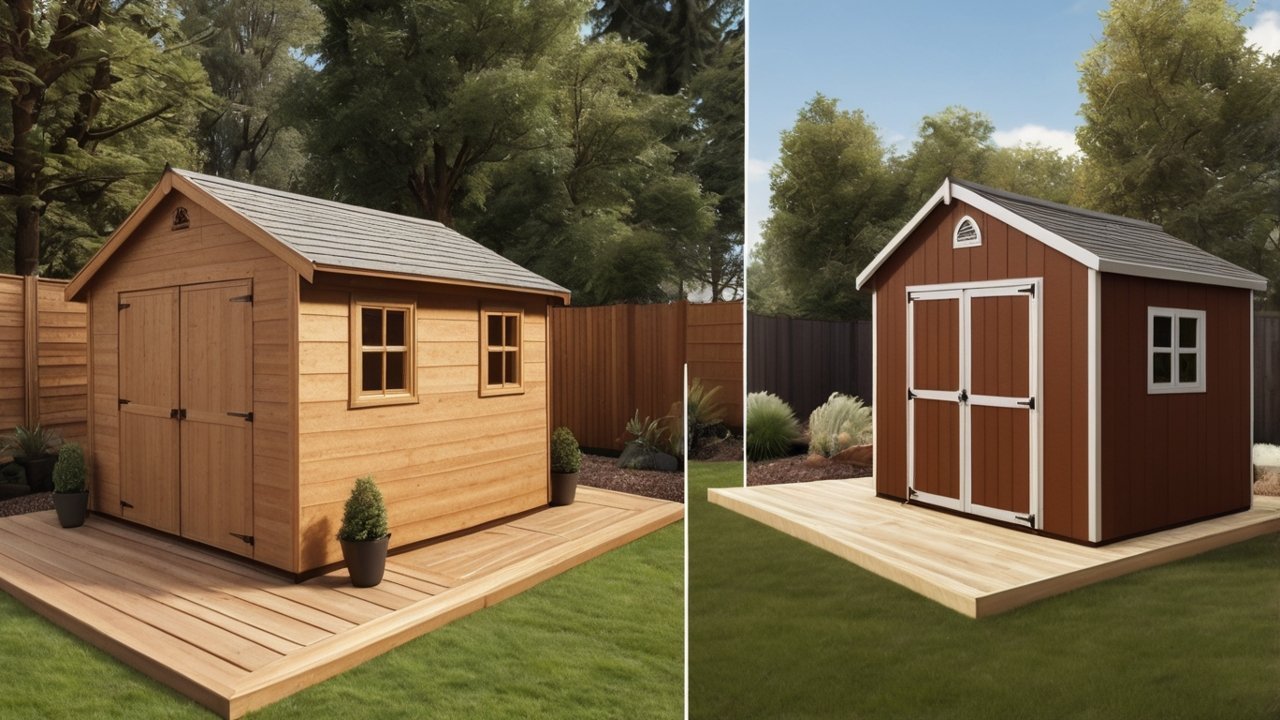
If your goal is simply organized storage with minimal upkeep, resin is often the easier solution. If you enjoy woodworking projects and expect your shed to evolve over time, a wood shed provides much greater flexibility.
Ultimately, the Resin Shed vs Wood Shed decision comes down to your priorities. Resin excels in convenience and low maintenance, while wood rewards homeowners who value customization, craftsmanship, and the satisfaction of building a space that’s uniquely their own.
Which Shed Is Best for Different Needs?
The answer to Resin Shed vs Wood Shed isn’t simply about which material is better—it’s about which one fits your lifestyle. A homeowner looking for quick, low-maintenance storage may have very different needs from someone planning to build a backyard workshop.
Before making your decision, think about how you’ll actually use the shed over the next five to ten years. Will it simply hold garden tools, or do you hope to turn it into a workspace, hobby room, or seasonal storage area?
Matching the shed to your long-term needs will help you get better value from your investment.
Resin Shed vs Wood Shed: Best for Low Maintenance
If keeping maintenance to a minimum is your top priority, resin is usually the easier choice in the Resin Shed vs Wood Shed comparison.
Resin Shed vs Wood Shed: Ideal for Busy Homeowners
Many homeowners simply want a dependable place to store outdoor equipment without adding another maintenance project to their yearly checklist.
A resin shed works well for storing:
-
Lawn mowers
-
Garden tools
-
Patio cushions
-
Holiday decorations
-
Outdoor toys
-
Bicycles
Unlike wood, resin generally doesn’t require:
-
Painting
-
Staining
-
Sealing
-
Termite treatments
-
Rot repairs
In most cases, an occasional wash with mild soap and water is enough to keep the exterior looking clean.
That convenience makes resin sheds especially attractive for first-time homeowners and anyone who prefers spending weekends enjoying the backyard instead of maintaining it.
Resin Shed vs Wood Shed: Great for Wet and Humid Climates
Climate also plays an important role.
Resin sheds are often a practical choice in areas with:
-
Frequent rainfall
-
High humidity
-
Coastal air
-
Mild winters
Because resin doesn’t absorb moisture, it’s less likely to develop issues associated with damp conditions.
That said, proper ventilation is still important. Even weather-resistant sheds can experience condensation if airflow is restricted.
Good site preparation also matters. Installing your shed on a level foundation with proper drainage helps reduce moisture buildup beneath the floor.
Some DIY builders use a VEVOR Ground Grid beneath gravel foundations to improve stability and drainage, particularly on softer ground where water tends to collect.
Resin Shed vs Wood Shed: Best for Workshops, Storage, and DIY Projects
If your goal extends beyond basic storage, wood often becomes the stronger contender in the Resin Shed vs Wood Shed comparison.
Resin Shed vs Wood Shed: Best for DIY Workshops
One reason wood remains popular among woodworking enthusiasts is its flexibility.
A wooden shed can gradually evolve into:
-
A woodworking shop
-
A gardening workspace
-
A potting shed
-
A craft studio
-
A bicycle repair station
Adding features like workbenches, cabinets, pegboards, or wall-mounted tool storage is usually much easier with wood framing.
If you’re planning to build a dedicated workshop, our guide on Setup Woodworking Shop: Layouts and Essential Tools offers practical tips for creating an efficient workspace.
As your collection of tools grows, organizing the interior becomes increasingly important. Our article on Shed Storage Ideas: 15 Smart Ways to Maximize Space includes simple storage solutions that work well in both resin and wood sheds.
Resin Shed vs Wood Shed: Best for Hobbyists
If you enjoy woodworking, home improvement, or weekend DIY projects, a wood shed offers more opportunities for customization.
Many hobbyists eventually add:
-
Interior insulation
-
Electrical wiring (installed according to local codes)
-
Extra windows
-
Wall shelving
-
Dust collection equipment
-
Larger workbenches
Wood is also easier to repair and modify as your projects become more advanced.
Resources like Fine Woodworking and Popular Woodworking regularly demonstrate creative shop layouts and storage solutions that can inspire your own shed workshop.
Whenever using power tools, remember to wear appropriate eye and hearing protection and follow OSHA safety recommendations for safe equipment operation and workshop organization.
Resin Shed vs Wood Shed: Best for Different Climates
Climate can influence how well each shed material performs over time.
Resin Shed vs Wood Shed: Hot, Cold, and Coastal Areas
Resin sheds generally perform well in humid environments because they resist moisture and insect damage.
Wood sheds can also perform exceptionally well outdoors, provided they’re maintained regularly with quality exterior finishes and proper drainage around the foundation.
If you live in a region with:
-
Heavy snowfall
-
Strong winds
-
Frequent storms
pay close attention to the shed’s structural specifications rather than focusing only on the wall material. Roof design, framing strength, and foundation quality often have a greater impact on long-term durability.
Resin Shed vs Wood Shed: Best for Small Backyards
For compact outdoor spaces, either material can work well if you choose the right size.
Before purchasing, consider:
-
Available yard space
-
Door swing clearance
-
Roof overhang
-
Walking paths
-
Local setback requirements
-
Future storage needs
Buying a shed that’s slightly larger than your current needs often proves worthwhile, as outdoor storage tends to fill up faster than expected.
If you’re unsure how much storage you’ll actually need, our Storage Shed Plans: 15 Smart Ideas to Save Space & Money guide can help you compare practical layouts before making a decision.
Ultimately, the best choice in the Resin Shed vs Wood Shed comparison depends on your priorities. Resin shines for homeowners seeking convenience and minimal upkeep, while wood remains the preferred option for DIY enthusiasts who value customization, craftsmanship, and the flexibility to adapt their shed over time.
Things to Consider Before Buying a Shed
Choosing between Resin Shed vs Wood Shed involves more than comparing materials. The right shed should fit your available space, storage needs, local climate, and long-term plans.
It’s easy to focus on appearance or price, but many first-time buyers discover later that factors like foundation preparation, local building rules, and future storage needs have an even bigger impact on satisfaction.
Taking a little extra time to plan now can help you avoid expensive mistakes later.
Resin Shed vs Wood Shed: Choosing the Right Size and Location
One of the most common beginner mistakes is buying a shed that’s too small. While a compact shed may seem sufficient today, outdoor storage tends to grow over time as you add gardening tools, lawn equipment, bicycles, and seasonal items.
Resin Shed vs Wood Shed: How Much Space Do You Really Need?
Before shopping, make a list of everything you plan to store.
Ask yourself:
-
Will you store only garden tools?
-
Do you need room for a lawn mower or snow blower?
-
Will bicycles or outdoor furniture be stored inside?
-
Do you plan to add shelving later?
-
Could the shed become a small workshop in the future?
It’s usually worth choosing a slightly larger shed if your yard allows. Extra floor space improves organization and makes it easier to access stored items.
If you’re unsure which dimensions make sense, our Shed Size Guide: 7 Smart Tips to Choose the Perfect Fit can help you compare common shed sizes and avoid purchasing one that’s too small.
Resin Shed vs Wood Shed: Picking the Best Backyard Location
Location matters just as much as size.
Look for an area that offers:
-
Level ground
-
Good drainage
-
Easy access
-
Enough clearance for doors to open fully
-
Space around the shed for maintenance
Avoid placing your shed in low spots where rainwater naturally collects. Even a weather-resistant resin shed benefits from a dry foundation, while wooden sheds are especially vulnerable to long-term moisture exposure.
If possible, leave enough room around the shed for cleaning, inspections, and future repairs.
Resin Shed vs Wood Shed: Foundation and Local Building Rules
Whether you choose resin or wood, a solid foundation is essential. A poorly prepared base can lead to uneven floors, sticking doors, and premature wear.
Resin Shed vs Wood Shed: Why the Foundation Matters
A stable foundation helps keep the structure level and protects it from moisture. Common foundation options include:
-
Compacted gravel
-
Concrete slabs
-
Paver bases
-
Pressure-treated wood platforms
The best option depends on your soil conditions, climate, and the size of your shed.
For a detailed comparison of foundation choices, see our guide on Shed Flooring Ideas: 7 Best Options for Backyard Sheds.
Some DIY builders also use the VEVOR Ground Grid beneath gravel foundations to improve stability and drainage, especially on soft or uneven ground. It may help reduce shifting depending on your site conditions.
Resin Shed vs Wood Shed: Check Local Regulations First
Before ordering a shed, take a few minutes to review your local requirements.
Depending on where you live, you may need to consider:
-
Building permits
-
Property setback rules
-
Maximum shed size
-
Height restrictions
-
Homeowners association (HOA) guidelines
These rules vary by location, so checking with your local building department before installation can prevent costly changes later.
Resin Shed vs Wood Shed: Think About Long-Term Maintenance
When comparing Resin Shed vs Wood Shed, it’s important to think beyond the purchase price.
Resin Shed vs Wood Shed: Ongoing Care and Costs
Resin sheds generally require very little maintenance beyond occasional cleaning and routine inspections.
Wood sheds, however, typically need more regular attention to stay in good condition.
Depending on your climate, maintenance may include:
-
Repainting or staining
-
Sealing exposed wood
-
Replacing damaged boards
-
Inspecting the roof
-
Checking for moisture damage
-
Looking for signs of insect activity
These tasks aren’t difficult, but they should be included in your long-term budget and maintenance schedule.
If you choose a wooden shed, learning how to protect exterior wood finishes can extend its lifespan. Our article on Top Wood Finishing Techniques: Get a Pro Look Every Time explains several finishing methods suitable for outdoor wood projects.
Resin Shed vs Wood Shed: Avoid Common Buying Mistakes
Many homeowners regret their purchase not because they chose the wrong material, but because they overlooked the planning stage.
Some of the most common mistakes include:
-
Choosing a shed that’s too small
-
Ignoring foundation preparation
-
Forgetting about future storage needs
-
Skipping local permit requirements
-
Placing the shed in a poorly drained area
-
Underestimating maintenance requirements
If you’re planning your first shed project, our Shed Building Mistakes: 15 Costly Errors to Avoid guide highlights common pitfalls and practical ways to avoid them.
Finally, don’t overlook safety during installation. Follow the manufacturer’s assembly instructions, use appropriate personal protective equipment, and work on stable, level ground. OSHA’s guidance on ladder safety, tool handling, and lifting techniques offers valuable recommendations for anyone assembling a backyard shed.
By carefully considering size, location, foundation, maintenance, and local regulations, you’ll be in a much better position to choose the right shed for your property—whether that ends up being resin or wood.

Final Verdict: Resin Shed or Wood Shed?
After comparing every major factor in the Resin Shed vs Wood Shed debate, one thing becomes clear: there isn’t a one-size-fits-all answer. Both materials can provide years of dependable storage when they’re installed correctly and maintained according to the manufacturer’s recommendations.
Instead of asking which shed is objectively better, ask which one best matches your budget, maintenance preferences, climate, and long-term plans.
For many homeowners, that simple shift in perspective makes the decision much easier.
Resin Shed vs Wood Shed: Who Should Choose a Resin Shed?
If convenience is your top priority, a resin shed is often the better fit.
Resin Shed vs Wood Shed: Resin Is Ideal If You Want Simplicity
A resin shed may be the right choice if you:
-
Prefer minimal maintenance
-
Don’t want to paint or stain the exterior
-
Live in a humid or rainy climate
-
Need reliable outdoor storage rather than a workshop
-
Want a straightforward DIY assembly project
Modern resin sheds are designed to resist many of the common issues that affect untreated wood, including moisture, insects, and rot. For homeowners who simply want secure storage for gardening equipment, bicycles, or seasonal items, that peace of mind is a significant advantage.
If you’re comparing ready-to-assemble options, the Greesum 6x6FT Plastic Outdoor Storage Shed is one example that may be helpful to review alongside similar models. Comparing features such as ventilation, flooring, and roof design can help you choose the right fit for your backyard.
Resin Shed vs Wood Shed: Resin Works Best for Everyday Storage
Resin sheds are especially practical for storing:
-
Lawn equipment
-
Garden tools
-
Outdoor furniture cushions
-
Pool supplies
-
Holiday decorations
-
Recycling bins
-
Bicycles
If your primary goal is organized storage with very little ongoing upkeep, resin is difficult to beat.
Resin Shed vs Wood Shed: Who Should Choose a Wood Shed?
Wood remains the preferred choice for many DIY enthusiasts, hobbyists, and homeowners who appreciate traditional craftsmanship.
Resin Shed vs Wood Shed: Wood Offers Greater Flexibility
A wood shed is often the better option if you plan to:
-
Build a woodworking shop
-
Install custom shelving
-
Add electrical wiring (where permitted)
-
Insulate the interior
-
Mount heavy storage systems
-
Customize the exterior appearance
Wood also allows future modifications that simply aren’t practical with molded resin panels.
For readers interested in building their own structure, our Build a Small Shed Step by Step: Easy Beginner Guide provides a practical overview of the planning and construction process.
Resin Shed vs Wood Shed: Wood Rewards Long-Term Care
A wooden shed requires more maintenance, but many homeowners feel the extra effort is worthwhile.
With proper care—including painting, sealing, and routine inspections—a quality wood shed can remain functional for many years while maintaining its classic appearance.
Organizations such as Fine Woodworking and Popular Woodworking regularly demonstrate how thoughtful maintenance and quality craftsmanship contribute to long-lasting outdoor structures.
Resin Shed vs Wood Shed: Final Buying Tips
Before making your final decision, keep these practical tips in mind:
-
Choose the shed based on how you’ll use it five years from now—not just today.
-
Invest in a solid, level foundation regardless of the material.
-
Allow room for future storage needs.
-
Check local building codes and HOA requirements before installation.
-
Follow the manufacturer’s assembly instructions carefully.
-
Inspect your shed periodically to catch small issues before they become major repairs.
If you’re still comparing different storage options, our Storage Shed Plans: 15 Smart Ideas to Save Space & Money offers additional layout ideas to help you maximize every square foot.
No matter which material you choose, safe installation should always come first. Wear appropriate eye and hearing protection when using power tools, work on stable ground, and follow OSHA safety guidelines for lifting, ladder use, and tool operation.
Ultimately, the best choice in the Resin Shed vs Wood Shed comparison comes down to your priorities. If you value low maintenance and weather resistance, resin is an excellent option. If you enjoy customization, woodworking, and creating a space that can grow with your hobbies, a wood shed is likely the better investment.
Either way, choosing the right shed starts with careful planning—and that’s the foundation of a backyard storage solution you’ll appreciate for years to come.
FAQ: Resin Shed vs Wood Shed
Is a resin shed better than a wood shed?
The answer depends on how you plan to use it. In the Resin Shed vs Wood Shed comparison, resin sheds are generally better for homeowners who want low-maintenance outdoor storage. They resist moisture, insects, and rot without requiring regular painting or staining. Wood sheds, however, are a better choice if you value customization, traditional appearance, or plan to create a workshop with shelves, cabinets, or workbenches.
How long does a resin shed last?
A quality resin shed can last for many years when installed on a level foundation and maintained according to the manufacturer’s recommendations. Modern resin materials are designed to resist UV exposure, moisture, and insect damage, making them a durable option for outdoor storage. Keeping the shed clean and ensuring proper drainage around the base can help extend its lifespan.
Can you customize a resin shed like a wooden shed?
Not to the same extent. Resin sheds usually have molded wall panels that aren’t intended for major structural modifications. While you may be able to add compatible shelving or storage accessories, installing heavy cabinets, insulation, or electrical wiring is generally easier in a wood shed. If customization is a priority, a wooden shed offers much greater flexibility.
Which type of shed requires less maintenance?
In the Resin Shed vs Wood Shed comparison, resin sheds require significantly less maintenance. Most only need occasional cleaning and routine inspections. Wood sheds require periodic painting or staining, checking for moisture damage, and inspecting for insects or rot. If you prefer a “set it and forget it” storage solution, resin is usually the more convenient choice.
What is the best shed for harsh weather conditions?
Both resin and wood sheds can perform well in challenging weather when they’re properly installed and maintained. Resin sheds are well suited to humid and rainy climates because they don’t absorb moisture. Wood sheds can also withstand harsh conditions, provided they’re protected with quality exterior finishes and built on a solid foundation. In areas with heavy snow or strong winds, pay close attention to the shed’s roof load capacity, anchoring system, and foundation rather than focusing only on the wall material.
Is a resin shed cheaper than a wood shed?
The upfront cost varies depending on the size, brand, and features of the shed. Entry-level wood sheds may cost less initially, while premium resin sheds can have a higher purchase price. However, resin sheds often have lower long-term maintenance costs because they don’t require regular painting, staining, or termite treatments. When comparing options, consider both the purchase price and the ongoing maintenance expenses.
Do I need a foundation for a resin or wood shed?
Yes. Regardless of whether you choose resin or wood, a stable, level foundation is essential. A properly prepared base helps prevent uneven floors, sticking doors, moisture problems, and structural movement. Common foundation options include compacted gravel, concrete slabs, pavers, and pressure-treated wood platforms. Choosing the right foundation can improve the performance and longevity of any backyard shed.
Affiliate Disclosure
Some links in this article are affiliate links. If you choose to purchase a product through one of these links, we may earn a small commission at no additional cost to you. We only recommend products and resources that are relevant to the topic and may be helpful for your woodworking or DIY projects. Any recommendations are provided for educational purposes to help you compare options and make informed decisions. Always evaluate products based on your own needs, budget, and project requirements.