Complete Shed Building Tools Checklist for Beginners
Have you ever started a DIY project only to realize halfway through that you’re missing an essential tool? A well-prepared shed building tools checklist can save you time, frustration, and unnecessary trips to the hardware store before your project even begins.
Building a shed is one of the most rewarding DIY projects for homeowners, whether you need extra storage, a workshop, or a dedicated space for outdoor equipment. However, success depends on more than just having a good plan and quality materials. The right tools play a major role in ensuring accurate measurements, clean cuts, secure assembly, and a safer building experience.
If you’re a beginner, it can be difficult to know which tools are truly necessary and which ones are simply nice to have. That’s completely normal. Many first-time builders want to avoid overspending while still making sure they have everything needed to complete the job efficiently.
In this guide, you’ll find a practical shed building tools checklist, along with helpful insights on selecting the right equipment, staying safe, and preparing for a smoother shed construction project from start to finish.
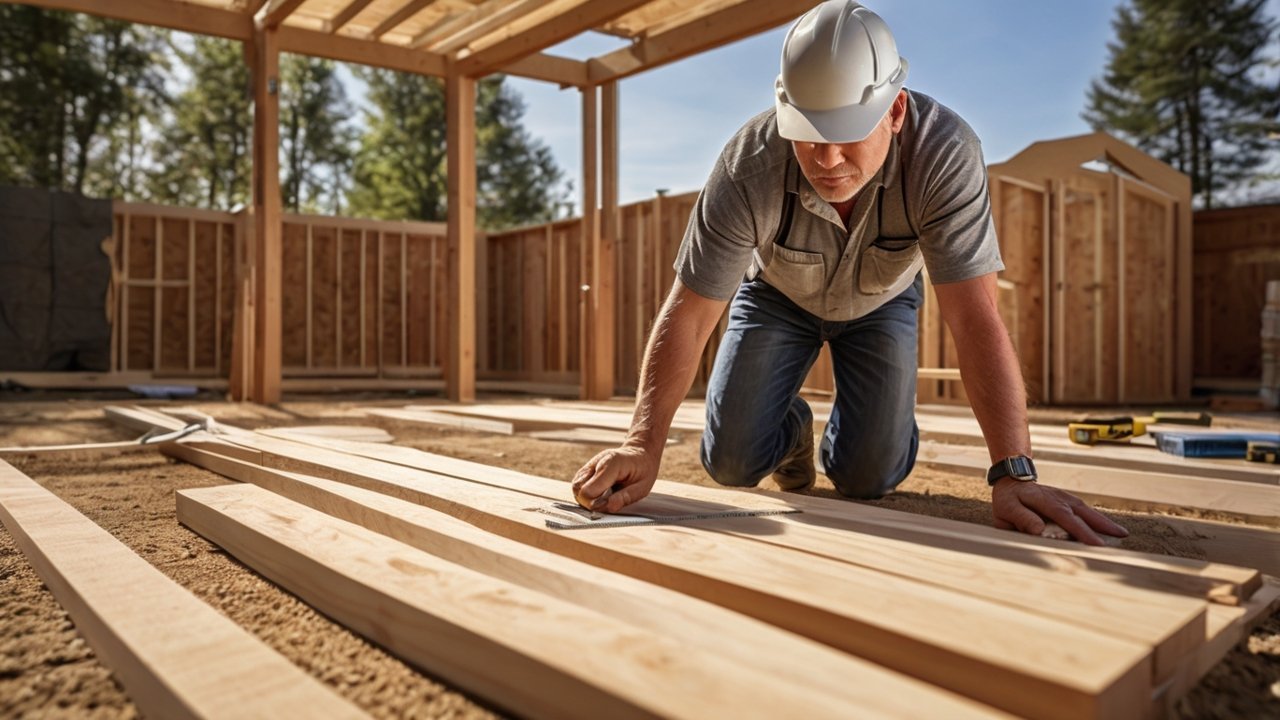
Planning Tools for Accurate Shed Construction
Before you cut your first board or drive your first screw, taking time to plan your project properly can save hours of frustration later. Every successful shed starts with accurate measurements and a clear layout. That’s why the planning stage deserves just as much attention as the actual construction work.
A well-organized shed building tools checklist should always begin with measuring and layout tools. These are the items that help ensure your shed is square, level, and built according to plan.
If you’re new to DIY construction, don’t worry. Most of these tools are affordable, easy to use, and useful for many future woodworking projects.
This article may contain affiliate links. If you purchase through these links, we may earn a small commission at no extra cost to you.
Measuring and Layout Essentials in a Shed Building Tools Checklist
The first goal of any shed project is accuracy. Even a small measurement mistake can create problems later when installing walls, roofing, or doors.
A basic shed building tools checklist should include:
-
Tape measure
-
Speed square
-
Chalk line
-
Carpenter pencil
-
Framing square
-
Level
These tools help you establish straight reference lines and verify dimensions before making cuts.
A quality tape measure is probably the most-used tool during a shed build. You’ll use it to measure foundation dimensions, wall heights, door openings, and roof components. For most backyard shed projects, a 25-foot tape measure is more than sufficient.
The speed square is another beginner-friendly tool that quickly becomes indispensable. It helps mark accurate 90-degree and 45-degree angles, making framing much easier.
When laying out a foundation or floor frame, a chalk line can create long, straight guidelines that are difficult to achieve with a pencil alone.
If you’re still deciding on your overall project design, our guide on building a small shed step by step can help you understand how accurate planning affects the entire construction process.
Why Accurate Measurements Matter in a Shed Building Tools Checklist
One of the most common mistakes beginners make is assuming small measurement errors won’t matter.
In reality, a mistake of just a quarter inch can multiply throughout the project. A floor frame that’s slightly out of square often leads to wall framing issues. Those wall issues can then affect roof alignment and door installation.
Professional carpenters often follow the saying:
“Measure twice, cut once.”
It sounds simple, but it remains one of the most valuable lessons in woodworking.
Organizations such as OSHA emphasize planning and measurement as important parts of job-site safety. Accurate layouts reduce unnecessary cutting, adjustments, and potentially dangerous corrections later in the build.
In my own projects, I’ve found that spending an extra 20 minutes checking measurements often saves several hours of rework later.
Choosing Beginner-Friendly Measuring Tools
New builders sometimes wonder whether they need professional-grade tools.
For most backyard sheds, the answer is no.
A reliable tape measure, speed square, and level will handle the majority of tasks. Focus on tools that are durable and easy to read rather than buying the most advanced options available.
If you’re setting up a woodworking area for future projects, our guide to woodworking shop layouts and essential tools covers additional equipment that can improve efficiency over time.
For hobbyists looking to upgrade their measuring setup, many builders find a sturdy level useful throughout shed construction. A tool such as the CRAFTSMAN Torpedo Level can help verify wall alignment, floor levelness, and framing accuracy without adding unnecessary complexity to your toolkit.
The key is choosing tools you’ll continue using long after this shed project is complete.
Shed Building Tools Checklist for Marking and Layout Accuracy
Once measurements are confirmed, marking tools become your next priority.
Clear layout marks reduce mistakes and make assembly faster. Even experienced woodworkers rely heavily on simple marking tools throughout a project.
Essential Marking Tools in a Shed Building Tools Checklist
The most useful marking tools include:
-
Carpenter pencils
-
Fine-tip construction markers
-
Chalk lines
-
Layout squares
Carpenter pencils are particularly helpful because they create visible marks on rough lumber where standard pencils often struggle.
A good marking system becomes especially important when cutting multiple identical pieces for wall framing or roof rafters.
When building outdoor structures, I recommend labeling every component before cutting begins. This small habit prevents confusion during assembly and helps keep the project organized.
Keeping Your Layout Organized from Start to Finish
Organization is often overlooked by first-time builders.
Before starting construction:
-
Review your shed plans carefully
-
Confirm all dimensions
-
Mark lumber clearly
-
Double-check critical measurements
-
Lay tools out in a logical order
These simple habits make the entire project smoother and safer.
If you’re still comparing design options, you may also find inspiration in our guides on garden shed plans and shed building mistakes to avoid.
Taking the time to prepare now creates a stronger foundation for every stage that follows. A thoughtful shed building tools checklist isn’t just about buying tools—it’s about building confidence, reducing mistakes, and setting yourself up for a successful shed project from day one.
Essential Cutting Tools for a Shed Building Tools Checklist
Once your measurements are complete and your layout is marked, it’s time to start cutting lumber and sheet materials. This is where many DIY builders begin to see their shed take shape.
A well-prepared shed building tools checklist should include cutting tools that match the size and complexity of your project. While there are dozens of woodworking saws available, most beginner shed builders can complete an entire project with just a few carefully chosen tools.
The key is understanding which tools are necessary and which ones are optional upgrades.
Circular Saw: The Core of a Shed Building Tools Checklist
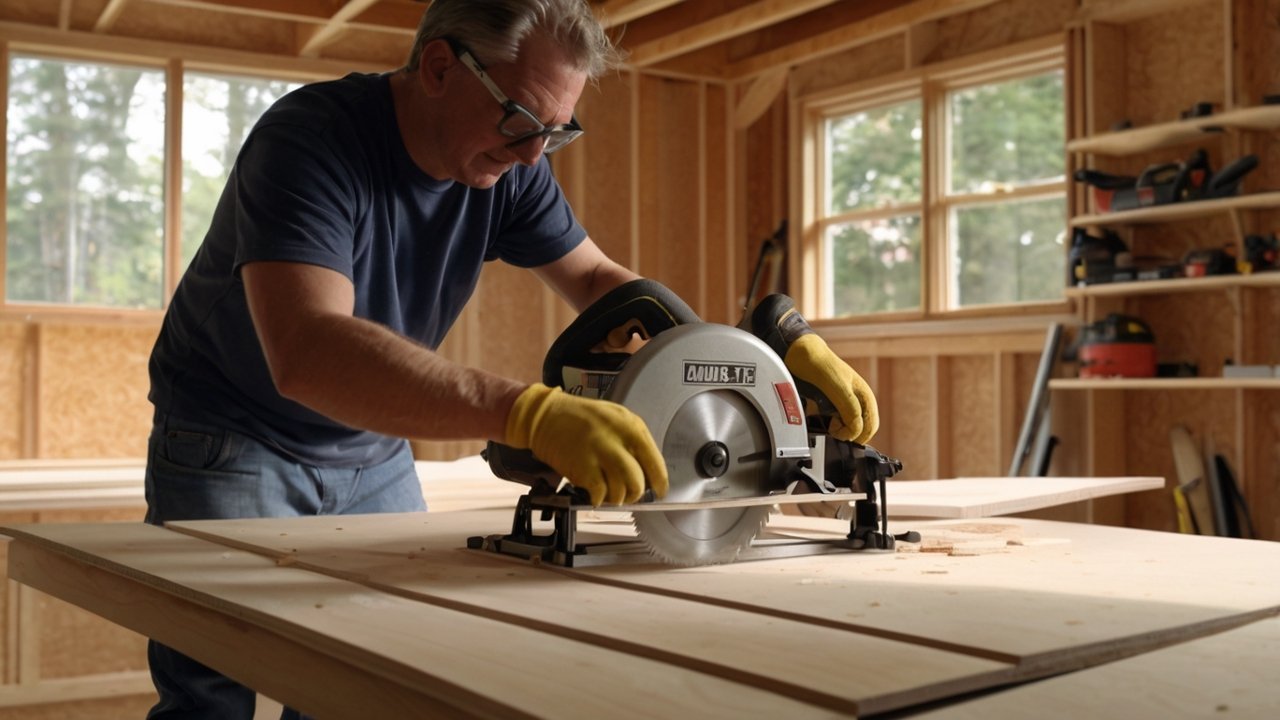
If I could recommend only one power cutting tool for a beginner shed build, it would be a circular saw.
A circular saw handles most of the cuts required for:
-
Floor framing
-
Wall studs
-
Roof rafters
-
Plywood sheathing
-
Siding panels
Its versatility makes it one of the most valuable tools in any shed building tools checklist.
For first-time builders, a cordless model offers excellent portability around the job site. You won’t have to worry about extension cords stretching across your workspace, especially when working outdoors.
One option many DIYers consider is the DEWALT FLEXVOLT 60V MAX Circular Saw. It’s commonly used for framing and outdoor woodworking projects where mobility and cutting power are important.
That said, even a basic circular saw can produce excellent results when paired with proper measuring and layout techniques.
Using a Circular Saw Safely and Accurately
Before making your first cut, take a few moments to inspect the material and verify your measurements.
A few simple habits can dramatically improve accuracy:
-
Mark cut lines clearly
-
Support lumber properly
-
Allow the blade to reach full speed before cutting
-
Keep both hands positioned safely
-
Wear eye and hearing protection
According to OSHA safety guidelines, proper personal protective equipment should always be used when operating power tools.
Many beginners rush through cutting tasks because they are excited to see progress. In reality, slower and more deliberate cuts usually produce cleaner results and fewer mistakes.
Why a Circular Saw Belongs in Every Shed Building Tools Checklist
One of the biggest advantages of a circular saw is flexibility.
Unlike specialized shop equipment, a circular saw can move wherever the project requires. Whether you’re cutting floor joists in the driveway or trimming roof sheathing near the shed frame, the tool adapts easily to the task.
For most backyard storage sheds, it provides more than enough capability without requiring a dedicated workshop setup.
If you’re planning additional outdoor projects after your shed is complete, you may also enjoy these outdoor woodworking projects for beginners.
Hand Tools That Complement Your Shed Building Tools Checklist
Power tools do most of the heavy lifting, but hand tools remain surprisingly important throughout a shed build.
Experienced woodworkers know that there are many situations where a hand tool offers more control than a power tool.
Essential Hand Tools for Fine Adjustments
Several simple tools deserve a place in every shed building tools checklist:
-
Handsaw
-
Utility knife
-
Chisel
-
Pry bar
-
Hammer
A handsaw is useful when making quick adjustments or trimming pieces that don’t require power equipment.
Utility knives are especially helpful for:
-
Cutting roofing felt
-
Trimming house wrap
-
Opening material packaging
-
Scoring sheet materials
These tasks may seem minor, but they occur repeatedly during a typical shed project.
Pros and Cons of Hand Tools vs Power Tools
Many beginners ask whether hand tools can replace power tools entirely.
Technically, yes.
Historically, sheds were built using only hand tools. However, modern power tools dramatically reduce construction time.
Hand Tool Advantages:
-
Lower cost
-
Greater precision for small adjustments
-
Less noise
-
No batteries or electricity required
Power Tool Advantages:
-
Faster construction
-
Easier cutting of large materials
-
Reduced physical effort
-
More efficient for repetitive tasks
For most hobbyists, a combination of both approaches works best.
A Practical Cutting Setup for Beginner Shed Builders
You don’t need a fully equipped woodworking shop to build a functional shed.
A realistic beginner setup might include:
-
Circular saw
-
Tape measure
-
Speed square
-
Utility knife
-
Hammer
-
Basic safety equipment
This simple collection can handle most backyard shed plans without overwhelming new builders.
If you’re still developing your woodworking skills, our guide to beginner woodworking projects is a great place to gain confidence before tackling larger structures.
Optional Cutting Tool Upgrades
As your experience grows, you may decide to expand your tool collection.
Common upgrades include:
-
Miter saws for repetitive angle cuts
-
Jigsaws for curved cuts
-
Reciprocating saws for demolition work
-
Table saws for precision ripping
These tools can improve efficiency, but they are not essential for most beginner shed projects.
The important thing is learning to use a few tools well rather than collecting every tool available.
By focusing on practical cutting equipment and safe operating habits, you’ll be well prepared for the next phase of your project: assembling the shed frame and fastening everything securely together.
Fastening and Assembly Tools for a Shed Building Tools Checklist
After cutting and preparing your materials, the next stage is bringing everything together. This is where fastening and assembly tools become essential. Whether you’re building floor frames, wall sections, roof structures, or installing siding, the right fastening tools help create a stronger, safer, and longer-lasting shed.
A complete shed building tools checklist should always include tools designed for driving screws, securing framing components, and making adjustments during assembly. While there are many fastening options available, beginners can achieve excellent results with just a few reliable tools.
The goal isn’t to own every tool in the hardware store. It’s to choose equipment that helps you work accurately and efficiently.
Cordless Drills in a Shed Building Tools Checklist
A cordless drill is one of the most versatile tools you’ll use during a shed build.
From assembling floor joists to attaching wall sheathing, you’ll likely reach for your drill dozens of times throughout the project.
A good drill can be used for:
-
Driving screws
-
Drilling pilot holes
-
Installing hardware
-
Building temporary supports
-
Attaching trim pieces
Many beginner DIY builders prefer cordless models because they are portable and easy to maneuver around a construction site.
One commonly used option is the BLACK+DECKER 20V MAX 68-Piece Cordless Drill Kit. For new builders, a kit like this provides basic drilling and fastening capabilities without requiring additional tools right away.
The most important factor is choosing a drill that feels comfortable in your hands and has enough power for general woodworking tasks.
Why Screws Are Often Better Than Nails for Beginners
One of the first decisions you’ll face is whether to use screws or nails.
Both have their place in shed construction.
However, for many beginner DIY builders, screws offer several advantages:
-
Easier to install accurately
-
Easier to remove if mistakes occur
-
Strong holding power
-
Better control during assembly
When building wall frames or attaching plywood sheathing, screws can provide extra confidence because adjustments are simpler if measurements need correction.
Nails remain useful for framing applications and are commonly used by professional builders with nail guns. However, screws often create a more forgiving learning experience for first-time shed builders.
Choosing Fasteners for Your Shed Project
Not all screws are created equal.
Outdoor structures require fasteners designed to resist moisture and corrosion.
When selecting fasteners, look for:
-
Exterior-rated screws
-
Galvanized fasteners
-
Deck screws
-
Weather-resistant coatings
Using indoor screws outdoors can lead to rust and structural problems over time.
If your shed will be exposed to heavy rain or humidity, investing in quality exterior fasteners is a small step that can significantly improve durability.
For additional guidance on outdoor project materials, our guide to types of wood for every project explains how lumber choices and fasteners work together to improve longevity.
Essential Hammer and Assembly Tools in a Shed Building Tools Checklist
Even if you rely heavily on a cordless drill, traditional hand tools still play an important role during assembly.
The Value of a Good Hammer
A hammer remains one of the most useful tools in any shed building tools checklist.
You’ll use it for:
-
Adjusting framing components
-
Tapping boards into position
-
Driving occasional nails
-
Removing temporary bracing
A standard 16-ounce claw hammer works well for most backyard shed projects.
The claw section is particularly useful when correcting mistakes or removing misplaced fasteners.
One lesson many beginners learn quickly is that construction rarely goes exactly according to plan. Having simple tools that help make adjustments can save a great deal of frustration.
Clamps: The Extra Set of Hands Every Builder Needs
If there’s one tool that often surprises beginners, it’s the woodworking clamp.
Clamps temporarily hold materials in place while you:
-
Check measurements
-
Drive screws
-
Verify alignment
-
Assemble wall sections
They effectively act as an extra set of hands.
For solo builders, clamps can make assembly significantly easier and safer.
Many DIY woodworkers keep several IRWIN QUICK-GRIP Clamps on hand because they are simple to use when positioning framing members or plywood panels.
Rather than struggling to hold boards manually, clamps allow you to focus on accuracy.
Common Assembly Mistakes Beginners Should Avoid
During assembly, it’s easy to become focused on speed.
However, rushing often creates problems that are difficult to fix later.
Some common mistakes include:
-
Driving screws before checking alignment
-
Forgetting pilot holes near board edges
-
Over-tightening fasteners
-
Using incorrect screw lengths
-
Skipping measurements during assembly
Experienced builders frequently pause to verify that components remain square and level throughout construction.
This habit may feel slow initially, but it often prevents larger issues later in the project.
If you’re planning your first shed, our guide on shed building mistakes to avoid covers several common errors that can impact structural quality.
Building Stronger Structures Through Careful Assembly
The strength of a shed doesn’t come from expensive tools alone.
It comes from consistent measurements, proper fastening techniques, and careful attention to detail.
A reliable shed building tools checklist helps ensure you have the right equipment available when needed, but the real difference comes from using those tools patiently and correctly.
As you move forward, remember that every wall, floor section, and roof component depends on solid fastening practices. Taking the time to assemble each section carefully will make the next phase—leveling and framing—much easier and more accurate.
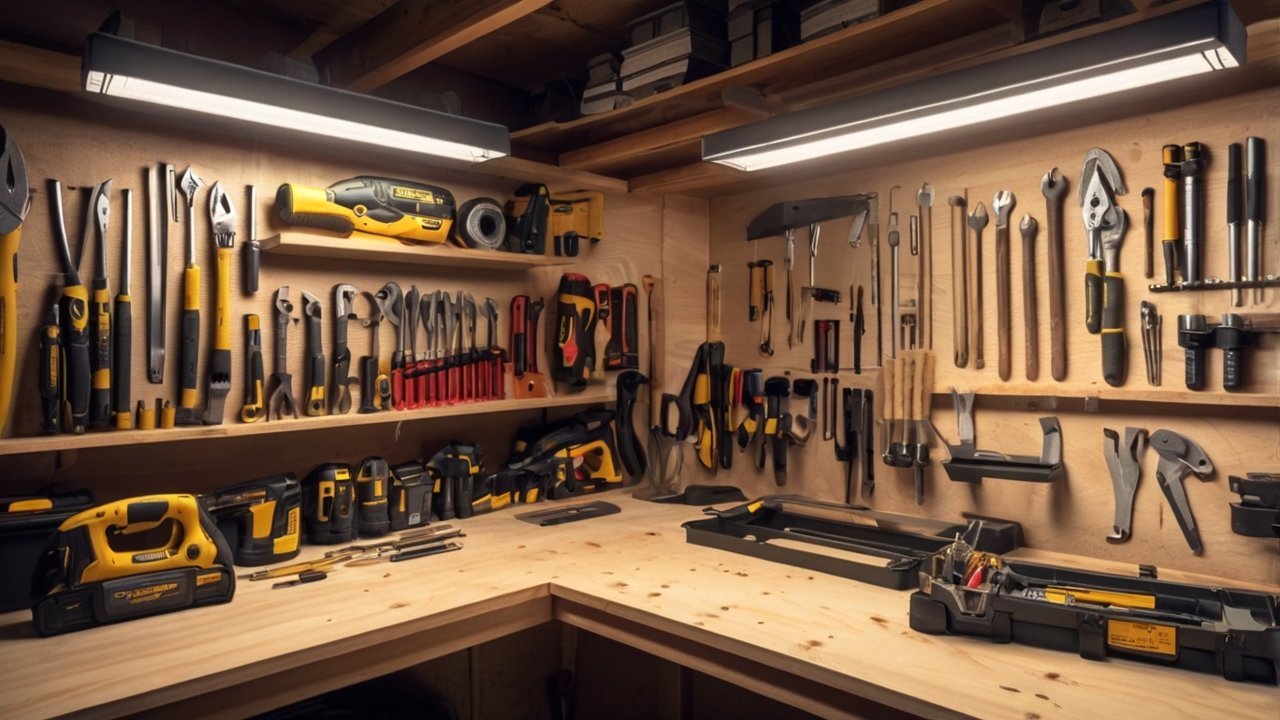
Leveling and Framing Tools for a Shed Building Tools Checklist
A shed can only be as strong as the structure beneath it. Even if your cuts are accurate and your fasteners are installed correctly, problems can still arise if the shed isn’t level and square from the start.
That’s why leveling and framing tools deserve a dedicated place in every shed building tools checklist.
These tools help ensure that walls stand straight, floors remain stable, doors open properly, and roof sections fit together as intended. Taking the time to check alignment during construction can prevent frustrating repairs later.
Many beginner builders focus heavily on power tools while overlooking simple layout and framing tools. In reality, these tools often have a greater impact on the final quality of the shed.
Why Leveling Matters in a Shed Building Tools Checklist
One of the most common causes of shed problems is an uneven foundation.
When a foundation is out of level, the issue affects every stage of construction.
Potential problems include:
-
Uneven wall framing
-
Roof alignment issues
-
Doors that stick or won’t close properly
-
Window installation challenges
-
Increased structural stress over time
A reliable shed building tools checklist should include at least one quality level to help verify accuracy throughout the project.
Checking for level isn’t something you do once and forget. Experienced builders continually verify level during:
-
Foundation setup
-
Floor framing
-
Wall assembly
-
Roof construction
Making small corrections early is much easier than fixing major alignment issues after the shed is complete.
Choosing the Right Level for Shed Construction
Several types of levels work well for backyard shed projects.
Common options include:
-
Torpedo levels
-
Standard box beam levels
-
Magnetic levels
-
Digital levels
For beginners, a simple box beam or torpedo level is often all that’s needed.
Many DIY builders find the CRAFTSMAN Torpedo Level useful because it’s compact enough to carry around the project site while still providing reliable measurements for framing and alignment tasks.
The important thing isn’t owning the most advanced level available. It’s developing the habit of checking your work frequently.
Using a Level Correctly During Shed Construction
New builders sometimes place a level on a board once and assume everything is accurate.
Professional builders take a more thorough approach.
When checking level:
-
Place the tool on a clean surface.
-
Confirm the bubble is centered.
-
Check multiple points along the structure.
-
Re-measure after adjustments.
-
Verify adjoining components remain aligned.
This process may seem repetitive, but it significantly improves overall construction quality.
If you’re still deciding on the size and layout of your shed, our guide on choosing the right shed size can help prevent alignment challenges caused by poor planning.
Framing Tools in a Shed Building Tools Checklist
Once the structure is level, framing tools help ensure every component stays square and properly aligned.
Framing is the skeleton of your shed. Any mistakes made here tend to become more noticeable as construction progresses.
Essential Framing Tools in a Shed Building Tools Checklist
Several framing tools are especially useful for beginners:
-
Framing square
-
Speed square
-
Clamps
-
Chalk line
-
Level
These tools work together to help maintain consistent measurements and accurate assembly.
A framing square is particularly valuable when building wall sections. It allows you to verify 90-degree corners and identify alignment issues before fastening components permanently.
Many experienced woodworkers consider a framing square one of the most important non-powered tools in the workshop.
Clamps: The Secret Weapon for Accurate Framing
When assembling walls or roof sections, it can be difficult to hold everything in place while checking measurements.
This is where clamps become incredibly useful.
Clamps help:
-
Secure boards temporarily
-
Hold framing members square
-
Reduce movement during fastening
-
Improve overall accuracy
Builders working alone often discover that clamps function like an extra set of hands.
A few quality IRWIN QUICK-GRIP Clamps can make framing tasks much easier, particularly when assembling larger wall sections.
Rather than rushing to drive screws, you can position components carefully and verify alignment before making anything permanent.
Common Framing Mistakes Beginners Make
Over the years, I’ve noticed several framing mistakes that repeatedly affect first-time shed builders.
These include:
-
Skipping diagonal measurements
-
Assuming corners are square without checking
-
Fastening components too early
-
Ignoring small alignment errors
-
Relying solely on visual inspection
One helpful technique is measuring diagonally from corner to corner.
If both diagonal measurements are equal, the frame is generally square.
This simple method is widely used by professional builders and can quickly identify framing problems before they become larger issues.
For a deeper look at common construction errors, our guide on shed building mistakes to avoid covers several framing-related challenges that beginners often encounter.
Building a Strong Foundation for the Rest of the Project
Leveling and framing may not be the most exciting parts of shed construction, but they are among the most important.
Organizations such as OSHA emphasize proper setup, measurement, and alignment because structural accuracy directly affects both safety and project quality.
A complete shed building tools checklist should always include reliable leveling and framing tools. These simple items help transform a collection of boards into a square, stable, and durable structure.
By focusing on accuracy now, you’ll make the next stages of construction—including roofing, siding, and finishing work—far easier and far more enjoyable.
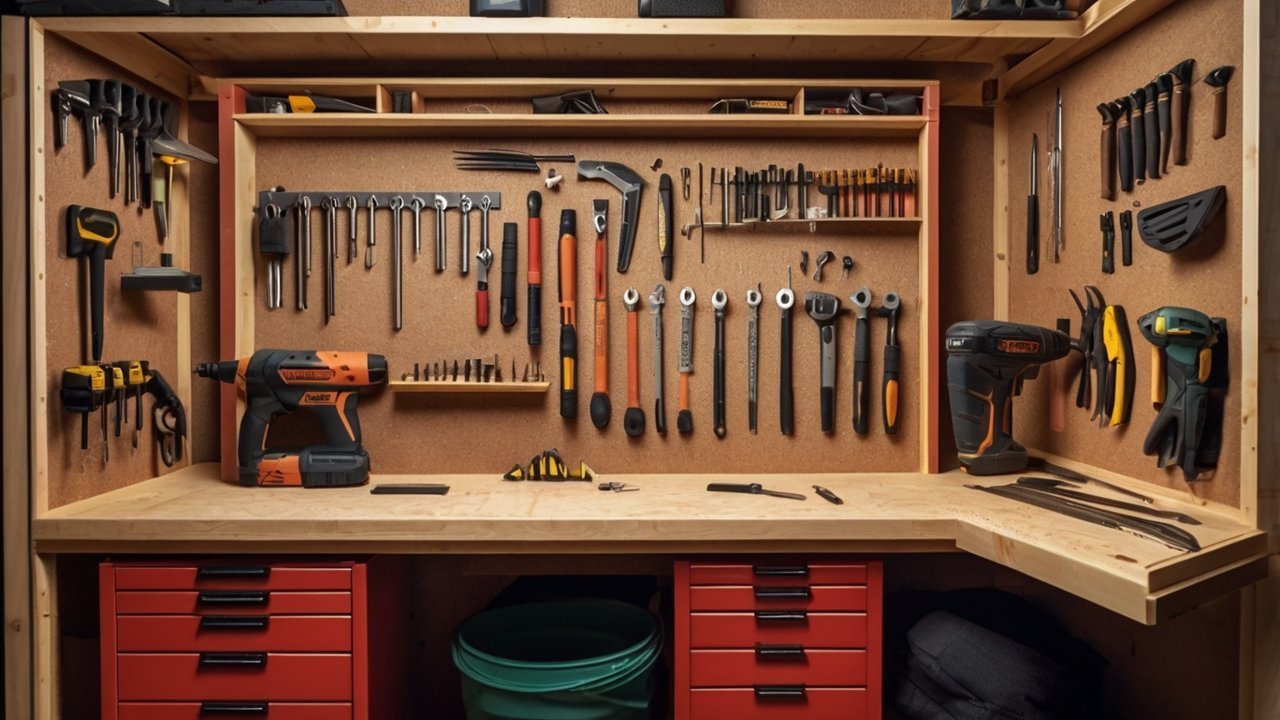
Safety Equipment Every DIY Builder Needs
Building a shed is an exciting project, especially when you start seeing walls go up and the structure take shape. However, it’s easy to become so focused on tools and materials that safety gets pushed into the background.
A complete shed building tools checklist should always include personal protective equipment (PPE). While safety gear may not feel as important as a drill or circular saw, it plays a critical role in preventing injuries and helping you work confidently throughout the project.
Professional woodworkers understand that safety isn’t just about following rules—it’s about developing habits that protect you every time you step into a workshop or job site.
Whether you’re building a small storage shed or a larger backyard workshop, investing in basic safety equipment is one of the smartest decisions you can make.
Why Safety Gear Belongs in a Shed Building Tools Checklist
Many shed-building tasks involve cutting, drilling, lifting, and fastening materials.
These activities create hazards such as:
-
Flying wood chips
-
Sawdust exposure
-
Loud tool noise
-
Sharp edges
-
Falling materials
-
Slippery work surfaces
The good news is that most common woodworking injuries can be prevented with simple protective equipment and safe work practices.
Organizations such as OSHA consistently recommend using appropriate PPE whenever operating power tools or working around construction materials.
A few minutes spent putting on safety gear can help prevent injuries that might stop a project altogether.
Essential Safety Gear in a Shed Building Tools Checklist
Every beginner should have the following items available before construction begins:
-
Safety glasses
-
Hearing protection
-
Work gloves
-
Dust mask or respirator
-
Durable work boots
These items cover the most common risks encountered during shed construction.
The goal isn’t to create a complicated safety system. Instead, it’s about building simple habits that become second nature over time.
Eye and Hearing Protection in a Shed Building Tools Checklist
Power tools make shed construction much easier, but they also create hazards that shouldn’t be ignored.
Protecting Your Eyes During Shed Construction
Eye protection is one of the easiest safety measures to implement.
Circular saws, drills, nailers, and even hand tools can send debris into the air unexpectedly.
A small wood chip may seem harmless, but eye injuries can happen in an instant.
Safety glasses should be worn whenever you are:
-
Cutting lumber
-
Drilling pilot holes
-
Driving fasteners
-
Sanding wood
-
Trimming roofing materials
Many experienced builders keep multiple pairs nearby so they are always within reach.
One practical tip is to put on your safety glasses before turning on any tool. This simple habit eliminates the temptation to “just make one quick cut” without protection.
Hearing Protection Matters More Than Many Beginners Realize
Noise exposure often receives less attention than eye protection, but it deserves equal consideration.
Repeated exposure to loud power tools can gradually affect hearing over time.
Common sources of noise include:
-
Circular saws
-
Compressors
-
Impact drivers
-
Nail guns
-
Planers
Hearing protection doesn’t need to be complicated. Basic earmuffs or earplugs are sufficient for most DIY projects.
Many hobbyist woodworkers choose over-ear hearing protection because it’s comfortable during extended work sessions and easy to put on and remove as needed.
Creating Safe Habits Around Power Tools
The safest builders are usually not the most experienced—they’re the most consistent.
Before using any tool:
-
Inspect cords and batteries
-
Check blade condition
-
Verify guards are functioning properly
-
Remove loose clothing
-
Secure long hair
-
Clear unnecessary clutter
These small habits reduce distractions and help create a safer work environment.
If you’re still building your overall woodworking setup, our guide on woodworking shop layouts and essential tools covers workspace organization techniques that can improve both efficiency and safety.
Dust Protection and Proper Workwear
Sawdust may seem harmless, but prolonged exposure can irritate your eyes, skin, and respiratory system.
Dust Masks and Respirators
When cutting plywood, sanding surfaces, or working with treated lumber, airborne particles can quickly accumulate.
A dust mask or respirator can help reduce exposure and make long work sessions more comfortable.
This becomes especially important when working indoors or in enclosed spaces.
Many professional woodworking publications, including Fine Woodworking, routinely emphasize dust collection and respiratory protection as essential workshop practices.
Gloves and Footwear for Everyday Protection
Work gloves help protect against:
-
Splinters
-
Sharp lumber edges
-
Abrasions
-
Minor impacts
However, gloves should be used carefully around rotating machinery where loose material could become entangled.
Footwear is equally important.
A sturdy pair of work boots provides:
-
Better traction
-
Foot protection
-
Improved stability on uneven ground
Since shed projects often involve outdoor construction sites, proper footwear can make a noticeable difference in comfort and safety.
Safety Helps You Build with Confidence
One of the biggest misconceptions among beginners is that safety equipment slows down the project.
In reality, it often improves efficiency.
When you feel protected, you’re more likely to focus on accuracy and craftsmanship rather than worrying about potential injuries.
A reliable shed building tools checklist should include safety equipment from the very beginning—not as an afterthought.
By making eye protection, hearing protection, dust control, and proper workwear part of your routine, you’ll create safer habits that benefit every woodworking project you tackle in the future.
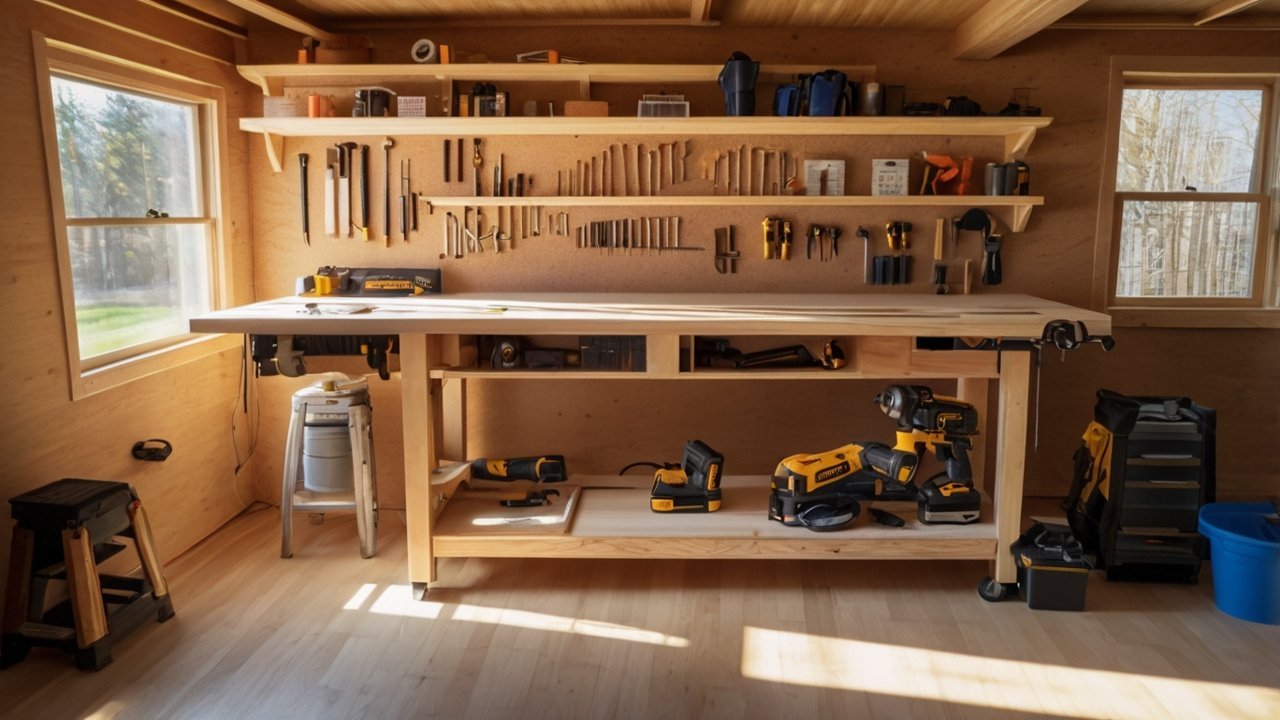
Optional Tools That Make Shed Building Easier
By this point, your shed building tools checklist should already cover the essentials: measuring tools, cutting tools, fastening equipment, framing tools, and safety gear.
Technically, you could complete most backyard shed projects using only those basics.
However, as many DIY builders quickly discover, a few optional tools can make the process faster, more accurate, and significantly less physically demanding.
The good news is that these upgrades aren’t required. They’re simply tools that become valuable as your woodworking skills grow or if you plan to tackle additional projects in the future.
For beginners, it’s often wise to complete one shed project before investing heavily in advanced equipment.
When Optional Tools Are Worth Considering
Optional tools become more useful when:
-
Building larger sheds
-
Working alone
-
Completing multiple DIY projects
-
Handling repetitive cutting or fastening tasks
-
Creating a dedicated woodworking workspace
The key is understanding the difference between a helpful upgrade and an unnecessary purchase.
Many experienced woodworkers gradually add tools as new projects create genuine needs.
This approach helps prevent overspending while ensuring every tool earns its place in the workshop.
Expanding Beyond a Basic Shed Building Tools Checklist
After building a shed, many homeowners discover they enjoy woodworking more than expected.
Projects often lead to more projects.
You might find yourself building:
-
Workbenches
-
Storage cabinets
-
Garden planters
-
Outdoor furniture
-
Tool organizers
If that’s the case, investing in additional equipment may provide long-term value beyond the shed itself.
Our collection of easy woodworking projects offers several beginner-friendly ideas that pair well with the skills learned during shed construction.
Air Compressors and Nail Guns in a Shed Building Tools Checklist
One of the most common upgrades DIY builders consider is a pneumatic fastening system.
Pros and Cons of Air Compressors
An air compressor can power several useful tools, including:
-
Framing nailers
-
Finish nailers
-
Brad nailers
-
Air blowers
For larger shed projects, nail guns can dramatically reduce fastening time.
Instead of manually driving hundreds of fasteners, you can secure framing members quickly and consistently.
Advantages include:
-
Faster assembly
-
Reduced hand fatigue
-
Consistent fastening depth
-
Increased productivity
Potential drawbacks include:
-
Higher initial investment
-
Additional maintenance
-
Learning curve for safe operation
For most first-time builders, a cordless drill remains sufficient. However, builders planning multiple outdoor projects often find compressors increasingly useful over time.
A unit such as the CRAFTSMAN Air Compressor is commonly used by DIY enthusiasts who want to expand beyond basic hand and power tools.
Are Nail Guns Necessary for Shed Construction?
The short answer is no.
Many excellent sheds have been built entirely with screws and basic hand tools.
However, nail guns can make certain tasks more efficient, particularly when assembling:
-
Wall framing
-
Roof structures
-
Exterior trim
-
Sheathing panels
The decision largely depends on your future woodworking goals.
If this is a one-time project, a drill may be all you need. If you’re planning years of DIY projects, pneumatic tools can become valuable additions.
Portable Workbenches and Tool Organization
One of the most overlooked parts of a successful shed build is maintaining an organized workspace.
Why Portable Workbenches Improve Efficiency
A portable workbench provides a stable surface for:
-
Measuring materials
-
Cutting lumber
-
Assembling components
-
Organizing tools
Without a dedicated workspace, tools often end up scattered around the project area.
This can lead to:
-
Lost time
-
Reduced accuracy
-
Increased safety risks
Even a simple folding workbench can dramatically improve workflow during construction.
Many hobbyists discover that organization becomes just as important as tool selection once projects become larger and more complex.
Tool Storage Helps Prevent Common DIY Frustrations
Few things are more frustrating than searching for a misplaced tape measure when you’re in the middle of a project.
Simple organization systems can help:
-
Keep frequently used tools accessible
-
Protect equipment from weather
-
Reduce clutter
-
Improve job-site safety
Many builders create dedicated storage areas inside the shed once construction is complete.
If maximizing storage is one of your goals, our guide on shed storage ideas offers practical solutions for organizing tools and equipment efficiently.
A Smart Upgrade for Future Projects
As your collection grows, you may eventually decide to invest in a cordless tool system.
Many DIY builders appreciate the convenience of using batteries that work across multiple tools.
Rather than purchasing equipment separately, some homeowners choose a cordless combo kit that includes a drill, impact driver, and other commonly used tools.
The important thing is selecting tools based on actual project needs rather than accumulating equipment unnecessarily.
Optional Tools Should Support Your Goals
The purpose of an optional tool is not to replace skill or planning.
Instead, these upgrades should help make projects safer, more efficient, and more enjoyable.
A thoughtful shed building tools checklist starts with essentials and expands gradually as your experience grows. By focusing on tools that solve real problems, you’ll build a workshop that supports both your current shed project and many future woodworking adventures.
Final Shed Building Tools Checklist Before You Begin
After reviewing all the tools covered in this guide, it’s clear that building a shed doesn’t require a massive workshop or a professional contractor’s tool collection.
What matters most is having the right tools for the job and knowing how to use them safely and effectively.
A complete shed building tools checklist helps you stay organized, avoid costly delays, and approach your project with confidence. Whether you’re building a small garden shed, a storage building, or a backyard workshop, preparation can make the entire process smoother and more enjoyable.
Before purchasing materials or cutting your first board, take a few minutes to review your tools and workspace. Doing so can save time, reduce frustration, and help prevent common beginner mistakes.
Why a Shed Building Tools Checklist Matters
Many DIY builders focus heavily on lumber, roofing, and design plans while overlooking tool preparation.
Unfortunately, discovering you’re missing an essential tool halfway through construction can bring progress to a halt.
A well-prepared shed building tools checklist helps you:
-
Work more efficiently
-
Maintain construction accuracy
-
Improve job-site safety
-
Reduce unnecessary trips to the hardware store
-
Stay focused on the project
The goal isn’t to own every available tool. Instead, it’s about identifying the tools that provide the greatest value for your specific project.
If you’re still finalizing your overall shed design, our guide on garden shed plans can help you match your tool needs to the type of shed you’re planning to build.
Building Confidence Before Construction Begins
One of the biggest challenges for beginners isn’t the physical work—it’s uncertainty.
Questions such as:
-
Do I have enough tools?
-
Am I missing something important?
-
Can I actually build this myself?
These concerns are completely normal.
The good news is that most successful DIY builders start with the same doubts.
By following a structured shed building tools checklist, you’re already taking an important step toward reducing mistakes and improving your chances of success.
Many first-time builders are surprised by how much progress they can make with a simple set of well-chosen tools and a solid plan.
Must-Have Tools in a Shed Building Tools Checklist
If you’re trying to keep costs manageable, focus on acquiring the essentials first.
These tools can handle the majority of backyard shed projects.
Core Tools Every Beginner Should Have
At minimum, your shed building tools checklist should include:
Measuring and Layout Tools
-
Tape measure
-
Speed square
-
Chalk line
-
Carpenter pencil
Cutting Tools
-
Circular saw
-
Utility knife
-
Handsaw
Fastening Tools
-
Cordless drill
-
Drill bits
-
Exterior screws
-
Hammer
Framing and Leveling Tools
-
Level
-
Framing square
-
Clamps
Safety Equipment
-
Safety glasses
-
Hearing protection
-
Dust mask
-
Work gloves
-
Work boots
These tools provide a strong foundation for most DIY shed projects.
For beginners setting up a more permanent workspace, our guide on woodworking shop layouts and essential tools offers additional ideas for organizing equipment efficiently.
Nice-to-Have Tool Upgrades
Once you’ve completed a few projects, you may decide to expand your toolkit.
Popular upgrades include:
-
Miter saw
-
Air compressor
-
Nail gun
-
Portable workbench
-
Impact driver
-
Tool storage system
These tools aren’t required, but they can improve efficiency and convenience as your woodworking experience grows.
A common approach is to purchase upgrades only when a specific project creates a genuine need.
This helps prevent clutter and keeps spending focused on practical improvements.
Preparing Your Workspace Before You Start
Even the best tools become less effective in a poorly organized workspace.
Simple Workspace Preparation Tips
Before construction begins:
-
Clear the work area
-
Organize tools by task
-
Verify batteries are charged
-
Check safety equipment
-
Review shed plans
-
Confirm material quantities
These small steps can make the project feel far more manageable.
Experienced builders often spend a few minutes preparing their workspace at the start of each day. This habit improves productivity and helps reduce unnecessary mistakes.
A Final Recommendation for Beginners
If you’re completely new to shed construction, consider reviewing a detailed set of building plans before starting.
Many DIY hobbyists find that comprehensive shed plans help eliminate guesswork during construction and make tool selection easier.
Resources such as My Shed Plans can provide project layouts, material lists, and step-by-step guidance that complement the tools discussed throughout this guide.
The key is to use plans as a learning tool rather than relying solely on trial and error.
Final Thoughts on Your Shed Building Tools Checklist
Building a shed is one of the most rewarding woodworking projects a homeowner can tackle.
You’ll learn practical skills, gain confidence using tools, and create something useful that can serve your property for years.
A reliable shed building tools checklist isn’t about buying the most expensive equipment available. It’s about preparing properly, working safely, and choosing tools that match your project goals.
Start with the essentials, build your skills gradually, and upgrade your toolkit as experience grows.
With the right preparation, your shed project can become more than just a storage solution—it can be the beginning of a long and enjoyable DIY woodworking journey.
Frequently Asked Questions About a Shed Building Tools Checklist
If you’re planning your first shed project, it’s normal to have questions about tools, costs, and construction methods. Below are some of the most common questions beginners ask when creating a shed building tools checklist.
What Tools Do I Need to Build a Basic Shed?
For most backyard shed projects, you don’t need a professional workshop full of equipment.
A basic shed building tools checklist should include:
-
Tape measure
-
Speed square
-
Circular saw
-
Cordless drill
-
Hammer
-
Level
-
Clamps
-
Safety glasses
-
Hearing protection
These tools are sufficient for measuring, cutting, fastening, framing, and assembling a typical storage shed.
Many first-time builders are surprised by how much they can accomplish with a relatively small collection of tools.
Can I Build a Shed Without Power Tools?
Yes, it’s possible.
Before modern power tools became common, sheds were built entirely with hand tools.
You can use:
-
Handsaws instead of circular saws
-
Manual screwdrivers instead of drills
-
Hand planes for adjustments
However, power tools dramatically reduce construction time and physical effort.
For most DIY hobbyists, a circular saw and cordless drill provide the greatest return on investment because they handle the majority of shed-building tasks efficiently.
Is a Circular Saw Enough for a Beginner Shed Project?
In many cases, yes.
A circular saw is one of the most versatile tools in a shed building tools checklist.
It can handle:
-
Stud cutting
-
Floor framing
-
Roof rafters
-
Plywood sheathing
-
Siding panels
While tools such as miter saws and table saws can improve efficiency, they are not required for most beginner projects.
Many successful DIY shed builders complete their first structure using only a circular saw for major cutting tasks.
Should I Buy or Rent Shed Building Tools?
The answer depends on your long-term plans.
Renting may make sense if:
-
You only plan to build one shed
-
You need specialized equipment temporarily
-
Storage space is limited
Buying often makes sense if:
-
You enjoy DIY projects
-
You plan future woodworking builds
-
You want tools available when needed
Many homeowners discover that building a shed leads to additional projects such as workbenches, garden planters, storage cabinets, and outdoor furniture.
If that’s the case, owning a core set of tools becomes increasingly valuable.
What Is the Most Important Tool in a Shed Building Tools Checklist?
Many people expect the answer to be a circular saw or cordless drill.
In reality, measuring tools are often the most important.
Accurate measurements affect:
-
Foundation layout
-
Wall framing
-
Roof construction
-
Door installation
-
Material usage
A small measuring mistake can create problems throughout the entire project.
That’s why experienced woodworkers often repeat the phrase:
Measure twice, cut once.
Good measuring habits frequently save more time than any power tool upgrade.
How Can I Avoid Common Shed Building Mistakes?
Most beginner mistakes happen because of rushed planning rather than lack of skill.
A few practical ways to avoid problems include:
-
Follow detailed shed plans
-
Verify measurements regularly
-
Check level and square often
-
Organize tools before starting
-
Wear proper safety equipment
-
Use exterior-rated fasteners
You can also learn from other builders by reviewing our guide on shed building mistakes to avoid.
A little preparation before construction begins often prevents hours of frustration later.
Are Expensive Tools Necessary for Building a Shed?
Not at all.
Many beginners assume better results require premium tools.
In practice, skill, patience, and proper technique matter far more than expensive equipment.
A modest collection of reliable tools can produce excellent results when used correctly.
Focus on:
-
Accuracy
-
Safety
-
Consistency
-
Good planning
As your experience grows, you can gradually upgrade your toolkit based on the types of projects you enjoy building.
What Safety Equipment Should Be Included in a Shed Building Tools Checklist?
Every DIY builder should have:
-
Safety glasses
-
Hearing protection
-
Dust mask or respirator
-
Work gloves
-
Durable work boots
Organizations such as OSHA consistently emphasize the importance of personal protective equipment when operating power tools.
Safety gear is one of the most affordable investments you can make, and it helps ensure your woodworking projects remain enjoyable and injury-free.
By understanding the tools, safety practices, and planning strategies discussed throughout this guide, you’ll be well prepared to tackle your first shed project with confidence.
Conclusion
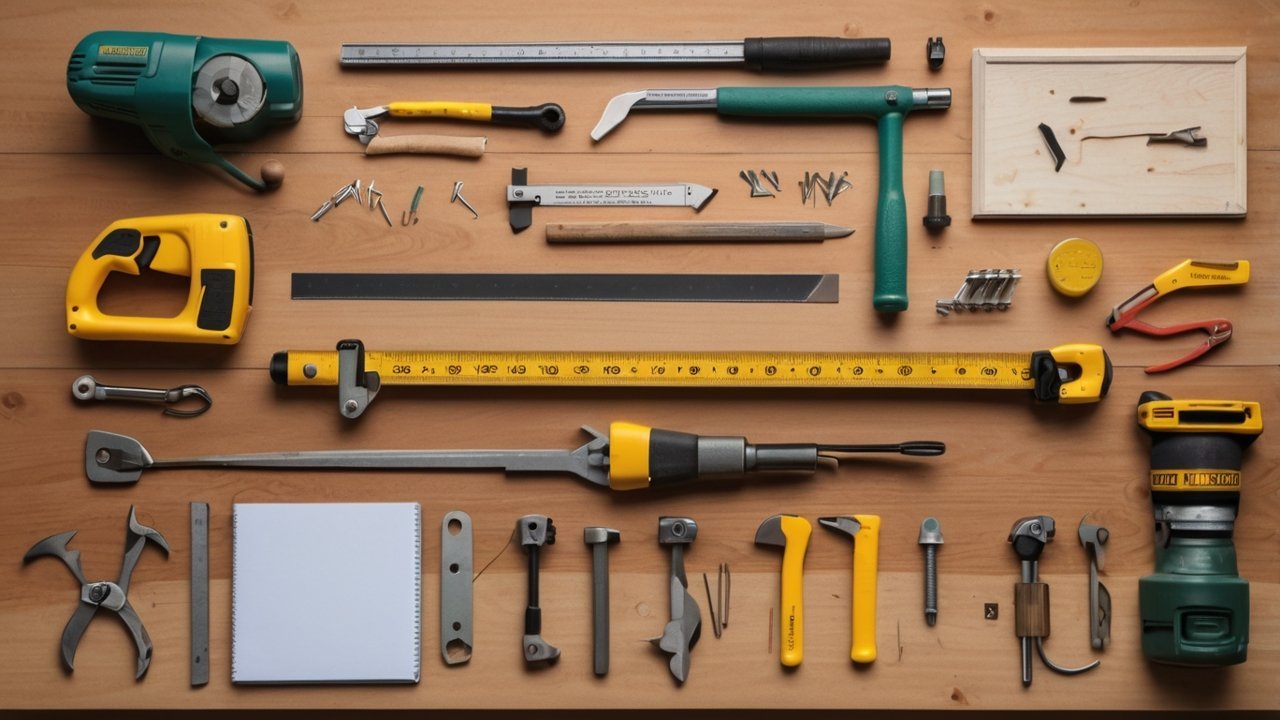
Building a shed may seem like a challenging project at first, but having a well-organized shed building tools checklist makes the process much more manageable. The right tools help you work accurately, stay safe, and avoid many of the common mistakes that frustrate first-time builders.
Throughout this guide, we’ve covered the essential tools needed for measuring, cutting, fastening, framing, and leveling a shed. We’ve also explored important safety equipment and a few optional upgrades that can make construction easier as your DIY skills grow.
The most important takeaway is that successful shed building isn’t about owning the largest collection of tools. It’s about understanding which tools you actually need and using them correctly. A tape measure, circular saw, drill, level, and a few basic hand tools can accomplish far more than many beginners expect.
Before you begin, take time to review your plans, organize your workspace, and confirm that your tools are ready. A little preparation upfront can save hours of rework later.
If you’re still planning your project, you may find these resources helpful:
Whether you’re building a simple storage shed or a larger backyard workshop, the right preparation and a reliable shed building tools checklist will help you approach the project with confidence.
Start with the essentials, focus on safety, and enjoy the process. Every completed shed is more than just extra storage space—it’s proof of the skills and experience you’ve gained along the way.