Backyard Survival Garden Layout: 7 Reliable Garden Ideas
Have you ever wondered if your backyard could provide a reliable source of fresh food during uncertain times? A well-planned backyard survival garden layout can help you grow more food efficiently, even if you’re working with limited space or gardening experience.
More homeowners are turning to survival gardening as a practical way to improve food security, lower grocery costs, and become a little more self-sufficient. But without the right layout, it’s easy to waste space, struggle with maintenance, or end up with disappointing harvests. That’s where smart planning makes all the difference.
The good news is you don’t need a huge property or expert-level skills to build a productive backyard food garden. With the right setup, even beginners can create an organized, manageable space that supports healthy crop growth season after season.
In this guide, you’ll learn how to design a backyard survival garden layout that fits your space, supports your goals, and helps you grow with confidence.
What Is a Backyard Survival Garden?
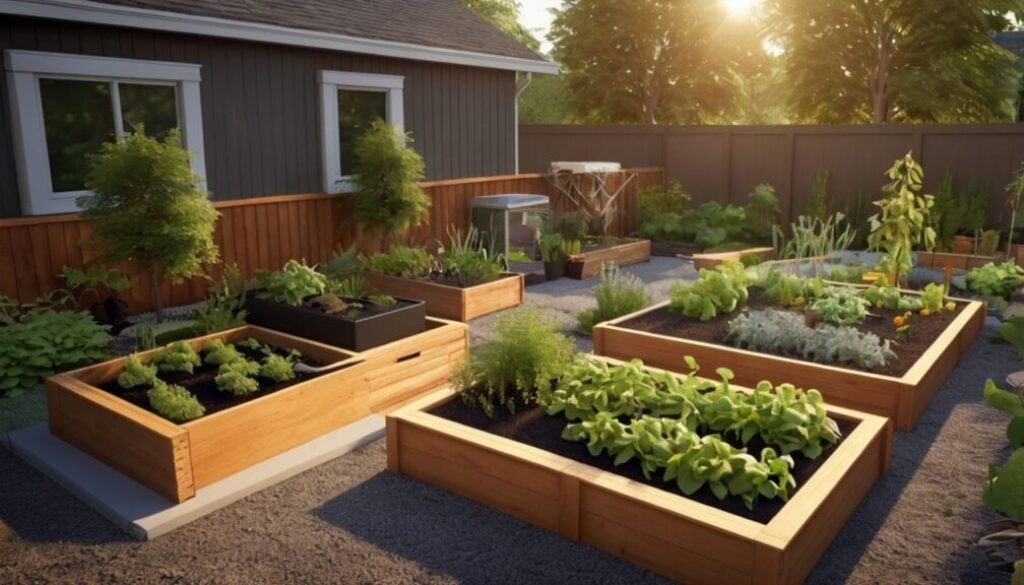
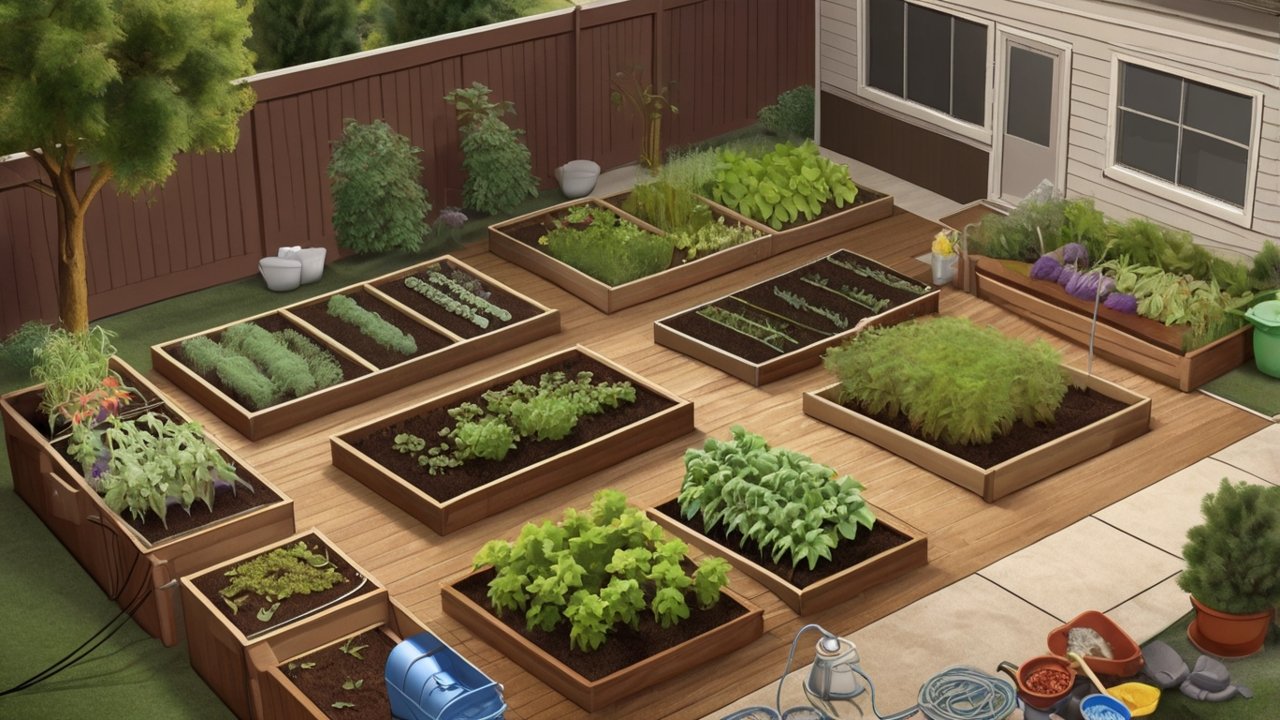
A well-planned backyard survival garden layout can turn an ordinary outdoor space into a productive source of fresh food throughout the year. For beginners, the idea might sound complicated at first, especially if you’ve never grown vegetables or built raised beds before. But in reality, survival gardening is less about perfection and more about creating a practical system that works for your home, budget, and lifestyle.
Unlike decorative landscaping, a survival garden focuses on useful crops that support everyday cooking and long-term food production. The goal is simple: grow reliable vegetables, herbs, and staple foods while making smart use of the available space in your backyard.
Many homeowners are also combining gardening with simple DIY woodworking projects to build raised beds, storage benches, compost bins, and vertical planters. If you enjoy hands-on projects, these beginner woodworking projects can help you build useful garden structures without needing advanced tools or experience.
This article may contain affiliate links. If you purchase through these links, we may earn a small commission at no extra cost to you.
Why a Backyard Survival Garden Layout Matters
A thoughtful backyard survival garden layout helps beginners avoid many common gardening mistakes. Without a clear layout, it’s easy to overcrowd plants, block sunlight, or waste valuable growing space.
A practical layout improves:
-
Sunlight exposure
-
Water access
-
Air circulation
-
Harvest efficiency
-
Weed control
-
Seasonal crop rotation
Even a small backyard can become surprisingly productive when organized carefully.
Many experienced gardeners recommend starting with a simple layout first. According to advice commonly shared by communities like Fine Woodworking and home gardening forums, beginner-friendly systems are usually easier to maintain consistently over time.
Backyard Survival Garden Layout for Small Spaces
You don’t need a large property to build a productive survival garden. One of the biggest misconceptions beginners have is thinking they need a huge backyard to grow meaningful amounts of food.
A compact backyard survival garden layout can still produce plenty of vegetables if the space is used efficiently. Raised beds, vertical growing systems, and narrow pathways often work better than spreading plants randomly across the yard.
For small-space gardening, many DIY hobbyists focus on:
-
Raised garden beds
-
Vertical planters
-
Trellises for climbing vegetables
-
Container gardening
-
Compost corners
-
Rainwater collection systems
If you’re planning to upgrade your outdoor area, these budget-friendly backyard design ideas can help you create a more organized and functional garden setup.
Choosing the Right Crops for a Backyard Survival Garden Layout
One of the smartest ways to simplify your first garden is choosing reliable crops that grow well in most backyard environments.
Beginner-friendly survival crops often include:
-
Tomatoes
-
Potatoes
-
Beans
-
Lettuce
-
Carrots
-
Zucchini
-
Onions
-
Herbs like basil and parsley
These vegetables fit naturally into most backyard survival garden layout plans and usually don’t require advanced gardening experience.
Companion planting can also help improve crop health. For example, basil is commonly planted near tomatoes, while marigolds are often used to discourage certain pests naturally.
For homeowners interested in long-term self-sufficiency, this guide on growing food in your backyard offers practical beginner advice that pairs well with survival gardening.
Beginner Backyard Survival Garden Layout Ideas
The best survival garden layouts are usually the simplest. Complicated designs often become difficult to maintain, especially during hot weather or busy seasons.
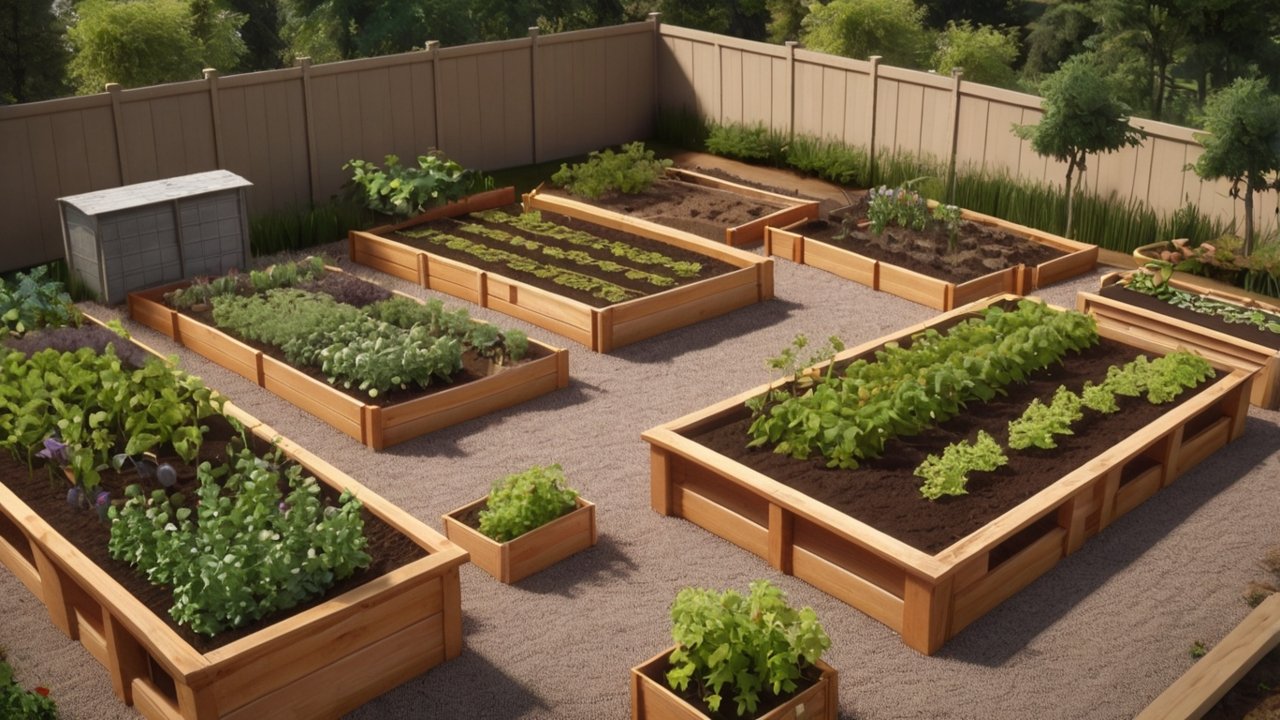
Most beginners find success with rectangular raised beds arranged in rows or grids. This setup creates easier walking paths and makes watering more manageable.
Raised Beds vs In-Ground Gardening
A common beginner question is whether raised beds are worth the effort. In many situations, they are.
Raised beds provide several practical advantages:
-
Better soil drainage
-
Easier weed control
-
Improved organization
-
Cleaner walking areas
-
Simpler seasonal maintenance
However, raised beds do require some upfront construction work. In-ground gardening costs less initially but can become harder to manage if the soil quality is poor.
For DIY hobbyists who enjoy woodworking, building garden beds can be a rewarding weekend project. These outdoor woodworking projects include several beginner-friendly ideas that work well for backyard gardening spaces.
Practical Backyard Survival Garden Layout Tools
You don’t need an expensive workshop or professional-grade equipment to start gardening. Most beginners can begin with a small collection of practical tools and upgrade gradually over time.
Useful starter tools include:
-
Hand trowel
-
Garden rake
-
Pruning shears
-
Watering wand
-
Gardening gloves
-
Soil scoop
Many gardeners also prefer using pre-made raised bed kits to simplify setup. This recommended raised garden bed setup can help beginners create a cleaner and more organized planting area without needing advanced woodworking skills.
For smaller yards, vertical systems are another practical option. This practical gardening solution works well for herbs, strawberries, and compact vegetables while saving ground space.
Keeping Your Backyard Survival Garden Layout Realistic
One of the most important lessons beginners learn is that gardening always involves some trial and error. Weather changes, pests appear unexpectedly, and certain crops simply perform better than others depending on your region.
That’s completely normal.
Instead of trying to build a massive survival garden immediately, focus on creating a manageable layout that you can maintain consistently. A smaller backyard survival garden layout that stays productive season after season is usually more effective than an oversized garden that becomes overwhelming halfway through summer.
With patience, practical planning, and steady improvements each year, even beginners can create a reliable backyard garden that supports long-term self-sufficiency and DIY living.
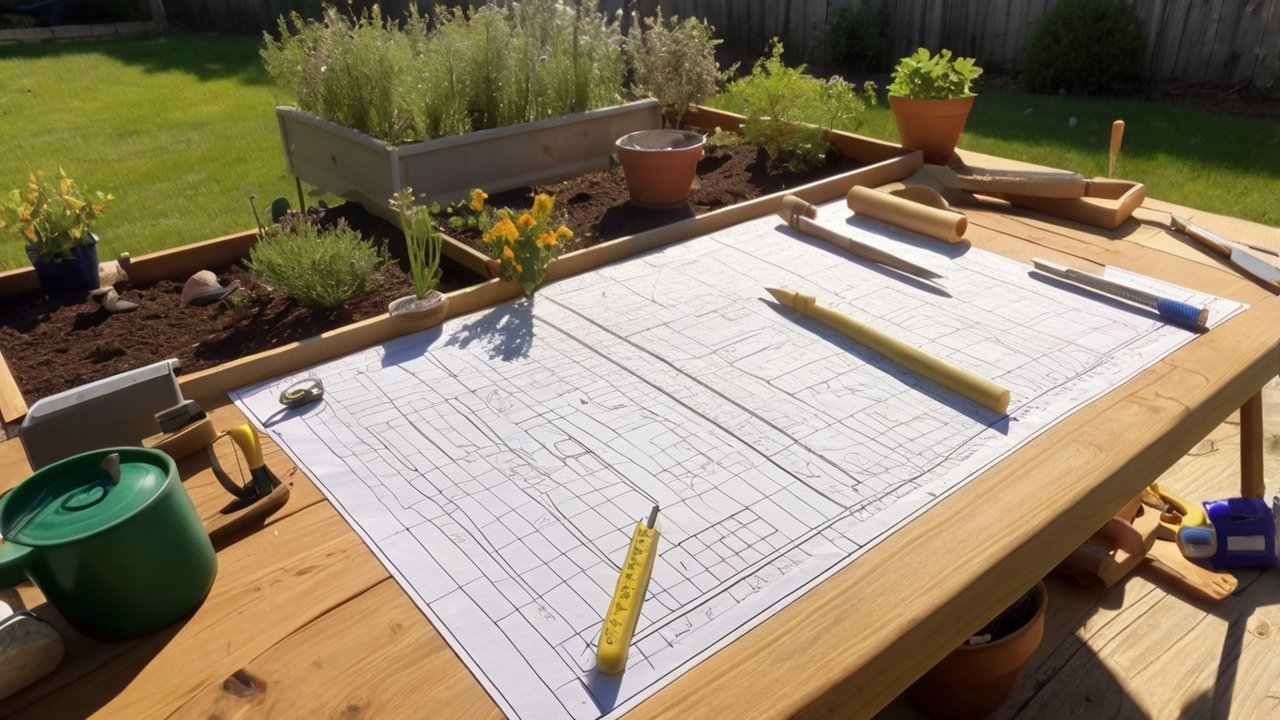
Planning Your Backyard Survival Garden Layout
A successful backyard survival garden layout starts with careful planning, not expensive tools or complicated designs. Many beginners rush into planting without thinking about sunlight, spacing, or water access. That usually leads to overcrowded beds, weak harvests, and extra maintenance later in the season.
The good news is that planning a productive garden doesn’t need to feel overwhelming. A simple, organized layout often works far better than an oversized or overly complicated setup.
Before building anything permanent, spend a few days observing your backyard. Notice where the sunlight hits during the morning and afternoon. Most vegetables grow best with at least six hours of direct sunlight daily, especially tomatoes, beans, peppers, and squash.
A smart layout also makes everyday gardening easier. Walking paths, watering access, and bed spacing all matter more than many beginners expect.
If you’re building garden structures yourself, these easy small woodworking projects can help you practice practical DIY skills before taking on larger outdoor builds.
This article may contain affiliate links. If you purchase through these links, we may earn a small commission at no extra cost to you.
Backyard Survival Garden Layout Planning for Beginners
The easiest way to start planning a backyard survival garden layout is by dividing your space into simple zones. This approach keeps the garden organized and easier to maintain throughout the year.
A beginner-friendly layout often includes:
-
Raised garden beds
-
Walking paths
-
Composting space
-
Water collection area
-
Vertical growing section
-
Tool storage corner
Keeping these areas separate prevents the garden from becoming cluttered as plants mature.
Many experienced DIY gardeners recommend starting with two to four raised beds during the first season. That gives beginners enough room to learn without creating more maintenance than they can realistically handle.
Measuring Space in a Backyard Survival Garden Layout
One common mistake beginners make is underestimating how much room plants need once they fully grow.
Tomatoes, squash, and cucumbers can spread quickly and block airflow if planted too closely together. Poor spacing often leads to fungal problems, weak production, and difficult harvesting later in the season.
A practical rule for a beginner backyard survival garden layout is leaving enough walking space between beds for comfortable movement and wheelbarrow access.
Most raised bed pathways work well at:
-
18–24 inches for small footpaths
-
30–36 inches for wheelbarrow access
Keeping pathways mulched also helps reduce weeds and muddy areas after rain.
For homeowners working with limited space, vertical gardening can dramatically improve production without expanding the garden footprint.
This practical gardening solution is useful for herbs, lettuce, strawberries, and compact vegetables in smaller backyards.
Choosing the Best Backyard Survival Garden Layout Style
Not every garden layout works equally well for every property. Your available space, soil condition, climate, and maintenance goals all influence the right setup.
For most beginners, simpler layouts are easier to maintain consistently.
Raised Bed Backyard Survival Garden Layout
Raised beds remain one of the most beginner-friendly options for survival gardening. They improve drainage, simplify soil control, and make crop organization much easier.
Advantages of raised beds include:
-
Better soil quality control
-
Easier weed management
-
Cleaner pathways
-
Improved drainage
-
More organized planting
The main downside is the initial setup time and material cost. However, many DIY hobbyists prefer raised beds because they reduce long-term maintenance work.
If you enjoy woodworking projects, building raised beds can also become a rewarding outdoor DIY project. These outdoor woodworking projects include practical beginner-friendly builds for garden spaces.
Some gardeners also prefer pre-made kits to speed up installation. This recommended raised garden bed setup can help simplify the process for beginners who want a cleaner, more organized growing area.
In-Ground Backyard Survival Garden Layout
In-ground gardening works well for larger spaces and lower upfront costs. However, success depends heavily on your existing soil quality.
Clay-heavy or rocky soil often requires extra preparation before planting. Many beginners underestimate how much work soil improvement can take during the first season.
Still, in-ground gardens can produce excellent harvests when properly maintained. They’re especially useful for larger staple crops like potatoes, pumpkins, and corn.
According to advice commonly shared by gardening communities and publications like Popular Woodworking, many experienced gardeners combine both raised beds and in-ground planting for flexibility.
Water Access and Garden Efficiency
One of the most overlooked parts of a backyard survival garden layout is water access. Carrying heavy watering cans across the yard every day quickly becomes exhausting during hot weather.
Whenever possible, place beds near:
-
Outdoor faucets
-
Rain barrels
-
Drip irrigation systems
-
Water storage containers
Efficient watering saves time and helps plants stay healthier during dry periods.
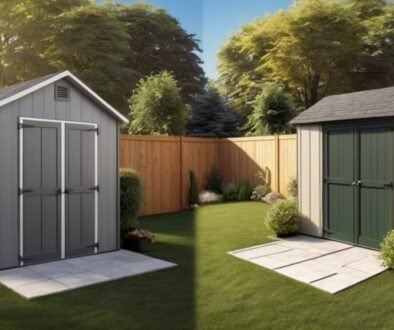
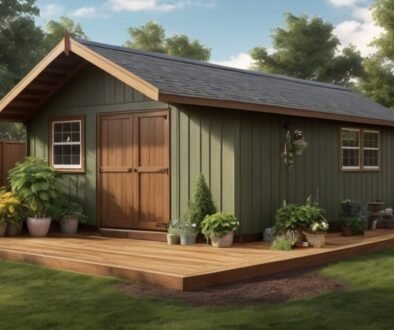
Many hobbyists eventually add simple rainwater collection systems to support long-term sustainability goals. If your backyard includes storage sheds or outdoor workspaces, these garden shed ideas can help organize tools and gardening supplies more efficiently.
Keeping Your Backyard Survival Garden Layout Manageable
The most successful beginner gardens are usually the ones that stay manageable. It’s tempting to plant everything at once, but oversized gardens often become difficult to maintain halfway through summer.
A smaller, well-organized backyard survival garden layout usually produces better long-term results than a larger setup that becomes overwhelming.
Start with a simple layout, learn what grows well in your climate, and improve the garden gradually each season. Over time, those small improvements create a more productive, efficient, and enjoyable gardening space.
Best Crops for a Survival Garden
Choosing the right plants is one of the most important parts of building a productive backyard survival garden layout. Many beginners make the mistake of planting vegetables they rarely eat or crops that require constant attention. A survival garden works best when it focuses on reliable, practical food that fits your climate and cooking habits.
The goal isn’t to grow every vegetable possible. Instead, focus on crops that provide steady harvests, store well, and work naturally within your available space.
A smart backyard survival garden layout combines high-yield vegetables, easy beginner crops, and a few long-term perennial plants for year-round value.
If you’re still setting up your outdoor space, these backyard design ideas for outdoor spaces can help you create a more organized and productive gardening area.
This article may contain affiliate links. If you purchase through these links, we may earn a small commission at no extra cost to you.
High-Calorie Crops for a Backyard Survival Garden Layout
Not all vegetables provide the same level of food value. In a true survival garden, calorie-dense crops often become the foundation of the layout.
Some of the most practical high-calorie survival crops include:
-
Potatoes
-
Sweet potatoes
-
Corn
-
Beans
-
Winter squash
-
Peas
These vegetables produce larger harvests and can store longer than delicate greens or fast-spoiling crops.
Potatoes are especially popular because they grow well in many climates and store for months when kept cool and dry. Beans are another reliable option because they provide protein while taking up relatively little space.
Many experienced gardeners place these staple crops toward the back or outer edges of a backyard survival garden layout since they usually require more growing room.
Easy Vegetables for Beginner Survival Gardeners
For first-time gardeners, simple and dependable crops usually provide the best learning experience.
Beginner-friendly vegetables often include:
-
Lettuce
-
Zucchini
-
Radishes
-
Green beans
-
Tomatoes
-
Kale
-
Carrots
These plants grow relatively quickly and help beginners build confidence during the first season.
Tomatoes are one of the most rewarding beginner crops, but they do require support systems like cages or trellises. Many DIY hobbyists build simple wooden supports using ideas from these outdoor woodworking projects.
If you’re working with limited space, vertical growing methods can also improve productivity. This practical gardening solution works well for compact vegetables and herbs in smaller backyard gardens.
Companion Planting in a Backyard Survival Garden Layout
A well-organized backyard survival garden layout doesn’t just focus on spacing. Plant combinations also matter.
Companion planting is the practice of growing certain plants together to improve growth, reduce pests, or maximize space naturally.
Companion Planting for Backyard Survival Garden Layout Success
Some common companion planting combinations include:
-
Tomatoes and basil
-
Carrots and onions
-
Beans and corn
-
Lettuce and radishes
These pairings help create a healthier garden ecosystem while reducing some common pest issues naturally.
For example, onions may help discourage certain insects near carrots, while basil is often planted near tomatoes because many gardeners believe it supports healthier growth and improved flavor.
Companion planting also improves efficiency in smaller backyard survival garden layout designs by helping gardeners maximize limited space.
Crops to Avoid Planting Together
Just as some plants grow well together, others compete for nutrients or attract similar pests.
Common combinations gardeners often avoid include:
-
Tomatoes near potatoes
-
Onions near beans
-
Carrots near dill
-
Corn near tomatoes
These conflicts don’t always ruin a garden, but they can make maintenance harder for beginners.
Many gardening communities and publications like Fine Woodworking encourage beginners to keep notes each season. Tracking which crops perform well together helps improve future garden planning over time.
Perennial Plants in a Backyard Survival Garden Layout
Perennial crops are another valuable part of long-term survival gardening because they return year after year without replanting.
Popular perennial options include:
-
Asparagus
-
Rhubarb
-
Blueberries
-
Strawberries
-
Chives
-
Mint
These plants often require patience during the first season but become increasingly productive over time.
A practical backyard survival garden layout usually places perennial plants along borders or dedicated sections since they remain in place for multiple years.
Raised Beds vs In-Ground Crops
Some vegetables perform better in raised beds, while others grow well directly in the ground.
Raised beds are especially useful for:
-
Lettuce
-
Herbs
-
Carrots
-
Onions
-
Tomatoes
In-ground planting often works better for larger crops like corn, pumpkins, and potatoes.
For many beginners, combining both systems creates a more flexible and manageable garden.
If you’re building raised beds yourself, this beginner-friendly woodworking setup guide can help organize basic DIY tools for outdoor projects.
Some gardeners also prefer pre-made kits to simplify installation. This recommended raised garden bed setup is a practical option for beginners who want cleaner planting zones without complicated construction work.
Building a Realistic Crop Plan
One of the smartest ways to improve a backyard survival garden layout is focusing on crops your household actually uses regularly.
Growing unfamiliar vegetables might sound exciting at first, but practical gardening usually works better when tied to real meals and everyday cooking habits.
Start small, grow reliable crops, and expand gradually as your gardening experience improves. Over time, that approach creates a more productive and sustainable survival garden without turning maintenance into a full-time job.
Smart Layout Ideas for Small and Large Backyards
A productive backyard survival garden layout doesn’t need to look complicated. In fact, most experienced gardeners prefer simple layouts that are easy to maintain season after season. Whether you’re working with a tiny suburban yard or a larger homestead-style space, the goal is the same: maximize food production while keeping the garden practical and manageable.
For beginners, layout efficiency matters more than total garden size. A small, organized garden often produces better results than a large space with poor planning.
The key is choosing a layout style that matches your available space, sunlight conditions, and maintenance routine.
If you’re still organizing your outdoor area, these small shed storage ideas can help create additional room for gardening tools, soil, and seasonal supplies.
This article may contain affiliate links. If you purchase through these links, we may earn a small commission at no extra cost to you.
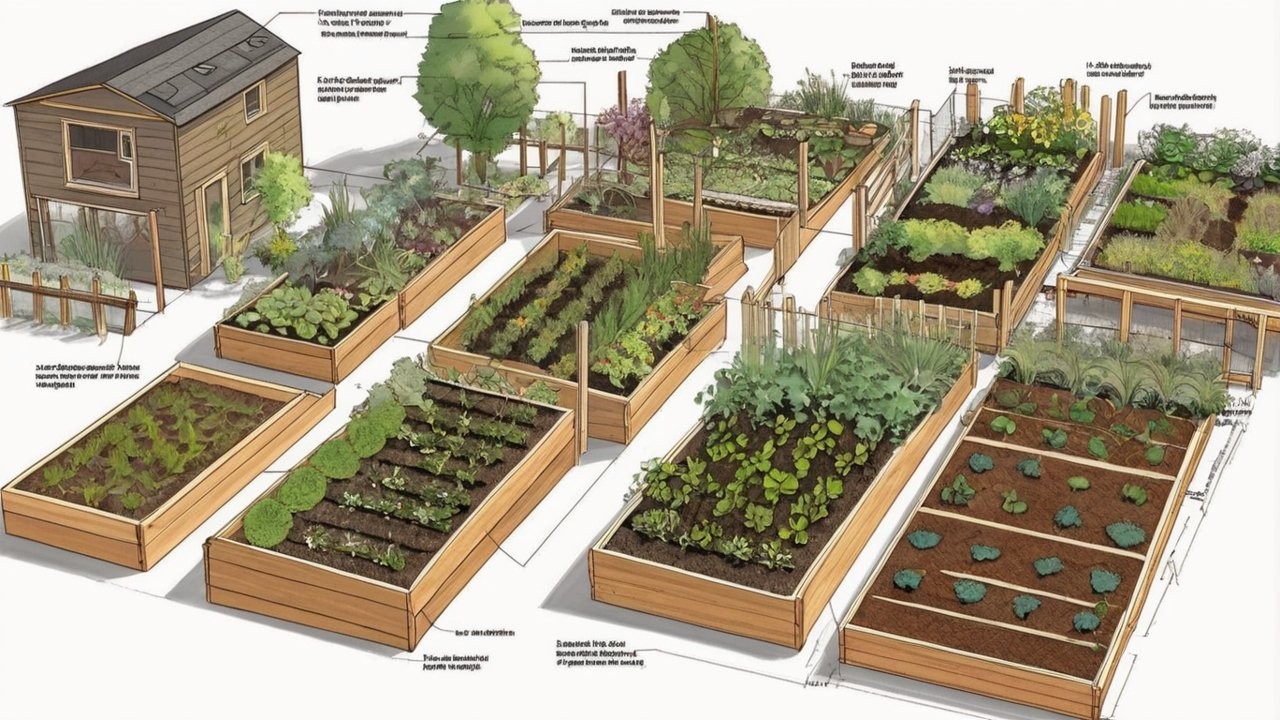
Grid-Style Backyard Survival Garden Layout
One of the most beginner-friendly garden designs is the grid layout. This approach divides growing areas into neat sections that are easier to organize, water, and maintain.
Grid layouts work especially well for:
-
Raised beds
-
Companion planting
-
Crop rotation
-
Small backyards
-
Intensive vegetable growing
Many gardeners use square-foot gardening methods within a backyard survival garden layout because it simplifies spacing and reduces wasted space.
For example, lettuce, carrots, onions, and herbs can grow efficiently in smaller grid sections without overcrowding nearby plants.
The organized appearance also makes harvesting easier and helps beginners quickly identify weeds or pest problems before they spread.
Why Simple Layouts Often Work Better
Complicated garden designs may look impressive online, but they often become difficult to maintain in real life.
Simple layouts provide several practical advantages:
-
Easier watering
-
Better airflow
-
Cleaner pathways
-
Faster harvesting
-
Simpler seasonal maintenance
Most experienced DIY gardeners eventually discover that accessibility matters just as much as plant selection.
According to many gardening communities and practical homesteading guides, gardens that are easy to maintain consistently usually stay healthier long term.
Vertical Backyard Survival Garden Layout Ideas
Vertical growing is one of the smartest ways to improve a backyard survival garden layout in smaller spaces. Instead of expanding outward, vertical gardening uses upward space for food production.
This method works especially well for:
-
Cucumbers
-
Pole beans
-
Peas
-
Tomatoes
-
Strawberries
-
Herbs
Vertical systems also improve airflow around plants, which may help reduce moisture-related fungal problems.
Backyard Survival Garden Layout for Small Yards
A small backyard can still support a surprisingly productive survival garden when vertical growing techniques are used strategically.
Some popular vertical gardening ideas include:
-
Wooden trellises
-
Wall planters
-
Hanging baskets
-
Tiered planters
-
Fence-mounted containers
Many DIY hobbyists build simple wooden trellises using leftover lumber from other projects. If you enjoy practical DIY work, these simple woodworking projects can help you create useful garden structures without needing advanced carpentry skills.
For gardeners who prefer ready-made systems, this practical gardening solution works well for compact vegetables and herbs in smaller spaces.
Using Zones in a Backyard Survival Garden Layout
Another effective planning method is dividing the garden into functional zones.
A zoned backyard survival garden layout often includes:
-
High-maintenance crops near the house
-
Perennial plants along borders
-
Compost areas farther away
-
Vertical crops near fences
-
Larger staple crops in open ground
This layout improves efficiency because frequently harvested vegetables stay within easier reach.
For example, herbs, lettuce, and tomatoes are commonly placed near patios or kitchen entrances since they’re used regularly during cooking.
Larger crops like corn, pumpkins, and potatoes can occupy sections farther from the house because they require less daily attention.
Compost and Water Collection Areas
Efficient gardens rely heavily on smart resource management. Composting and water collection are two features that can dramatically improve long-term garden sustainability.
Composting in a Backyard Survival Garden Layout
Compost adds nutrients back into the soil while reducing household waste. Many experienced gardeners consider composting essential for maintaining healthy vegetable production over time.
A practical compost area should:
-
Stay accessible year-round
-
Remain slightly shaded
-
Have good drainage
-
Sit close enough for convenience
-
Stay far enough away to avoid odors near seating areas
Simple wooden compost bins are also excellent beginner woodworking projects because they require basic cuts and minimal materials.
If you’re interested in outdoor DIY builds, these creative woodworking ideas include several functional backyard projects that pair naturally with gardening spaces.
Water Access and Garden Efficiency
One of the most overlooked parts of a backyard survival garden layout is water access. Carrying watering cans across the yard every day quickly becomes exhausting during hot weather.
Whenever possible, position beds near:
-
Outdoor faucets
-
Rain barrels
-
Hose connections
-
Drip irrigation systems
Mulched pathways also help conserve moisture while reducing mud and weeds after rain.
Some gardeners eventually add compact greenhouse systems to extend growing seasons for seedlings and sensitive crops. This beginner-friendly greenhouse option can help protect young plants during colder months without requiring a large permanent structure.
Keeping Layout Changes Realistic
One of the biggest lessons beginner gardeners learn is that layouts evolve over time. What works during the first season may need adjustment later as crops mature and gardening habits change.
That’s completely normal.
Instead of trying to build the “perfect” garden immediately, focus on creating a flexible backyard survival garden layout that can improve gradually each year.
A practical, manageable garden will almost always outperform an overly ambitious setup that becomes difficult to maintain halfway through the season.
Essential Tools and Materials for Beginners
Starting a survival garden doesn’t require a professional workshop or expensive equipment. A practical backyard survival garden layout can begin with a few reliable tools, basic materials, and a realistic plan. Many beginners actually make faster progress by keeping things simple during the first season.
The goal is to build a setup that’s easy to maintain without turning gardening into an overwhelming project. Over time, you can always expand the space, upgrade tools, or add new features as your experience grows.
A beginner-friendly garden usually focuses on practical tools that improve efficiency, reduce physical strain, and help maintain healthy soil conditions.
If you enjoy outdoor DIY projects, these easy woodworking builds for beginners can also help you create simple garden structures like raised beds, compost bins, and tool organizers.
This article may contain affiliate links. If you purchase through these links, we may earn a small commission at no extra cost to you.
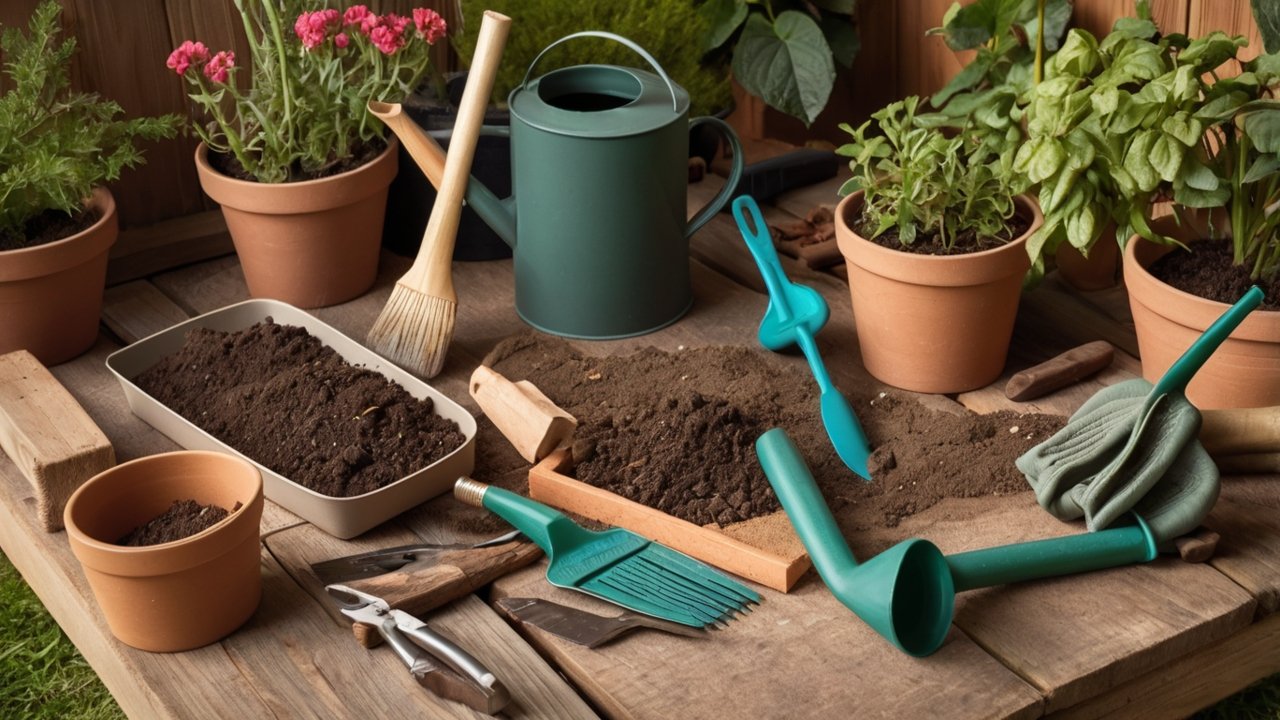
Basic Hand Tools for a Backyard Survival Garden Layout
Most beginner gardeners only need a handful of dependable tools to get started. Expensive specialty equipment usually isn’t necessary during the first growing season.
Some practical starter tools include:
-
Hand trowel
-
Garden hoe
-
Soil rake
-
Pruning shears
-
Gardening gloves
-
Watering wand
-
Shovel
These tools handle most daily gardening tasks, including planting, weeding, watering, harvesting, and soil preparation.
Many experienced gardeners recommend buying a few durable hand tools instead of collecting large sets of rarely used equipment. According to practical advice shared by gardening communities and DIY forums, simpler tool collections are often easier to organize and maintain.
Choosing Durable Gardening Materials
Material quality matters more than beginners sometimes realize. Cheap containers, weak garden edging, or poorly built raised beds often wear out quickly after a season or two.
For raised beds, many DIY hobbyists prefer naturally durable woods like cedar because they resist moisture and outdoor weather conditions better than untreated softwoods.
If you’re interested in building raised beds yourself, this guide on types of wood for furniture and outdoor projects can help beginners understand which wood species work best for outdoor garden structures.
Backyard Survival Garden Layout Soil Preparation Essentials
Healthy soil is one of the most important parts of a productive backyard survival garden layout. Even the best garden tools can’t compensate for poor soil conditions.
Good soil supports:
-
Strong root development
-
Better moisture retention
-
Improved nutrient absorption
-
Healthier plant growth
-
More reliable harvests
Improving Soil in a Backyard Survival Garden Layout
Many backyard soils need improvement before planting vegetables successfully. Clay-heavy soil may drain poorly, while sandy soil can dry out too quickly during hot weather.
A practical way to improve soil naturally is by adding:
-
Compost
-
Aged manure
-
Mulch
-
Organic matter
-
Leaf compost
Composting is especially valuable for long-term survival gardening because it gradually improves soil quality season after season.
Many gardeners build simple compost bins from leftover lumber or reclaimed wood. These creative woodworking ideas include several outdoor DIY projects that work well for garden organization.
Raised Beds vs In-Ground Soil
Raised beds give beginners more control over soil quality because the growing medium can be customized from the beginning.
Advantages of raised bed soil systems include:
-
Better drainage
-
Fewer weeds
-
Easier soil amendments
-
Cleaner pathways
-
Simpler seasonal maintenance
However, raised beds require additional setup materials and construction time.
In-ground gardening costs less initially but often requires more soil preparation depending on local conditions.
For many beginners, combining both systems creates a more flexible backyard survival garden layout while keeping startup costs manageable.
Some gardeners also prefer ready-made raised bed systems to simplify installation. This recommended raised garden bed setup works well for beginners who want a cleaner and more organized planting area without complex construction work.
Mulching and Weed Control Tips
Weed management becomes much easier when the garden is planned correctly from the beginning.
Mulching in a Backyard Survival Garden Layout
Mulch helps:
-
Retain soil moisture
-
Reduce weeds
-
Regulate soil temperature
-
Improve soil quality over time
-
Keep pathways cleaner after rain
Popular mulch options include:
-
Straw
-
Wood chips
-
Shredded leaves
-
Grass clippings
-
Pine needles
Many experienced gardeners apply mulch immediately after planting because it reduces maintenance throughout the growing season.
Wood chips are especially useful for walking paths inside a backyard survival garden layout because they suppress weeds while improving drainage during wet weather.
Organizing Tools and Garden Supplies
A cluttered workspace can quickly make gardening more frustrating, especially during busy planting seasons.
Simple storage systems help keep tools protected and easier to access. Many DIY gardeners eventually add small sheds, storage benches, or wall-mounted organizers near the garden area.
If you’re building a larger gardening workspace, these shed storage ideas offer practical ways to organize tools, soil bags, watering supplies, and seasonal equipment.
For beginners working in limited spaces, compact storage systems often work better than oversized sheds or complicated workshop setups.
Safety Tips for Beginner Gardeners
Safety is often overlooked in beginner gardening, especially during DIY construction projects.
When building raised beds or garden structures:
-
Wear eye protection when cutting wood
-
Use gloves while handling rough lumber
-
Keep pathways level to prevent trips
-
Store sharp tools safely after use
Basic OSHA workshop safety practices also apply to outdoor DIY gardening projects, especially when using power tools or pressure-treated materials.
A well-organized backyard survival garden layout should feel manageable, safe, and practical to maintain over time. Starting with simple tools, healthy soil, and realistic expectations usually creates a far better gardening experience than trying to build an oversized setup too quickly.
How to Maintain a Backyard Survival Garden Year-Round
A productive backyard survival garden layout doesn’t stop working after the first harvest. Long-term success comes from consistent maintenance, seasonal planning, and realistic gardening habits that fit your schedule. Many beginners focus heavily on planting but underestimate how important ongoing care becomes throughout the year.
The good news is that garden maintenance gets easier once you build simple routines. A well-organized garden naturally reduces unnecessary work while helping plants stay healthier during changing weather conditions.
For most DIY gardeners, the goal isn’t perfection. It’s creating a manageable system that continues producing reliable food season after season.
If you’re expanding your outdoor workspace, these garden shed plans for backyard organization can help store tools, soil, and seasonal gardening supplies more efficiently.
This article may contain affiliate links. If you purchase through these links, we may earn a small commission at no extra cost to you.
Seasonal Planning for a Backyard Survival Garden Layout
One of the easiest ways to reduce stress in the garden is planning crops by season. Different vegetables perform better during cool or warm weather, and rotating crops helps improve long-term soil health.
Cool-season crops often include:
-
Lettuce
-
Kale
-
Spinach
-
Carrots
-
Peas
-
Radishes
Warm-season crops usually include:
-
Tomatoes
-
Beans
-
Peppers
-
Cucumbers
-
Corn
-
Squash
A successful backyard survival garden layout often combines both seasonal categories to extend harvest periods throughout the year.
Many experienced gardeners also stagger planting times instead of planting everything at once. This approach creates more consistent harvests while reducing overwhelming maintenance during peak growing periods.
Crop Rotation in a Backyard Survival Garden Layout
Crop rotation is one of the most overlooked beginner gardening habits, yet it can make a major difference over time.
Planting the same crops repeatedly in one location may:
-
Deplete soil nutrients
-
Increase pest problems
-
Encourage plant diseases
-
Reduce overall yields
Rotating crop families each season helps keep soil healthier and more balanced.
For example:
-
Tomatoes move to a different bed
-
Beans replace heavy-feeding crops
-
Root vegetables shift locations yearly
Many gardening communities and practical homesteading guides recommend keeping a simple notebook or garden map to track crop placement from season to season.
Watering and Soil Health Basics
Healthy soil and proper watering routines are the foundation of a reliable backyard survival garden layout. Overwatering and underwatering are both common beginner mistakes.
Watering Tips for a Backyard Survival Garden Layout
Most vegetables prefer deep watering sessions instead of frequent shallow watering. Deep watering encourages stronger root systems and better drought resistance.
A few practical watering habits include:
-
Water early in the morning
-
Avoid wetting plant leaves excessively
-
Use mulch to reduce evaporation
-
Check soil moisture before watering again
Drip irrigation systems are popular because they conserve water while reducing moisture-related diseases.
For gardeners managing smaller spaces, this practical gardening solution can help maximize growing efficiency while simplifying watering access in compact layouts.
Mulching and Soil Improvement
Mulching becomes especially valuable during hot weather because it helps stabilize soil moisture and reduce weeds naturally.
Popular mulch materials include:
-
Straw
-
Shredded leaves
-
Wood chips
-
Grass clippings
-
Pine needles
Over time, organic mulch also improves soil structure as it breaks down naturally.
Compost is another important long-term investment for any backyard survival garden layout. Kitchen scraps, leaves, and garden waste can gradually become nutrient-rich soil amendments that improve future harvests.
If you enjoy outdoor DIY builds, these creative woodworking projects include practical compost bin and garden storage ideas for hobbyists.
Pest Prevention Without Harsh Chemicals
Every gardener deals with pests eventually. The key is reducing damage without creating unnecessary risks for beneficial insects, pets, or edible crops.
Natural Pest Control for a Backyard Survival Garden Layout
Many gardeners use simple prevention methods before turning to stronger treatments.
Practical natural pest control strategies include:
-
Companion planting
-
Hand-picking insects
-
Row covers
-
Healthy soil management
-
Crop rotation
-
Encouraging pollinators
Marigolds, basil, and certain herbs are commonly planted near vegetables because they may help discourage some garden pests naturally.
Healthy plants are also far more resistant to disease and insect damage than stressed or overcrowded crops.
According to recommendations commonly shared by gardening communities and extension programs, proper spacing and airflow are some of the most effective forms of pest prevention.
Harvest Storage and Garden Organization
Maintaining a backyard survival garden layout also includes planning for harvest storage.
Some crops store well for weeks or months, including:
-
Potatoes
-
Onions
-
Garlic
-
Winter squash
-
Dried beans
Cool, dry storage spaces help extend shelf life significantly.
Many DIY gardeners eventually add simple shelving systems, storage bins, or compact sheds for preserving seeds and organizing harvest supplies. This recommended seed storage organizer can help beginners keep seeds protected and easier to sort between growing seasons.
Keeping Your Backyard Survival Garden Layout Sustainable
One of the most important parts of year-round gardening is keeping the process realistic. Oversized gardens often become difficult to maintain once summer heat, weeds, and harvest schedules increase.
A manageable backyard survival garden layout usually produces better long-term results than a larger setup that becomes exhausting halfway through the season.
Start with practical routines, improve soil gradually, and adjust the garden each year based on what works best in your climate and daily life.
Over time, those steady improvements create a healthier, more productive garden that supports long-term self-sufficiency without becoming overwhelming for beginners.
Common Backyard Survival Garden Mistakes to Avoid
Building a productive backyard survival garden layout takes patience, planning, and realistic expectations. Most beginner gardeners make a few mistakes during their first season, and that’s completely normal. The good news is that many common problems are easy to avoid once you understand how survival gardens actually function over time.
The biggest issue usually isn’t lack of effort. It’s trying to do too much too quickly.
A simple, organized garden that matches your available time and space almost always performs better than an oversized setup that becomes difficult to maintain halfway through the season.
If you’re still organizing your outdoor workspace, these storage shed plans for backyard organization can help create a cleaner and more efficient gardening area.
This article may contain affiliate links. If you purchase through these links, we may earn a small commission at no extra cost to you.
Overplanting in a Backyard Survival Garden Layout
One of the most common beginner mistakes is planting too much at once. It’s easy to get excited during spring planting season, especially after seeing large homestead gardens online.
However, overcrowded gardens often create problems like:
-
Poor airflow
-
Increased fungal diseases
-
Difficult harvesting
-
Higher water competition
-
Faster weed growth
Tomatoes, squash, cucumbers, and pumpkins are especially known for spreading aggressively if spacing is ignored.
A practical backyard survival garden layout leaves enough room for mature plant growth, not just seedlings. Many experienced gardeners recommend following seed packet spacing guidelines during the first season until you better understand how different crops behave in your climate.
Ignoring Sunlight and Water Access
Sunlight and water placement can completely change how productive a survival garden becomes.
Vegetables like tomatoes, beans, peppers, and squash usually require:
-
6–8 hours of direct sunlight
-
Consistent watering access
-
Good airflow
-
Well-draining soil
Planting beds too far from water sources often becomes frustrating during hot summer weather. Carrying heavy watering cans across the yard every day quickly turns simple maintenance into exhausting work.
Many beginner-friendly garden layouts position raised beds close to:
-
Outdoor faucets
-
Rain barrels
-
Garden hoses
-
Storage sheds
A thoughtful layout saves time and helps maintain healthier plants throughout the growing season.
Backyard Survival Garden Layout Spacing Mistakes
Poor spacing is another issue that causes unnecessary maintenance problems.
Backyard Survival Garden Layout Pathway Problems
Walking paths may seem unimportant at first, but narrow or muddy pathways quickly become frustrating once plants mature.
A practical backyard survival garden layout should allow enough room for:
-
Comfortable walking
-
Wheelbarrow movement
-
Harvest access
-
Weeding and pruning
-
Hose management
Mulched paths also help reduce weeds and improve drainage after rain.
Wood chips, straw, or shredded leaves are commonly used because they break down naturally over time while improving soil quality around pathways.
If you enjoy outdoor DIY projects, these simple woodworking projects include several practical builds that work well for garden walkways, compost bins, and storage solutions.
Raised Beds vs Oversized Garden Sections
Many beginners create garden beds that are too wide to reach comfortably from either side.
Most raised beds work best between:
-
3–4 feet wide
-
6–8 feet long
This sizing allows easier planting, harvesting, and maintenance without stepping into the soil.
Stepping inside beds repeatedly can compact soil and reduce healthy root development over time.
According to gardening communities and practical DIY gardening forums, smaller organized beds are usually easier to maintain consistently than large unmanaged growing areas.
Soil and Crop Selection Mistakes
Healthy soil matters more than fancy tools or expensive garden structures.
Poor Soil Preparation in a Backyard Survival Garden Layout
One common beginner mistake is planting directly into poor soil without preparation.
Compacted clay soil or nutrient-deficient ground can limit plant growth significantly.
A healthier backyard survival garden layout often includes:
-
Compost
-
Organic matter
-
Mulch
-
Crop rotation
-
Seasonal soil improvement
Composting kitchen scraps and yard waste is one of the easiest long-term ways to improve soil naturally.
For gardeners building compost bins or raised beds, these outdoor woodworking projects provide beginner-friendly ideas for practical backyard structures.
Choosing Difficult Crops Too Early
Some vegetables are simply harder for beginners to manage.
Corn, cauliflower, celery, and large melons often require:
-
Longer growing seasons
-
More nutrients
-
Consistent watering
-
Extra pest management
Instead, beginner gardeners usually have better success starting with:
-
Lettuce
-
Beans
-
Potatoes
-
Tomatoes
-
Zucchini
-
Herbs
Simple crops build confidence while helping you understand your local growing conditions.
Backyard Survival Garden Layout Maintenance Mistakes
A survival garden only stays productive when maintenance remains realistic.
Skipping Regular Garden Maintenance
Small maintenance problems become much larger when ignored for weeks at a time.
Common neglected tasks include:
-
Weeding
-
Mulching
-
Watering
-
Pest monitoring
-
Pruning
-
Harvesting ripe vegetables
Even 10–15 minutes of daily garden attention can prevent larger problems later.
Many experienced gardeners also recommend keeping a simple gardening notebook to track planting dates, crop performance, and seasonal adjustments.
Buying Too Many Tools Too Early
Another beginner mistake is overbuying equipment before learning which tools are actually useful.
A basic garden setup usually only requires:
-
Hand trowel
-
Garden rake
-
Pruners
-
Gloves
-
Watering equipment
Over time, you can upgrade based on your specific gardening style and available space.
Some beginners also prefer simple pre-made systems while learning. This recommended raised garden bed setup offers a practical way to create organized planting areas without complicated construction work.
Keeping Expectations Realistic
One of the most valuable gardening lessons is understanding that every season teaches something new.
Weather changes, pests appear unexpectedly, and certain crops perform differently each year. That doesn’t mean you failed.
A manageable backyard survival garden layout that improves gradually over time is far more sustainable than trying to build an oversized “perfect” garden immediately.
Start simple, focus on consistency, and make adjustments each season. That steady approach usually creates healthier gardens, better harvests, and a far more enjoyable DIY gardening experience in the long run.
Frequently Asked Questions About Backyard Survival Garden Layout
How big should a backyard survival garden be?
A beginner-friendly backyard survival garden layout doesn’t need to be huge. Many gardeners start with 2–4 raised beds or a few small growing sections. The key is building a manageable garden that you can maintain consistently throughout the season. Starting small also helps beginners learn spacing, watering, and crop rotation without becoming overwhelmed.
What vegetables are best for a survival garden?
Reliable survival garden crops usually include potatoes, beans, tomatoes, lettuce, carrots, onions, zucchini, and herbs. These vegetables are beginner-friendly, productive, and useful for everyday meals. Many gardeners also choose calorie-dense crops like potatoes and beans because they store well and support long-term food production.
Is raised bed gardening better for beginners?
In many cases, yes. Raised beds improve drainage, simplify soil management, and make weed control easier. A raised-bed backyard survival garden layout is often easier for beginners to organize and maintain compared to large in-ground gardens. However, in-ground gardening can still work well if your soil quality is healthy and properly prepared.
How much sunlight does a backyard survival garden need?
Most vegetables need at least 6–8 hours of direct sunlight daily. Crops like tomatoes, peppers, cucumbers, and squash perform especially well in full sun. Leafy greens may tolerate partial shade, but productive survival gardens generally benefit from strong sunlight exposure throughout the growing season.
What is the easiest survival crop for beginners?
Many beginner gardeners find lettuce, green beans, radishes, and zucchini among the easiest crops to grow. These plants grow quickly, require minimal maintenance, and help new gardeners build confidence during their first season.
Conclusion
Creating a productive backyard survival garden doesn’t require a massive property, advanced gardening experience, or expensive equipment. A practical backyard survival garden layout simply focuses on smart planning, reliable crops, and manageable maintenance routines that fit your lifestyle.
The most successful beginner gardens usually start small and improve gradually over time. Raised beds, vertical growing systems, composting areas, and organized pathways can all make gardening easier and more productive without turning it into a full-time job.
Whether you’re interested in food security, self-sufficiency, or simply growing healthier food at home, survival gardening offers a rewarding long-term DIY project that continues improving season after season.
As your experience grows, your garden layout will naturally evolve too. The important part is getting started with a realistic plan that you can maintain consistently.
If you’re looking for additional DIY inspiration, these self-sufficient backyard ideas and beginner gardening tips can help you continue building a more practical and sustainable outdoor space.