Simple Woodworking Projects: 15 Easy Beginner Builds
Have you ever wanted to build something with your own hands but didn’t know where to start? Simple woodworking projects are the perfect way to turn that curiosity into confidence. Whether you’re looking to upgrade your home decor or explore a creative hobby, simple woodworking projects offer a practical, affordable entry point into the world of DIY craftsmanship.
The beauty of these projects lies in their accessibility. You don’t need a full workshop or years of experience—just a few basic tools and a willingness to learn. From small wood projects like shelves and storage boxes to easy woodworking ideas that make thoughtful handmade gifts, the possibilities are endless. Plus, working with wood helps you develop real, hands-on skills while creating items you can actually use.
If you’ve been searching for beginner wood projects that are both rewarding and manageable, you’re in the right place. Let’s explore how simple woodworking projects can help you build skills, save money, and create something truly meaningful.

Chapter 1: Why Simple Woodworking Projects Are Perfect for Beginners
Getting started with simple woodworking projects can feel intimidating at first. You might wonder whether you need a full workshop or expensive equipment. The truth is, you don’t. Most beginner wood projects require only basic tools, a small workspace, and a clear plan.
In fact, experienced contributors from Fine Woodworking Magazine and the Woodworkers Guild of America consistently recommend starting small. Simple woodworking projects allow you to build skills gradually while minimizing costly mistakes. That steady progress builds confidence — and confidence keeps you moving forward.
If you’re unsure where to begin, explore these structured ideas inside this guide on
👉 Easy Small Woodworking Projects for Beginners
Starting with manageable builds helps you focus on learning instead of troubleshooting.
Simple Woodworking Projects Require Minimal Tools
One major advantage of simple woodworking projects is their low startup cost. You don’t need a professional-grade workshop. Most beginners start with:
-
A measuring tape
-
A circular saw or hand saw
-
A cordless drill
-
Clamps
-
Sandpaper
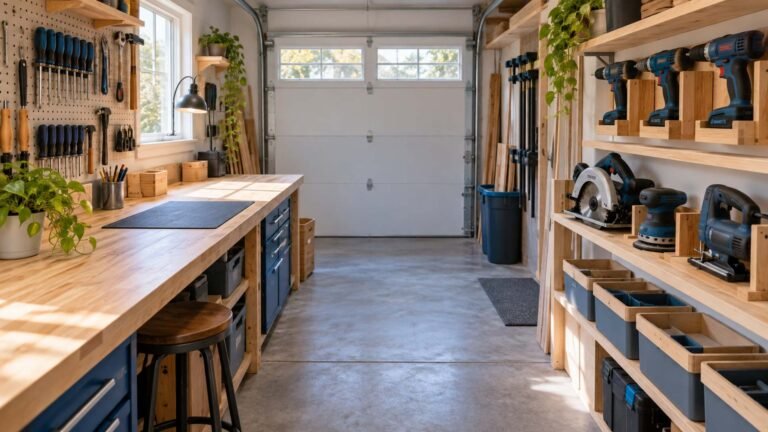
Before investing heavily, it helps to understand proper shop setup. This guide on
👉 Setup Woodworking Shop Layouts and Essential Tools
explains how to organize even a small garage efficiently.
If you’re serious about scaling your hobby or building multiple projects efficiently,
👉 Explore this Ultimate Small Shop DIY System
A structured shop system can be the best solution for hobbyists who want better workflow and long-term efficiency.
Beginner Woodworking Projects Build Practical Skills
Simple woodworking projects teach essential fundamentals that apply to larger builds later.
For example:
-
Building a shelf improves measuring accuracy
-
Making a box strengthens corner alignment
-
Creating a tray develops sanding and finishing technique
If you want to deepen your understanding of structural strength, reviewing
👉 Wood Joinery Techniques – 10 Must-Know Types for DIY Projects
can significantly improve durability and craftsmanship.
Even finishing matters. Sanding and sealing correctly separates amateur builds from polished results. You can refine that skill using
👉 Top Wood Finishing Techniques to Get a Pro Look Every Time
Small builds become powerful learning tools.
Why Starting Small Is the Smartest Strategy
Jumping into complex furniture too early often leads to frustration. Instead, focus on progression.
Pros of Starting with Simple Woodworking Projects
-
Lower material cost
-
Faster completion time
-
Reduced risk of major errors
-
Strong skill foundation
Cons of Starting Too Big
-
Higher lumber waste
-
More measurement errors
-
Increased safety risks
-
Greater tool investment
Gradual progression builds mastery.
If you plan to expand into larger outdoor builds like sheds or storage units,
👉 Build Your Own Shed with This Step-by-Step Plan
Following structured, affordable DIY plans reduces guesswork and helps beginners avoid costly miscalculations.
DIY vs Store-Bought: A Smart Comparison
Many people ask whether it’s worth building instead of buying.
| DIY Build | Store-Bought |
|---|---|
| Custom dimensions | Standard sizes only |
| Skill development | No learning involved |
| Lower long-term cost | Retail markup |
| Personal satisfaction | Instant convenience |
While store-bought furniture saves time, DIY builds offer long-term value. With each completed project, your confidence grows — and so does your ability.
Simple woodworking projects are more than beginner exercises. They are stepping stones toward craftsmanship, creativity, and even potential income opportunities.
Now that you understand why starting small makes sense, let’s move forward and explore the essential tools you truly need to get started.
Chapter 2: Essential Tools for Simple Woodworking Projects
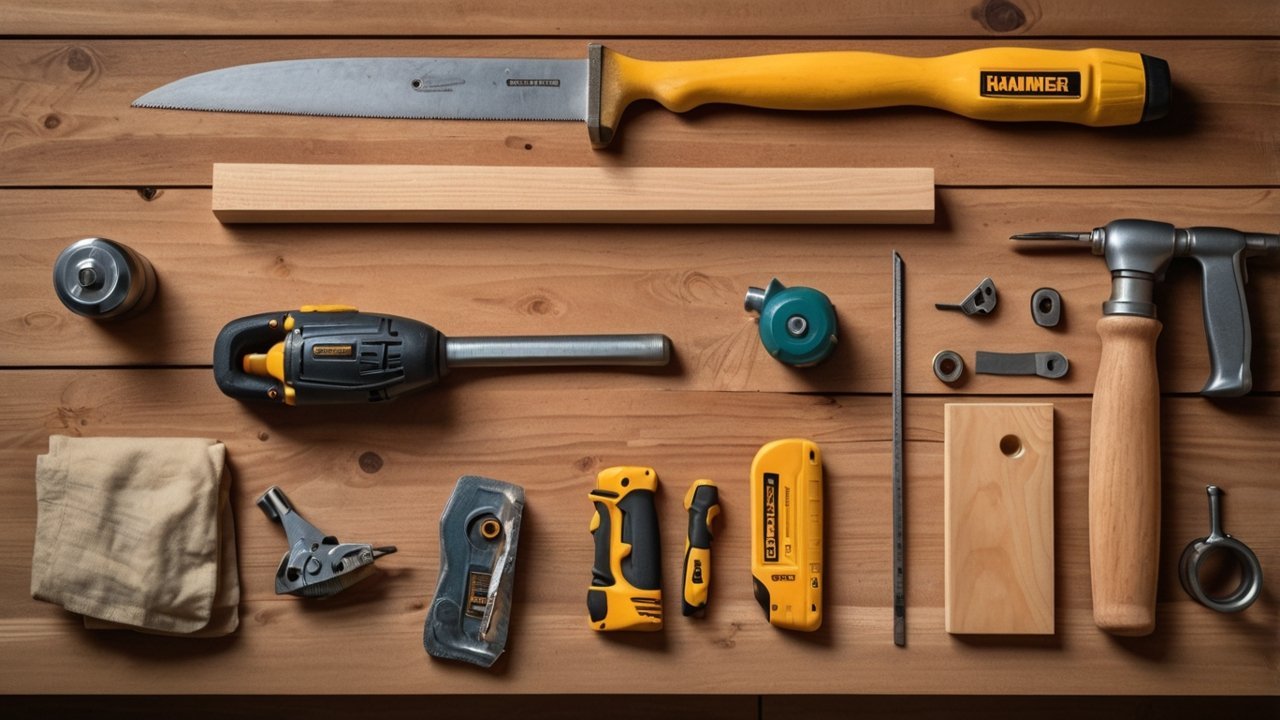
Before starting your first build, having the right tools makes everything easier. You don’t need expensive machinery to complete simple woodworking projects. Most beginner woodworking projects rely on a few essential tools that are affordable, safe, and practical.
According to guidance shared by the Woodworkers Guild of America, mastering basic tools first improves accuracy and reduces mistakes. Skill always matters more than tool quantity.
If you’re still planning your workspace, review this helpful guide:
👉 Setup Woodworking Shop Layouts and Essential Tools
A well-organized space improves safety and efficiency.
Basic Tools for Simple Woodworking Projects
Most simple woodworking projects require only these core tools:
-
Measuring tape – For accurate dimensions
-
Combination square – Ensures straight lines and right angles
-
Hand saw or circular saw – For clean cuts
-
Cordless drill – Drives screws and drills pilot holes
-
Clamps – Keeps wood steady during assembly
-
Sandpaper (80–220 grit) – Smooths surfaces before finishing
A cordless drill is often considered a recommended tool because it handles multiple tasks efficiently.
If you want structured guidance that lists required tools for each build,
👉 Browse Affordable Woodworking Plans for Beginners
Clear instructions help you avoid buying unnecessary equipment.
Hand Tools vs Power Tools for Beginner Woodworking Projects
Many beginners wonder whether they should invest in power tools immediately. The answer depends on your goals and budget.
Hand Tools – Advantages and Drawbacks
Pros:
-
Lower cost
-
Greater control for small cuts
-
Quiet operation
Cons:
-
Slower project completion
-
More physical effort
Hand tools are ideal for early simple woodworking projects like boxes, trays, and shelves.
Power Tools – Advantages and Drawbacks
Pros:
-
Faster cutting
-
More consistent results
-
Ideal for repetitive tasks
Cons:
-
Higher upfront investment
-
Requires careful safety practice
If you plan to scale your hobby or build multiple projects efficiently,
👉 Explore the Ultimate Small Shop DIY System
A structured shop layout can be the best solution for long-term productivity.
Safety Equipment You Should Never Skip
Safety should always come first. OSHA woodworking safety guidelines highlight eye protection and dust control as essential measures.
Always use:
-
Safety glasses – Protects against flying debris
-
Dust mask or respirator – Reduces inhalation of fine particles
-
Hearing protection – Important when using saws
-
Work gloves – Helps prevent splinters
Proper ventilation is also critical, especially during sanding and finishing.
If you’re exploring larger outdoor builds, this resource can help:
👉 Outdoor Woodworking Projects – 10 Easy DIY Builds
Following clear plans improves both safety and results.
Upgrading Tools as Your Skills Grow
As your confidence improves, you may consider adding specialized tools such as:
-
Random orbital sander
-
Miter saw
-
Wood planer
Before purchasing advanced tools, review educational guides like:
👉 Woodworking Planers – How They Work and Top Picks
Understanding tool function helps you make cost-effective decisions.
Smart Investment Strategy for Beginners
When starting simple woodworking projects:
-
Buy mid-range tools from reputable brands.
-
Avoid the cheapest option if durability matters.
-
Upgrade gradually as your projects expand.
If you’re considering bigger structures like sheds or workshops,
👉 Build Your Own Shed with This Step-by-Step Plan
Structured, affordable DIY plans reduce material waste and improve long-term results.

Chapter 3: 15 Simple Woodworking Projects You Can Build Today
Now comes the exciting part — building. These simple woodworking projects are beginner-friendly, affordable, and practical. Each one strengthens core skills like measuring, cutting, sanding, and assembling.
Experienced woodworking communities consistently recommend starting with manageable builds. Small successes create momentum. If you’re looking for structured inspiration, explore:
👉 Woodworking Projects – 10 Easy Builds for Beginners
Clear step-by-step instructions reduce frustration and help you build confidently.
1. Floating Shelves – A Classic Beginner Woodworking Project
Floating shelves are one of the most popular simple woodworking projects. They teach:
-
Straight cutting
-
Wall anchoring
-
Load support basics
They also instantly upgrade any room.
For more entry-level ideas, check out:
👉 Beginner Woodworking Projects – 10 Easy Builds to Try
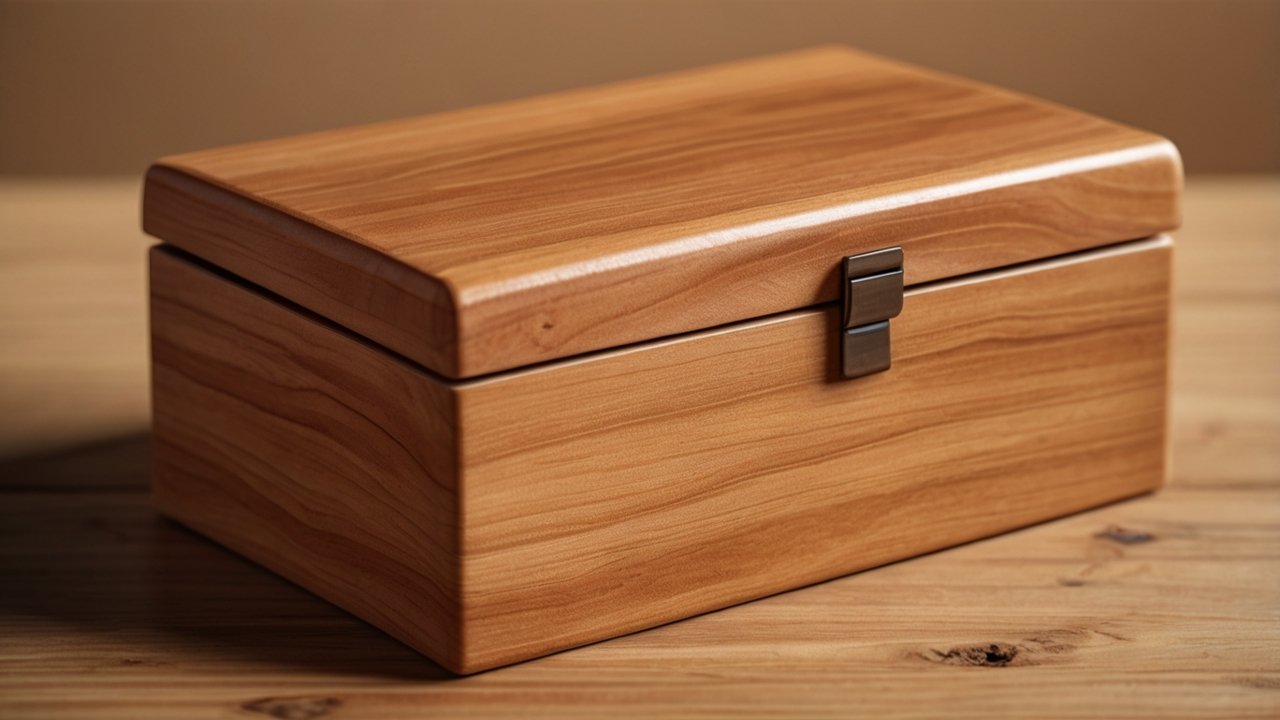
2. Wooden Storage Box – Small but Skill-Building
A storage box may look simple, but it teaches precise alignment and corner joints.
To improve durability, review:
👉 Wood Joints Explained – 15 Essential Joints for Woodworkers
Stronger joints mean longer-lasting builds.
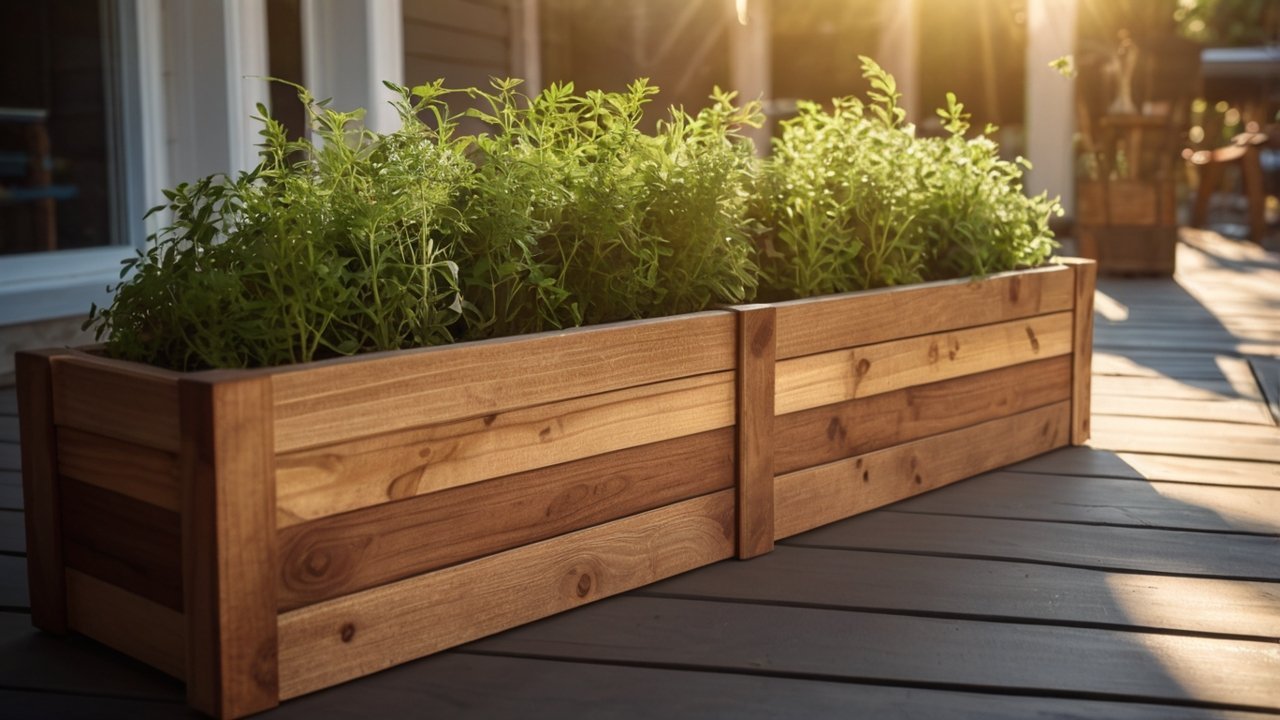
3. DIY Planter Box – Perfect Outdoor Starter Build
Planter boxes are forgiving and practical. Even minor measurement mistakes rarely affect usability.
Before starting outdoor projects, understand material selection:
👉 Types of Wood – Complete Guide for Every Project
If you’re thinking bigger,
👉 Build Your Own Shed with This Step-by-Step Plan
Structured, affordable DIY plans often provide the best solution for scaling outdoor builds safely.
Indoor Simple Woodworking Projects That Upgrade Your Home
4. Rustic Wooden Picture Frame
Small and affordable, this project improves edge cutting and sanding technique.
5. Wooden Serving Tray
Serving trays develop handle-cut precision and finishing skills.
To achieve a polished look, explore:
👉 Top Wood Finishing Techniques to Get a Pro Look Every Time
6. Wall-Mounted Key Holder
A key holder is one of the easiest woodworking ideas for beginners. It requires minimal material and offers immediate functionality.
Small Furniture Builds for Beginner Woodworking Projects
7. Entryway Shoe Rack
This build introduces weight support and spacing alignment.
8. Simple Coffee Table
A coffee table teaches structural balance and load-bearing basics.
DIY vs Store-Bought Comparison
| DIY Coffee Table | Store-Bought |
|---|---|
| Custom dimensions | Fixed sizes |
| Lower material cost | Retail markup |
| Skill development | No learning |
DIY builds offer long-term value and personalization.
9. Wooden Bench
Benches strengthen your understanding of frame support and stability.
For rustic inspiration, review:
👉 Rustic Woodworking Ideas – 25 Ways to Add Warmth and Character
Decorative Simple Woodworking Projects
10. Birdhouse
A birdhouse is beginner-safe and family-friendly.
11. Wooden Candle Holders
Small projects like these sharpen sanding and finishing technique.
12. Cutting Board
Cutting boards introduce hardwood use and food-safe finishing.
Before selecting materials, review:
👉 Types of Wood for Furniture – 10 Best Options and Uses
Practical Storage and Organization Builds
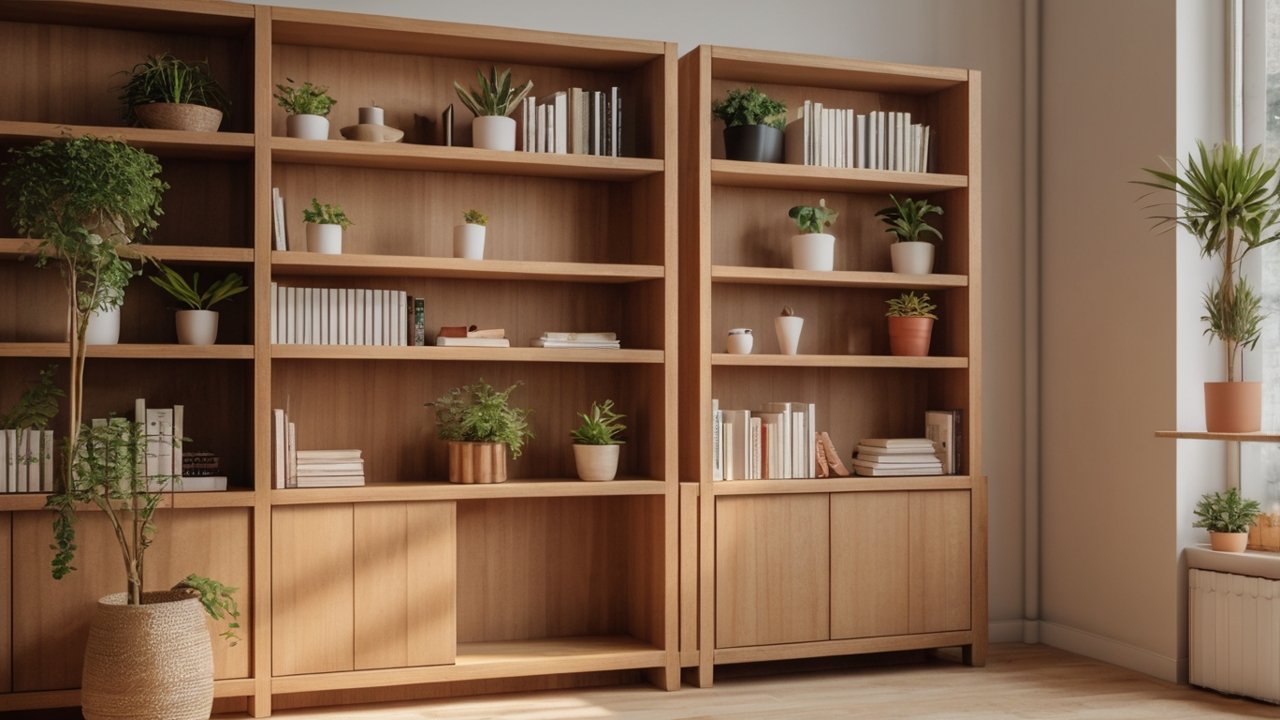
13. Basic Bookshelf
Bookshelves combine structural strength and alignment precision.
14. Nightstand
A simple nightstand builds confidence in small furniture assembly.
For larger structural builds,
👉 Explore the Ultimate Small Shop DIY System
Organized workflow is often the best solution for producing consistent results.
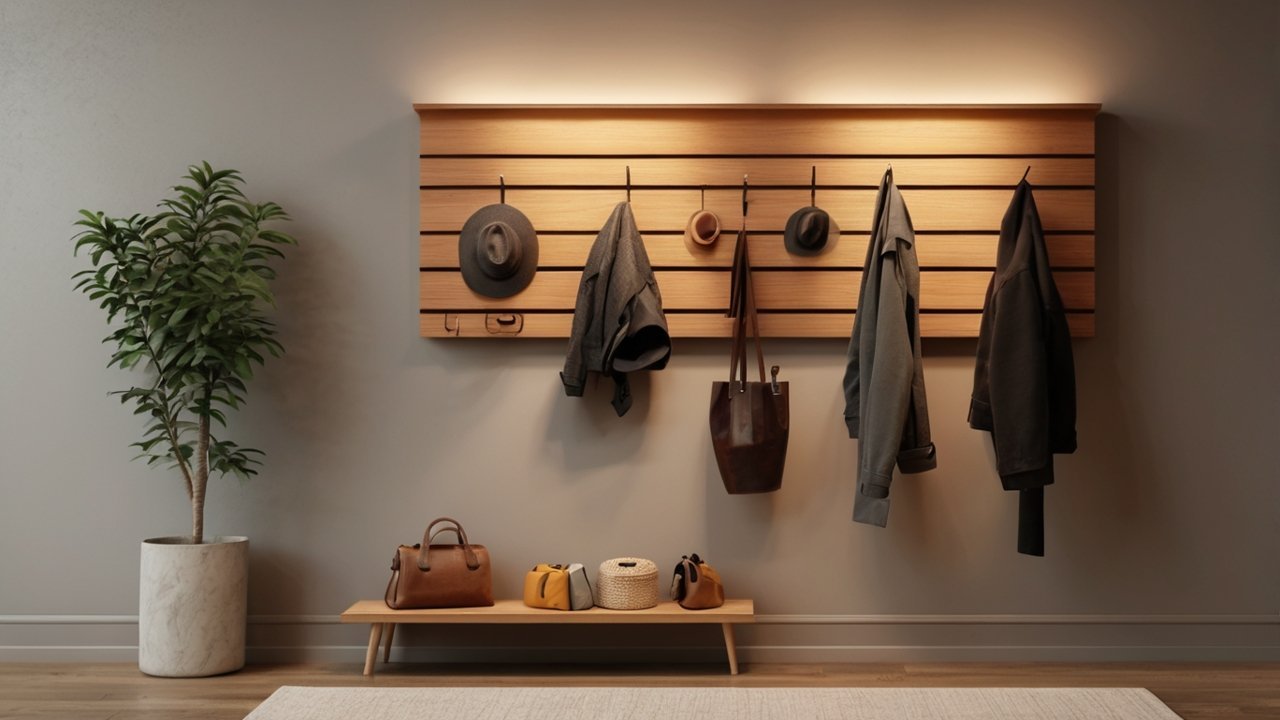
15. Coat Rack
Compact and practical, coat racks are fast to complete and highly functional.
Why These Simple Woodworking Projects Work for Beginners
These projects succeed because they:
-
Use straightforward designs
-
Require limited tools
-
Teach foundational techniques
-
Deliver visible results quickly
If you plan to turn your hobby into income,
👉 Creative Woodworking Ideas You Can Build and Sell
Building marketable products becomes easier once your fundamentals are solid.
Completing even three or four of these simple woodworking projects will dramatically improve your measuring accuracy, tool control, and finishing skills. Next, we’ll look at how to choose the right wood to ensure durability and professional-quality results.
Chapter 4: Choosing the Right Wood for Simple Woodworking Projects
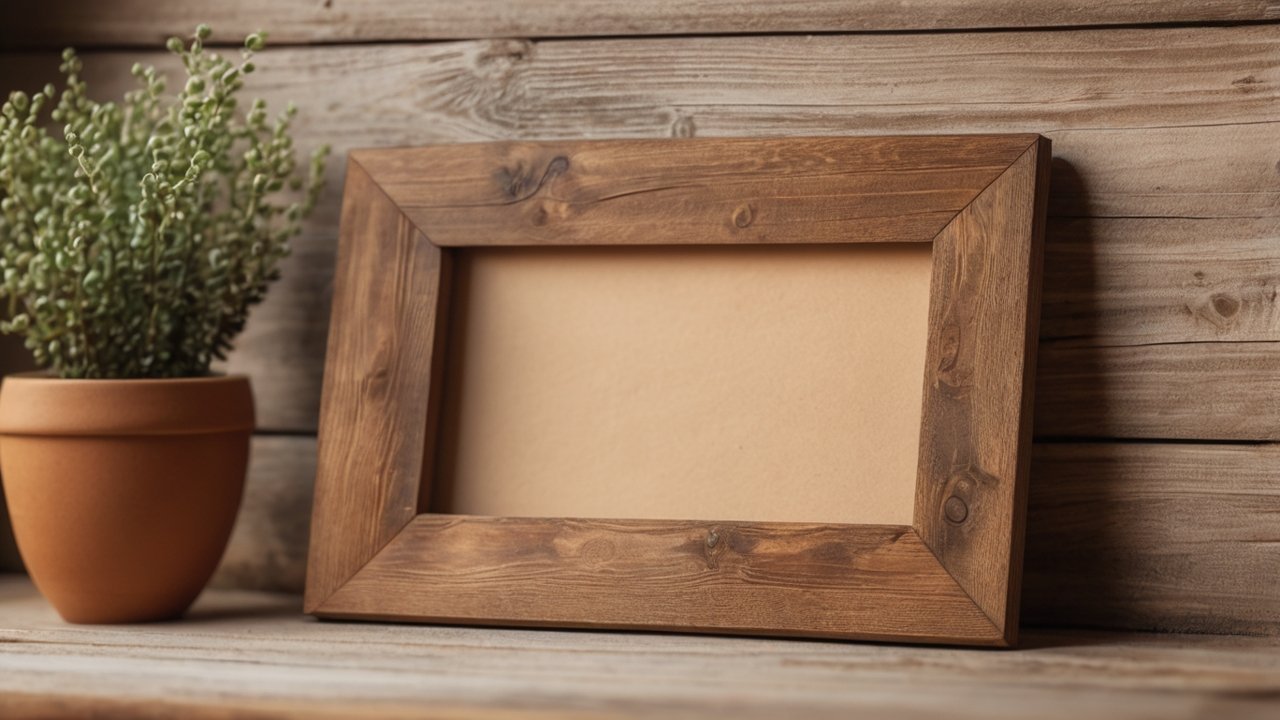
Selecting the right material is one of the most important decisions you’ll make when building simple woodworking projects. Even a well-designed project can fail if the wood isn’t suited for its purpose. Beginners often focus heavily on tools, but wood choice directly affects durability, appearance, cost, and ease of construction.
According to experienced contributors from Fine Woodworking Magazine, understanding grain structure and density significantly improves long-term results. Fortunately, you don’t need advanced knowledge to make smart choices.
If you’re unsure where to begin, review this detailed guide:
👉 Types of Wood – Complete Guide for Every Project
This resource simplifies wood characteristics in beginner-friendly terms.
Softwood vs Hardwood for Beginner Woodworking Projects
One of the first decisions you’ll face is choosing between softwood and hardwood.
Softwood – Affordable and Easy to Work With
Softwoods like pine, cedar, and fir are ideal for many simple woodworking projects because they are:
-
Budget-friendly
-
Lightweight
-
Easy to cut and sand
-
Widely available
Pine is especially beginner-friendly. It’s forgiving during practice cuts and works well for shelves, storage boxes, and decorative builds.
However, softwood dents more easily. For load-bearing furniture, you may need something stronger.
Hardwood – Durable and Long-Lasting
Hardwoods such as oak, maple, and walnut offer:
-
Greater strength
-
Attractive grain patterns
-
Higher resistance to wear
They’re ideal for cutting boards, benches, and coffee tables.
If you’re planning furniture builds, explore this helpful resource:
👉 Types of Wood for Furniture – 10 Best Options and Uses
Hardwood costs more, but it often lasts significantly longer. For beginners, starting with softwood and gradually upgrading is usually the best solution.
Choosing Wood Based on Project Type
Different simple woodworking projects require different properties. Here’s a practical breakdown:
| Project Type | Recommended Wood | Reason |
|---|---|---|
| Indoor shelves | Pine or poplar | Affordable and easy to cut |
| Outdoor planter | Cedar | Naturally moisture-resistant |
| Cutting board | Maple | Dense and food-safe |
| Bench or table | Oak | Strong and durable |
Matching wood type to project purpose improves durability and reduces long-term repairs.
If you’re following structured build plans,
👉 Browse Affordable Woodworking Plans for Beginners
Clear material lists prevent purchasing unsuitable lumber.
Understanding Wood Movement and Moisture
Wood expands and contracts based on humidity. Ignoring this natural movement can cause cracking or warping.
Experts from woodworking guild communities recommend allowing lumber to acclimate in your workspace for at least 48 hours before cutting. This small step significantly improves stability.
For outdoor builds, material selection becomes even more critical. You can explore suitable designs here:
👉 Outdoor Woodworking Projects – 10 Easy DIY Builds
Proper planning reduces weather-related damage.
Premium Wood vs Budget Lumber: Pros and Cons
Many beginners wonder whether premium boards are worth the cost.
Premium Wood
Pros:
-
Straighter boards
-
Fewer knots
-
Cleaner appearance
Cons:
-
Higher price
-
Less forgiving for mistakes
Budget Lumber
Pros:
-
Lower upfront investment
-
Ideal for practice builds
Cons:
-
More sanding required
-
Potential warping
For early simple woodworking projects, budget lumber makes sense. As your confidence improves, upgrading materials enhances final results.
If you’re serious about scaling your hobby or building multiple projects efficiently,
👉 Explore the Ultimate Small Shop DIY System
A structured workspace often becomes the best solution for long-term woodworking growth.
Finishing Considerations When Selecting Wood
Not all wood absorbs stain evenly. Pine, for example, may require a pre-stain conditioner to prevent blotching. Hardwood typically produces smoother finishes.
Before applying protective coats, review this guide:
👉 Polyurethane Wood Finish – Best Types and How to Apply Them
Choosing compatible finishing products protects your project from moisture and wear.
Smart Recommendations for Beginners
If you’re just starting simple woodworking projects:
-
Choose pine for indoor practice builds.
-
Select cedar for outdoor durability.
-
Upgrade to hardwood for long-term furniture pieces.
-
Inspect every board for straightness before purchase.
Choosing the right wood improves structural strength, finish quality, and overall satisfaction.
Now that you understand material selection, let’s move into detailed planning techniques that help you avoid common beginner mistakes and build with confidence.
Chapter 6: Finishing Techniques for Simple Woodworking Projects
Finishing is where your hard work truly comes to life. Even well-built simple woodworking projects can look incomplete without proper sanding, staining, or sealing. The right finish protects your wood, enhances the grain, and increases durability.
According to guidance from Fine Woodworking Magazine, surface preparation accounts for most of the visual quality in a finished piece. In other words, sanding and sealing matter just as much as cutting and assembly.
If you want a detailed breakdown of finishing options, start here:
👉 Top Wood Finishing Techniques to Get a Pro Look Every Time
Understanding finishing early helps you avoid common beginner mistakes.
Sanding Properly for Beginner Woodworking Projects
Sanding is often rushed. However, uneven sanding leads to blotchy stain and rough surfaces.
Follow this simple sanding sequence:
-
Start with 80–100 grit for rough shaping.
-
Move to 150 grit for smoothing.
-
Finish with 220 grit for final prep.
-
Always sand with the grain.
For frequent builders, a random orbital sander becomes a recommended tool because it improves consistency and reduces fatigue.
If you’re serious about scaling your hobby or building multiple projects efficiently,
👉 Explore the Ultimate Small Shop DIY System
An organized workspace makes sanding and finishing safer and more efficient.
Staining vs Painting in Simple Woodworking Projects
Choosing between stain and paint depends on the look and function of your build.
Wood Stain – Natural and Classic
Pros:
-
Highlights wood grain
-
Provides rich tones
-
Ideal for furniture builds
Cons:
-
Requires careful surface prep
-
May absorb unevenly on softwood
If you’re unsure which material stains best, review:
👉 Types of Wood for Furniture – 10 Best Options and Uses
Hardwoods typically deliver smoother staining results.
Paint – Modern and Protective
Pros:
-
Covers surface imperfections
-
Wide color selection
-
Adds protective layer
Cons:
-
Hides natural grain
-
Requires primer for durability
If you’re painting furniture, this resource helps you choose wisely:
👉 Best Paint for Wood Furniture – Top Picks
Selecting the correct paint ensures long-lasting protection.
Applying Protective Sealants for Long-Term Durability
After staining or painting, sealing is essential. Polyurethane is one of the most popular protective finishes for simple woodworking projects.
Water-Based Polyurethane
-
Dries quickly
-
Low odor
-
Clear finish
Oil-Based Polyurethane
-
Slight amber tone
-
More durable
-
Longer drying time
For step-by-step application guidance, review:
👉 Polyurethane Wood Finish – Best Types and How to Apply Them
Applying thin, even coats prevents bubbling and streaks.
DIY Finishing vs Pre-Finished Lumber
Some builders consider using pre-finished boards to save time.
| DIY Finishing | Pre-Finished Lumber |
|---|---|
| Full customization | Faster project completion |
| Lower initial cost | Higher material price |
| Skill development | Limited color options |
DIY finishing gives you creative freedom and improves craftsmanship. Pre-finished boards save time but limit personalization.
If you plan to expand into larger outdoor builds where finishing becomes even more critical,
👉 Build Your Own Shed with This Step-by-Step Plan
Structured, affordable DIY plans help match finishing products to environmental conditions.
Common Finishing Mistakes to Avoid
Even experienced builders sometimes rush finishing. Avoid these errors:
-
Applying thick coats instead of thin layers
-
Skipping sanding between coats
-
Not allowing proper drying time
-
Finishing in high humidity
Patience is essential. Most finishing issues happen because of rushing, not lack of skill.
When done correctly, finishing transforms simple woodworking projects from basic builds into professional-looking pieces. Now that you know how to protect and enhance your work, let’s explore where to find reliable woodworking plans and learning resources for your next project.