Shed Flooring Ideas: 7 Best Options for Backyard Sheds
Have you ever stepped into a backyard shed and noticed a damp, uneven, or worn-out floor? Choosing the right shed flooring ideas can make a big difference in how functional, durable, and comfortable your shed becomes over time. Whether you’re building a new shed or upgrading an existing one, the floor is one of the most important decisions you’ll make.
Many homeowners focus on the shed’s size, design, or storage features but overlook the flooring underneath. The truth is that the right floor helps protect your belongings, improves stability, and reduces maintenance in the long run. From simple gravel bases to sturdy concrete slabs and traditional wood floors, there are several options to consider depending on your budget and intended use.
If you’re feeling unsure about which flooring solution is best, you’re not alone. With so many materials available, it can be difficult to know where to start. In this guide, we’ll explore the most practical shed flooring ideas, compare their pros and cons, and help you choose the best option for your backyard shed.
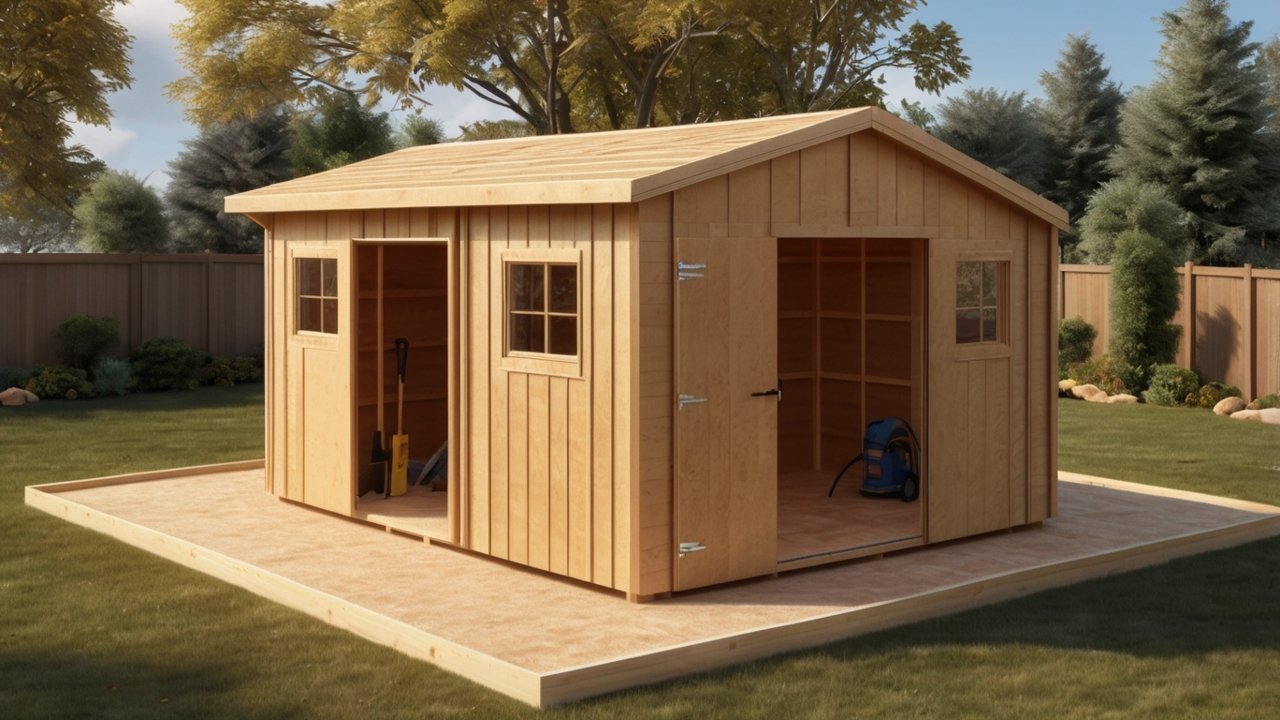
Factors to Consider Before Choosing Shed Flooring
Before comparing plywood, concrete, gravel, or floor tiles, it’s important to understand what makes a shed floor successful in the first place. Many homeowners spend weeks choosing siding, roofing, and paint colors but give very little thought to the floor underneath.
In reality, the floor supports everything inside your shed. Whether you’re storing garden tools, parking a riding mower, or building a small woodworking workshop, the right flooring choice can improve durability, comfort, and long-term maintenance.
The best shed flooring ideas aren’t always the most expensive. Instead, they’re the options that match your specific needs, climate, and budget.
A floor that works perfectly in a dry storage shed may perform poorly in a workshop that sees daily use. Taking a little time to evaluate your project now can help you avoid costly repairs later.
Choosing the Right Shed Flooring Ideas for Your Intended Use
One of the biggest mistakes beginners make is selecting flooring materials before deciding exactly how the shed will be used.
A backyard storage shed has different flooring requirements than a hobby workshop or garden building.
When evaluating shed flooring ideas, consider what you’ll be storing and how often you’ll use the space.
Shed Flooring Ideas for Storage Sheds
If your shed will primarily store seasonal items, hand tools, or gardening supplies, you may not need a heavy-duty flooring system.
Many homeowners successfully use:
-
Plywood floors
-
Pressure-treated wood flooring
-
Gravel foundations
-
Compact crushed stone bases
These options often provide sufficient support for lightweight storage while keeping construction costs manageable.
If you’re still planning your project, our guide on Build a Small Shed Step by Step explains how flooring choices fit into the overall building process.
Shed Flooring Ideas for Workshops and Hobby Spaces
A woodworking shed places much greater demands on a floor than simple storage.
Workbenches, stationary tools, lumber racks, and power equipment add significant weight. A weak floor can flex, sag, or become uncomfortable to work on over time.
For workshop applications, many DIY builders prefer:
-
Exterior-grade plywood
-
Reinforced wood floor systems
-
Concrete slabs
-
Interlocking floor coverings over a solid base
If you’re designing a dedicated workspace, our article on Woodworking Shop Layouts and Essential Tools can help you plan a more efficient setup.
How Moisture Affects Shed Flooring Ideas
Moisture is one of the most common causes of shed floor damage.
Even high-quality flooring materials can deteriorate if they’re constantly exposed to damp soil, standing water, or poor drainage.
Before selecting from various shed flooring ideas, take time to assess your site conditions.
Understanding Moisture Risks for Shed Flooring Ideas
Ask yourself:
-
Does water pool in the area after rain?
-
Is the shed site level or sloped?
-
Does the ground stay damp for long periods?
-
Will snow or heavy rainfall be common?
The answers help determine whether you need additional moisture protection.
Wood-based floors are especially vulnerable when installed too close to wet ground. Over time, trapped moisture can lead to warping, rot, and mold growth.
According to OSHA safety recommendations, stable and dry walking surfaces help reduce slips, trips, and long-term structural issues.
Preventing Moisture Damage
Good drainage is often more important than the flooring material itself.
Simple steps can make a huge difference:
-
Grade the site away from the shed
-
Add crushed gravel beneath foundations
-
Improve airflow under raised floors
-
Seal exposed wood surfaces
For wood-framed sheds, applying a protective finish can help reduce moisture absorption. Our guide on Polyurethane Wood Finish explains several options for protecting wood surfaces.
To help reduce ground moisture beneath raised sheds, some DIY builders install a Crawl Space Vapor Barrier beneath the structure before construction.
Budget Considerations for Shed Flooring Ideas
Cost naturally plays a major role when choosing a shed floor.
However, experienced builders know that initial cost is only part of the equation.
The most affordable flooring option today may require additional maintenance or replacement later.
When comparing shed flooring ideas, think about:
-
Installation effort
-
Material lifespan
-
Repair costs
-
Maintenance requirements
-
Future upgrades
A slightly higher investment upfront can sometimes save considerable work down the road.
Common Budget Mistakes Beginners Make
Over the years, I’ve seen several recurring mistakes from first-time shed builders.
These include:
-
Using indoor plywood outdoors
-
Skipping site preparation
-
Choosing flooring based only on price
-
Ignoring future storage needs
-
Underestimating weight loads
These shortcuts often create problems that are far more expensive to fix later.
For additional planning guidance, see our article on Shed Building Mistakes: 15 Costly Errors to Avoid.
Long-Term Maintenance and Durability
Every flooring material requires some level of maintenance.
The goal is finding a solution that matches your expectations and available time.
Concrete typically requires very little upkeep, while wood flooring may need occasional sealing or repairs. Gravel foundations may require periodic leveling as materials settle.
Trusted woodworking publications such as Fine Woodworking and Popular Woodworking consistently emphasize that proper installation has a greater impact on longevity than expensive materials alone.
A well-built floor with adequate support, moisture protection, and proper ventilation will usually outperform a poorly installed premium flooring system.
Planning Ahead for Future Shed Needs
One lesson many DIY builders learn the hard way is that shed usage often changes over time.
Today’s garden shed may become tomorrow’s workshop, hobby room, or storage space for larger equipment.
When selecting from different shed flooring ideas, try to think beyond your immediate needs.
Building a slightly stronger floor today may give you far more flexibility in the future.
For homeowners looking for additional shed layouts and foundation concepts, My Shed Plans may be helpful during the planning phase, especially when comparing different shed sizes and intended uses.
By carefully evaluating usage, moisture conditions, budget, and maintenance requirements, you’ll be in a much better position to choose a flooring system that serves your shed well for years to come.
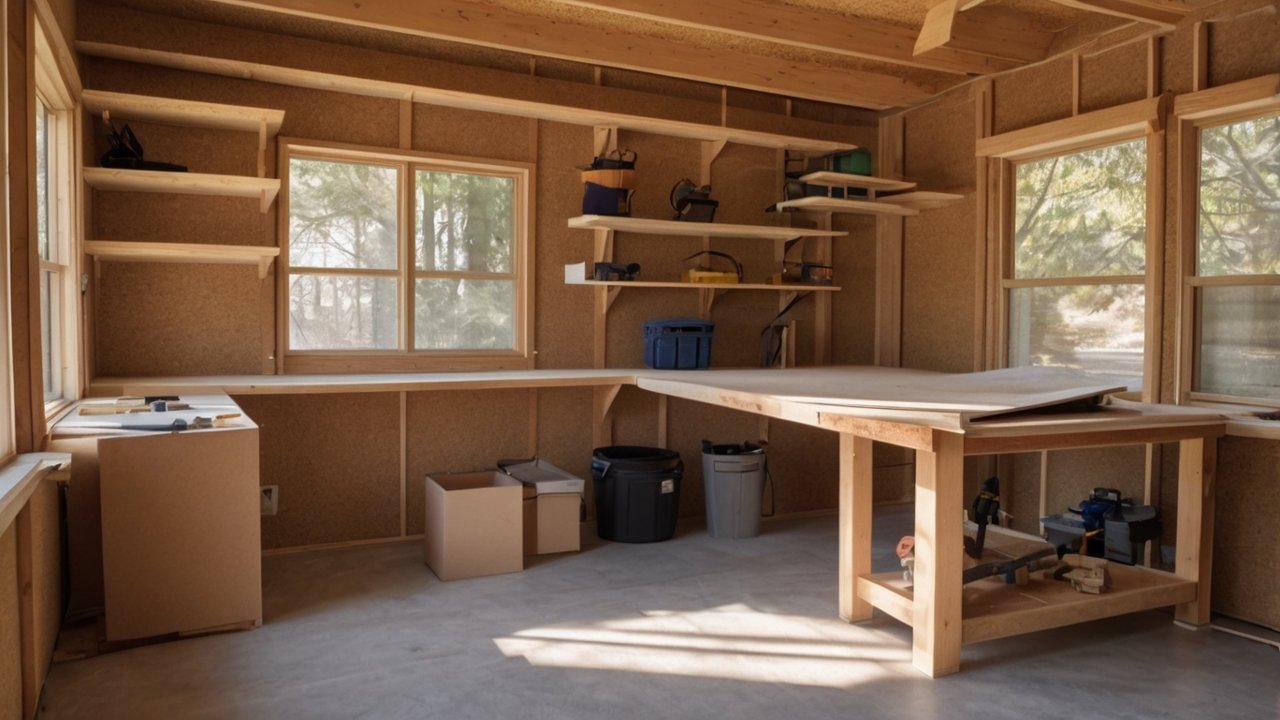
Plywood Flooring for Traditional Backyard Sheds
When people start researching shed flooring ideas, plywood is often one of the first options they encounter—and for good reason. Plywood flooring has been a go-to choice for backyard sheds for decades because it offers a practical balance of affordability, strength, and ease of installation.
For most DIY builders, plywood provides everything needed for a functional shed floor without the complexity of pouring concrete or installing specialized flooring systems. Whether you’re building a garden shed, storage building, or small workshop, plywood remains one of the most versatile flooring materials available.
That said, not all plywood floors perform equally well. The quality of the materials, the floor framing underneath, and moisture protection all play important roles in long-term durability.
Why Plywood Remains One of the Most Popular Shed Flooring Ideas
One reason plywood consistently appears on lists of top shed flooring ideas is its versatility.
Unlike gravel, plywood creates a smooth and stable walking surface. Compared to concrete, it’s warmer underfoot and often easier for beginners to install.
For many homeowners, plywood strikes the sweet spot between performance and cost.
Benefits of Plywood Shed Flooring Ideas
Plywood offers several practical advantages that make it attractive for backyard sheds:
-
Relatively simple installation process
-
Widely available at home improvement stores
-
Compatible with most shed foundation systems
-
Comfortable surface for standing and working
-
Easy to modify or repair later
-
Works well for storage sheds and hobby workshops
Many woodworking enthusiasts also appreciate that plywood flooring can be customized with paint, sealers, mats, or protective coatings depending on the intended use.
If you’re still gathering tools and materials, our guide on Complete Shed Building Tools Checklist for Beginners covers many essentials needed for a successful build.
Common Uses for Plywood Shed Flooring Ideas
Plywood works particularly well for:
-
Garden sheds
-
Lawn equipment storage
-
Small workshops
-
Craft rooms
-
General backyard storage buildings
However, if you plan to store extremely heavy machinery or vehicles, you may want to compare plywood against concrete before making a final decision.
Choosing the Right Plywood for Shed Flooring Ideas
One of the biggest mistakes beginners make is assuming all plywood products are suitable for outdoor structures.
In reality, choosing the wrong panel type can significantly shorten the life of your shed floor.
Best Plywood Types for Shed Flooring Ideas
For most backyard sheds, builders typically consider:
-
Exterior-grade plywood
-
Pressure-treated plywood
-
Tongue-and-groove plywood panels
Exterior-rated plywood uses water-resistant adhesives that help withstand changing weather conditions. Pressure-treated options offer additional protection against moisture and decay.
Indoor-grade plywood should generally be avoided for sheds exposed to fluctuating humidity levels.
If you’re unfamiliar with wood products, our guide on Types of Wood: Complete Guide for Every Project explains how different wood materials perform in various environments.
Understanding Floor Thickness and Support
Plywood strength depends on more than the panel itself.
The floor framing underneath plays an equally important role.
Factors to consider include:
-
Floor joist spacing
-
Expected weight loads
-
Shed size
-
Type of stored equipment
For example, a shed used for hand tools requires less structural support than a workshop housing a table saw and lumber storage rack.
Proper support helps prevent sagging, flexing, and premature wear.
Protecting Plywood Floors From Moisture
Moisture is the primary challenge facing plywood flooring systems.
Even high-quality panels can deteriorate if water repeatedly penetrates the wood fibers.
Moisture Protection for Shed Flooring Ideas
The best way to protect plywood starts before installation.
Experienced builders focus on:
-
Proper site drainage
-
Elevated shed foundations
-
Ventilation beneath the floor
-
Protective wood finishes
Good drainage often matters more than expensive materials. A well-drained site helps extend the life of virtually any flooring system.
According to recommendations commonly emphasized by Fine Woodworking and Popular Woodworking, controlling moisture is one of the most important aspects of long-term woodworking success.
Finishing Plywood for Better Durability
Applying a protective finish can help reduce moisture absorption while making cleanup easier.
Some common options include:
-
Polyurethane finishes
-
Exterior paint systems
-
Water-resistant sealers
-
Garage-style floor coatings
For a detailed overview of protective finishes, see our guide on Top Wood Finishing Techniques.
To help reduce ground moisture beneath raised sheds, some DIY builders install a Crawl Space Vapor Barrier before building the floor system.
Common Beginner Mistakes With Plywood Shed Floors
Over the years, I’ve noticed that plywood flooring problems usually result from installation mistakes rather than the material itself.
The most common issues include:
-
Installing plywood directly on the ground
-
Using interior-grade panels outdoors
-
Skipping moisture protection
-
Underestimating weight requirements
-
Poor floor framing design
Many of these mistakes can be avoided through careful planning and realistic expectations.
If you’re still in the design phase, our article on Shed Building Mistakes: 15 Costly Errors to Avoid highlights several common problems that affect new builders.
Pros and Cons of Plywood Flooring
Like all shed flooring ideas, plywood comes with trade-offs.
Pros
-
Affordable compared to many alternatives
-
DIY-friendly installation
-
Comfortable walking and working surface
-
Easy to repair if damaged
-
Compatible with most shed designs
Cons
-
Vulnerable to moisture without protection
-
May require periodic maintenance
-
Can sag if poorly supported
-
Less suitable for extremely heavy loads
For many backyard shed owners, the advantages outweigh the drawbacks. With proper framing, moisture control, and occasional maintenance, a plywood floor can provide years of reliable service.
That’s why plywood continues to be one of the most practical and beginner-friendly shed flooring ideas available for traditional backyard sheds.
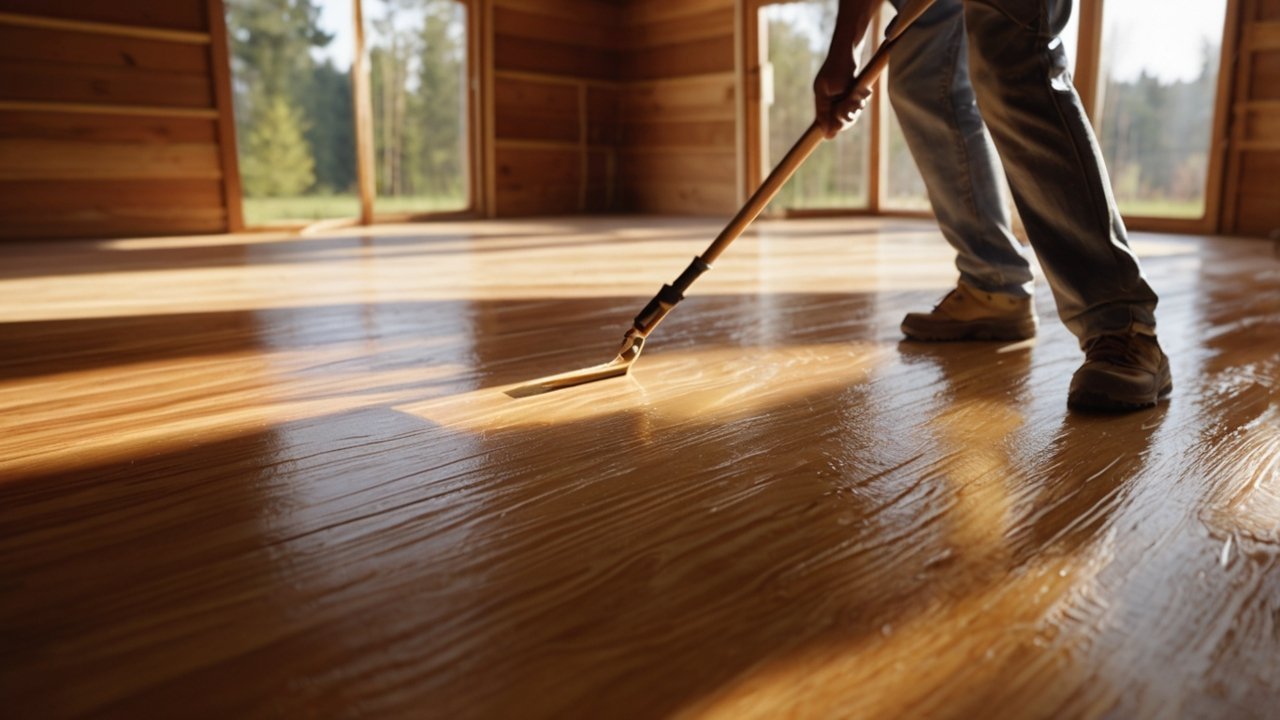
Concrete Slab Flooring for Maximum Durability
If long-term durability is your top priority, concrete deserves serious consideration. Among the many shed flooring ideas available to DIY builders, a concrete slab is often viewed as the most robust and low-maintenance option.
Unlike wood-based flooring systems, concrete won’t rot, warp, or attract wood-damaging insects. It provides a stable foundation capable of supporting everything from lawn equipment to heavy woodworking machinery.
While concrete requires more planning and labor upfront, many homeowners find the long-term benefits worth the extra effort.
For workshop sheds, equipment storage buildings, and multipurpose backyard structures, concrete is often one of the most dependable flooring solutions available.
Why Concrete Is One of the Most Durable Shed Flooring Ideas
Concrete stands out because of its exceptional strength and longevity.
Once properly poured and cured, a concrete slab can remain functional for decades with very little maintenance. That’s why many professional builders choose concrete for structures expected to handle heavy use.
Unlike some other shed flooring ideas, concrete doesn’t rely on floor joists, plywood panels, or framing systems to support loads.
The slab itself becomes both the floor and foundation.
Benefits of Concrete Shed Flooring Ideas
Concrete offers several practical advantages:
-
Extremely strong load-bearing capacity
-
Resistant to moisture damage
-
Long service life
-
Minimal maintenance requirements
-
Stable and level working surface
-
Easy to clean and sweep
For homeowners who use their sheds as workshops, these advantages can be particularly valuable.
Heavy workbenches, tool cabinets, and stationary woodworking machines perform better on stable surfaces with little or no flex.
Concrete Shed Flooring Ideas for Workshop Use
If you plan to use your shed as a woodworking shop, concrete provides a solid foundation for equipment.
Tools such as:
-
Table saws
-
Band saws
-
Planers
-
Drill presses
-
Lumber storage racks
can place considerable stress on lightweight flooring systems.
A concrete slab helps reduce vibration while providing a stable work environment.
If you’re creating a workshop space, our guide on Woodworking Shop Layouts and Essential Tools offers useful planning tips for maximizing efficiency and safety.
Planning Concrete Shed Flooring Ideas Correctly
The success of a concrete floor depends heavily on preparation.
Many slab problems originate below the surface rather than in the concrete itself.
Before construction begins, take time to evaluate:
-
Soil stability
-
Drainage conditions
-
Ground slope
-
Future shed usage
-
Climate considerations
Proper site preparation helps reduce cracking, settling, and other structural issues later.
Common Mistakes With Concrete Shed Flooring Ideas
Over the years, I’ve seen several mistakes repeated by first-time builders.
Common issues include:
-
Pouring concrete over poorly compacted soil
-
Ignoring water drainage around the shed
-
Using an uneven gravel base
-
Skipping expansion joints where appropriate
-
Underestimating slab thickness requirements
These problems often remain hidden until months or years after construction.
A little extra preparation during the building phase can prevent significant repairs later.
For additional guidance, see our article on Shed Building Mistakes: 15 Costly Errors to Avoid.
Safety Considerations During Installation
Concrete work involves heavy materials and physically demanding tasks.
Always follow basic safety practices:
-
Wear safety glasses
-
Use gloves when handling wet concrete
-
Lift materials properly
-
Wear sturdy footwear
-
Keep work areas clean
OSHA safety guidelines also emphasize the importance of proper lifting techniques and personal protective equipment when working on construction projects.
Moisture Resistance and Maintenance
One reason many homeowners choose concrete is its excellent resistance to moisture.
Unlike plywood or untreated lumber, concrete won’t rot when exposed to damp conditions.
However, moisture management is still important.
Water can migrate through concrete over time, especially in humid climates or poorly drained locations.
Protecting Concrete Shed Flooring Ideas From Moisture
To maximize longevity, many builders take several preventative steps:
-
Install a gravel base beneath the slab
-
Improve site drainage
-
Slope surrounding soil away from the shed
-
Consider a vapor barrier beneath the concrete
These measures help reduce moisture-related issues while improving overall performance.
For builders planning a slab foundation, a Self-Leveling Tool Kit with Rake may help simplify surface preparation and finishing during the pouring process.
Improving Comfort on Concrete Floors
One drawback of concrete is that it can feel hard underfoot during long work sessions.
This becomes noticeable in workshop sheds where you spend hours standing while cutting, assembling, or finishing projects.
Making Concrete Floors More Comfortable
Many woodworkers add:
-
Anti-fatigue mats
-
Rubber floor coverings
-
Interlocking foam flooring
-
Dedicated standing mats at workstations
These additions can improve comfort without sacrificing the durability benefits of concrete.
For workshop environments, some DIY builders use FEATOL Anti Fatigue Mat for Standing in front of workbenches or stationary tools to reduce strain during extended projects.
Pros and Cons of Concrete Flooring
Like all shed flooring ideas, concrete comes with advantages and limitations.
Pros
-
Exceptional durability
-
Handles heavy loads easily
-
Resistant to moisture and pests
-
Minimal maintenance
-
Long lifespan
-
Excellent workshop foundation
Cons
-
Higher installation effort
-
Less forgiving underfoot
-
Difficult to modify after installation
-
Repairs can be more involved than wood flooring
Trusted publications such as Fine Woodworking and Popular Woodworking frequently stress that strong foundations contribute significantly to the success of any workshop or storage structure.
For homeowners seeking maximum durability and long-term reliability, concrete remains one of the strongest and most practical shed flooring ideas available for backyard sheds.
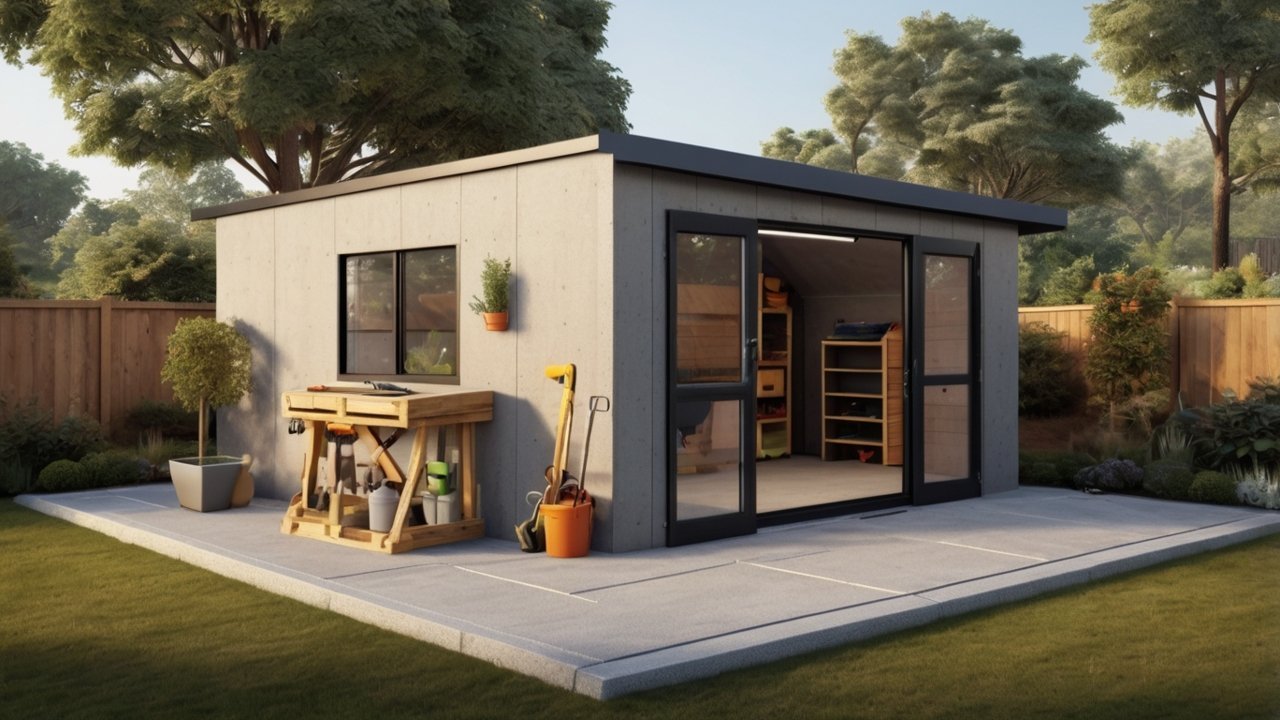
Gravel Flooring for Budget-Friendly Storage Sheds
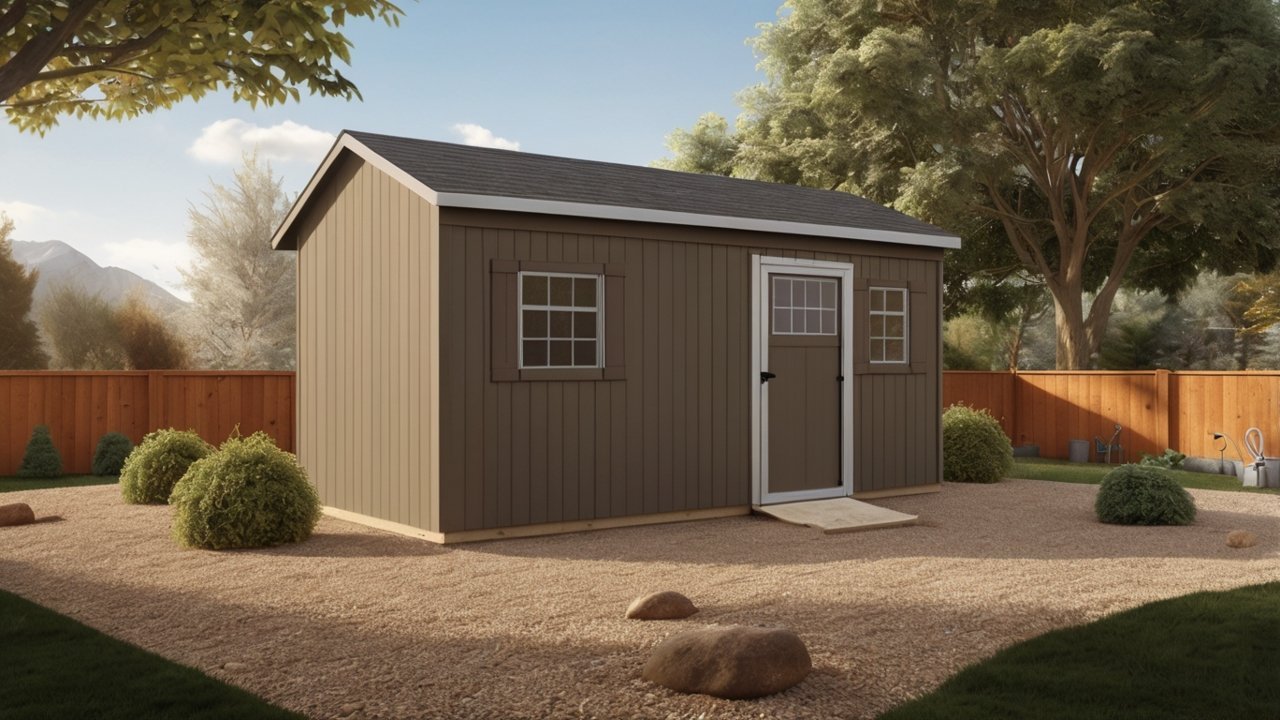
If you’re looking for affordable shed flooring ideas, gravel is one of the simplest and most cost-effective options available. Many DIY builders choose gravel because it requires fewer materials than a traditional wood floor and significantly less work than pouring a concrete slab.
While gravel isn’t the ideal choice for every shed, it can be an excellent solution for basic storage buildings, garden sheds, and utility structures. When installed correctly, a gravel foundation provides good drainage, helps reduce moisture problems, and creates a stable base for many backyard shed projects.
For homeowners working with limited budgets or building a simple storage shed, gravel is often worth considering.
Why Gravel Is One of the Most Affordable Shed Flooring Ideas
One of the biggest advantages of gravel is its simplicity.
Unlike plywood flooring, there are no floor joists, framing components, or subfloor panels to install. Compared to concrete, there is no mixing, pouring, or curing process.
Instead, the project focuses on proper site preparation and creating a compacted stone base.
Among common shed flooring ideas, gravel often requires the lowest upfront investment while still providing long-term functionality.
Benefits of Gravel Shed Flooring Ideas
Gravel offers several practical advantages:
-
Budget-friendly installation
-
Excellent drainage properties
-
Simple maintenance
-
Reduced risk of standing water
-
Quick installation process
-
Suitable for many storage applications
Because gravel allows water to drain through the surface, it helps minimize moisture buildup around the shed foundation.
This can be especially useful in regions that receive regular rainfall.
Gravel Shed Flooring Ideas for Garden Sheds
Garden sheds are one of the most common applications for gravel flooring.
These structures often store:
-
Hand tools
-
Garden supplies
-
Pots and containers
-
Fertilizer and soil amendments
-
Seasonal outdoor equipment
Since these items typically don’t require a perfectly smooth floor surface, gravel often performs very well in this environment.
If you’re planning a backyard storage project, our guide on Garden Shed Plans may help you evaluate different shed designs and layouts.
Choosing the Right Gravel for Shed Flooring Ideas
Not all gravel materials perform equally well beneath a shed.
One common beginner mistake is using decorative landscape stone instead of compactable gravel.
For shed foundations, builders typically prefer crushed stone products that lock together when compacted.
Best Gravel Types for Shed Flooring Ideas
Popular options include:
-
Crushed stone
-
Quarry process stone
-
Crusher run
-
Road base material
These products create a stable surface that resists shifting over time.
Rounded pea gravel is generally less suitable because the stones tend to move under load, making the surface less stable.
Proper Site Preparation Matters
The quality of the foundation underneath the gravel is just as important as the gravel itself.
Before installation:
-
Remove grass and organic material
-
Level the building area
-
Compact the soil
-
Install landscape fabric if needed
-
Add and compact gravel in layers
Skipping these steps often leads to settling and uneven surfaces later.
Fine Woodworking and Popular Woodworking frequently emphasize that strong project foundations begin with proper preparation rather than expensive materials.
Moisture Control and Drainage Benefits
One reason many homeowners choose gravel is its ability to manage moisture effectively.
Water naturally moves through the stone rather than pooling around the structure.
How Gravel Supports Better Drainage
Compared to some other shed flooring ideas, gravel offers excellent drainage characteristics.
Benefits include:
-
Reduced standing water
-
Improved airflow beneath raised sheds
-
Less soil erosion around foundations
-
Lower risk of wood floor moisture damage
These advantages make gravel particularly useful in areas where rain and humidity are common.
To further reduce moisture issues, some DIY builders install a Crawl Space Vapor Barrier beneath raised shed structures before adding the foundation materials.
Common Drainage Mistakes
Even though gravel drains well, mistakes can still create problems.
Common issues include:
-
Building in low-lying areas
-
Using insufficient gravel depth
-
Failing to slope the surrounding ground
-
Ignoring runoff from nearby roofs
Good drainage starts with site selection and proper grading.
If you’re still planning your project, our article on Shed Building Mistakes covers several common foundation and drainage errors.
Limitations of Gravel Flooring
Although gravel works well in many situations, it isn’t perfect for every application.
When Gravel Shed Flooring Ideas May Not Be Ideal
Gravel may be less suitable when:
-
You need a smooth workshop floor
-
Heavy machinery will be used regularly
-
Small tools are frequently dropped
-
You plan to spend long periods working inside the shed
Walking and standing on gravel for extended periods can become uncomfortable compared to plywood or concrete flooring.
For hobby workshops and woodworking spaces, many builders prefer a more solid floor surface.
If you’re considering a workshop shed, our guide on Woodworking Shop Layouts and Essential Tools discusses flooring considerations alongside shop planning.
Pros and Cons of Gravel Flooring
Like all shed flooring ideas, gravel comes with trade-offs.
Pros
-
Low material cost
-
Excellent drainage
-
Simple installation
-
Minimal maintenance
-
Works well for storage sheds
-
Easy to expand or modify
Cons
-
Not ideal for workshops
-
Uneven walking surface
-
Less comfortable underfoot
-
Small items can get lost in the gravel
-
May require occasional re-leveling
For homeowners building a simple storage or garden shed, gravel remains one of the most practical and budget-friendly shed flooring ideas available. When properly installed on a well-prepared site, it can provide years of reliable service while helping keep moisture-related problems under control.
Interlocking Floor Tiles for Easy Shed Upgrades
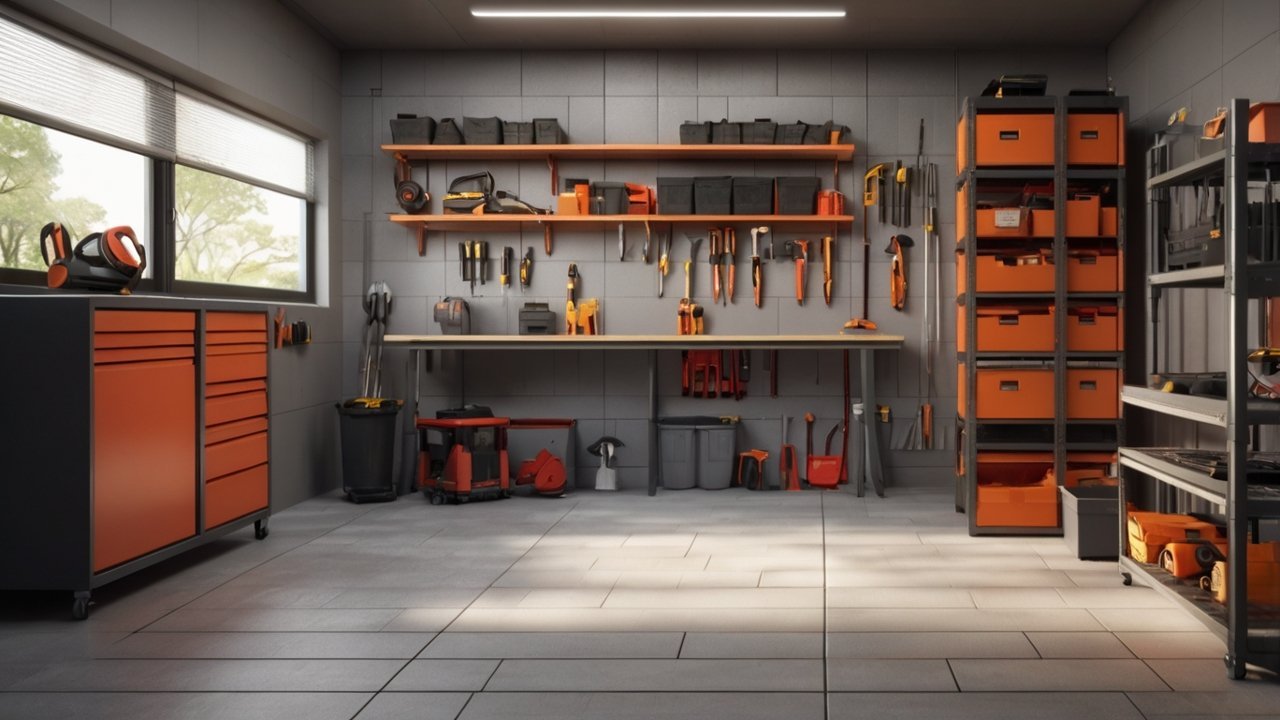
Not every shed floor project starts from scratch. Many homeowners already have a plywood or concrete floor in place and simply want a cleaner, more comfortable, or easier-to-maintain surface. That’s where interlocking floor tiles come in.
Among modern shed flooring ideas, interlocking floor tiles are one of the easiest upgrades you can make. They install without adhesives, require minimal tools, and can instantly improve the appearance and functionality of a shed interior.
Whether you’re converting a storage shed into a workshop, hobby room, or gardening space, modular floor tiles can provide a durable finished surface without major construction work.
Why Interlocking Tiles Are Popular Shed Flooring Ideas
One reason interlocking tiles have become increasingly popular is their simplicity.
Unlike replacing a subfloor or pouring concrete, installation is typically straightforward. Most systems are designed to snap together, creating a floating floor that sits directly on an existing surface.
For DIY builders looking for practical shed flooring ideas, this can be an attractive option.
Benefits of Interlocking Shed Flooring Ideas
Interlocking floor tiles offer several advantages:
-
Easy DIY installation
-
No special tools required
-
Can cover worn or stained floors
-
Comfortable underfoot
-
Easy to clean
-
Replace individual tiles if damaged
Many shed owners appreciate the ability to upgrade their space without committing to a permanent flooring system.
For hobbyists and weekend woodworkers, these flooring solutions can make a shed feel more like a functional workspace.
Interlocking Shed Flooring Ideas for Workshops
Workshop environments often benefit the most from modular flooring.
Standing for long periods on bare concrete can become uncomfortable, especially during extended woodworking sessions.
Interlocking floor systems can help:
-
Improve comfort
-
Reduce fatigue
-
Protect dropped tools from damage
-
Create a cleaner appearance
-
Improve traction on smooth floors
If you’re planning a dedicated woodworking area, our guide on Woodworking Shop Layouts and Essential Tools provides additional ideas for creating a productive workspace.
Choosing the Right Interlocking Floor Tiles
Not all tile systems are designed for the same purpose.
Some are intended for light-duty residential use, while others are designed to withstand heavier loads and workshop environments.
Types of Interlocking Shed Flooring Ideas
Common options include:
-
EVA foam tiles
-
Rubber floor tiles
-
PVC modular tiles
-
Composite interlocking flooring
Each material offers different levels of durability, comfort, and moisture resistance.
Foam tiles are often chosen for comfort, while PVC and rubber products generally provide greater durability.
Matching Flooring to Shed Use
Before selecting a tile system, consider how the shed will be used.
For example:
-
Storage sheds may prioritize durability.
-
Hobby spaces may prioritize comfort.
-
Workshops may require both.
A lightweight gardening shed and a woodworking shop often have very different flooring requirements.
Choosing the right material helps maximize performance and longevity.
Moisture and Maintenance Considerations
One advantage of many interlocking floor systems is their ability to create a protective layer over the underlying floor.
This can be particularly useful in sheds with concrete floors that occasionally experience moisture issues.
Moisture Protection With Shed Flooring Ideas
Some tile systems include drainage channels underneath the flooring surface.
These designs can help:
-
Improve airflow
-
Reduce trapped moisture
-
Protect stored items
-
Keep floors cleaner
However, interlocking tiles should not be viewed as a substitute for proper drainage and foundation work.
Addressing water problems at the source remains the best long-term solution.
Fine Woodworking and Popular Woodworking frequently emphasize that moisture management starts with good construction practices rather than surface treatments alone.
Cleaning and Maintenance
Most interlocking flooring systems require very little upkeep.
Basic maintenance usually involves:
-
Sweeping debris
-
Vacuuming dust
-
Occasional mopping
-
Replacing damaged sections when necessary
Because individual tiles can often be removed independently, repairs are usually simpler than repairing a traditional floor covering.
Common Beginner Mistakes
Interlocking floor systems are relatively forgiving, but a few mistakes can reduce their effectiveness.
Installation Mistakes to Avoid
Common issues include:
-
Installing over uneven surfaces
-
Ignoring moisture problems underneath
-
Choosing lightweight tiles for heavy equipment
-
Failing to measure the floor accurately
-
Using indoor-only products in outdoor environments
Taking time to prepare the underlying surface helps ensure better results.
If you’re still planning your shed project, our article on Shed Size Guide may help you determine how much flooring material you’ll need before ordering.
Optional Flooring Upgrade for Comfort
For homeowners who spend extended periods inside their sheds, additional cushioning may improve comfort.
Some DIY builders use Yes4All EVA Interlocking Mats in hobby sheds, exercise spaces, or light-duty workshops where comfort is a higher priority than heavy-load support.
These types of flooring systems may help reduce fatigue during longer projects.
Pros and Cons of Interlocking Floor Tiles
Like all shed flooring ideas, interlocking tiles have strengths and limitations.
Pros
-
Beginner-friendly installation
-
Comfortable walking surface
-
Attractive finished appearance
-
Easy maintenance
-
Replaceable sections
-
Suitable for shed upgrades
Cons
-
Not all products support heavy equipment
-
Requires a reasonably level base
-
Higher cost than gravel
-
May not solve underlying moisture issues
For homeowners looking to upgrade an existing shed without major construction, interlocking floor tiles remain one of the most practical shed flooring ideas available. They combine ease of installation, improved comfort, and low maintenance, making them a popular choice for hobby sheds, workshops, and multipurpose backyard spaces.
Pressure-Treated Wood Flooring Options
For homeowners who like the look and feel of a traditional wood floor but want better resistance to moisture, pressure-treated lumber is worth considering. Among the many shed flooring ideas available, pressure-treated wood offers a practical middle ground between standard plywood floors and concrete slabs.
Pressure-treated flooring is commonly used in outdoor structures because the wood is specially treated to resist moisture, fungal decay, and insect damage. This added durability makes it a popular choice for sheds located in humid climates or areas where ground moisture is a concern.
When properly installed, pressure-treated wood flooring can provide a sturdy, comfortable, and long-lasting surface for storage sheds, workshops, and multipurpose backyard buildings.
Why Pressure-Treated Wood Is One of the Most Reliable Shed Flooring Ideas
Traditional wood floors can perform well, but they often require extra protection from moisture. Pressure-treated lumber is designed specifically for environments where wood may be exposed to damp conditions.
This makes it one of the more durable shed flooring ideas for outdoor applications.
Benefits of Pressure-Treated Shed Flooring Ideas
Pressure-treated wood offers several advantages:
-
Improved moisture resistance
-
Protection against wood rot
-
Better resistance to insects
-
Familiar woodworking installation methods
-
Comfortable surface for standing and working
-
Compatible with raised shed foundations
For DIY builders who prefer working with wood rather than concrete, pressure-treated flooring can provide peace of mind without dramatically changing construction techniques.
Pressure-Treated Shed Flooring Ideas for Backyard Workshops
Woodworking sheds often benefit from wood flooring systems because they feel warmer and more comfortable than concrete.
Pressure-treated floors can work particularly well for:
-
Hobby workshops
-
Craft sheds
-
Tool storage buildings
-
Garden sheds
-
Multipurpose backyard spaces
The added moisture resistance is especially valuable when tools, lumber, and woodworking materials are stored inside.
If you’re planning a dedicated workspace, our guide on Woodworking Shop Layouts and Essential Tools can help you design an efficient and comfortable work area.
Understanding How Pressure-Treated Flooring Works
Pressure-treated wood undergoes a manufacturing process that forces preservative compounds deep into the wood fibers.
This treatment helps the wood withstand conditions that would quickly damage untreated lumber.
Choosing Materials for Shed Flooring Ideas
Several pressure-treated products may be used in shed construction:
-
Pressure-treated plywood
-
Pressure-treated floor joists
-
Pressure-treated decking boards
-
Pressure-treated dimensional lumber
The best choice depends on your shed design and intended use.
Many builders use pressure-treated framing components combined with exterior-grade plywood flooring to balance durability and cost.
If you’re comparing wood materials, our guide on Types of Wood for Furniture and DIY Projects explains how different wood products perform in various applications.
Proper Framing Is Still Important
One common misconception is that pressure-treated lumber automatically solves all flooring problems.
In reality, proper construction remains essential.
Even moisture-resistant wood can experience issues if:
-
Floor joists are undersized
-
Ventilation is poor
-
Water pools beneath the shed
-
Drainage is neglected
Experienced builders focus on site preparation and structural support first, then use pressure-treated materials as an additional layer of protection.
Moisture Protection and Long-Term Durability
While pressure-treated wood performs better in damp conditions than untreated lumber, moisture management still matters.
The goal is to reduce exposure whenever possible.
Protecting Pressure-Treated Shed Flooring Ideas
Several practices help improve long-term performance:
-
Build on a raised foundation
-
Maintain proper airflow beneath the shed
-
Grade the surrounding area for drainage
-
Inspect flooring annually
-
Repair damaged boards promptly
Good drainage remains one of the most important factors affecting floor longevity.
According to guidance often emphasized by Fine Woodworking and Popular Woodworking, preventing moisture problems is generally easier than repairing damage later.
Applying Protective Finishes
Some homeowners choose to apply a finish even though the lumber is pressure-treated.
Benefits may include:
-
Easier cleaning
-
Improved appearance
-
Additional moisture protection
-
Reduced surface wear
For more information, see our guide on Top Wood Finishing Techniques.
To further reduce moisture beneath raised floor systems, some DIY builders install a Crawl Space Vapor Barrier beneath the shed foundation.
Common Beginner Mistakes With Pressure-Treated Flooring
Although pressure-treated wood is forgiving, several mistakes can shorten its lifespan.
Mistakes to Avoid
Common problems include:
-
Assuming treated wood is waterproof
-
Installing flooring directly against soil
-
Ignoring drainage around the shed
-
Using untreated fasteners where treated lumber is present
-
Failing to inspect flooring periodically
A little preventative maintenance can dramatically improve the service life of a wood floor.
If you’re still planning your build, our article on Shed Building Mistakes: 15 Costly Errors to Avoid highlights additional issues that affect long-term shed performance.
Pros and Cons of Pressure-Treated Wood Flooring
Like all shed flooring ideas, pressure-treated wood has strengths and weaknesses.
Pros
-
Better moisture resistance than standard lumber
-
Comfortable underfoot
-
Familiar installation process
-
Resistant to insects and decay
-
Suitable for many shed types
-
Easier to modify than concrete
Cons
-
Usually costs more than standard wood
-
Still requires proper drainage
-
May need occasional maintenance
-
Not completely waterproof
-
Can be less durable than concrete under extreme loads
For homeowners who want the comfort and versatility of wood while reducing the risks associated with moisture exposure, pressure-treated lumber remains one of the most practical shed flooring ideas available. It combines traditional woodworking construction methods with enhanced durability, making it a strong option for a wide range of backyard shed projects.
Comparing the Most Popular Shed Flooring Ideas
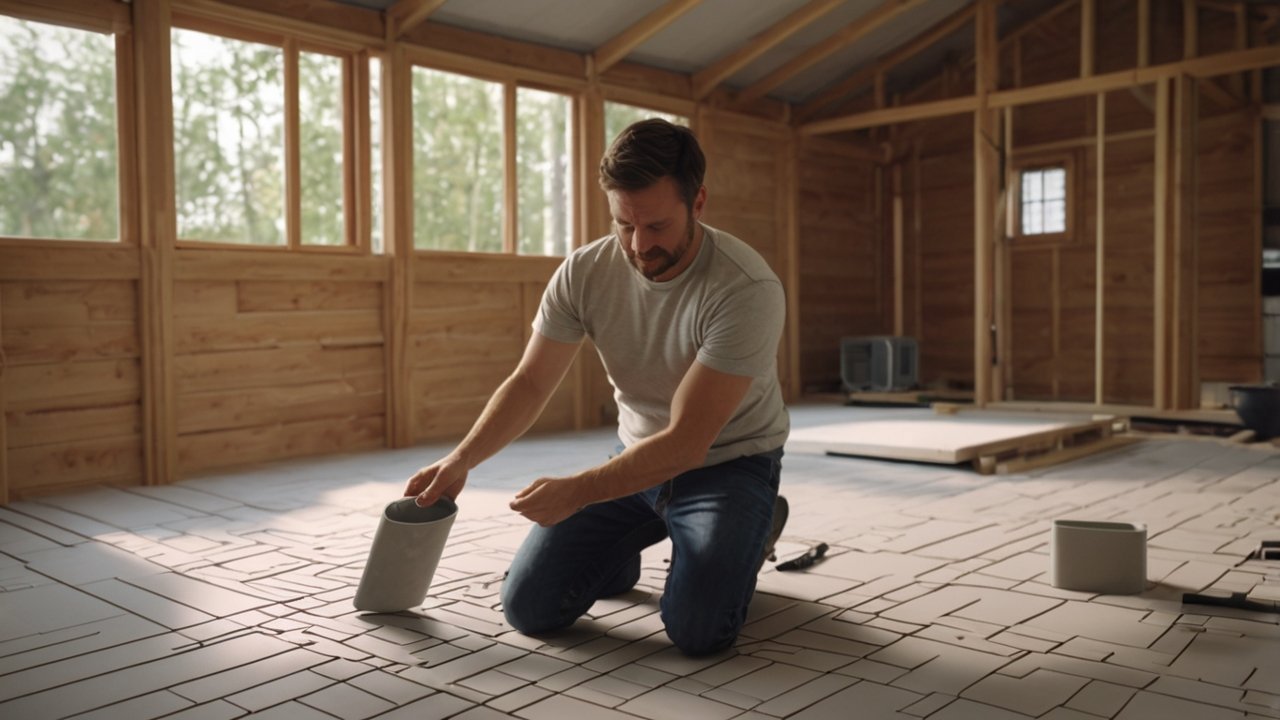
After exploring the most common flooring materials, the next question becomes simple: which option is right for your shed?
The answer depends on how you plan to use the space, your budget, local weather conditions, and how much maintenance you’re willing to perform over time.
There’s no single flooring solution that works perfectly for every situation. The best shed flooring ideas are the ones that match your specific goals rather than following a one-size-fits-all approach.
A storage shed used a few times per month has very different flooring requirements than a woodworking workshop used every weekend.
By comparing cost, durability, maintenance, and comfort, you can make a more informed decision before starting your project.
Cost Comparison of Popular Shed Flooring Ideas
For many DIY builders, budget is the first consideration.
However, it’s important to think beyond initial installation costs. A floor that requires frequent repairs may cost more over time than a slightly more expensive option installed correctly from the beginning.
Budget-Friendly Shed Flooring Ideas
Generally speaking, flooring options often fall into these categories:
Lower Initial Cost
-
Gravel
-
Basic crushed stone foundations
Moderate Initial Cost
-
Standard plywood flooring
-
Pressure-treated wood flooring
Higher Initial Cost
-
Concrete slab foundations
-
Premium modular flooring systems
While gravel typically costs less to install, it may not provide the comfort or functionality needed for workshop applications.
Conversely, concrete requires more upfront work but often delivers decades of reliable performance.
If budget is a major factor, our guide on Cheap Shed Ideas offers additional strategies for reducing overall project costs.
Thinking About Long-Term Value
One mistake I frequently see among beginners is focusing entirely on initial expenses.
Instead, consider:
-
Expected lifespan
-
Maintenance requirements
-
Future upgrades
-
Repair costs
-
Intended usage
A floor that lasts for many years with minimal upkeep often provides better value than a cheaper alternative that needs regular repairs.
Durability Comparison of Shed Flooring Ideas
Durability is another important factor, especially if your shed stores heavy equipment or serves as a workshop.
Which Shed Flooring Ideas Last the Longest?
In terms of overall durability, most flooring options generally rank as follows:
-
Concrete slab
-
Pressure-treated wood
-
Exterior-grade plywood
-
Gravel foundation
-
Interlocking floor coverings (when used as surface upgrades)
Concrete stands out because it resists rot, insect damage, and moisture-related deterioration.
Pressure-treated wood performs well in outdoor environments and offers a good balance between strength and comfort.
Plywood can also provide years of service when properly protected from moisture and supported by a strong floor frame.
Common Durability Mistakes
Many flooring failures occur because of installation issues rather than material defects.
Common mistakes include:
-
Poor drainage
-
Inadequate floor support
-
Insufficient gravel base preparation
-
Ignoring moisture control
-
Overloading lightweight flooring systems
Trusted resources such as Fine Woodworking and Popular Woodworking consistently emphasize that proper construction techniques often matter more than the material itself.
A well-built plywood floor can outperform a poorly installed concrete slab.
Maintenance Requirements for Different Flooring Options
Maintenance is another area where flooring materials differ significantly.
Some homeowners don’t mind occasional upkeep, while others prefer a low-maintenance solution.
Low-Maintenance Shed Flooring Ideas
If minimal maintenance is your goal, concrete typically requires the least attention.
A properly installed slab generally needs only occasional cleaning and inspection.
Gravel also requires relatively little maintenance, although periodic leveling may be necessary.
Pressure-treated wood and plywood floors often benefit from:
-
Regular inspections
-
Protective finishes
-
Prompt repairs when damage occurs
Improving Comfort and Usability
Comfort becomes increasingly important if you spend long hours inside your shed.
Wood flooring usually feels warmer and more forgiving than concrete.
Many workshop owners improve comfort further by adding floor mats in high-use areas.
For woodworking sheds and hobby spaces, some DIY builders use FEATOL Anti Fatigue Mat for Standing near workbenches to help reduce fatigue during longer projects.
Best Shed Flooring Ideas Based on Shed Type
Different shed uses often point toward different flooring solutions.
Best Shed Flooring Ideas for Storage Sheds
For general storage applications:
-
Gravel works well for basic utility sheds.
-
Plywood offers a smoother interior surface.
-
Pressure-treated wood provides added durability.
These options typically balance cost and functionality effectively.
If storage is your primary goal, our guide on Shed Storage Ideas may help you make better use of the available space.
Best Shed Flooring Ideas for Workshops
For workshops and hobby spaces:
-
Concrete provides maximum stability.
-
Pressure-treated wood offers comfort and durability.
-
Plywood works well for light-to-medium-duty workshops.
The right choice often depends on the tools and equipment you’ll use regularly.
Best Shed Flooring Ideas for Wet Climates
In areas with frequent rainfall or high humidity:
-
Concrete performs exceptionally well.
-
Pressure-treated wood provides additional protection.
-
Gravel helps improve drainage beneath the structure.
Regardless of the material selected, proper site preparation remains critical.
Final Thoughts on Choosing Shed Flooring Ideas
The best shed flooring ideas aren’t necessarily the most expensive or the most durable. They’re the flooring solutions that fit your needs, climate, budget, and long-term plans.
If you want maximum strength and minimal maintenance, concrete is often the strongest choice.
If you prefer a traditional woodworking approach with a comfortable surface, plywood and pressure-treated wood remain excellent options.
For budget-conscious projects, gravel continues to be one of the simplest and most practical solutions available.
By carefully evaluating your intended use and site conditions before construction begins, you’ll be far more likely to build a shed floor that performs well for years to come.
Frequently Asked Questions About Shed Flooring Ideas
Choosing the right shed floor often raises a few common questions, especially for first-time DIY builders. Here are answers to some of the questions homeowners ask most often when comparing different shed flooring ideas.
What Is the Cheapest Flooring Option for a Shed?
Gravel is usually one of the most affordable shed flooring ideas available.
A properly prepared gravel base requires fewer materials than wood-framed floors or concrete slabs, making it a popular choice for garden sheds and basic storage buildings.
However, lower cost doesn’t always mean it’s the best fit. If you plan to use the shed as a workshop or spend significant time inside, a plywood or pressure-treated wood floor may provide better comfort and usability.
Can I Build a Shed Directly on the Ground?
Building a shed directly on bare soil is generally not recommended.
Ground contact exposes flooring materials to:
-
Excess moisture
-
Soil movement
-
Rot and decay
-
Uneven settling
Most experienced builders recommend using a gravel base, concrete slab, or raised floor system to create a more stable foundation.
Proper site preparation can significantly extend the life of your shed regardless of which flooring material you choose.
Is Plywood Strong Enough for a Shed Floor?
Yes, plywood can be an excellent shed flooring material when installed correctly.
The key factors include:
-
Using exterior-grade plywood
-
Proper floor joist spacing
-
Adequate support framing
-
Moisture protection
Many backyard sheds successfully use plywood floors for decades when these factors are addressed properly.
For workshops that contain heavy machinery, additional floor reinforcement may be necessary.
What Flooring Works Best in Wet Climates?
In areas with frequent rain or high humidity, moisture resistance becomes especially important.
Popular shed flooring ideas for wet climates include:
-
Concrete slabs
-
Pressure-treated wood flooring
-
Gravel foundations with good drainage
Regardless of the material selected, drainage remains critical. Even moisture-resistant flooring can develop problems if water consistently pools around the shed.
Fine Woodworking and Popular Woodworking often emphasize that controlling moisture at the source is more effective than relying solely on protective coatings or treatments.
How Long Should a Shed Floor Last?
The lifespan of a shed floor depends on the material, installation quality, and environmental conditions.
As a general guideline:
-
Concrete floors can last for decades with minimal maintenance.
-
Pressure-treated wood flooring often provides many years of service when properly maintained.
-
Exterior-grade plywood can perform well long-term when protected from moisture.
-
Gravel foundations may require occasional re-leveling but can remain functional indefinitely.
Proper drainage, ventilation, and routine inspections usually have a greater impact on lifespan than the flooring material alone.
Should I Add Floor Mats to My Shed?
Floor mats aren’t necessary for every shed, but they can improve comfort and protect flooring surfaces in workshops and hobby spaces.
Many woodworkers place mats:
-
Near workbenches
-
In front of stationary tools
-
At frequently used entry points
This can help reduce fatigue during long projects while protecting finished floor surfaces from wear and tear.
Ultimately, the best shed flooring ideas are the ones that match your shed’s intended use, local climate, and maintenance preferences. Taking the time to choose the right floor now can help prevent costly repairs and frustration later.
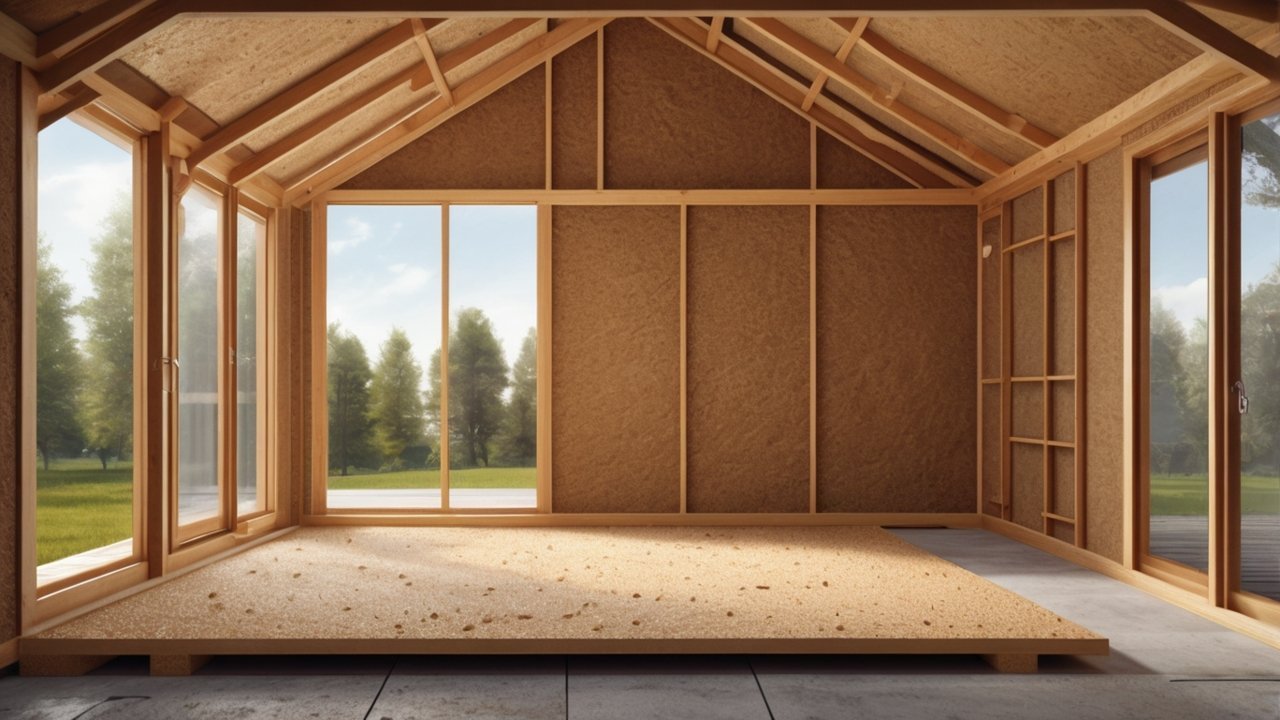
Conclusion: Choosing the Best Shed Flooring for Your Needs
Finding the right shed flooring ideas doesn’t have to be complicated. The best choice ultimately depends on how you plan to use your shed, your local climate, and the amount of maintenance you’re comfortable handling.
If you’re looking for the most budget-friendly solution, a properly prepared gravel base can provide reliable performance for basic storage sheds. For many homeowners, plywood remains one of the most versatile options thanks to its balance of affordability, comfort, and ease of installation.
Those seeking maximum durability may find that a concrete slab offers the strongest long-term foundation, especially for workshops and heavy equipment storage. Meanwhile, pressure-treated wood provides added protection against moisture while maintaining the familiar feel of a traditional wood floor. Interlocking floor tiles can also be a practical upgrade for improving comfort and usability in an existing shed.
No matter which flooring option you choose, proper site preparation, drainage, and moisture control are often more important than the material itself. A well-built floor supported by a solid foundation will typically outperform a premium flooring system installed on poor ground.
Before starting your project, take time to evaluate your shed’s intended purpose, expected load requirements, and future plans. A little extra planning now can save significant time, money, and frustration later.
If you’re still designing your shed, you may also find these resources helpful:
With the right planning and the right flooring choice, your backyard shed can become a durable, functional space that serves you well for many years to come.
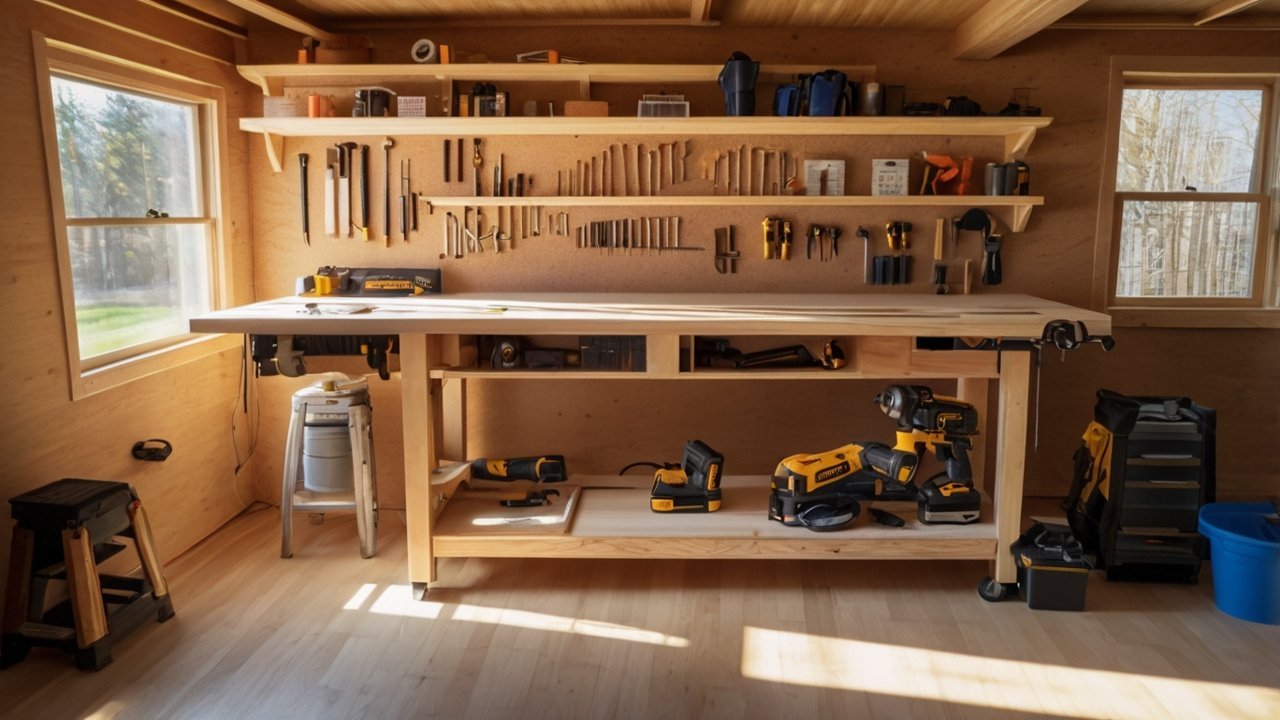
Recommended Products to Improve Your Shed Flooring
After building and using several backyard sheds over the years, I’ve learned that the flooring material itself is only part of the equation. A few well-chosen accessories can help improve durability, comfort, and moisture protection while reducing maintenance over time.
The products below aren’t required for every shed, but they may be worth considering depending on your flooring type and how you plan to use the space.
Crawl Space Vapor Barrier for Moisture Protection
Moisture is one of the biggest threats to wood-based shed floors. Even a well-built plywood or pressure-treated floor can suffer damage if ground moisture constantly rises beneath the structure.
For sheds built on raised foundations, some DIY builders install a Crawl Space Vapor Barrier beneath the shed to help reduce moisture migration from the soil.
This type of barrier may be particularly useful if:
-
Your yard stays damp after rain
-
The shed sits on bare soil
-
You live in a humid climate
-
You’re installing plywood or pressure-treated flooring
Yes4All EVA Interlocking Mats for Comfort
Concrete and plywood floors can become uncomfortable during long woodworking or hobby sessions.
To make the space more comfortable, some shed owners add Yes4All EVA Interlocking Mats over sections of the floor.
These mats may help:
-
Reduce fatigue while standing
-
Protect flooring surfaces
-
Cushion dropped tools
-
Create a more comfortable workspace
They’re commonly used in hobby sheds, craft rooms, and light-duty workshops.
FEATOL Anti Fatigue Mat for Workstations
If your shed functions as a woodworking shop, you’ll probably spend most of your time standing in front of a workbench or machine.
Instead of covering the entire floor, many woodworkers place a FEATOL Anti Fatigue Mat for Standing in high-use areas.
This can help improve comfort during tasks such as:
-
Sanding
-
Assembly work
-
Finishing projects
-
Bench work
-
Tool setup
For many workshop owners, a quality standing mat is one of the simplest upgrades they make after completing the shed.
Epoxy Colored Sand Floor Paint for Concrete Floors
Bare concrete is durable, but it can sometimes produce dust and be difficult to clean.
For workshop sheds built on concrete slabs, some homeowners apply Epoxy Colored Sand Floor Paint to create a more durable and easier-to-maintain surface.
Potential benefits include:
-
Improved appearance
-
Easier cleanup
-
Better stain resistance
-
Reduced concrete dust
This option is most commonly used in workshop and equipment-storage sheds.
Self-Leveling Tool Kit for Concrete Projects
If you’re planning to pour your own concrete slab, achieving a smooth and level surface can be challenging for beginners.
A Self-Leveling Tool Kit with Rake may help simplify the leveling process during slab installation.
Some DIY builders find these tools useful when:
-
Pouring a new shed foundation
-
Repairing uneven concrete
-
Preparing a workshop floor
-
Applying self-leveling compounds
Additional Shed Planning Resources
If you’re still deciding on shed size, layout, or construction methods, My Shed Plans provides a large collection of shed designs that may help during the planning phase.
For readers interested in building additional woodworking projects after completing their shed, the free guide 10 DIY Wood Projects You Can Build This Weekend offers beginner-friendly project ideas that can help you make use of your new workspace.
Final Thoughts
The best shed flooring setup combines the right floor material with practical accessories that address your specific needs. Whether your priority is moisture protection, workshop comfort, or long-term durability, these tools and resources may help you get more value from your backyard shed while keeping maintenance manageable for years to come.