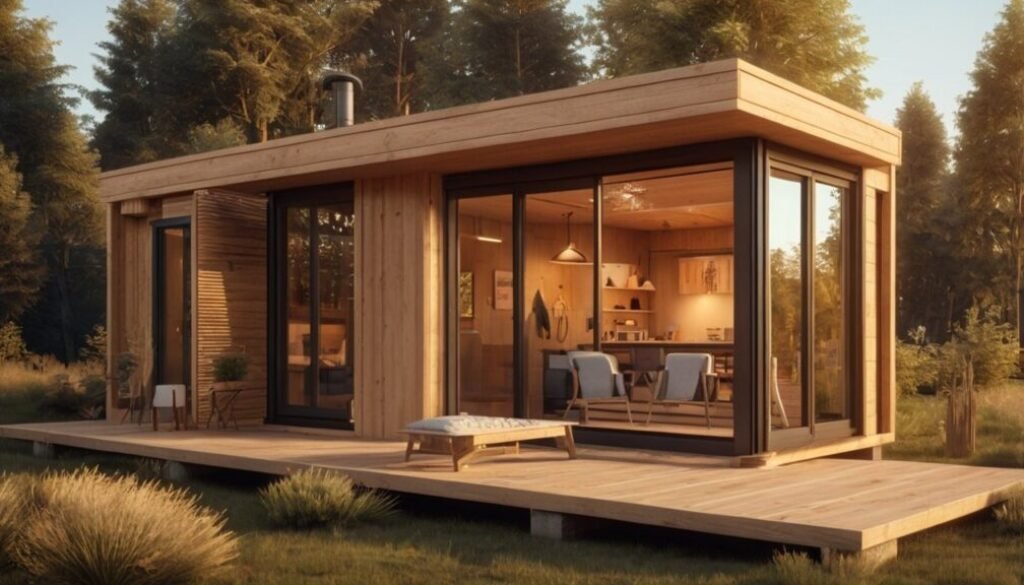
Tiny House Plans: 7 Smart Designs for DIY Builders
Have you ever dreamed of owning a home that’s affordable, efficient, and designed around your lifestyle? Tiny House Plans have become a popular starting point for people who want to simplify their living space without sacrificing comfort or functionality.
Choosing the right plan is one of the most important steps in any tiny home project. A well-designed layout can help you maximize every square foot, improve storage, and create a space that feels both practical and inviting. Whether you’re planning a full-time residence, a backyard guest house, or an off-grid retreat, having a clear blueprint can save time, money, and frustration during the building process.
If you’re new to the world of tiny homes, it’s completely normal to feel overwhelmed by the number of designs, floor plans, and construction options available. The good news is that finding the right solution doesn’t have to be complicated. With a better understanding of your needs and the key features to look for, you can confidently choose a plan that fits your goals.
In this guide, we’ll explore the essential factors to consider when selecting Tiny House Plans, along with practical tips to help you start your DIY tiny home journey with confidence.
What Are Tiny House Plans?
If you’re new to the world of small-space living, understanding Tiny House Plans is one of the most important first steps. Many beginners jump straight into construction ideas, but a well-designed plan can save countless hours of frustration later.
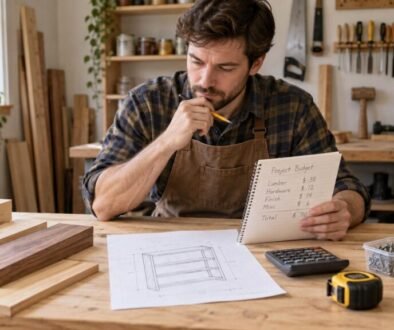
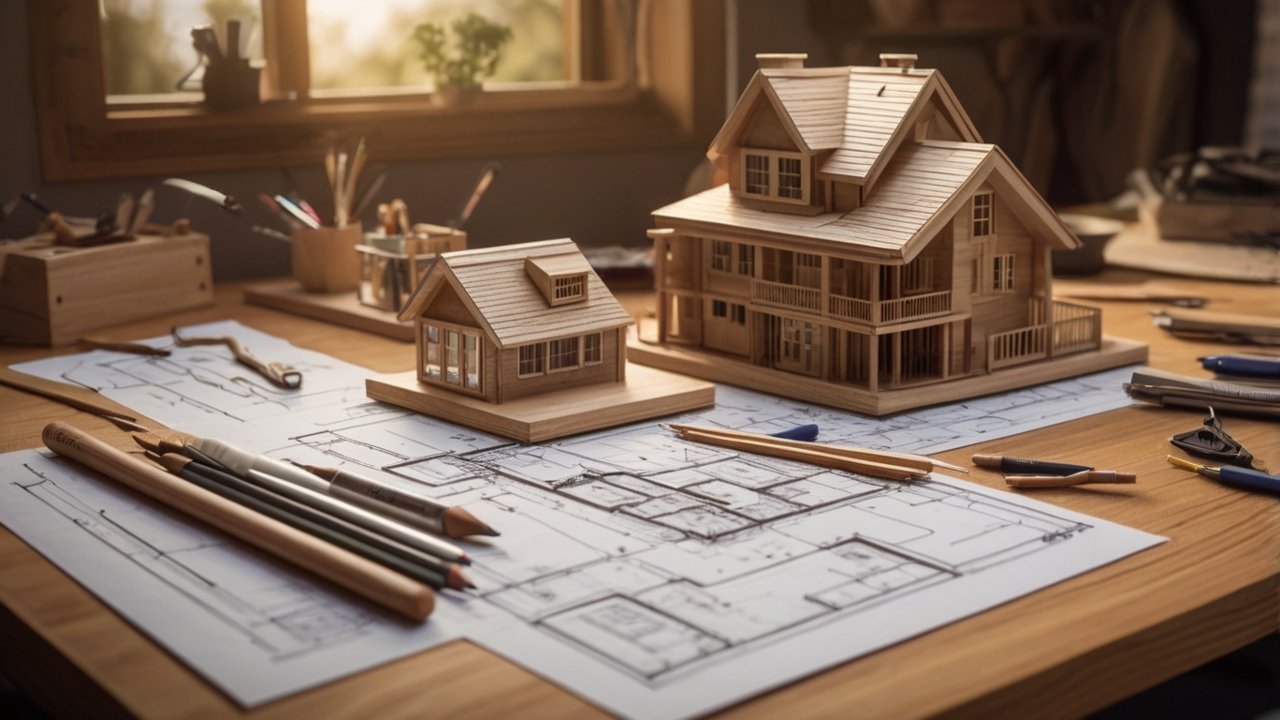
Think of a tiny house plan as the roadmap for your entire project. It shows how the home will be built, how the space will function, and what materials may be required. Whether you’re building a backyard retreat, a full-time residence, or a weekend cabin, starting with detailed Tiny House Plans helps reduce mistakes and keeps your project organized.
As someone who has spent years around DIY building projects and woodworking, I’ve learned that good planning often matters more than having advanced building skills. Even a simple design becomes much easier to build when every measurement and layout decision has already been thought through.
What Is Included in Tiny House Plans?
Most quality Tiny House Plans contain much more than a simple floor layout. Depending on the designer, a plan package may include:
-
Floor plans
-
Elevation drawings
-
Framing details
-
Roofing layouts
-
Window and door locations
-
Material lists
-
Electrical and plumbing suggestions
These documents give builders a clear picture of how the finished home should look and function.
For beginners, having detailed plans can be especially helpful because they eliminate much of the guesswork. Instead of trying to design everything from scratch, you can focus on learning practical building skills and following a proven layout.
If you’re still building your DIY knowledge, our guide on wood joinery techniques can help you understand how structural components are connected safely and efficiently.
Why Tiny House Plans Matter Before You Build
One common mistake new builders make is underestimating how much planning affects the final result.
A tiny home has very limited square footage. Every inch matters. Poor placement of a staircase, storage cabinet, or bathroom wall can dramatically impact daily comfort.
Detailed Tiny House Plans help you:
-
Visualize the finished space
-
Identify storage opportunities
-
Estimate material costs more accurately
-
Reduce construction errors
-
Simplify permit applications in many areas
I’ve seen hobbyists spend weeks rebuilding sections simply because they skipped the planning stage. While creativity is valuable, structure and preparation usually save more time and money.
Before purchasing materials, it’s also helpful to understand the characteristics of different lumber species. Our guide to types of wood for every project explains which woods work well for framing, furniture, and interior finishes.
Choosing Tiny House Plans That Fit Your Lifestyle
Not all Tiny House Plans are designed for the same purpose.
A weekend getaway cabin requires different features than a full-time residence. Before comparing layouts, think carefully about how you’ll actually use the space.
Tiny House Plans for Full-Time Living
If you plan to live in your tiny home year-round, prioritize functionality over appearance.
Consider:
-
Full-size kitchen appliances
-
Adequate closet storage
-
Comfortable sleeping arrangements
-
Dedicated workspaces
-
Bathroom privacy
Many first-time builders focus heavily on aesthetics and later realize they overlooked practical needs.
The most successful tiny homes balance beauty with everyday usability.
Tiny House Plans for DIY Builders
If this is your first construction project, simplicity is usually your friend.
A straightforward rectangular structure is often easier to frame, insulate, and finish than a complex design with multiple rooflines and custom features.
When evaluating plans, ask yourself:
-
Can I realistically build this with my current skills?
-
What tools will I need?
-
Are the construction methods clearly explained?
Builders who are just getting started may benefit from learning about basic workshop organization and tool selection. Our article on setting up a woodworking shop provides a practical starting point.
For readers looking for a complete beginner-focused blueprint package, the Tiny House Made Easy resource offers step-by-step guidance that can help simplify the planning process.
Safety Considerations When Using Tiny House Plans
Safety should never be treated as an afterthought.
Even a small structure involves power tools, ladders, framing lumber, and electrical systems. Following recognized safety practices helps reduce risks throughout the project.
Organizations such as OSHA provide valuable guidance on construction safety, including:
-
Eye protection
-
Hearing protection
-
Ladder safety
-
Tool handling procedures
-
Job site organization
As a general rule, never rush structural work. Taking extra time to verify measurements often prevents costly mistakes later.
Accurate measuring tools can also make planning easier. Many DIY builders find devices such as the BOSCH GLM165-22 165 Ft Blaze Laser Measure useful when checking room dimensions and verifying layout measurements before construction begins.
The Benefits and Limitations of Tiny House Plans
Like any building approach, using pre-designed plans has advantages and trade-offs.
Advantages
-
Faster project planning
-
Reduced design uncertainty
-
Easier budgeting
-
Better material estimation
-
More confidence for beginners
Potential Limitations
-
Less customization
-
May require local code adjustments
-
Some plans assume intermediate building knowledge
For most first-time builders, however, the benefits far outweigh the drawbacks.
A solid set of Tiny House Plans provides structure, direction, and peace of mind. Instead of constantly wondering what comes next, you can focus on learning new skills and enjoying the building process.
In the next section, we’ll explore how to choose the right tiny house layout based on your budget, available space, and long-term goals.
Disclosure: This article may contain affiliate links. If you purchase through these links, we may earn a small commission at no extra cost to you.
How to Choose the Right Tiny House Plan
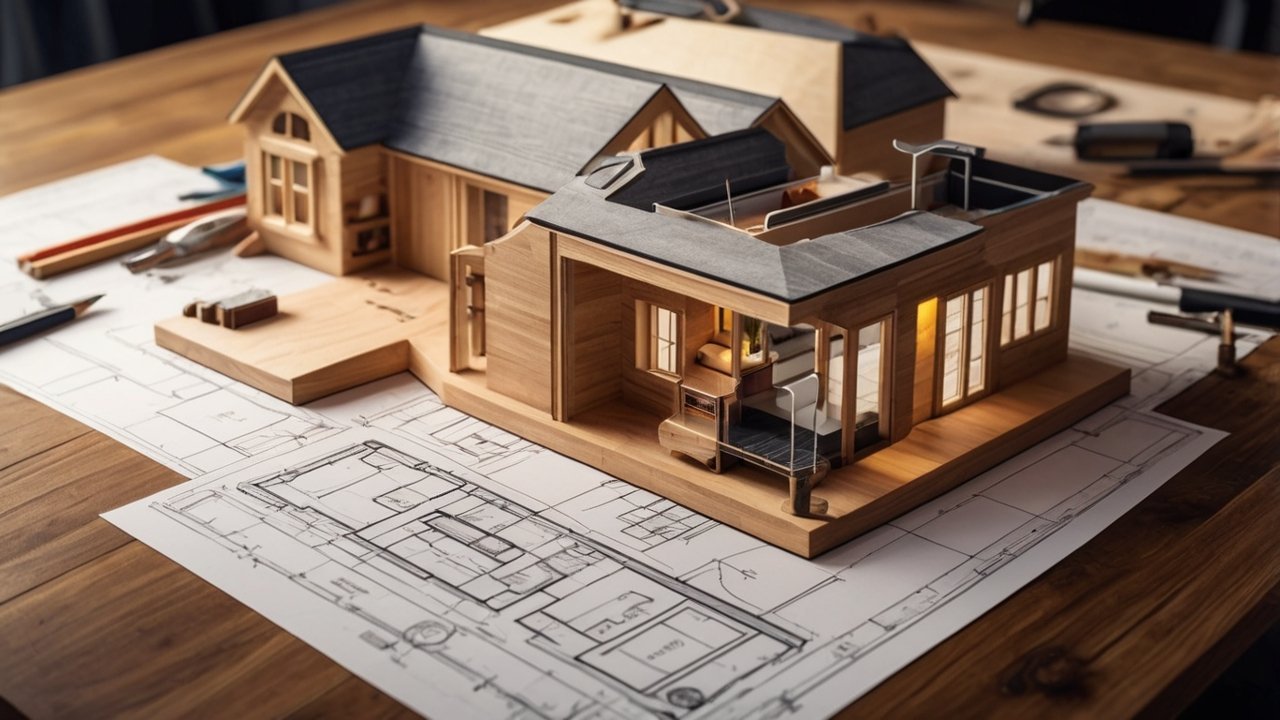
Choosing the right Tiny House Plans can feel overwhelming at first. A quick online search reveals hundreds of layouts, styles, and design options. While it’s tempting to focus on attractive photos, the best plan is the one that fits your lifestyle, budget, and building experience.
As someone who has worked on numerous DIY and woodworking projects, I’ve found that successful builds start with practical decisions rather than trendy features. The goal is to create a space that works for you both today and years down the road.
Before purchasing any plans, take time to think about how the tiny house will actually be used. A well-matched design can make daily living comfortable, while the wrong layout may lead to expensive modifications later.
Consider Your Lifestyle and Space Needs
One of the biggest mistakes beginners make is choosing a floor plan based solely on appearance.
A beautiful loft, large windows, or a stylish exterior may look impressive, but they won’t matter much if the home doesn’t support your daily routine.
Ask yourself a few practical questions:
-
Will this be a full-time home or a vacation retreat?
-
How many people will live in the space?
-
Do you work remotely?
-
Will you need storage for hobbies, tools, or outdoor gear?
-
Do you plan to entertain guests?
For example, a solo builder may prioritize a larger workspace or workshop area. A couple might prefer a spacious kitchen and additional storage. Families often need sleeping lofts or multifunctional living areas.
When evaluating Tiny House Plans, imagine moving through the space during a typical day. Visualizing daily activities can reveal potential issues before construction begins.
If you enjoy hands-on DIY projects, our guide on easy small woodworking projects offers creative ideas for custom furniture and storage solutions that work particularly well in compact homes.
Think About Storage Early
Storage is often overlooked during the planning stage.
In a traditional house, clutter can be hidden in spare rooms or large closets. Tiny homes don’t offer that luxury.
Look for plans that include:
-
Built-in shelving
-
Under-stair storage
-
Multi-purpose furniture areas
-
Loft storage spaces
-
Kitchen organization solutions
Some of the most functional tiny homes I’ve seen weren’t necessarily the largest. They simply used available space more efficiently.
Thoughtful storage design can make a 300-square-foot home feel surprisingly comfortable.
Tiny House Plans: Trailer-Based vs. Foundation-Built Homes
One of the first major decisions you’ll face is whether to build on a trailer or a permanent foundation.
Both approaches have advantages and limitations.
Trailer-Based Tiny House Plans
A trailer-based tiny house offers mobility and flexibility.
Benefits include:
-
Potential portability
-
Easier relocation
-
Smaller land requirements in some situations
-
Popular option for off-grid living
However, building on a trailer also introduces challenges.
Weight distribution becomes critical. Builders must carefully select materials and avoid unnecessary structural weight. Ceiling heights may also be limited due to transportation restrictions.
If you’re planning a mobile tiny home, pay close attention to weight calculations and local transportation regulations before purchasing plans.
Foundation-Built Tiny House Plans
Foundation-based designs often provide more flexibility.
Advantages include:
-
Fewer transportation limitations
-
Greater design freedom
-
Easier utility connections
-
Potentially higher resale value
Many first-time builders find foundation-built homes simpler because they don’t need to account for trailer engineering requirements.
For DIY enthusiasts interested in larger outdoor structures, our guide on build a small shed step-by-step covers several framing principles that also apply to tiny house construction.
Which Option Is Right for You?
The answer depends on your goals.
Choose trailer-based plans if mobility is a priority.
Choose foundation-based plans if you want maximum design flexibility and plan to stay in one location long-term.
Neither approach is inherently better. The right choice is simply the one that aligns with your lifestyle and local regulations.
Budget Considerations When Comparing Tiny House Plans
Budget planning is where many tiny house projects succeed—or struggle.
The cost of a build isn’t determined only by square footage. Design complexity can significantly impact material costs, labor requirements, and construction time.
Watch for Hidden Costs
Some plans appear affordable at first but require:
-
Custom windows
-
Specialized roofing materials
-
Advanced framing techniques
-
Unique architectural features
These upgrades can quickly increase expenses.
As a general rule, simpler structures are often more budget-friendly and beginner-friendly.
Evaluate Material Requirements
Before committing to a plan, review the material list carefully.
Look for:
-
Framing lumber quantities
-
Roofing materials
-
Insulation requirements
-
Interior finish options
-
Window and door specifications
Understanding material needs early helps prevent budget surprises later.
For readers interested in learning more about lumber selection, our article on types of wood for furniture and construction explains the strengths and limitations of common wood species.
Tools You’ll Need for the Build
Many first-time builders underestimate the importance of having the right tools available before construction begins.
Basic equipment often includes:
-
Circular saw
-
Drill and driver
-
Measuring tools
-
Clamps
-
Safety equipment
A combo kit such as the DEWALT 20V MAX Cordless Drill and Impact Driver can be helpful for beginners who want a reliable starting set for framing, fastening, and general construction tasks.
Choosing Tiny House Plans With Confidence
The right Tiny House Plans should balance functionality, budget, and your current skill level.
Focus on how the home will serve your daily needs rather than chasing design trends. A practical layout, efficient storage, and realistic construction requirements will contribute far more to long-term satisfaction than flashy features.
By carefully evaluating your lifestyle, deciding between a trailer or foundation build, and understanding the true costs involved, you’ll be in a much stronger position to choose a plan that supports a successful DIY tiny house project.
In the next section, we’ll explore some of the most popular tiny house styles and layouts available today, along with the advantages each design offers.
Popular Tiny House Plans and Design Styles
One of the most exciting parts of planning a tiny home is exploring the many design options available. Today’s Tiny House Plans range from sleek modern layouts to rustic cabins and family-friendly designs. Each style offers unique advantages, and the right choice depends on your lifestyle, budget, and personal preferences.
As a DIY builder, it’s important to look beyond appearance alone. A beautiful tiny house should also be practical, efficient, and realistic to build with your current skills.
Many beginners find it helpful to compare several layouts before making a final decision. Understanding the strengths and limitations of different styles can help you avoid costly changes later.
Modern Minimalist Tiny House Plans
Modern minimalist designs are among the most popular Tiny House Plans available today.
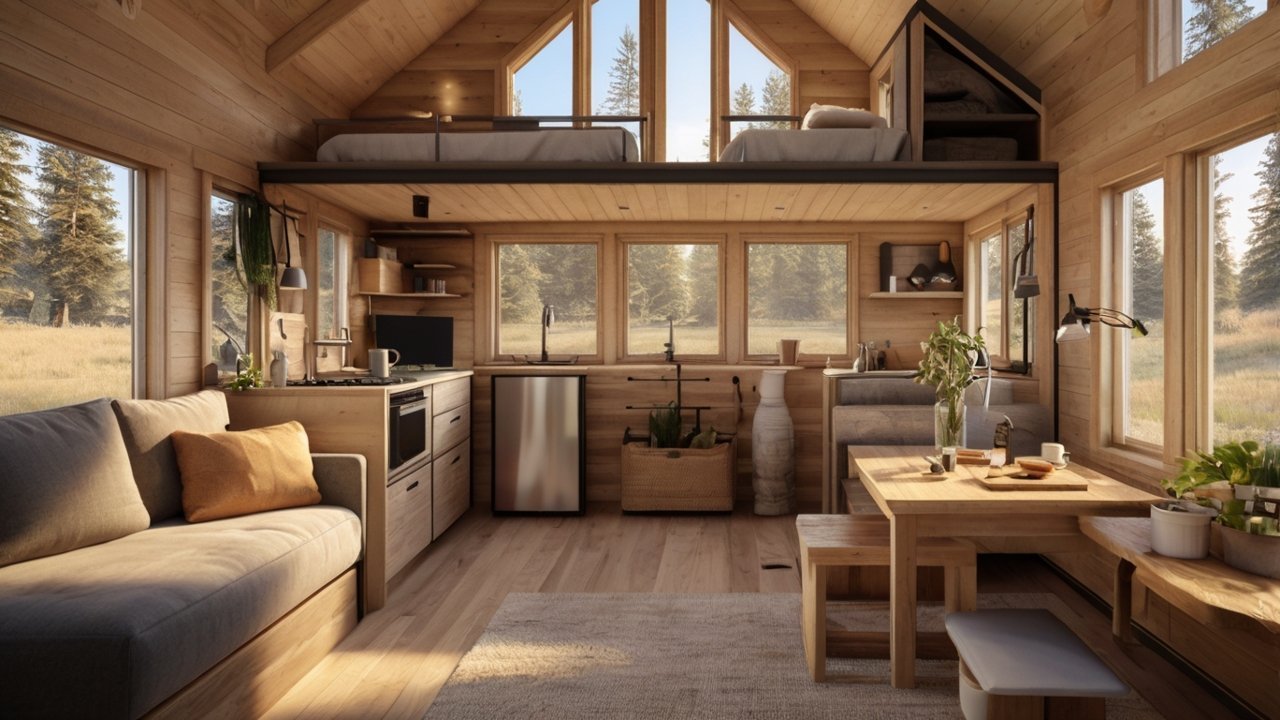
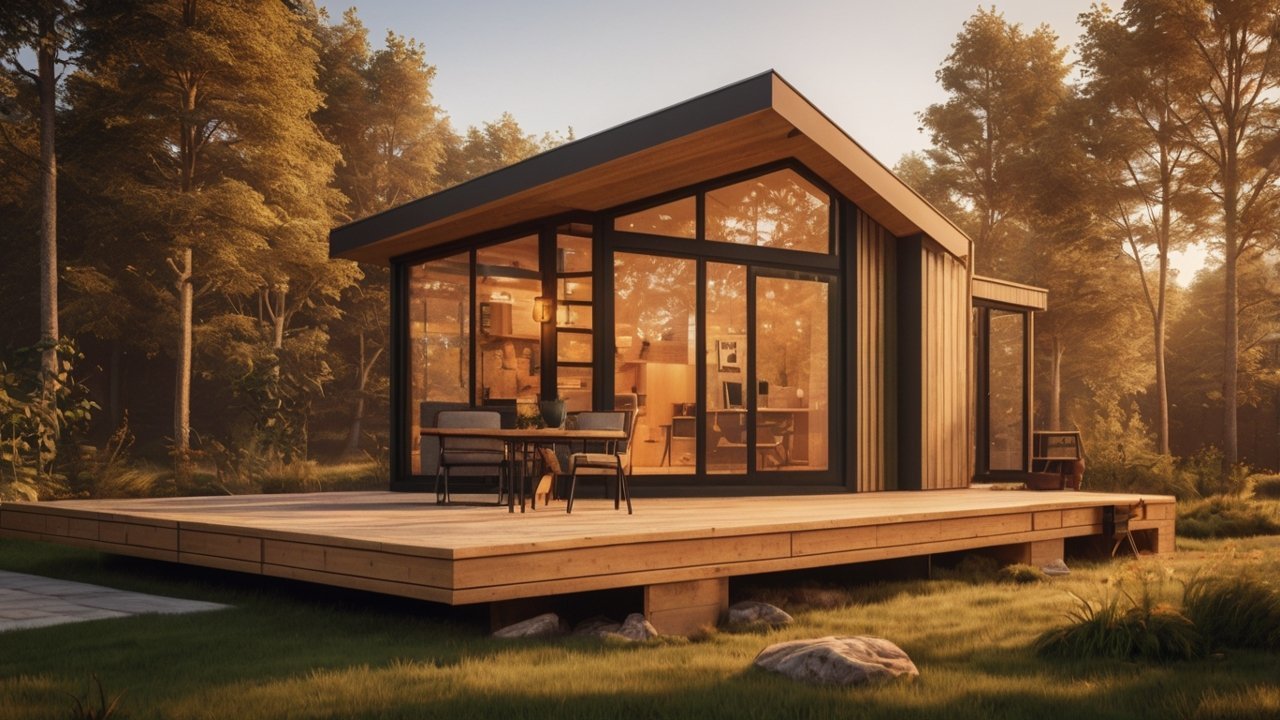
These homes focus on simplicity, clean lines, and efficient use of space. Large windows, open floor plans, and neutral color palettes are common features.
Benefits of minimalist designs include:
-
Better natural lighting
-
Less visual clutter
-
Easier maintenance
-
Flexible interior layouts
-
Contemporary appearance
Because these homes often use straightforward shapes and rooflines, they can also be more beginner-friendly from a construction standpoint.
One challenge, however, is that minimalism requires careful storage planning. Without adequate built-in storage, a small space can quickly become cluttered.
For creative storage and decorative ideas, you may find inspiration in our guide on DIY wood decor projects, which includes practical projects suitable for compact living spaces.
Why Modern Tiny House Plans Appeal to DIY Builders
Modern designs often pair well with beginner-level building skills because they avoid excessive architectural complexity.
Simple rectangular layouts typically require:
-
Fewer framing challenges
-
Less roof complexity
-
Easier material estimation
-
Faster construction timelines
For many first-time builders, simplicity can significantly reduce stress during construction.
Tiny House Plans Inspired by Rustic Cabins
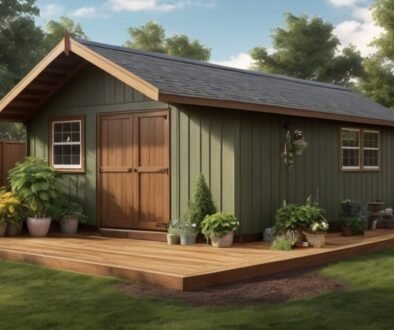
If you love natural materials and a cozy atmosphere, rustic-style Tiny House Plans may be a great fit.
These homes often feature:
-
Wood siding
-
Exposed beams
-
Natural finishes
-
Covered porches
-
Warm interior details
Rustic designs blend particularly well into wooded properties, rural settings, and homestead environments.
As a woodworking enthusiast, I appreciate how rustic homes showcase craftsmanship. Custom shelving, reclaimed wood accents, and handmade furniture can add personality while maximizing functionality.
For builders interested in natural wood aesthetics, our article on rustic woodworking ideas offers several projects that complement cabin-style tiny homes.
Pros and Cons of Rustic Tiny House Plans
Like any design style, rustic homes come with advantages and trade-offs.
Pros
-
Warm, inviting appearance
-
Strong connection to nature
-
Excellent opportunities for DIY woodworking
-
Timeless visual appeal
Cons
-
Wood maintenance requirements
-
Potentially higher finishing costs
-
More decorative details to build
For hobbyists who enjoy woodworking, these additional details are often part of the fun.
Loft-Style Tiny House Plans for Maximum Space
Loft-based layouts remain one of the most efficient ways to increase usable living space.
Instead of expanding the building footprint, lofts take advantage of vertical space by placing sleeping areas above the main living zone.
Common loft uses include:
-
Bedrooms
-
Guest sleeping areas
-
Storage spaces
-
Reading nooks
-
Home offices
This approach allows builders to dedicate more floor space to kitchens, bathrooms, and living areas.
Safety Considerations for Loft Designs
Lofts offer excellent space efficiency, but safety should always be part of the design process.
According to general OSHA safety principles and common building best practices, builders should carefully plan:
-
Stair design
-
Loft railings
-
Headroom clearance
-
Emergency exit access
Many beginners underestimate how often they’ll use stairs or ladders throughout the day. A slightly larger staircase may reduce available floor space, but it often improves long-term comfort and safety.
Careful measurements are especially important when building loft structures. Many DIY builders find tools such as the BOSCH GLM165-22 165 Ft Blaze Laser Measure helpful for accurately planning ceiling heights, loft clearances, and room dimensions.
Family-Friendly Tiny House Plans
While many people associate tiny homes with solo living, some Tiny House Plans are specifically designed for couples and families.
These layouts focus on maximizing functionality without making the home feel crowded.
Features often include:
-
Multiple sleeping areas
-
Dual lofts
-
Larger kitchens
-
Flexible living spaces
-
Enhanced storage systems
Family-oriented designs require more planning because every square foot must serve multiple purposes.
Tiny House Plans That Grow With Your Needs
One characteristic I always recommend looking for is adaptability.
Life changes over time. A workspace today may become a child’s room tomorrow. A guest loft may later serve as additional storage.
Flexible floor plans can help your home remain functional even as your needs evolve.
Builders who enjoy creating custom furniture may benefit from learning more about DIY wooden furniture projects. Multifunctional furniture can dramatically improve how a family uses a small living space.
Which Tiny House Style Is Right for You?
There is no universal answer when choosing among different Tiny House Plans.
Modern minimalist homes offer simplicity and efficiency. Rustic cabins provide warmth and character. Loft designs maximize usable space, while family-friendly layouts prioritize flexibility and comfort.
The best approach is to focus on how you plan to live in the home rather than following trends. Consider your daily habits, storage needs, future goals, and construction skills.
Once you’ve identified the style that fits your lifestyle, you’ll be ready to evaluate specific features that can make a tiny home more comfortable, efficient, and enjoyable to live in. That’s exactly what we’ll cover in the next section.
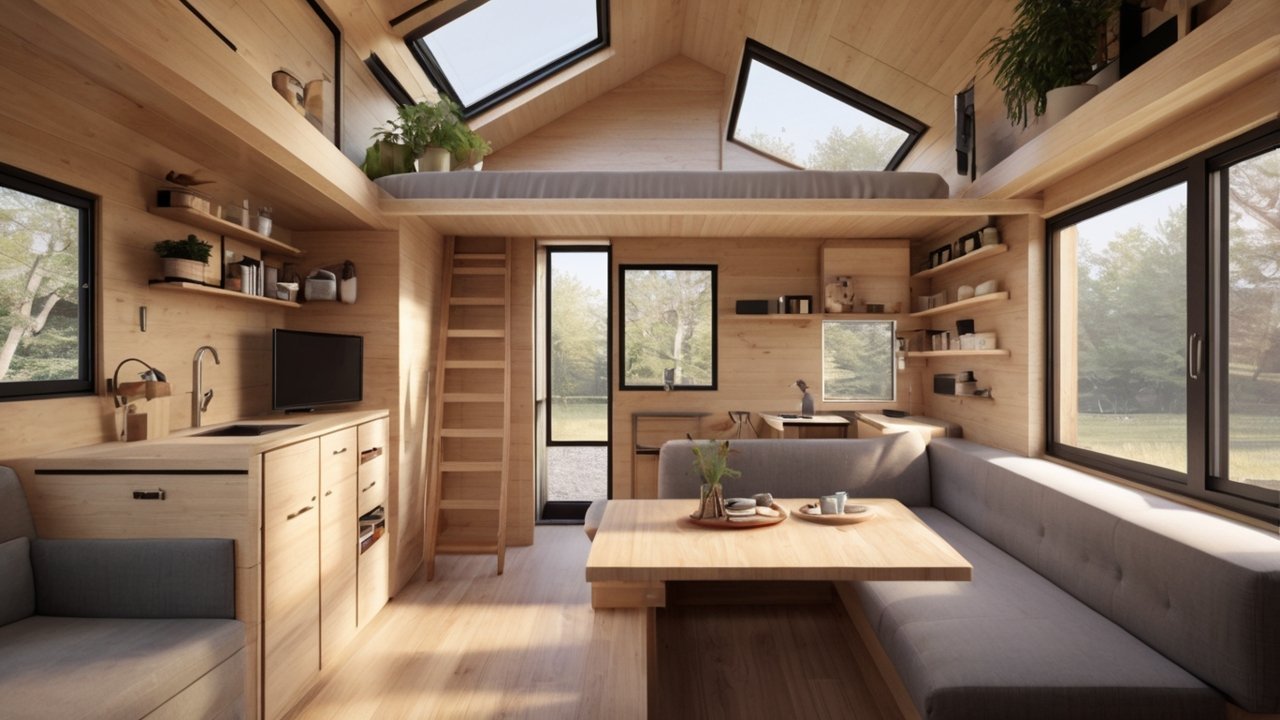
Essential Features to Look For in Tiny House Plans
Once you’ve narrowed down your preferred design style, it’s time to evaluate the features that will have the biggest impact on everyday living. The most successful Tiny House Plans aren’t necessarily the largest or most visually impressive—they’re the ones that make smart use of limited space.
As a DIY builder, I’ve learned that functionality often matters more than square footage. A well-designed 250-square-foot home can feel far more comfortable than a poorly planned 400-square-foot one.
When comparing different Tiny House Plans, pay close attention to storage, layout efficiency, natural lighting, and energy performance. These elements will affect your daily experience long after construction is complete.
Why Smart Design Matters in Tiny House Plans
Every feature inside a tiny home should serve a purpose.
In traditional homes, wasted space often goes unnoticed. In a tiny house, inefficient design becomes obvious very quickly.
Look for plans that prioritize:
-
Multi-functional spaces
-
Built-in storage
-
Easy traffic flow
-
Flexible furniture placement
-
Natural light access
A thoughtful design can make a small home feel open, organized, and comfortable.
Tiny House Plans With Efficient Storage Solutions
Storage is one of the biggest challenges in small-space living.
Even minimalist homeowners need places to store clothing, tools, seasonal items, kitchen supplies, and personal belongings. That’s why the best Tiny House Plans incorporate storage directly into the structure rather than relying solely on furniture.
Built-In Storage Features Worth Considering
When reviewing floor plans, look for creative storage opportunities such as:
-
Under-stair cabinets
-
Built-in shelving
-
Loft storage compartments
-
Under-bed drawers
-
Hidden bench storage
-
Wall-mounted organization systems
These solutions maximize usable space without increasing the home’s footprint.
As a woodworking enthusiast, I’ve found that custom storage projects often provide the greatest return on effort. A simple built-in cabinet can eliminate clutter while adding character to the home.
For inspiration, our guide on small shed storage ideas offers practical organization concepts that can easily be adapted for tiny houses.
Avoid Common Storage Mistakes
Many first-time builders underestimate how much storage they’ll actually need.
A few common mistakes include:
-
Prioritizing open space over storage
-
Ignoring seasonal items
-
Forgetting tool storage
-
Underestimating kitchen storage requirements
It’s much easier to incorporate storage during the planning stage than to retrofit solutions after construction is complete.
Functional Kitchen and Bathroom Layouts
Kitchens and bathrooms typically require the most planning because they contain the highest concentration of fixtures, utilities, and daily-use items.
A well-designed layout can dramatically improve comfort without increasing square footage.
Features to Look for in Tiny House Kitchens
The most practical tiny house kitchens focus on workflow rather than size.
Consider plans that include:
-
Efficient counter space
-
Adequate cabinet storage
-
Easy appliance access
-
Space-saving layouts
-
Natural lighting
Many successful tiny homes use custom-built cabinetry to maximize every available inch.
Builders interested in improving their woodworking skills may find our article on wood joints explained useful when designing custom cabinets and built-in furniture.
Bathroom Design Considerations
Bathrooms are often one of the most difficult spaces to design efficiently.
Look for layouts that balance:
-
Privacy
-
Ventilation
-
Storage
-
Ease of cleaning
-
Comfortable movement
Pocket doors and corner fixtures are commonly used to save valuable floor space.
Energy Efficiency and Natural Lighting
A feature that often gets overlooked when comparing Tiny House Plans is energy efficiency.
The right design can lower utility costs while making the home feel brighter and more comfortable year-round.
Maximize Natural Light
Natural light creates the illusion of a larger space.
Many modern Tiny House Plans use:
-
Large windows
-
Clerestory windows
-
Glass entry doors
-
Skylights
Good lighting not only improves aesthetics but also reduces dependence on artificial lighting during the day.
However, window placement should balance light, privacy, and insulation performance.
Consider Long-Term Energy Savings
Energy-efficient features may require a larger upfront investment, but they often reduce long-term operating costs.
Examples include:
-
High-quality insulation
-
Energy-efficient windows
-
LED lighting
-
Solar-ready electrical systems
-
Passive solar design principles
For off-grid builders, renewable energy is often part of the overall design strategy. Some homeowners choose systems such as the Renogy 200 Watts 12 Volts Monocrystalline RV Solar Panel Kit to support small-scale energy needs while reducing dependence on traditional utilities.
Features That Add Long-Term Value
While it’s easy to focus on immediate needs, it’s also wise to think about future flexibility.
The most practical Tiny House Plans often include features that can adapt over time.
These may include:
-
Convertible living spaces
-
Flexible storage areas
-
Expandable outdoor living zones
-
Multi-purpose furniture locations
-
Future utility upgrades
Adaptable designs tend to remain functional even as lifestyles change.
For builders interested in creating comfortable outdoor spaces, our guide on backyard design ideas offers several projects that pair well with tiny home living.
Choosing Features That Fit Your Lifestyle
The best Tiny House Plans aren’t packed with every possible feature. Instead, they focus on the features that matter most to the people living there.
Prioritize storage, functional layouts, natural light, and energy efficiency before adding luxury upgrades. These core elements have the greatest impact on comfort and usability.
By focusing on practical design choices now, you’ll create a tiny home that feels larger, functions better, and remains enjoyable for years to come.
In the next section, we’ll look at practical DIY building tips that can help beginners turn their tiny house plans into a successful construction project.
DIY Building Tips for Beginners
Building a tiny house can be one of the most rewarding DIY projects you’ll ever take on. At the same time, it’s a significant commitment of time, effort, and planning. The good news is that many successful tiny house builders started with little or no construction experience.
The key is approaching the project realistically. Quality Tiny House Plans provide a strong foundation, but your success also depends on preparation, patience, and a willingness to learn new skills along the way.
As someone who has spent years working on woodworking and DIY projects, I’ve found that beginners often overestimate the importance of advanced skills and underestimate the value of careful planning. A methodical builder with basic skills usually achieves better results than an experienced builder who rushes through the process.
Start With Small Projects First
Before jumping directly into a full tiny house build, consider practicing with smaller woodworking projects.
Simple projects help you develop:
-
Measuring accuracy
-
Cutting techniques
-
Tool familiarity
-
Assembly skills
-
Problem-solving confidence
Building a workbench, storage shelf, or outdoor planter can teach many of the same fundamentals you’ll use when constructing a tiny home.
If you’re looking for beginner-friendly practice projects, our guide on simple woodworking projects is a great place to start.
Understand Your Tiny House Plans Before Building
One of the most common mistakes beginners make is starting construction before fully understanding their plans.
Take time to study:
-
Floor plans
-
Framing diagrams
-
Material lists
-
Roofing details
-
Window and door placements
Don’t assume you’ll figure things out as you go.
Experienced builders spend considerable time reviewing plans before making the first cut. Doing so often prevents expensive mistakes later.
Tools You’ll Need to Build Tiny House Plans
You don’t need a professional workshop to build a tiny home, but having the right tools can make the process safer and more efficient.
Essential Tools for Tiny House Plans
Most DIY builders will need:
-
Circular saw
-
Drill and driver
-
Impact driver
-
Measuring tape
-
Speed square
-
Clamps
-
Levels
-
Safety equipment
Many first-time builders prefer combo tool kits because they provide several commonly used tools in a single package.
For example, the Makita XT269T 18V LXT Lithium-Ion Brushless kit includes tools frequently used for framing, fastening, and general construction tasks. It’s the type of setup many hobbyists find practical when starting larger projects.
Create an Organized Workspace
A clean workspace improves both safety and efficiency.
Before construction begins:
-
Organize tools
-
Create material storage areas
-
Remove tripping hazards
-
Ensure adequate lighting
-
Establish a waste disposal system
Good organization reduces frustration and helps prevent accidents.
For additional guidance, our article on woodworking shop layouts and essential tools covers practical ways to create an efficient DIY workspace.
Common Mistakes When Building Tiny House Plans
Even experienced builders make mistakes. The goal is to minimize them through careful planning and realistic expectations.
Rushing the Framing Stage
Framing is the structural backbone of your tiny home.
Small measurement errors can create larger problems later when installing:
-
Doors
-
Windows
-
Roofing
-
Interior finishes
Take extra time to verify measurements before cutting lumber.
The old woodworking advice still applies: measure twice, cut once.
Ignoring Material Moisture Content
Wood movement is something many beginners don’t consider.
Fresh lumber can shrink, twist, or warp as it dries. Whenever possible:
-
Store lumber properly
-
Allow materials to acclimate
-
Inspect boards before installation
Publications such as Fine Woodworking and Popular Woodworking regularly emphasize the importance of understanding wood movement, especially for long-term durability.
Underestimating Project Timelines
Tiny homes may be small, but they still involve many construction phases.
These often include:
-
Site preparation
-
Framing
-
Roofing
-
Electrical work
-
Plumbing
-
Insulation
-
Interior finishing
Many beginners assume construction will move faster than reality allows.
Building in extra time helps reduce stress and encourages better workmanship.
Safety Tips for DIY Tiny House Builders
Safety should be part of every stage of the project.
According to OSHA safety guidelines, many common construction injuries result from preventable mistakes involving tools, ladders, and job site organization.
Basic Safety Practices
Always:
-
Wear eye protection
-
Use hearing protection when needed
-
Follow tool manufacturer instructions
-
Maintain a clean work area
-
Use ladders properly
-
Lift heavy materials carefully
Never sacrifice safety to save time.
A project delay is frustrating, but an injury can stop progress entirely.
Know When to Hire Professional Help
One of the smartest decisions a DIY builder can make is recognizing personal limitations.
Some tasks may require licensed professionals, including:
-
Electrical installations
-
Structural engineering
-
Plumbing systems
-
Foundation work
-
Permit-related inspections
Hiring help for specialized work doesn’t diminish the DIY experience. It often improves safety and protects your investment.
Building Tiny House Plans With Confidence
The most successful DIY builders aren’t necessarily the most skilled—they’re the most prepared.
Start with realistic expectations, study your Tiny House Plans carefully, invest in basic tools, and focus on learning one step at a time. Small improvements in planning and craftsmanship add up throughout the project.
By avoiding common mistakes and prioritizing safety, you’ll dramatically increase your chances of completing a tiny home that is durable, functional, and enjoyable to live in.
In the next section, we’ll explore useful resources, planning tools, and design software that can make the tiny house building process even easier for beginners.
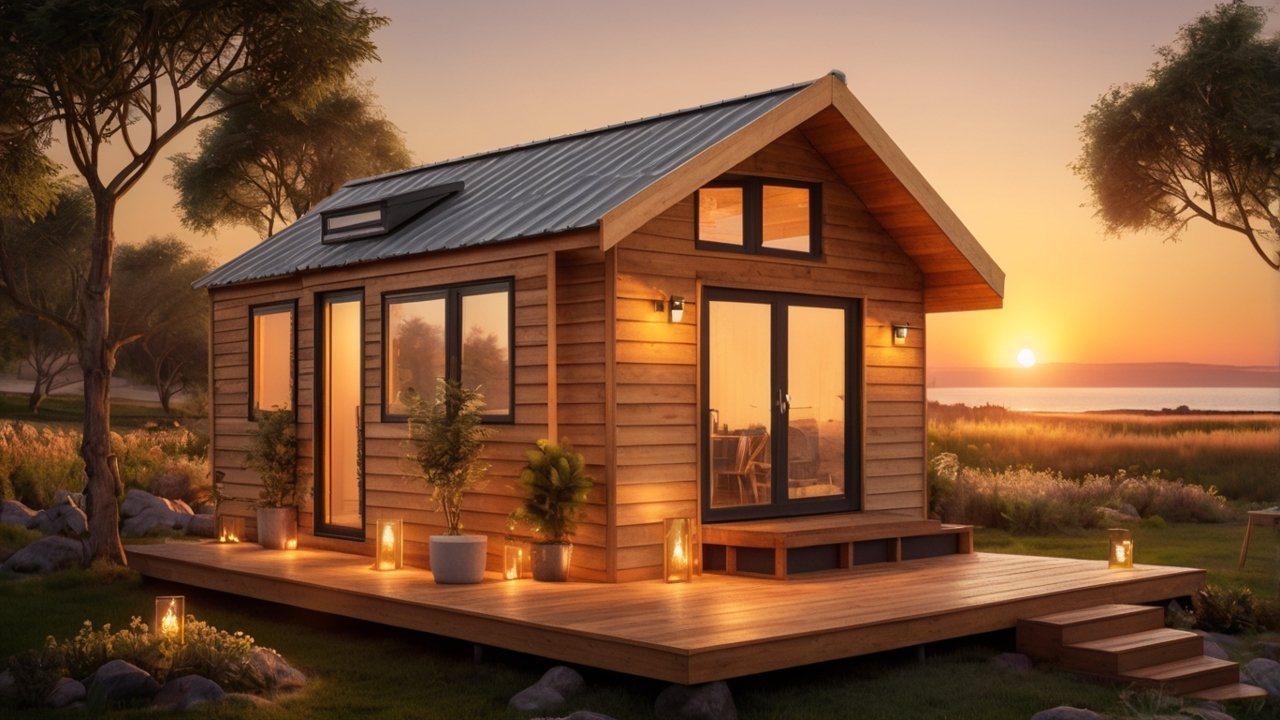
Recommended Resources and Planning Tools
One of the biggest advantages modern DIY builders have is access to excellent planning resources. Years ago, building a tiny home often required creating your own drawings, researching building methods from multiple sources, and learning through trial and error.
Today, a wide range of tools can simplify the process and help you make better decisions before construction begins.
Whether you’re comparing Tiny House Plans, estimating costs, or designing custom features, the right resources can save time, reduce mistakes, and improve the overall building experience.
As a woodworking enthusiast, I’ve learned that successful projects usually start long before the first board is cut. Investing time in planning often pays off throughout every stage of the build.
Why Planning Tools Matter
A tiny house may be small, but it still includes many moving parts.
You’ll likely need to manage:
-
Layout design
-
Material selection
-
Budget planning
-
Structural decisions
-
Utility systems
-
Storage solutions
Without proper planning, it’s easy to overlook important details that become expensive to fix later.
Good planning tools help you visualize the project, identify potential issues, and make informed decisions before construction begins.
Design Software for Tiny House Plans
Design software has become increasingly accessible for beginners.
Even if you purchase professionally designed Tiny House Plans, digital design tools can help you customize layouts, test furniture arrangements, and visualize interior spaces.
Benefits of Home Design Software
Many programs allow you to:
-
Create floor plans
-
Visualize room layouts
-
Test furniture placement
-
Estimate dimensions
-
Explore design alternatives
This can be particularly helpful when working with limited square footage.
A small adjustment that seems insignificant on paper may dramatically improve functionality once viewed in a 3D model.
When Should Beginners Use Design Software?
Not every DIY builder needs advanced architectural software.
However, software becomes especially valuable when:
-
Modifying existing plans
-
Creating custom storage solutions
-
Planning furniture layouts
-
Exploring multiple design options
For many hobbyists, even basic visualization tools provide enough insight to improve decision-making.
Builders looking for a complete beginner-friendly planning system may also find value in Tiny House Made Easy, which provides structured guidance alongside ready-to-use building plans.
Budget Calculators and Material Estimators
Budget overruns are one of the most common challenges in DIY construction projects.
Many builders focus heavily on lumber costs while overlooking expenses such as:
-
Fasteners
-
Insulation
-
Roofing
-
Windows
-
Electrical components
-
Interior finishes
Estimate Costs Before Buying Materials
Before ordering supplies, create a detailed budget based on your chosen plans.
A realistic estimate should include:
-
Structural materials
-
Interior materials
-
Tools
-
Permits
-
Utility systems
-
Contingency funds
Adding a contingency budget can help absorb unexpected expenses without derailing the project.
Material Selection Matters
The type of materials you choose can significantly affect both cost and performance.
For example:
-
Premium hardwoods offer durability and appearance benefits.
-
Engineered materials may reduce costs.
-
Lightweight materials can be important for trailer-based homes.
If you’re unsure which wood species fit your project, our guide on types of wood for furniture explains common options and their practical applications.
Educational Resources for DIY Builders
One of the most effective ways to improve building skills is learning from trusted sources.
Trusted Woodworking and Building Resources
Several respected organizations and publications provide valuable educational content:
-
Fine Woodworking
-
Popular Woodworking
-
OSHA safety resources
-
Local building departments
-
Community woodworking groups
These resources can help beginners develop both technical skills and safe work habits.
Learn Core Skills Before Construction Begins
Before starting your tiny house project, consider strengthening your understanding of:
-
Measuring and layout
-
Framing basics
-
Wood joinery
-
Tool safety
-
Finishing techniques
Even a few weekends of practice can build confidence and reduce costly errors.
Our guide on beginner woodworking projects offers several approachable projects that help develop foundational building skills.
Building Code and Permit Resources
Many first-time builders focus entirely on construction while overlooking local regulations.
This can lead to delays, redesigns, or unexpected expenses.
Research Local Requirements Early
Building regulations vary significantly depending on:
-
State
-
County
-
Municipality
-
Property zoning
-
Utility requirements
Before purchasing materials, contact local authorities to understand:
-
Permit requirements
-
Minimum size restrictions
-
Foundation regulations
-
Utility connection standards
-
Inspection requirements
Early research helps prevent unpleasant surprises later.
Tiny House Plans and Code Compliance
Not all Tiny House Plans are automatically compliant with local building codes.
Some plans may require adjustments based on:
-
Snow loads
-
Wind loads
-
Foundation requirements
-
Energy-efficiency standards
If necessary, consult a qualified professional to review your plans before construction begins.
Free Resources Worth Using
Not every helpful resource requires a purchase.
Many DIY builders benefit from:
-
YouTube tutorials
-
Building forums
-
Manufacturer installation guides
-
Free planning checklists
-
Local workshops
You can also download the free 10 DIY Wood Projects You Can Build This Weekend ebook through the DIY Wood Haven resource center. It provides practical project ideas that help beginners develop woodworking confidence before tackling larger builds.
Choosing the Right Resources for Your Tiny House Journey
Building a tiny home becomes much more manageable when you use the right tools and resources.
Quality Tiny House Plans, reliable educational materials, design software, budget calculators, and code references all contribute to a smoother building experience. While no resource can eliminate every challenge, proper planning dramatically improves your chances of success.
The most effective builders combine careful research with hands-on practice. By learning from trusted sources and using proven planning tools, you’ll be well prepared for the exciting journey of turning your tiny house vision into reality.
In the next section, we’ll wrap everything together with key takeaways and final advice for choosing and building the right tiny house plan.
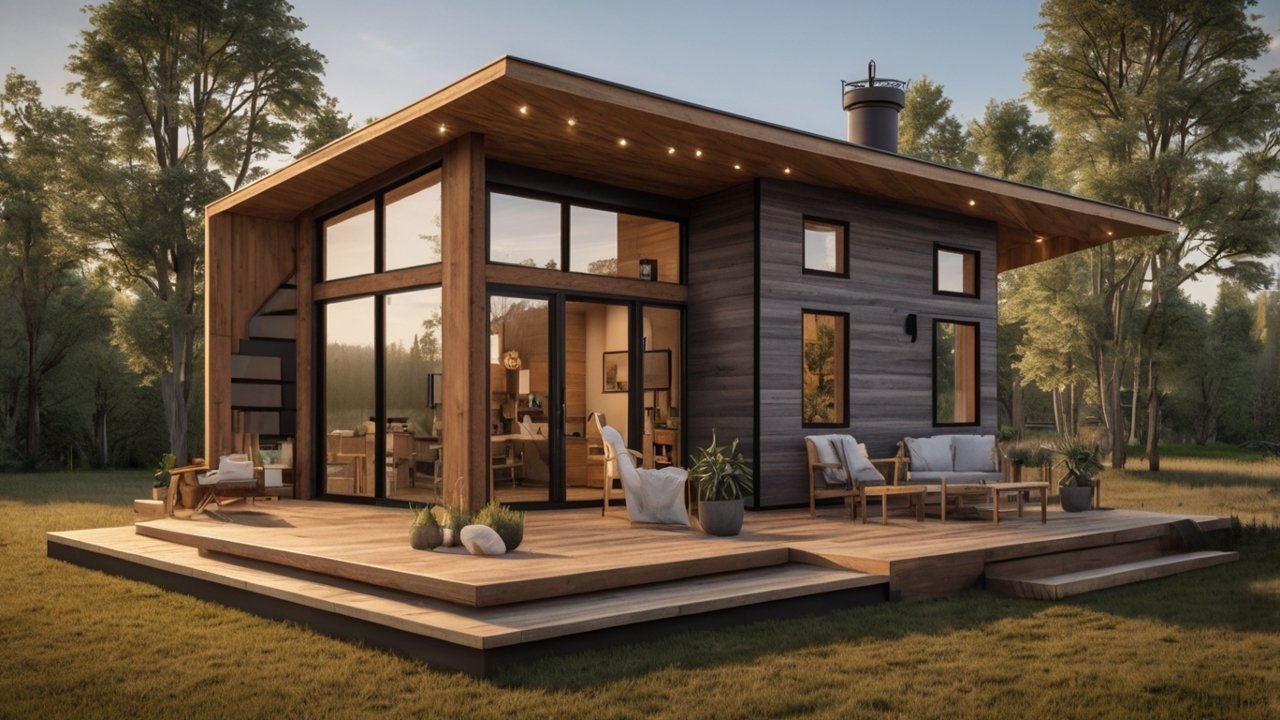
Final Thoughts on Tiny House Plans
Building a tiny home is about much more than reducing square footage. It’s an opportunity to create a space that reflects your priorities, supports your lifestyle, and makes better use of every available inch. Whether your goal is financial freedom, simplified living, a backyard guest house, or an off-grid retreat, the journey starts with choosing the right Tiny House Plans.
Throughout this guide, we’ve explored the key factors that contribute to a successful tiny house project—from understanding different plan types and design styles to evaluating storage solutions, energy efficiency, and practical construction considerations. While every project is unique, one principle remains constant: careful planning leads to better results.
Start With a Plan That Matches Your Goals
It’s easy to get distracted by trendy designs and impressive social media photos. However, the most successful tiny homes are usually the ones designed around real-world needs.
Before committing to any layout, consider:
-
How the home will be used
-
Who will live there
-
Long-term storage needs
-
Future flexibility
-
Available budget
-
Your current building skills
A plan that works beautifully for one family may not be the right fit for another.
Take the time to evaluate your lifestyle honestly. Doing so can help prevent expensive changes later in the process.
Why Good Tiny House Plans Save Time and Money
One lesson experienced builders learn quickly is that mistakes on paper are far less expensive than mistakes during construction.
Quality Tiny House Plans help you:
-
Visualize the finished home
-
Estimate material requirements
-
Improve budgeting accuracy
-
Reduce construction errors
-
Simplify decision-making
When every measurement and layout detail has been considered ahead of time, the building process becomes significantly smoother.
This is especially important for beginners who may be learning construction and woodworking skills as they build.
Invest in Learning Before Building
The most valuable tool on any job site isn’t a saw or drill—it’s knowledge.
Before beginning construction, spend time learning about:
-
Basic framing
-
Woodworking techniques
-
Building safety
-
Material selection
-
Project planning
Even a few weeks of preparation can dramatically improve confidence and project outcomes.
If you’d like to continue developing your skills, our resources on woodworking projects for beginners, wood finishing techniques, and essential wood types can help build a stronger foundation before tackling larger construction projects.
Tiny House Plans Are Only the Beginning
While choosing the right plan is critical, it’s only the first step of the journey.
Successful builders remain flexible, patient, and willing to learn throughout the process.
Expect challenges.
Expect adjustments.
And most importantly, expect growth.
Every project teaches valuable lessons that improve your skills and confidence as a DIY builder.
Build Safely and Realistically
No matter how excited you are to get started, never overlook safety.
Following OSHA safety recommendations, using tools correctly, and knowing when to consult a professional can help protect both you and your investment.
Remember:
-
Double-check measurements.
-
Follow local building requirements.
-
Wear proper safety equipment.
-
Work at a comfortable pace.
-
Ask for help when needed.
The goal isn’t simply to finish the project—it’s to build a home that’s safe, durable, and enjoyable for years to come.
Your Next Step Toward Building a Tiny Home
If you’re ready to move forward, start by selecting a set of Tiny House Plans that aligns with your goals and experience level.
A structured resource such as Tiny House Made Easy can provide step-by-step guidance, detailed plans, and practical insights that many first-time builders find helpful when planning their projects.
The planning stage may not be the most exciting part of the journey, but it’s often the most important. A little extra preparation today can save countless hours of frustration later.
With the right plan, realistic expectations, and a willingness to learn, you’ll be well on your way to creating a tiny home that is functional, comfortable, and uniquely your own.
Frequently Asked Questions
What size is considered a tiny house?
Most tiny houses range from 100 to 400 square feet. However, definitions can vary depending on local building codes and zoning regulations.
Are Tiny House Plans suitable for beginners?
Yes. Many professionally designed Tiny House Plans are specifically created for DIY builders and include detailed instructions, material lists, and construction diagrams.
How much do Tiny House Plans cost?
Costs vary widely. Basic plans may be available for free, while comprehensive plan packages with detailed construction documents typically cost more.
Do I need a permit to build a tiny house?
In most locations, some form of permit or approval is required. Always check with your local building department before starting construction.
Can I customize Tiny House Plans?
In many cases, yes. Builders often modify layouts, storage solutions, and interior features to better suit their needs. However, structural changes may require professional review.
Is building a tiny house cheaper than buying a traditional home?
For many people, yes. Tiny homes generally require fewer materials and lower ongoing maintenance costs, although total expenses depend on design choices, land costs, utilities, and local regulations.
Disclosure: This article may contain affiliate links. If you purchase through these links, we may earn a small commission at no extra cost to you.
Recommended Products for Tiny House Builders
Building a tiny house requires careful planning, accurate measurements, and reliable tools. While every project is different, the following products are commonly used by DIY builders and can help simplify various stages of the building process.
Laser Measuring Tool for Accurate Layout Planning
Accurate measurements are critical when working with limited square footage. Even small errors can affect wall placement, cabinetry, and storage solutions.
Many builders use the BOSCH GLM165-22 165 Ft Blaze Laser Measure when planning room layouts, checking dimensions, and verifying measurements during construction.
Helpful for:
-
Floor plan measurements
-
Interior layout planning
-
Window and door placement
-
Material estimation
Cordless Drill and Driver Kit for Construction Tasks
A quality drill and impact driver are among the most frequently used tools during a tiny house build.
The DEWALT 20V MAX Cordless Drill and Impact Driver is commonly used for framing, fastening, cabinetry installation, and general assembly work.
Useful for:
-
Wall framing
-
Deck construction
-
Interior finishing
-
Cabinet installation
For builders looking for an alternative platform, the Makita XT269T 18V LXT Brushless Combo Kit is another option often used in woodworking and home construction projects.
Solar Power Kit for Off-Grid Tiny Homes
Many tiny homeowners are interested in reducing utility costs or creating partial off-grid systems.
The Renogy 200W Solar Panel Kit is often considered when exploring small-scale solar solutions for lighting, battery charging, and basic electrical needs.
Potential applications include:
-
Off-grid cabins
-
Tiny homes on rural properties
-
Backup power systems
-
Sustainable living projects
Complete Tiny House Building Plans
For beginners, one of the most valuable resources is a detailed set of building plans.
The Tiny House Made Easy guide provides step-by-step instructions, floor plans, and planning resources designed to help simplify the building process.
This type of resource can be especially useful for builders who want a structured roadmap before purchasing materials or starting construction.
Final Recommendation
If you’re just getting started, focus first on choosing quality Tiny House Plans that match your goals and experience level. From there, invest in accurate measuring tools, reliable power tools, and educational resources that help you build safely and efficiently.
The combination of good planning and the right equipment will have a far greater impact on your project’s success than any single tool or upgrade.