DIY Tiny House: Step-by-Step Guide for Beginners
Have you ever dreamed of owning a home that’s affordable, customizable, and built with your own hands? A DIY Tiny House offers a unique opportunity to create a functional living space while keeping costs under control and adding a personal touch to every detail.
For many people, traditional homeownership feels increasingly out of reach. Rising housing costs, limited space, and a desire for a simpler lifestyle have led more homeowners and DIY enthusiasts to explore tiny house living. Building a DIY Tiny House can be an exciting and rewarding project, but it also comes with important decisions about planning, materials, design, and construction.
If you’re feeling overwhelmed by where to begin, you’re not alone. From choosing the right floor plan to understanding building regulations and selecting essential tools, there’s a lot to learn before breaking ground. The good news is that with the right guidance and preparation, even beginners can successfully tackle a tiny home project.
In this guide, we’ll walk through the key steps, practical tips, and common mistakes to help you confidently start your DIY tiny house journey.
Planning Your DIY Tiny House Project
A successful DIY Tiny House begins with careful planning, not construction. While it’s tempting to start cutting lumber and assembling wall frames immediately, experienced builders know that preparation is what separates a smooth project from a frustrating one.
Whether you’re building a tiny house on wheels, a backyard guest house, or a full-time residence, taking the time to create a solid plan can save money, reduce mistakes, and improve the final result.
For woodworking enthusiasts, a tiny house project is one of the most rewarding builds you can tackle. It combines framing, joinery, finishing, space planning, and problem-solving into a single project.
Define Your DIY Tiny House Goals
Before selecting materials or floor plans, clarify how your DIY Tiny House will be used.
Ask yourself:
-
Will it be a permanent home?
-
Is mobility important?
-
How many occupants will live in the space?
-
Will you need a dedicated workspace?
-
Are off-grid systems part of the plan?
The answers influence every major decision, from foundation design to electrical requirements.
A common beginner mistake is designing for appearance rather than function. While attractive interiors are important, daily comfort should remain the priority.
If you’re still developing basic woodworking skills, practicing with smaller projects can be valuable before taking on a full tiny home build. Resources such as Beginner Woodworking Projects can help build confidence with measuring, cutting, and assembly techniques.
Create a Realistic DIY Tiny House Budget
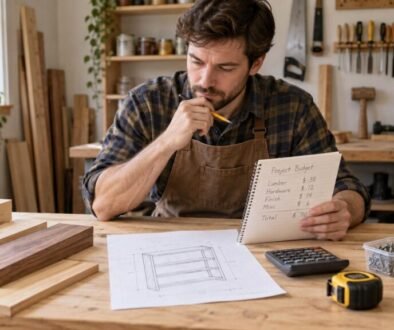
One of the biggest challenges new builders face is budgeting accurately.
Even a modest tiny house requires numerous materials and supplies, including:
-
Framing lumber
-
Plywood and sheathing
-
Roofing materials
-
Fasteners and hardware
-
Windows and doors
-
Insulation
-
Interior finishes
It’s also important to account for tools, permit fees, utility connections, and material waste.
From experience, adding a contingency fund helps manage unexpected expenses that arise during construction.
After establishing a budget, some builders find a layout tool like the Self Leveling Laser Level 100ft useful for improving measurement accuracy during planning and framing.
DIY Tiny House Design Considerations
Good design goes beyond appearance. A well-designed DIY Tiny House should maximize comfort, storage, and functionality within a limited footprint.
Every square foot matters.
Choosing the Right DIY Tiny House Floor Plan
The best floor plan depends on your lifestyle.
Consider:
-
Sleeping arrangements
-
Kitchen requirements
-
Bathroom size
-
Storage needs
-
Workspaces
-
Dining areas
Many first-time builders underestimate storage requirements. Incorporating built-in cabinets, shelving, and multi-purpose furniture early in the design phase can make a significant difference later.
Reviewing different layouts before committing to a design is always worthwhile. These Tiny House Plans provide useful examples of practical floor plans for DIY builders.
DIY Tiny House on Wheels vs Foundation
One of the earliest decisions you’ll make is whether to build on a trailer or a permanent foundation.
Tiny House on Wheels
Pros
-
Mobility
-
Flexible placement
-
Suitable for travel lifestyles
Cons
-
Weight restrictions
-
Transportation challenges
-
Trailer costs
Foundation-Based Tiny House
Pros
-
Greater structural flexibility
-
Easier utility installation
-
Traditional home feel
Cons
-
Permanent location
-
Additional site preparation
There is no universal right choice. The best option depends on your goals and local regulations.
DIY Tiny House Safety and Planning Essentials
Safety often receives less attention than design, but it’s equally important.
Building a tiny house involves power tools, ladders, framing work, and heavy materials. Taking shortcuts can lead to costly mistakes or injuries.
DIY Tiny House Safety Best Practices
Trusted resources such as Fine Woodworking, Popular Woodworking, and OSHA safety guidelines consistently recommend:
-
Wearing eye protection
-
Using hearing protection
-
Maintaining sharp cutting tools
-
Following manufacturer instructions
-
Keeping workspaces organized
Good workshop habits improve both safety and project quality.
Dust collection and ventilation are also important, especially when cutting plywood, sanding wood surfaces, or applying finishes.
For builders preparing a dedicated workspace, Setup Woodworking Shop Layouts and Essential Tools offers practical guidance for creating an efficient workshop environment.
Avoid Common DIY Tiny House Planning Mistakes
Most planning mistakes are preventable.
Common examples include:
-
Underestimating costs
-
Ignoring permit requirements
-
Choosing an oversized floor plan
-
Neglecting storage solutions
-
Purchasing materials before finalizing designs
Patience during the planning phase often saves significant time and money during construction.
Builders who prefer a structured roadmap sometimes use resources such as Tiny House Made Easy to better understand project sequencing and design considerations before starting construction.
By investing time in planning, you’ll create a stronger foundation for every stage of your DIY Tiny House build.
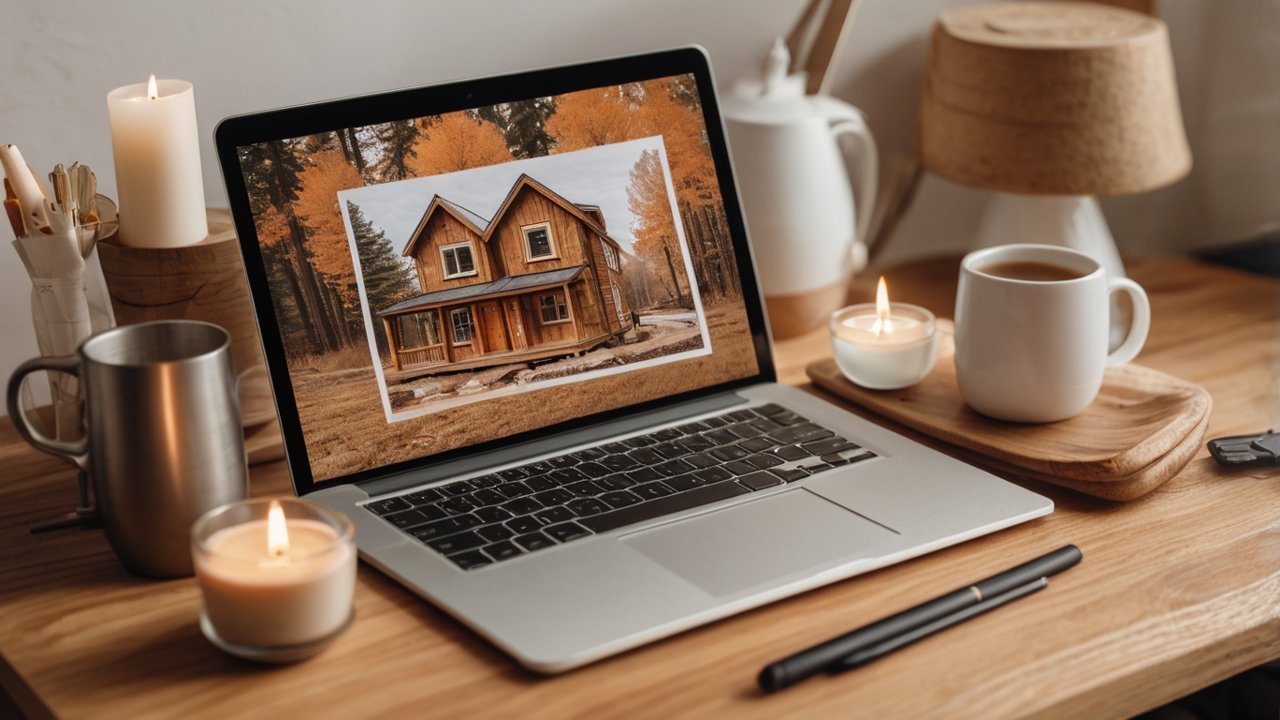
Choosing the Right Tiny House Design
One of the most exciting parts of building a DIY Tiny House is choosing the design. This is where your ideas start taking shape and the project begins to feel real. However, it’s also where many first-time builders make costly mistakes.
A well-designed tiny house isn’t just attractive—it supports your daily lifestyle, maximizes available space, and simplifies construction. The goal is to balance comfort, functionality, and practicality while staying within your budget and skill level.
When planning a tiny home, remember that every square foot serves a purpose. Unlike traditional houses, there is very little room for wasted space.
Choosing the Right DIY Tiny House Layout
The layout is the foundation of every successful DIY Tiny House. Before selecting a floor plan, think carefully about how you’ll use the space every day.
Consider questions such as:
-
Will you work from home?
-
How often will guests visit?
-
Do you need a full kitchen?
-
Is a loft bedroom practical for you?
-
How much storage will you require?
Many beginners focus heavily on aesthetics while overlooking functionality. A beautiful design can quickly become frustrating if it lacks storage, workspace, or comfortable living areas.
One practical approach is to list your “must-have” features before reviewing floor plans. This helps narrow down options and prevents you from being distracted by designs that don’t fit your needs.
If you’re exploring different layouts, these Tiny House Plans provide useful inspiration for DIY builders and small-space enthusiasts.
DIY Tiny House Space Planning Tips
Space planning is one of the biggest challenges in tiny house construction.
Unlike conventional homes, every cabinet, shelf, and piece of furniture needs to work efficiently.
Popular space-saving solutions include:
-
Built-in storage benches
-
Loft sleeping areas
-
Fold-down tables
-
Staircase drawers
-
Wall-mounted shelving
As a woodworking enthusiast, this is where custom-built furniture can add tremendous value. Creating storage solutions that fit your exact dimensions allows you to maximize every inch of available space.
A common mistake is overfilling the interior with furniture. Keeping the layout simple often creates a more comfortable and open living environment.
DIY Tiny House on Wheels vs Foundation
One of the most important design decisions involves choosing between a trailer-based tiny house and a permanent foundation structure.
Each option offers unique advantages and challenges.
DIY Tiny House on Wheels
A trailer-based DIY Tiny House offers flexibility and mobility. This option is popular among people who want the ability to relocate or travel.
Pros
-
Mobility and flexibility
-
Easier relocation if circumstances change
-
May offer alternative zoning opportunities in some areas
Cons
-
Trailer weight limitations
-
Structural design restrictions
-
Transportation challenges
-
Additional trailer maintenance
Builders choosing this route must carefully consider total weight during every stage of construction. Material choices, appliances, and furniture can all impact towing safety.
Foundation-Based DIY Tiny House
A permanent foundation creates a structure that functions more like a traditional home.
Pros
-
Greater design freedom
-
Easier utility connections
-
Increased structural flexibility
-
Potentially larger floor plans
Cons
-
Permanent location
-
Site preparation requirements
-
Local permit considerations
For many DIY builders, a foundation-based tiny house allows greater freedom when designing custom woodworking features, built-in cabinetry, and storage systems.
Selecting Materials for Your DIY Tiny House Design
The materials you choose will influence durability, appearance, maintenance requirements, and overall project cost.
Choosing Wood for a DIY Tiny House
Wood remains one of the most popular building materials for tiny homes because it is versatile, relatively easy to work with, and widely available.
Common choices include:
-
Spruce for framing
-
Pine for interior projects
-
Cedar for exterior applications
-
Plywood for wall and roof sheathing
Understanding material properties helps prevent costly mistakes later in the project.
For a deeper understanding of lumber options, this guide on Types of Wood: Complete Guide for Every Project can help you choose suitable materials for various applications.
DIY Tiny House Interior Design Considerations
Interior finishes have a significant impact on both aesthetics and functionality.
Popular design choices include:
-
Natural wood paneling
-
Light-colored walls
-
Built-in furniture
-
Open shelving
-
Multi-functional fixtures
A common beginner mistake is selecting finishes solely for appearance without considering maintenance requirements.
When choosing wood finishes, understanding protective coatings can help extend the life of your project. This guide on Polyurethane Wood Finish: Best Types and How to Apply Them provides useful information for protecting wood surfaces in high-use areas.
For builders looking for additional design inspiration and project organization, the Tiny House Made Easy resource offers examples and planning ideas that may help simplify the design process.
By taking time to choose the right layout, foundation type, and materials, you’ll create a DIY Tiny House that is both practical and enjoyable to live in. Careful design decisions made today can prevent expensive modifications and frustrations later in the build.
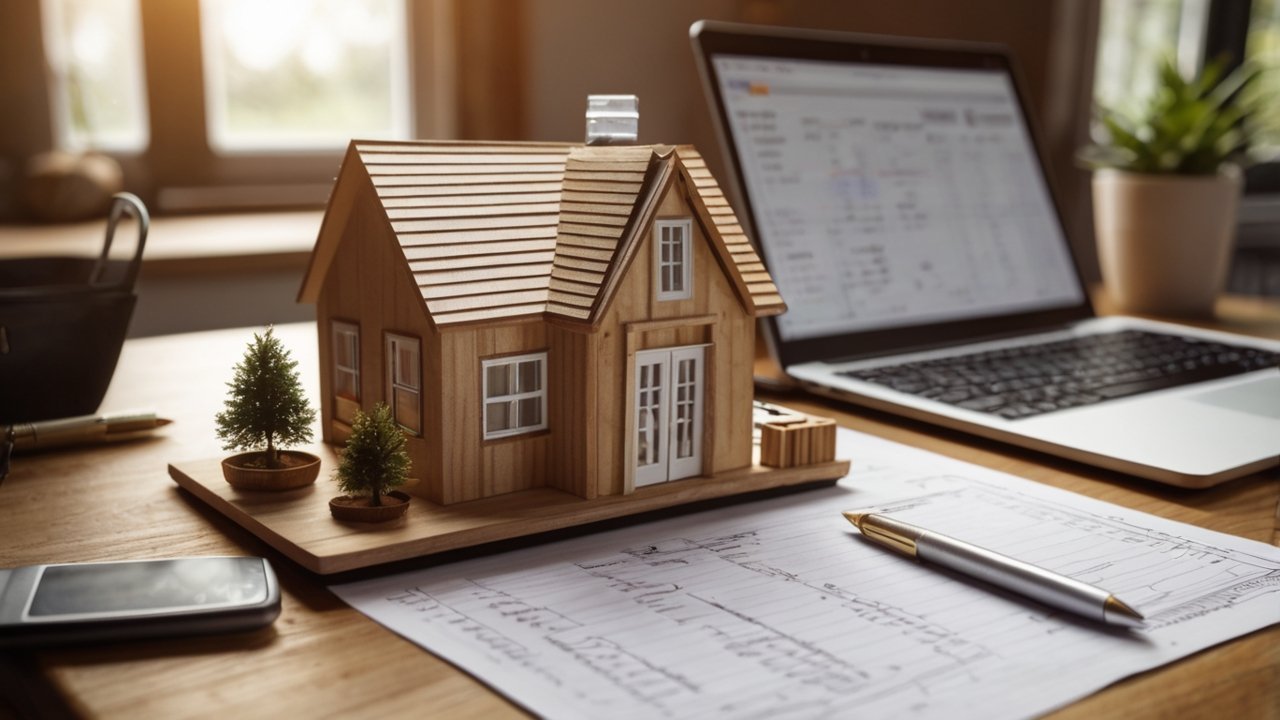
Essential Materials and Tools You’ll Need
Once you’ve finalized your design, it’s time to gather the materials and tools needed to build your DIY Tiny House. This stage can feel overwhelming, especially for first-time builders, because there are hundreds of products available and countless opinions online.
The good news is that you don’t need every tool in a woodworking catalog to build a successful tiny home. Focusing on quality essentials and understanding how each material is used will help you build more efficiently and avoid unnecessary expenses.
A well-equipped workspace and carefully selected materials can also improve safety, reduce waste, and make construction more enjoyable.
Essential Materials for a DIY Tiny House
The materials you choose will directly affect the durability, energy efficiency, and appearance of your tiny home.
Most DIY Tiny House projects require:
-
Framing lumber
-
Plywood or OSB sheathing
-
Roofing materials
-
House wrap and weather barriers
-
Insulation
-
Windows and exterior doors
-
Fasteners and construction adhesives
-
Flooring materials
-
Interior wall finishes
Framing lumber forms the skeleton of the structure, while sheathing adds strength and stability. Choosing quality materials during these early stages can prevent structural issues later.
Many builders spend significant time researching lumber options before purchasing. Understanding wood species, moisture content, and intended applications can make a noticeable difference in long-term performance.
For a detailed breakdown of wood choices, Types of Wood: Complete Guide for Every Project provides valuable information for selecting suitable materials.
Choosing Materials for Long-Term Durability
When building a tiny house, durability often matters more than appearance.
Because tiny homes have limited space, replacing damaged materials later can be more difficult than in a traditional house.
Consider materials that offer:
-
Moisture resistance
-
Structural stability
-
Low maintenance requirements
-
Energy efficiency
A common beginner mistake is choosing materials based solely on initial cost. While budget matters, higher-quality materials can reduce maintenance and repairs over time.
For exterior woodworking projects, cedar and pressure-treated lumber are frequently used because they perform well in changing weather conditions.
DIY Tiny House Tools Every Builder Should Have
The right tools help improve accuracy, efficiency, and safety throughout the build.
You don’t need a professional woodworking shop, but several core tools are extremely useful during construction.
Must-Have DIY Tiny House Power Tools
Power tools handle much of the heavy work during framing, sheathing, and assembly.
Common tools include:
-
Circular saw
-
Cordless drill
-
Impact driver
-
Jigsaw
-
Random orbital sander
-
Miter saw
Among these, a drill and impact driver are used almost daily during construction.
For builders assembling their first tool collection, the DEWALT 20V MAX Cordless Drill and Impact Driver is often used for framing, fastening, and general construction tasks throughout a tiny house build.
DIY Tiny House Measuring and Layout Tools
Accurate measurements are critical when building a tiny house.
Even small mistakes can compound over multiple construction stages.
Essential measuring tools include:
-
Tape measure
-
Speed square
-
Combination square
-
Chalk line
-
Laser level
Many framing problems begin with inaccurate layout work.
Experienced woodworkers often follow the principle of measuring twice and cutting once. Taking extra time during layout can save hours of correction later.
A tool such as the Self Leveling Laser Level 100ft can be useful when aligning walls, checking floor levels, and installing cabinetry.
DIY Tiny House Workshop Setup and Safety
Before construction begins, it’s worth organizing a safe and efficient workspace.
Whether you’re working in a garage, workshop, or driveway, maintaining an organized environment improves productivity and reduces accidents.
DIY Tiny House Safety Essentials
Building a tiny house involves power tools, ladders, heavy materials, and airborne dust.
Trusted organizations such as OSHA, along with respected publications like Fine Woodworking and Popular Woodworking, consistently emphasize safety practices that every builder should follow.
Important safety equipment includes:
-
Safety glasses
-
Hearing protection
-
Dust masks or respirators
-
Work gloves
-
First-aid kit
One of the most common beginner mistakes is becoming comfortable with tools too quickly and skipping protective equipment.
Consistent safety habits help prevent injuries and improve focus during construction.
Organizing Your DIY Tiny House Workspace
An organized workspace can significantly improve efficiency.
Simple improvements include:
-
Storing tools in designated locations
-
Keeping extension cords out of walkways
-
Separating materials by project phase
-
Maintaining clean work surfaces
A cluttered workspace often leads to wasted time searching for tools and increases the risk of accidents.
If you’re building out a workshop before starting construction, Setup Woodworking Shop Layouts and Essential Tools offers useful ideas for creating an efficient work area.
Avoid These Common Tool and Material Mistakes
Many first-time builders encounter similar challenges during the material and tool selection phase.
Common mistakes include:
-
Buying materials before finalizing plans
-
Purchasing tools that won’t be used regularly
-
Choosing low-quality fasteners
-
Underestimating lumber requirements
-
Ignoring safety equipment
Taking time to research materials and understand tool requirements can prevent unnecessary expenses and construction delays.
Builders who prefer a structured material and planning guide sometimes use resources such as Tiny House Made Easy to better understand construction stages and material requirements before purchasing supplies.
By selecting the right materials, investing in essential tools, and maintaining safe workshop practices, you’ll create a stronger foundation for every stage of your DIY Tiny House build.

Building the Structure Step by Step
With your plans finalized and materials ready, it’s time to begin construction. This is where your DIY Tiny House starts transforming from drawings into a real structure.
Building a tiny house follows many of the same principles used in traditional home construction. However, because space is limited and every inch matters, precision becomes even more important.
For beginners, the structural phase can feel intimidating. The good news is that breaking the project into manageable steps makes the process much easier to understand and execute.
A typical build sequence includes:
-
Foundation or trailer preparation
-
Floor framing
-
Wall framing
-
Roof construction
-
Exterior sheathing
-
Window and door installation
-
Weatherproofing
Approaching the build one stage at a time helps maintain quality and reduces costly mistakes.
Building the DIY Tiny House Base and Floor
The floor system serves as the foundation for the entire structure. Any errors made here can affect every stage that follows.
For a trailer-based tiny home, begin by ensuring the trailer is level and structurally sound. For foundation builds, verify that the foundation complies with local building requirements before proceeding.
Floor framing typically includes:
-
Rim joists
-
Floor joists
-
Subfloor sheathing
-
Moisture barriers
-
Insulation
Accurate measurements are critical during this phase. Uneven floor framing can create problems when installing walls, doors, and windows later.
One common beginner mistake is rushing through floor layout. Taking extra time to square the structure now can save hours of correction work later.
A layout tool such as the Self Leveling Laser Level 100ft can help verify level surfaces and improve framing accuracy during the early stages of construction.
DIY Tiny House Floor Framing Tips
Proper floor framing helps improve strength and long-term durability.
Keep these best practices in mind:
-
Use straight lumber whenever possible
-
Check measurements frequently
-
Secure fasteners properly
-
Follow engineered load requirements
-
Install blocking where necessary
Many experienced builders also dry-fit components before fastening them permanently.
This simple step often helps identify measurement errors before they become larger problems.
DIY Tiny House Wall Framing
Once the floor system is complete, wall framing begins.
This stage is particularly rewarding because the structure quickly starts looking like a house.
Framing DIY Tiny House Walls Correctly
Wall framing typically includes:
-
Bottom plates
-
Top plates
-
Wall studs
-
Window headers
-
Door openings
Before cutting lumber, review all measurements carefully.
One of the most common framing mistakes is forgetting to account for rough openings around windows and doors. These openings must be sized correctly to allow for installation adjustments later.
Builders with limited framing experience may benefit from practicing on smaller projects first. Projects featured in Build a Small Shed: Step-by-Step Easy Beginner Guide use many of the same framing principles found in tiny house construction.
DIY Tiny House Wall Assembly Safety
Wall sections can become surprisingly heavy.
Follow basic safety practices:
-
Lift with assistance when necessary
-
Wear protective footwear
-
Use temporary bracing
-
Secure walls immediately after raising them
OSHA safety guidelines consistently emphasize maintaining stable work areas and using proper lifting techniques during construction.
DIY Tiny House Roof Construction
The roof protects everything inside the structure.
Although many beginners focus heavily on interior finishes, the roof is one of the most important components of any DIY Tiny House.
Choosing a DIY Tiny House Roof Style
Popular roof designs include:
-
Gable roofs
-
Shed roofs
-
Gambrel roofs
Each design offers different advantages.
Gable Roof Pros
-
Excellent water runoff
-
Traditional appearance
-
Good loft potential
Gable Roof Cons
-
More complex framing
Shed Roof Pros
-
Simpler construction
-
Modern appearance
-
Efficient use of materials
Shed Roof Cons
-
Limited loft space
The best option depends on your design goals, local climate, and skill level.
Framing and Sheathing the Roof
Roof framing requires careful attention to detail.
Common tasks include:
-
Installing rafters
-
Securing ridge boards
-
Adding roof sheathing
-
Installing weather barriers
Always verify roof framing dimensions before attaching sheathing materials.
Minor errors at this stage can affect roofing installation and long-term weather resistance.
Installing Windows and Exterior Doors
Once framing and sheathing are complete, the structure begins to become weather resistant.
Properly installed windows and doors improve:
-
Energy efficiency
-
Security
-
Comfort
-
Ventilation
Common DIY Tiny House Window Installation Mistakes
Many first-time builders encounter issues such as:
-
Improper flashing
-
Uneven openings
-
Insufficient waterproofing
-
Incorrect fastener placement
Following manufacturer instructions carefully helps prevent leaks and structural problems.
For builders planning long-term outdoor exposure, understanding weather-resistant materials can be valuable. Outdoor Woodworking Projects: 10 Easy DIY Builds provides useful insights into selecting materials that perform well outdoors.
Weatherproofing Your DIY Tiny House
Before moving to interior work, protect the structure from moisture.
Typical weatherproofing measures include:
-
House wrap installation
-
Flashing tape
-
Roofing underlayment
-
Exterior sealants
Water intrusion is one of the most expensive problems to repair after construction.
Taking extra time during weatherproofing can significantly improve the lifespan of your tiny home.
Builders looking for a structured step-by-step construction reference sometimes use Tiny House Made Easy to better understand framing sequences, roof construction, and weatherproofing stages.
By focusing on accurate measurements, safe building practices, and proper weather protection, you’ll create a strong and durable shell for your DIY Tiny House that is ready for insulation and interior finishing.
Finishing the Interior
After the structure is weatherproof and secure, the most rewarding phase of building a DIY Tiny House begins: the interior. This is where a simple shell starts to feel like a home.
Interior finishing involves much more than aesthetics. The choices you make now affect comfort, storage, energy efficiency, and long-term maintenance.
Many first-time builders are eager to jump straight into decorating. However, it’s important to complete insulation, electrical work, plumbing, and wall finishes before focusing on furniture and décor.
A well-planned interior can make even a small footprint feel spacious and functional.
Insulating Your DIY Tiny House Properly
Insulation is one of the most important elements of a comfortable DIY Tiny House.
Because tiny homes have less interior volume, temperature changes can happen quickly without proper insulation.
Common insulation options include:
-
Fiberglass batts
-
Mineral wool
-
Spray foam
-
Rigid foam board
Each option has advantages and limitations.
Pros of High-Performance Insulation
-
Improved energy efficiency
-
Better temperature control
-
Reduced heating and cooling costs
-
Enhanced comfort year-round
Cons
-
Higher initial cost for some materials
-
Installation complexity depending on product type
Many builders choose insulation based on climate, budget, and available wall thickness.
A common beginner mistake is leaving small gaps around windows, doors, or utility penetrations. Even minor air leaks can reduce overall efficiency.
Interior Wall Finishes for a DIY Tiny House
Wall finishes contribute significantly to both appearance and durability.
Popular choices include:
-
Wood paneling
-
Plywood accent walls
-
Drywall
-
Tongue-and-groove boards
-
Shiplap
Wood finishes remain especially popular among tiny house builders because they create warmth and character while complementing the handcrafted nature of the project.
If you’re considering natural wood interiors, understanding protective coatings is important. This guide on Polyurethane Wood Finish: Best Types and How to Apply Them explains how various finishes can help protect interior wood surfaces.
DIY Tiny House Plumbing and Electrical Basics
Utility systems should be planned carefully before walls are fully enclosed.
A thoughtful installation makes future maintenance significantly easier.
DIY Tiny House Electrical Planning
Electrical systems in a tiny house are often simpler than those found in traditional homes, but safety remains critical.
Most systems include:
-
Lighting circuits
-
Receptacles
-
Kitchen appliances
-
Heating or cooling equipment
-
Exterior lighting
One common mistake is underestimating future electrical needs. Adding a few extra outlets during construction is usually easier than retrofitting later.
When working with electrical systems, always follow local building codes and consult licensed professionals when required.
OSHA safety guidelines emphasize proper lockout procedures, safe tool use, and adherence to electrical safety practices during construction.
DIY Tiny House Plumbing Considerations
Plumbing design depends largely on how the tiny house will be used.
Builders typically choose between:
-
Traditional utility connections
-
RV-style systems
-
Off-grid water systems
Important considerations include:
-
Water supply
-
Drainage
-
Venting
-
Freeze protection
-
Water heater location
Keeping plumbing runs short often simplifies installation and reduces material costs.
For builders considering off-grid living, the BLUETTI Elite 200 V2 Portable Power Station is sometimes used as part of a supplemental power setup for small living spaces and remote locations.
DIY Tiny House Storage Solutions
Storage planning is one of the defining features of a successful DIY Tiny House.
Without smart storage, even a beautifully built home can quickly feel cluttered.
Space-Saving Storage Ideas for a DIY Tiny House
Effective tiny house storage often combines woodworking skills with creative design.
Popular solutions include:
-
Under-bed drawers
-
Staircase storage
-
Built-in benches
-
Wall-mounted cabinets
-
Fold-away desks
-
Loft shelving
Custom-built storage often outperforms store-bought furniture because it can be designed to fit exact dimensions.
Many experienced builders incorporate storage into structural elements whenever possible.
Multi-Functional Furniture in a DIY Tiny House
Furniture should serve more than one purpose whenever practical.
Examples include:
-
Storage ottomans
-
Convertible dining tables
-
Murphy beds
-
Bench seating with hidden compartments
A common beginner mistake is purchasing oversized furniture before measuring the space carefully.
Custom woodworking projects can often provide more efficient solutions.
For additional inspiration, DIY Wooden Furniture: 15 Easy Projects for Beginners offers ideas that can be adapted for tiny house interiors.
Choosing Functional Interior Finishes
Interior finishes should balance style, durability, and maintenance requirements.
Flooring Options for a DIY Tiny House
Popular flooring materials include:
-
Luxury vinyl plank
-
Engineered hardwood
-
Laminate flooring
-
Cork flooring
Because tiny homes experience concentrated foot traffic, durability should be a major consideration.
Lighter-colored flooring can also help make smaller interiors feel more spacious.
Decorative Touches That Add Character
Once major construction is complete, decorative details help personalize the space.
Examples include:
-
Floating shelves
-
Wood accent walls
-
Rustic trim work
-
Handmade furniture
-
Decorative lighting
Small woodworking projects often have a big impact on the final appearance of a tiny house.
For creative inspiration, DIY Wood Decor: 15 Ideas to Instantly Upgrade Any Room provides several projects suitable for compact spaces.
Builders looking for additional guidance on interior layouts and finishing details sometimes use Tiny House Made Easy as a planning reference during this stage.
By focusing on insulation, utilities, storage, and durable finishes, you can transform a basic structure into a comfortable and highly functional DIY Tiny House that supports everyday living while making the most of every square foot.
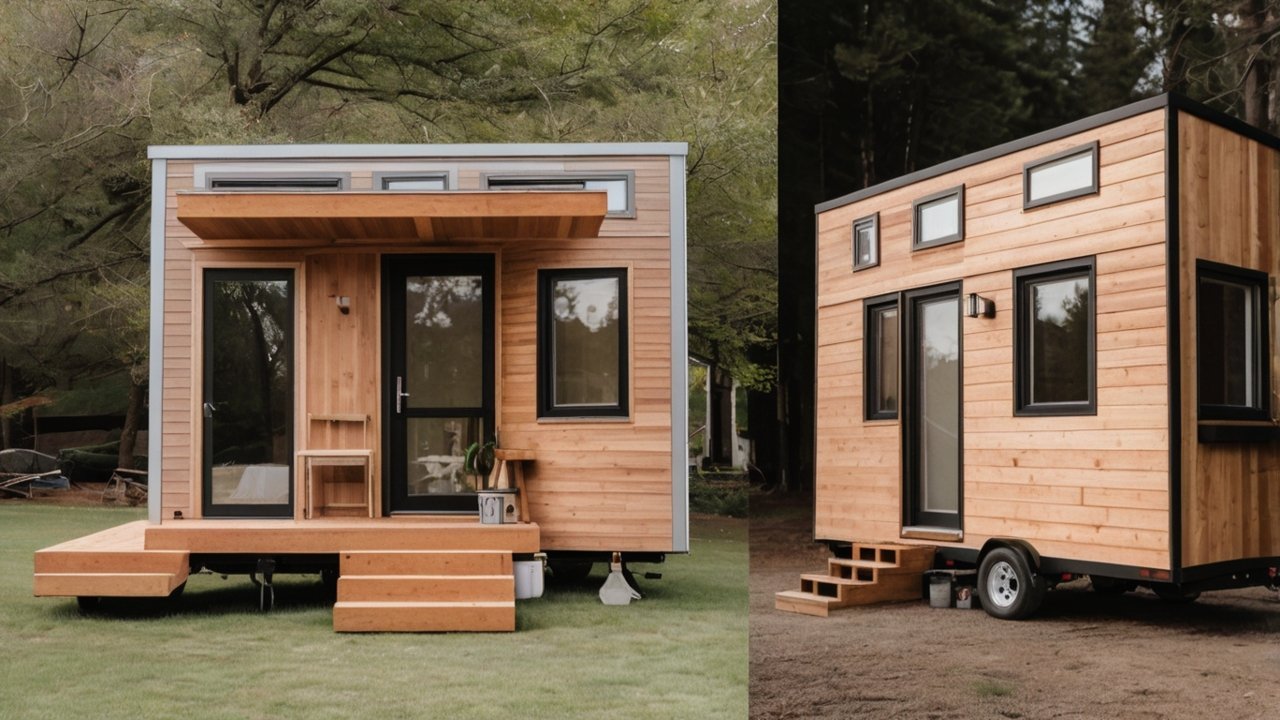
Common DIY Tiny House Mistakes to Avoid
Building a DIY Tiny House is an exciting and rewarding project, but it’s also a learning experience filled with potential challenges. Even experienced woodworkers occasionally encounter setbacks when transitioning from furniture or small woodworking projects to full-scale home construction.
The good news is that many mistakes are predictable and preventable. Understanding the most common pitfalls before construction begins can save significant time, money, and frustration.
A successful tiny house build isn’t about perfection—it’s about making informed decisions and avoiding costly errors that could affect safety, comfort, or long-term durability.
Why DIY Tiny House Mistakes Happen
Most mistakes occur because builders become eager to start construction before completing adequate planning.
Common causes include:
-
Inadequate budgeting
-
Poor design decisions
-
Rushing construction phases
-
Ignoring local regulations
-
Overestimating DIY skill levels
The larger and more complex the project becomes, the more important planning and patience become.
Underestimating DIY Tiny House Costs
One of the most common mistakes in any DIY Tiny House project is assuming the final cost will match the original estimate.
Many first-time builders budget for major materials but overlook numerous secondary expenses.
Hidden DIY Tiny House Expenses
Unexpected costs often include:
-
Permit fees
-
Tool purchases
-
Material delivery charges
-
Utility connections
-
Fasteners and hardware
-
Waste and material overages
Small purchases may seem insignificant individually, but they can add up quickly over the course of a build.
A practical strategy is to include a contingency fund when creating your budget. This provides flexibility when unexpected expenses arise.
Avoiding Budgeting Mistakes
Experienced builders often:
-
Break projects into phases
-
Create detailed material lists
-
Track expenses throughout construction
-
Prioritize essential features first
A detailed material planning guide such as Complete Shed Building Tools Checklist for Beginners can help identify tools and supplies that are often overlooked during budgeting.
Poor DIY Tiny House Space Planning
A tiny house can look beautiful on paper while functioning poorly in daily life.
This usually happens when builders focus more on appearance than practicality.
Common DIY Tiny House Layout Mistakes
Popular design mistakes include:
-
Insufficient storage
-
Oversized furniture
-
Limited countertop space
-
Difficult loft access
-
Poor traffic flow
Because every square foot matters, inefficient layouts become noticeable very quickly.
Many experienced builders recommend living with a proposed floor plan for several weeks before construction. Walking through the layout mentally often reveals issues that aren’t obvious on paper.
Storage Mistakes in a DIY Tiny House
Storage is one of the most underestimated aspects of tiny house design.
Without proper planning, clutter accumulates rapidly.
Effective solutions include:
-
Built-in cabinets
-
Stair storage
-
Under-bed compartments
-
Wall-mounted shelving
-
Multi-purpose furniture
For woodworking enthusiasts, custom storage projects often provide far more value than standard furniture because they maximize every available inch.
For additional ideas, Small Shed Storage Ideas: 21 Smart Ways to Save Space offers organizational concepts that can easily be adapted for tiny house interiors.
Ignoring Building Codes and Permits
Another costly mistake is failing to research local requirements before construction begins.
Regulations vary significantly between cities, counties, and states.
DIY Tiny House Permit Mistakes
Common issues include:
-
Building without permits
-
Violating zoning requirements
-
Exceeding trailer weight limits
-
Non-compliant electrical systems
-
Improper plumbing installations
Correcting permit-related issues after construction has started can be expensive and time-consuming.
Always contact local building authorities before finalizing your design.
Following DIY Tiny House Safety Standards
Safety should never be sacrificed for convenience.
Trusted resources such as OSHA, Fine Woodworking, and Popular Woodworking consistently emphasize proper safety practices during construction.
Important precautions include:
-
Eye protection
-
Hearing protection
-
Dust management
-
Ladder safety
-
Safe power tool operation
A common beginner mistake is becoming comfortable with tools too quickly and skipping safety equipment.
Maintaining good habits throughout the project reduces risks and improves workmanship.
Skipping Weatherproofing and Moisture Protection
Water is one of the biggest threats to any structure, including a DIY Tiny House.
Even a well-built home can develop serious issues if moisture protection is neglected.
Common DIY Tiny House Weatherproofing Errors
Frequent mistakes include:
-
Improper flashing installation
-
Missing house wrap
-
Poor roof sealing
-
Unsealed window openings
-
Inadequate ventilation
Moisture problems often remain hidden until significant damage has already occurred.
Taking extra time during weatherproofing is almost always worthwhile.
Protecting Wood Components
Wood remains one of the most widely used materials in tiny house construction.
Proper finishing helps improve durability and appearance.
For builders working with exposed wood surfaces, Top Wood Finishing Techniques: Get a Pro Look Every Time offers practical finishing advice that can help protect woodwork from wear and environmental exposure.
Some builders also use the Tiny House Made Easy planning resource to better understand construction sequencing and avoid common beginner errors before they occur.
Overestimating Your DIY Skills
Confidence is important, but realism is equally valuable.
Many first-time builders underestimate the complexity of certain tasks.
When to Seek Professional Help
Consider consulting professionals for:
-
Electrical work
-
Structural engineering
-
Foundation design
-
Plumbing systems
-
Permit compliance
There is no shame in asking for help when necessary.
A combination of DIY effort and professional guidance often produces the safest and most successful results.
Learn Before You Build
If you’re new to construction, smaller projects provide excellent practice opportunities.
Projects from Simple Woodworking Projects: 15 Easy Beginner Builds can help develop essential skills before tackling a complete tiny house build.
By avoiding these common mistakes, you’ll increase the likelihood of completing a safer, more efficient, and more enjoyable DIY Tiny House project. Careful planning, realistic expectations, and attention to detail often make the difference between a stressful build and a successful one.
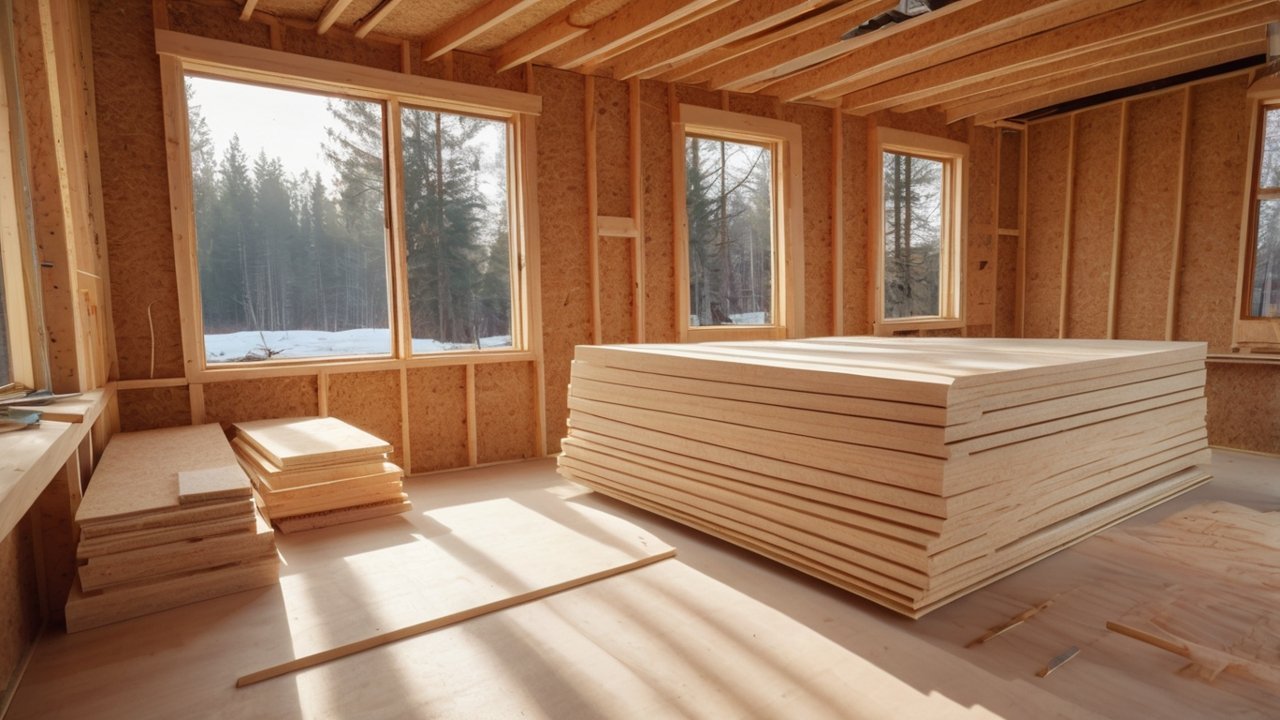
Is a DIY Tiny House Right for You?
After exploring planning, design, construction, interior finishing, and common mistakes, one important question remains: Is a DIY Tiny House the right choice for your lifestyle and goals?
For many people, tiny house living offers an appealing combination of affordability, simplicity, and creative freedom. However, it also requires compromises and careful consideration.
Building a tiny house is a significant commitment of time, effort, and resources. Before starting your project, it’s worth honestly evaluating both the advantages and potential challenges.
A successful DIY Tiny House isn’t simply about building a smaller structure—it’s about creating a living space that aligns with your priorities and daily needs.
Why People Choose a DIY Tiny House
The popularity of tiny homes continues to grow because they offer benefits that traditional housing often cannot.
Common motivations include:
-
Simplified living
-
Greater financial flexibility
-
Reduced maintenance
-
Increased self-sufficiency
-
Custom design opportunities
-
Sustainable building practices
For woodworking enthusiasts, building a tiny house also provides an opportunity to apply craftsmanship skills on a larger scale.
Many builders enjoy creating custom furniture, built-in storage, cabinetry, and decorative woodwork that perfectly fits their space.
DIY Tiny House Lifestyle Expectations
A tiny house can provide a comfortable and highly functional living environment, but it requires realistic expectations.
Before committing to a project, consider:
-
Available storage space
-
Privacy needs
-
Family size
-
Long-term lifestyle plans
-
Work-from-home requirements
A common beginner mistake is focusing only on the benefits without considering the daily realities of living in a smaller space.
The most successful tiny house owners are typically those who embrace simplicity and intentional living.
Pros of Building a DIY Tiny House
Building your own home offers several advantages beyond potential cost savings.
DIY Tiny House Customization Benefits
One of the greatest benefits of a DIY Tiny House is complete control over the design.
You can customize:
-
Floor plans
-
Storage solutions
-
Interior finishes
-
Furniture layouts
-
Exterior appearance
This flexibility allows builders to create spaces tailored to their unique needs.
Woodworkers often appreciate the ability to design custom cabinetry, shelving, and furniture that maximize every square foot.
For inspiration, DIY Wooden Furniture: 15 Easy Projects for Beginners includes ideas that can be adapted for tiny house interiors.
Learning Valuable DIY Skills
A tiny house project teaches a wide range of practical skills, including:
-
Framing
-
Woodworking
-
Project planning
-
Material selection
-
Problem-solving
-
Basic construction techniques
Even if you never build another home, the knowledge gained can be valuable for future DIY projects and property improvements.
Many builders find that completing a tiny house significantly increases their confidence in tackling other woodworking and construction projects.
Challenges of a DIY Tiny House
While there are many advantages, it’s equally important to understand the potential difficulties.
Time Commitment of a DIY Tiny House
Building a tiny home takes time.
Depending on experience level, project complexity, and available help, construction may take several months or longer.
Common challenges include:
-
Learning new skills
-
Managing budgets
-
Coordinating materials
-
Solving unexpected problems
-
Balancing the project with work and family responsibilities
Patience is often one of the most important tools a builder can have.
DIY Tiny House Space Limitations
Living comfortably in a small space requires thoughtful planning.
Potential challenges include:
-
Limited storage
-
Smaller kitchens
-
Reduced privacy
-
Fewer guest accommodations
Fortunately, good design can help overcome many of these limitations.
Creative storage solutions, custom woodworking projects, and multi-functional furniture often make a dramatic difference.
For additional ideas, Storage Shed Plans: 15 Smart Ideas to Save Space & Money offers storage concepts that can be adapted for tiny house living.
Next Steps Before Starting Your DIY Tiny House
If you’re seriously considering building a DIY Tiny House, focus on preparation before purchasing materials.
Research and Planning
Begin by:
-
Reviewing floor plans
-
Researching local regulations
-
Estimating costs
-
Evaluating your skill level
-
Creating a project timeline
The planning phase often determines the success of the entire build.
Build Smaller Projects First
For beginners, smaller woodworking projects provide valuable experience before tackling a complete tiny home.
Projects involving framing, joinery, storage solutions, and furniture construction help develop the skills needed for larger builds.
If you’re looking for beginner-friendly practice projects, Woodworking Projects: 10 Easy Builds for Beginners offers several useful starting points.
Educational Resources for DIY Tiny House Builders
Many first-time builders benefit from structured learning resources.
The Tiny House Made Easy guide provides educational information about planning, design, and construction stages that may help simplify the building process.
Conclusion
A DIY Tiny House can be an incredibly rewarding project for builders who value creativity, craftsmanship, and intentional living. While tiny house construction requires careful planning, realistic expectations, and a willingness to learn, it also offers the opportunity to create a highly personalized living space.
Before starting your build, take the time to evaluate your goals, skill level, budget, and long-term lifestyle plans. The more preparation you invest upfront, the smoother your tiny house journey is likely to be.
For many DIY enthusiasts and woodworkers, building a tiny house isn’t just about creating a home—it’s about developing skills, embracing simplicity, and bringing a vision to life.
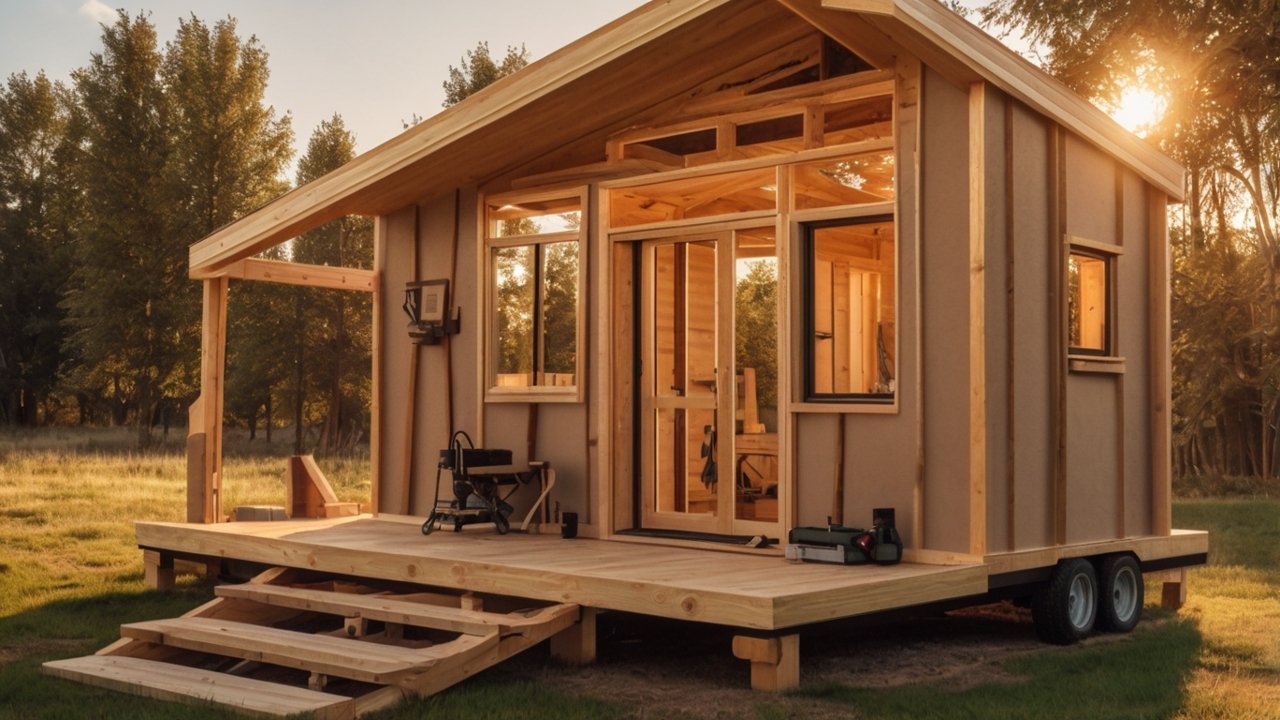
Frequently Asked Questions About DIY Tiny House Projects
Building a DIY Tiny House often raises a lot of questions, especially for first-time builders. Below are some of the most common questions beginners ask when planning, designing, and constructing a tiny home.
How Much Does a DIY Tiny House Typically Cost?
The cost of a DIY Tiny House varies widely depending on factors such as size, materials, location, and whether the house is built on a trailer or a permanent foundation.
Major cost factors include:
-
Framing materials
-
Roofing
-
Windows and doors
-
Insulation
-
Plumbing
-
Electrical systems
-
Interior finishes
Builders who perform most of the labor themselves can often reduce costs, but it’s important to budget for tools, permits, and unexpected expenses.
Creating a detailed budget before construction begins is one of the best ways to avoid financial surprises.
Can a Beginner Build a DIY Tiny House?
Yes, many beginners successfully build a DIY Tiny House, but the project requires patience, planning, and a willingness to learn.
Helpful skills include:
-
Basic woodworking
-
Measuring and layout
-
Power tool operation
-
Framing techniques
-
Problem-solving
If you’re new to construction, starting with smaller projects can help build confidence. The skills learned from projects such as shelving, workbenches, and storage cabinets often transfer directly to tiny house construction.
For additional practice ideas, Easy Small Woodworking Projects provides beginner-friendly project inspiration.
Do I Need a Permit for a DIY Tiny House?
Permit requirements vary by location.
Some areas regulate:
-
Minimum home sizes
-
Utility connections
-
Foundation requirements
-
Zoning restrictions
-
Trailer-based structures
Before purchasing materials or finalizing plans, contact your local building department to determine what permits may be required.
Ignoring permit requirements is one of the most common and costly mistakes tiny house builders make.
What Is the Best Size for a DIY Tiny House?
There is no single “best” size because every builder has different needs.
The ideal size depends on:
-
Number of occupants
-
Storage requirements
-
Lifestyle preferences
-
Local regulations
-
Budget
Many successful tiny homes focus on efficient design rather than maximizing square footage.
A well-designed smaller home often feels more comfortable than a larger space with a poor layout.
Should I Build a DIY Tiny House on Wheels or a Foundation?
Both options offer advantages.
Tiny House on Wheels
Advantages
-
Mobility
-
Flexible placement
-
Easier relocation
Challenges
-
Weight limitations
-
Trailer maintenance
-
Transportation logistics
Foundation-Based Tiny House
Advantages
-
Greater design flexibility
-
Easier utility installation
-
Traditional home feel
Challenges
-
Permanent location
-
Additional site preparation
The best choice depends on your long-term goals and local building requirements.
What Type of Wood Is Best for a DIY Tiny House?
Different wood species serve different purposes.
Common choices include:
-
Spruce for framing
-
Pine for interior projects
-
Cedar for exterior applications
-
Plywood for sheathing
Choosing the right material depends on structural requirements, environmental conditions, and budget.
For a deeper look at lumber selection, Types of Wood for Furniture: 10 Best Options & Uses offers useful insights that also apply to custom tiny house furniture and cabinetry.
How Long Does It Take to Build a DIY Tiny House?
Construction timelines vary significantly.
Factors that influence build time include:
-
Experience level
-
Project complexity
-
Available help
-
Weather conditions
-
Budget
-
Material availability
Some builders complete projects within a few months, while others spread construction over a year or longer.
The key is focusing on quality workmanship rather than rushing the process.
What Are the Most Common DIY Tiny House Mistakes?
Some of the most common mistakes include:
-
Underestimating costs
-
Poor storage planning
-
Ignoring permits
-
Inadequate weatherproofing
-
Skipping safety precautions
Resources such as OSHA safety guidelines, Fine Woodworking, and Popular Woodworking consistently emphasize careful planning, safe tool operation, and attention to detail throughout the construction process.
Where Can I Find DIY Tiny House Plans?
Professionally designed plans can simplify the building process and help reduce design errors.
Many builders start by reviewing different layouts and comparing features before selecting a final design.
For inspiration, Tiny House Plans: 7 Smart Designs for DIY Builders showcases several practical options suitable for various lifestyles.
Some first-time builders also use educational resources such as Tiny House Made Easy to better understand planning, design, and construction stages before beginning their project.
These FAQs cover many of the concerns new builders face when planning a DIY Tiny House. While every project is unique, careful research and realistic expectations can help you build with greater confidence and fewer surprises.
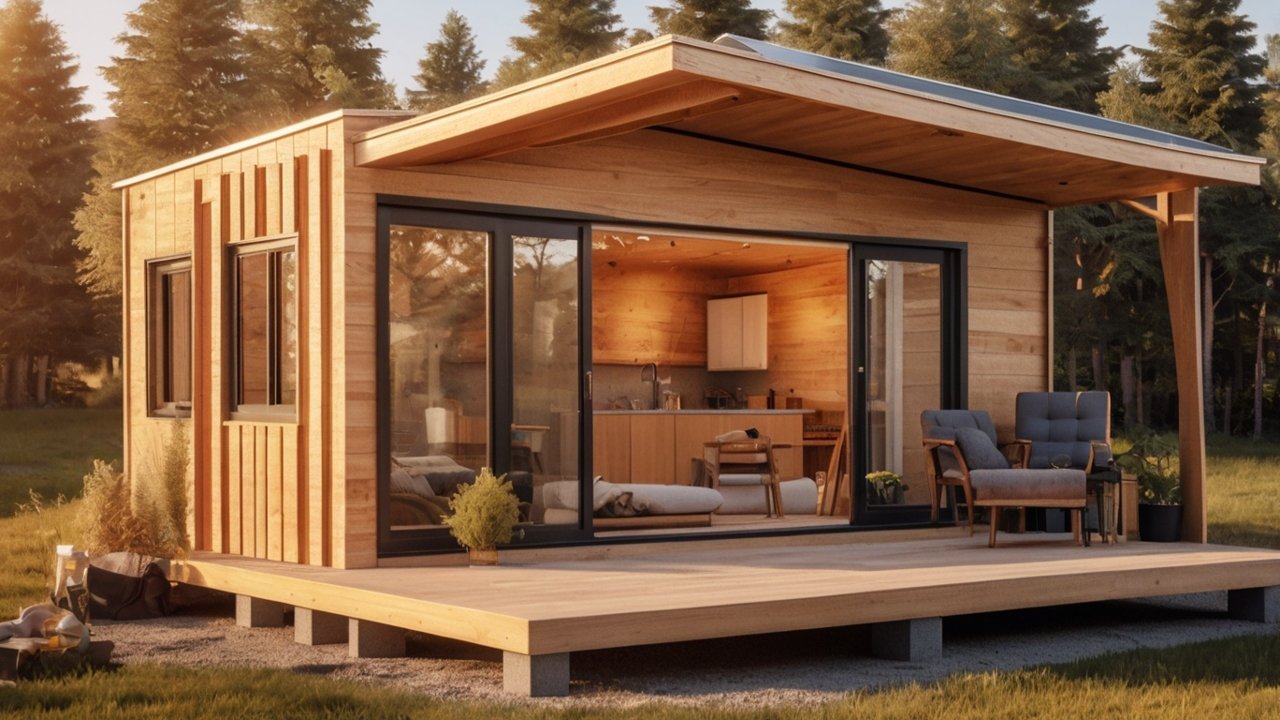
Conclusion: Bringing Your DIY Tiny House Dream to Life
Building a DIY Tiny House is much more than a construction project—it’s an opportunity to create a home that reflects your lifestyle, priorities, and craftsmanship.
From planning and design to framing, interior finishing, and avoiding common mistakes, every stage plays an important role in the success of your build. While the process requires patience, careful budgeting, and a willingness to learn, the rewards can be significant.
One of the biggest advantages of a DIY Tiny House is the ability to customize every detail. Whether you’re designing built-in storage, crafting custom furniture, or choosing sustainable building materials, you have the freedom to create a space that works specifically for your needs.
As with any major DIY project, preparation is key. Take time to research local regulations, select practical floor plans, and develop realistic expectations before construction begins. Small decisions made during the planning phase can have a major impact on the overall quality, comfort, and durability of your tiny home.
For woodworking enthusiasts, a tiny house project offers an excellent opportunity to expand your skills in framing, joinery, cabinetry, finishing, and problem-solving. Even if challenges arise along the way, each step provides valuable experience that can benefit future projects.
Key Takeaways
-
Start with a detailed plan and realistic budget.
-
Choose a design that prioritizes functionality over appearance.
-
Invest time in proper framing, weatherproofing, and insulation.
-
Maximize storage with custom woodworking solutions.
-
Follow OSHA safety recommendations and local building regulations.
-
Expect a learning curve and be willing to adapt as the project progresses.
Final Thoughts
A successful DIY Tiny House isn’t necessarily the largest, most expensive, or most elaborate build. It’s the one that meets your needs, supports your lifestyle, and provides a comfortable place to call home.
Whether you’re pursuing financial freedom, sustainable living, or simply the satisfaction of building something with your own hands, the journey can be just as rewarding as the finished house itself.
Before starting construction, continue learning through trusted resources, refine your plans, and build your skills through smaller woodworking projects whenever possible.
With thoughtful preparation and steady progress, your DIY tiny house vision can become a reality.
Affiliate Disclosure
This article may contain affiliate links. If you purchase through these links, we may earn a small commission at no extra cost to you.