Cheap Shed Ideas: 7 Budget Designs for Small Backyards
Short on backyard space and working with a limited budget? You don’t need a large or expensive shed to create useful outdoor storage. With the right design, even a small backyard can accommodate a practical space for gardening tools, lawn equipment, and seasonal supplies.
In this guide, we’ll explore 7 cheap shed ideas for small backyards, from simple lean-to sheds and compact storage designs to creative DIY options using reclaimed materials. We’ll look at the benefits, limitations, and practical considerations of each idea so you can choose a design that fits your space, storage needs, and DIY experience.
Whether you’re planning your first backyard shed or looking for a more affordable alternative to a prefabricated model, these small shed ideas will help you compare your options before spending money on materials.
Before you build: Check local permit requirements, property setbacks, drainage conditions, and the size of the items you need to store. A budget-friendly shed should still be safe, weather-resistant, and suitable for its intended use.
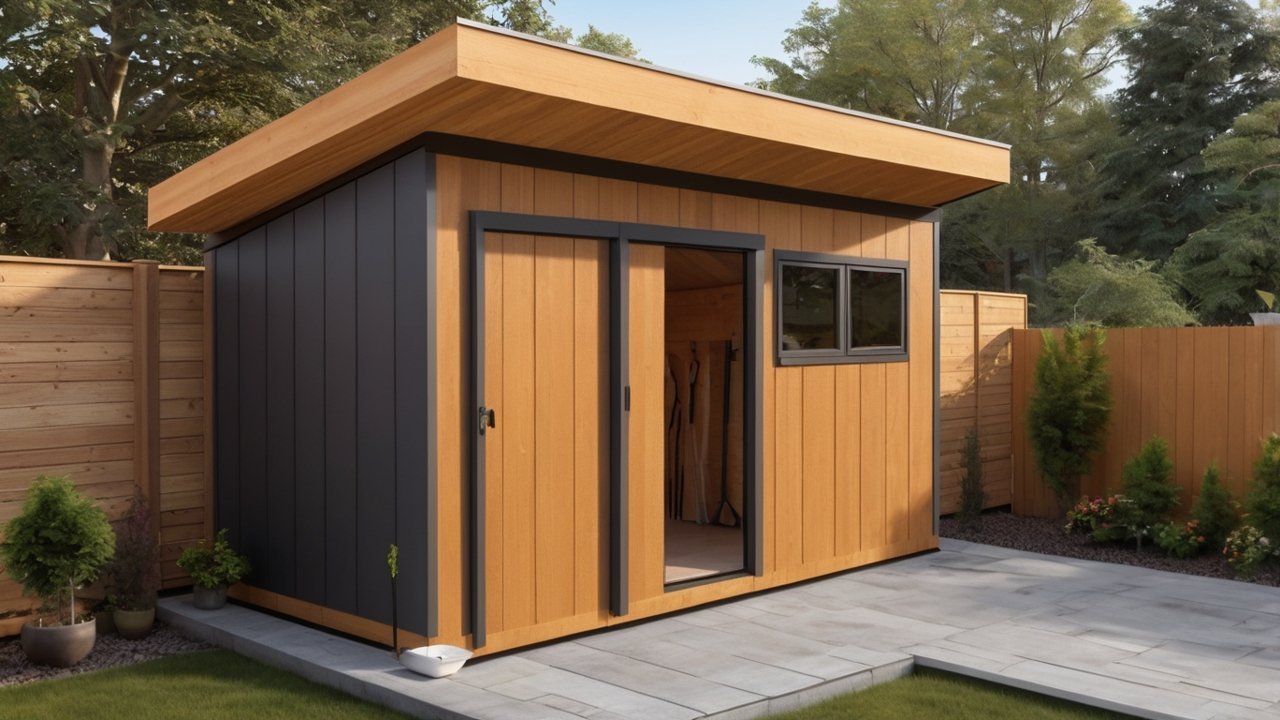
How to Choose a Budget-Friendly Shed for a Small Backyard
The best cheap shed ideas aren’t simply the ones with the lowest price tag. A good small shed should fit your available space, protect your belongings, and remain practical to maintain. Before choosing a design, consider how you’ll use it and what you’ll need to store.
1. Measure Your Available Backyard Space
Start by measuring the area where you plan to place your shed. Include enough room for the door to open, for safe access around the structure, and for future maintenance.
For example, a compact 4 × 6 ft shed may be suitable for basic gardening tools, while a 6 × 8 ft design can provide more flexibility for larger equipment. These are illustrative sizes, not universal recommendations.
Before choosing a shed size:
-
Measure the available width and depth.
-
Check property setbacks and local building requirements.
-
Allow room for drainage and ventilation.
-
Consider the height and width of stored equipment.
-
Make sure doors and pathways remain accessible.
A well-planned layout can make a small shed more useful without increasing its footprint.
2. Choose a Shed Design That Matches Your Storage Needs
Different small shed ideas work better for different purposes.
A narrow vertical shed can accommodate long-handled gardening tools without taking up much ground space. A lean-to design may suit a side yard, while a compact freestanding shed offers more flexibility in placement.
Think about what you’ll store before choosing the structure. Shelving, hooks, and wall-mounted organizers can also reduce the amount of floor space required.
3. Compare Materials and Long-Term Costs
An inexpensive shed isn’t necessarily the most affordable option over its lifetime. Materials, foundations, roofing, protective finishes, and ongoing maintenance all affect the total cost.
| Material | Main advantage | Important consideration |
|---|---|---|
| Wood | Customizable and easy to adapt | Requires weather protection and maintenance |
| Metal | Often low-maintenance | Can be vulnerable to condensation and corrosion |
| Resin | Generally easy to clean | Less flexible for structural modifications |
| Reclaimed wood | May reduce material costs | Must be inspected for damage and suitability |
For a closer comparison, read our Resin vs. Wood Shed Guide.
4. Set a Realistic Budget Before Building
Before buying materials, create a basic budget that includes:
-
Framing lumber and wall materials
-
Roofing and waterproofing
-
Foundation or floor support
-
Doors, hinges, and hardware
-
Fasteners and protective finishes
-
Delivery, tools, and a contingency allowance
Reusing suitable materials can help reduce costs, but don’t compromise on structural stability, weather protection, or safe installation.
If you’re new to shed construction, our Build a Small Shed Step-by-Step Guide explains the main stages of planning and building.
5. Balance Affordability With Practicality
The most effective budget shed design is one that meets your needs without unnecessary features.
A simple roof shape, compact footprint, and straightforward layout may help keep construction manageable. However, the cheapest design is not always the safest or most durable.
Once you know your available space, preferred materials, and budget, you’ll be ready to compare the seven shed ideas below.
DIY vs. Pre-Built Sheds: Which Is Better for a Small Backyard?
When exploring cheap shed ideas, one of the first decisions is whether to build a shed yourself or purchase a pre-built model.
Both options can work well in a small backyard, but the right choice depends on your budget, available time, tools, and building experience.
DIY Shed: More Customization and Control
Building your own shed allows you to choose the dimensions, materials, door placement, and storage layout.
This can be particularly useful when your backyard has an unusual shape or limited space for a standard-sized shed.
Advantages of a DIY shed:
-
Customize the design to fit your available space.
-
Choose materials based on your budget.
-
Add shelves, hooks, and storage features where needed.
-
Reuse suitable materials to potentially reduce costs.
-
Develop practical woodworking and construction skills.
Potential disadvantages:
-
Requires time, planning, and appropriate tools.
-
Mistakes can increase material costs.
-
Structural work may require additional experience.
-
Weatherproofing and foundation preparation are your responsibility.
A DIY shed is worth considering if you enjoy hands-on projects and want a design tailored to your backyard.
Pre-Built Shed: Convenient and Easier to Plan
A pre-built shed may be a better option if you prefer a faster installation process or don’t have the tools required for construction.
Compact resin, metal, and wooden models are available in a variety of sizes.
Advantages of a pre-built shed:
-
Less on-site construction work.
-
More predictable product specifications.
-
Convenient for homeowners with limited DIY experience.
-
Some models require relatively simple assembly.
Potential disadvantages:
-
Limited customization options.
-
Delivery and installation may increase the total cost.
-
Standard dimensions may not fit narrow spaces.
-
A suitable foundation may still be required.
DIY vs. Pre-Built Shed: Quick Comparison
| Feature | DIY Shed | Pre-Built Shed |
|---|---|---|
| Initial cost | Depends on materials, tools, and design | Depends on model and installation |
| Customization | High | Usually limited |
| Building time | More hands-on work | Generally less on-site work |
| Skill requirements | Basic to advanced, depending on design | Usually lower for simple kits |
| Material choices | Flexible | Limited to available models |
| Maintenance | Depends on construction and materials | Depends on product and materials |
| Best for | Custom layouts and hands-on builders | Convenience and standard layouts |
Neither option is automatically cheaper. Compare the complete cost of materials, tools, delivery, foundations, and installation before deciding.
Which Option Should Beginners Choose?
If you’re new to woodworking, a simple freestanding storage shed or a small shed kit may be more manageable than a complicated custom structure.
Choose a design with straightforward framing, accessible materials, and clear instructions. Avoid structural modifications unless you understand how they affect stability and weather resistance.
For more guidance, read our Build a Small Shed Step-by-Step Guide.
Planning to Build Your Own Shed?
If you prefer a DIY approach, working from a suitable shed plan can help you organize measurements, materials, and construction steps before starting.
You can explore My Shed Plans here to see whether its available designs fit your project.
Affiliate disclosure: This is an affiliate recommendation. DIY Wood Haven may earn a commission if you purchase through this link, at no additional cost to you.
Final Considerations Before Choosing a Shed
Before making your final decision, check local permit requirements, the proposed foundation, roof drainage, and the amount of storage space you need.
The best choice is not necessarily the cheapest shed on the market. It’s the one that fits your backyard, meets your storage needs, and stays within your overall budget.
Now that you understand the main differences, let’s explore seven cheap shed ideas for small backyards.
7 Cheap Shed Ideas for Small Backyards
Looking for affordable storage without sacrificing valuable outdoor space? These seven cheap shed ideas offer different ways to organize gardening tools, outdoor equipment, and seasonal supplies in a compact backyard.
Each option has different material requirements, space-saving benefits, and construction challenges. Compare them carefully before choosing a design.
1. Pallet Wood Shed – Budget-Friendly Reclaimed Wood Design
A pallet wood shed can be an affordable option for homeowners who have access to suitable reclaimed materials. Its rustic appearance works particularly well in garden settings.
Best for: Small garden tool storage and creative DIY projects.
Advantages:
-
Reclaimed materials may reduce costs.
-
Wood can be customized to suit a small space.
-
Rustic appearance complements many gardens.
Things to consider: Not every pallet is suitable for construction. Inspect wood for damage, contamination, and decay. Pallet boards should not be assumed to be structurally adequate for framing or roofing.
Budget tip: Use reclaimed boards for suitable nonstructural components while choosing properly rated materials for load-bearing elements.
2. Lean-To Shed – Space-Saving Design for Narrow Yards
A lean-to shed uses a simple sloping roof and can fit neatly along the side of a house, fence line, or other suitable location.
It is one of the most practical small shed ideas for narrow backyards because it makes use of space that might otherwise remain unused.
Best for: Side yards, gardening equipment, and compact outdoor storage.
Advantages:
-
Efficient use of narrow spaces.
-
Simple roof shape.
-
Flexible door and shelving arrangements.
Things to consider: A lean-to shed does not have to be attached to a building. If attaching it to an existing structure, proper flashing, drainage, structural connections, and local requirements need to be addressed.
Budget tip: Choose a straightforward freestanding design if attaching the shed would require expensive structural modifications.
3. Metal Shed – Practical Storage With Limited Maintenance
Compact metal sheds are available in different sizes and configurations. They can be a practical alternative to custom wooden sheds when you want enclosed storage without extensive woodworking.
Best for: Lawn equipment, garden supplies, and general outdoor storage.
Advantages:
-
Often available as ready-to-assemble kits.
-
Typically requires less painting than unfinished wood.
-
Suitable for straightforward storage layouts.
Things to consider: Thin metal panels can dent, condensation may develop, and exposed or damaged coatings can allow corrosion. Proper anchoring and ventilation are important.
Budget tip: Compare the complete kit price with foundation, anchoring, delivery, and assembly costs.
4. Mini Garden Shed – Compact Storage for Everyday Tools
A mini garden shed is ideal when you only need storage for a few essential items rather than a full walk-in structure.
Small cabinet-style sheds can accommodate hand tools, plant supplies, watering equipment, and other frequently used accessories.
Best for: Patios, small gardens, and limited outdoor spaces.
Advantages:
-
Small footprint.
-
Convenient access to frequently used tools.
-
Can fit into unused corners.
Things to consider: Limited interior capacity means larger equipment may not fit. Measure your tallest and widest items before choosing a design.
Budget tip: Avoid paying for unnecessary floor space. A compact cabinet-style shed may meet your needs at a lower total cost than a walk-in structure.
5. Vertical Storage Shed – Maximize Height, Not Floor Space
A vertical shed uses height to create storage while occupying relatively little ground space.
Tall storage compartments can accommodate rakes, shovels, brooms, and other long-handled tools.
Best for: Narrow side yards and upright gardening equipment.
Advantages:
-
Efficient use of vertical space.
-
Compact footprint.
-
Can include hooks, shelves, and tool holders.
Things to consider: Tall, narrow structures need suitable anchoring and a stable base. Shelves and stored items should be arranged to avoid tipping hazards.
Budget tip: Start with a simple interior layout and add shelves or hooks only where they improve accessibility.
6. Reclaimed Wooden Crate Shed – Creative Small-Scale Storage
Wooden crates can be repurposed into compact outdoor storage units, especially for lightweight gardening accessories.
This idea works best as a small storage cabinet or enclosure rather than a full structural shed.
Best for: Planting supplies, small hand tools, and lightweight outdoor accessories.
Advantages:
-
Creative reuse of materials.
-
Flexible compartment layouts.
-
Suitable for small DIY storage projects.
Things to consider: Crates are not generally designed to support building loads. Use appropriate framing and weather-resistant construction if creating a larger enclosure.
Budget tip: Reuse sound crates for interior compartments or shelving instead of relying on them as the main structural framework.
7. Simple Wooden Shed – A Customizable DIY Option
A small wooden shed with straightforward framing and a simple roof can be a versatile choice for homeowners who want more control over the layout.
Unlike fixed-size storage cabinets, a custom wooden shed can be planned around specific equipment and available backyard space.
Best for: Homeowners who want flexible storage and enjoy DIY construction.
Advantages:
-
Customizable dimensions and door placement.
-
Flexible shelving and organization options.
-
Materials and finishes can be selected to suit the design.
Things to consider: A safe, durable wooden shed requires appropriate framing, foundation support, roofing, moisture protection, and anchoring.
Budget tip: Keep the footprint and roof design simple, and prepare a complete material list before purchasing supplies.
Quick Comparison: Which Small Shed Idea Is Right for You?
| Shed Idea | Space Requirement | Main Benefit | Best Use |
|---|---|---|---|
| Pallet Wood Shed | Small to medium | Reclaimed material potential | Rustic garden storage |
| Lean-To Shed | Narrow footprint | Space-efficient placement | Side-yard storage |
| Metal Shed | Small to medium | Convenient kit options | General equipment |
| Mini Garden Shed | Very small | Compact storage | Hand tools and supplies |
| Vertical Shed | Very small footprint | Uses available height | Long-handled tools |
| Wooden Crate Storage | Very small | Creative material reuse | Lightweight accessories |
| Simple Wooden Shed | Flexible | Customizable design | General-purpose storage |
Which Cheap Shed Idea Should You Choose?
For a narrow side yard, a lean-to or vertical shed may be the most practical choice. If you only need space for small gardening supplies, a mini garden shed or crate-based storage cabinet could be sufficient.
For larger equipment or a more flexible layout, consider a compact metal kit or a simple wooden shed.
Remember that cheap shed ideas should be evaluated by total project cost, not just the initial price of materials. A proper foundation, weather protection, anchoring, and maintenance are important regardless of the design.
If you’re considering building a wooden shed, you can explore My Shed Plans to compare available plans with your project requirements.
Affiliate disclosure: DIY Wood Haven may earn a commission from qualifying purchases made through this link, at no additional cost to you.
The next step is to make your chosen design more functional through thoughtful storage, layout, and weather protection.
Smart Design Tips for Small Backyard Sheds
A small shed can provide useful storage without taking over your backyard. The key is to make every square foot work harder through smart shelving, accessible door placement, and a practical interior layout.
Whether you’re building a wooden shed or choosing a compact storage kit, these design tips can help you create a more organized and functional space.
1. Use Vertical Storage to Save Floor Space
One of the simplest ways to improve small shed storage is to use the walls rather than relying entirely on floor space.
Consider adding:
-
Wall-mounted shelves for lightweight supplies
-
Pegboards for frequently used hand tools
-
Hooks for rakes, shovels, and gardening accessories
-
Narrow storage racks for small containers
-
Clearly labeled bins for seasonal items
Install shelves and hooks into suitable structural supports, and follow their load ratings. Keep heavy equipment close to the floor.
Budget tip: Start with a few well-placed hooks and shelves before purchasing a complete storage system.
2. Choose Doors That Fit Your Backyard Layout
Door placement can make a big difference in a small shed.
For narrow backyards, consider how much clearance is available outside the entrance. A wide outward-opening door may be inconvenient if the shed is close to a fence or walkway.
Practical considerations:
-
Measure your largest piece of equipment before choosing the door width.
-
Allow sufficient space to open and close the door.
-
Position the entrance where equipment can be moved safely.
-
Choose weather-resistant hinges, latches, and door seals.
Double doors may be useful for lawn equipment, while a single door is often sufficient for smaller storage sheds.
3. Plan a Simple and Accessible Interior Layout
A cluttered shed can be frustrating even when it has enough storage capacity.
Before installing shelves, divide the interior into practical zones:
Frequently used items: Keep hand tools, gloves, and watering accessories near the entrance.
Bulky equipment: Reserve floor space for lawnmowers, wheelbarrows, or large containers.
Seasonal supplies: Store lightweight, less frequently used items on suitable upper shelves.
Avoid blocking walkways, doors, or ventilation openings.
For additional organization ideas, explore our Shed Storage Ideas: 15 Smart Ways to Maximize Space.
4. Improve Natural Light and Ventilation
Good lighting makes it easier to find tools and work safely inside your shed.
A small window, translucent roof panel, or suitable battery-powered light may improve visibility, depending on the structure and its intended use.
Ventilation also helps manage moisture buildup, especially when storing equipment that may be damp after outdoor use.
Design tips:
-
Consider window placement before building the walls.
-
Keep ventilation openings clear.
-
Use weather-resistant materials around windows and vents.
-
Avoid adding electrical wiring without appropriate professional guidance.
-
Check that any roof panel or window is compatible with the shed’s structural design.
5. Protect Your Shed From Water and Ground Moisture
Even an affordable shed needs effective weather protection.
Rainwater, poor drainage, and prolonged ground contact can damage materials and shorten the useful life of a structure.
Important features to plan:
-
A stable, suitable foundation
-
Ground drainage that directs water away
-
Appropriate roof slope and roofing materials
-
Weather-resistant exterior finishes
-
Proper flashing around vulnerable joints
-
Adequate ventilation
For more details, read our Waterproof Shed DIY Guide.
6. Keep the Exterior Simple and Attractive
A small backyard shed doesn’t need expensive decorative features to look appealing.
A coordinated exterior color, neat entrance, and simple landscaping can help the shed blend into the surrounding space.
Consider using:
-
A neutral exterior finish that complements your home
-
A small gravel or paved approach
-
Low-maintenance plants positioned away from the walls
-
Simple exterior lighting suitable for outdoor use
-
Matching storage containers for a tidy appearance
Keep plants, soil, and stored materials from trapping moisture against the shed.
Quick Design Checklist
Before finalizing your shed layout, confirm that:
-
The shed fits the available space and required setbacks.
-
Doors can open without obstruction.
-
Large equipment can pass through the entrance.
-
Shelves and hooks have suitable support.
-
The interior remains accessible.
-
Ventilation and drainage have been considered.
-
Roofing and exterior materials are appropriate for local weather.
-
The overall design fits your budget.
With these details planned, even cheap shed ideas for small backyards can become practical, organized storage solutions without unnecessary features or expenses.
Next, we’ll look at ways to keep your shed project affordable while choosing suitable materials and construction methods.
How to Build a Budget-Friendly Shed Without Cutting Corners
Building an affordable backyard shed starts with making smart decisions about size, materials, and construction methods. The goal isn’t simply to spend as little as possible—it’s to create practical storage without sacrificing safety or durability.
Here are several ways to control costs when planning a cheap DIY shed.
1. Keep the Shed Design Simple
Complicated roof shapes, unnecessary windows, and custom decorative features can increase material and labor costs.
For a beginner-friendly project, consider:
-
A rectangular footprint
-
A straightforward roof design
-
Standard lumber dimensions
-
A simple door arrangement
-
Basic interior shelving
A compact, uncomplicated design is generally easier to plan and may produce less material waste.
2. Compare New and Reclaimed Materials
Reclaimed lumber can sometimes reduce expenses, especially for shelves, trim, and other suitable nonstructural components.
However, used wood should be checked for rot, cracks, insect damage, and unknown chemical treatments.
Good opportunities for material savings include:
-
Suitable leftover boards for shelving
-
Reusable hardware in good condition
-
Discounted exterior finishes
-
Offcuts for small storage accessories
Do not substitute damaged or ungraded materials for structural framing without appropriate evaluation.
3. Plan Your Materials Before Shopping
One of the easiest ways to overspend is to purchase materials without a clear cut list.
Before visiting a hardware store, prepare:
-
Shed dimensions
-
A framing and material list
-
Roofing requirements
-
Door and hardware measurements
-
Foundation materials
-
Fasteners and protective finishes
Check measurements carefully and allow for reasonable waste.
You can also read our Woodworking Dimensions Guide for practical measuring and cutting advice.
4. Choose a Foundation Suitable for Your Site
A shed foundation supports the structure and helps keep stored items away from ground moisture.
Depending on the shed design, site conditions, and local requirements, options may include a compacted gravel base, suitable pavers, or a concrete foundation.
The least expensive option isn’t always appropriate for every location.
Consider:
-
Soil stability and drainage
-
Shed weight and dimensions
-
Local frost conditions, where applicable
-
Anchoring requirements
-
Manufacturer or building-plan specifications
Avoid placing structural wood directly on damp soil.
5. Avoid Spending Money on Unnecessary Features
It can be tempting to add extra windows, decorative trim, elaborate flooring, or electrical features during construction.
Before adding anything, ask whether it improves the shed’s primary purpose.
For a basic garden tool shed, good drainage, a secure door, suitable shelving, and weather protection are generally more important than decorative upgrades.
You can always plan optional improvements for a later stage, provided the original design accommodates them safely.
6. Compare the Total Cost of DIY and Shed Kits
Building a shed yourself may save money in some situations, but it isn’t always cheaper than buying a compact shed kit.
Compare the complete cost of both approaches.
| Cost Factor | DIY Shed | Shed Kit |
|---|---|---|
| Main materials | Purchased individually | Often included |
| Tools | May require additional purchases | Usually basic assembly tools |
| Foundation | Usually separate | Often separate |
| Delivery | Depends on suppliers | May involve shipping charges |
| Installation | Your time or hired labor | Assembly or installation costs |
| Customization | Generally flexible | Depends on the kit |
Remember to include taxes, delivery fees, protective finishes, and a contingency allowance in your budget.
7. Spend More Where Durability Matters
Saving money is useful, but some components deserve careful attention.
Prioritize suitable materials and workmanship for:
-
Structural framing
-
Roof coverings and flashing
-
Foundation support
-
Anchoring and connections
-
Exterior moisture protection
-
Secure doors and hardware
Cutting corners on these elements may create expensive repairs or safety problems later.
Final Budget-Saving Checklist
Before purchasing materials, make sure you have:
-
Chosen a shed size based on actual storage needs.
-
Compared DIY and pre-built options.
-
Prepared a complete material list.
-
Checked prices from available suppliers.
-
Identified suitable materials for reuse.
-
Included foundation and roofing expenses.
-
Allowed for unexpected costs.
-
Checked local building and permit requirements.
A successful budget-friendly shed combines simple design, careful planning, and appropriate construction materials.
Next, we’ll look at common mistakes that can turn an inexpensive shed project into an unexpectedly costly one.
7 Common Mistakes to Avoid When Building a Small Backyard Shed
Even the most affordable small shed ideas can become expensive when important details are overlooked. Poor measurements, inadequate drainage, and unsuitable materials can lead to wasted money, frustrating repairs, or a shed that doesn’t meet your storage needs.
Before starting your project, review these seven common mistakes and learn how to avoid them.
1. Choosing a Shed That’s Too Small or Too Large
One of the most common mistakes is choosing shed dimensions without first measuring the equipment you need to store.
A shed that’s too small can quickly become overcrowded. A shed that’s unnecessarily large may take up valuable backyard space and increase construction costs.
How to avoid it:
-
Measure your largest equipment, including handles and attachments.
-
Allow enough clearance to move items through the doorway.
-
Consider shelving and vertical storage before increasing the footprint.
-
Leave space for safe access and maintenance.
Practical tip: Create a simple floor plan showing where each large item will go before finalizing the shed dimensions.
2. Ignoring Local Building Codes and Property Setbacks
A small shed may still be subject to local zoning rules, permit requirements, and property-line setbacks.
Requirements vary by location and may depend on the shed’s size, height, foundation, and intended use.
How to avoid it:
-
Contact your local building or planning department.
-
Confirm setback requirements before choosing a location.
-
Check whether a building permit is required.
-
Review any applicable homeowners association rules.
-
Verify requirements for electrical work if you plan to add lighting or outlets.
Never assume that a small or inexpensive shed is automatically exempt from local regulations.
3. Building on an Unsuitable Foundation
An unstable or poorly drained foundation can cause movement, moisture problems, and difficulty opening doors.
Even a lightweight storage shed needs a suitable base and anchoring system.
How to avoid it:
-
Evaluate the soil and drainage conditions.
-
Follow the foundation requirements of your shed design.
-
Prepare a level, stable base.
-
Keep vulnerable materials away from prolonged ground moisture.
-
Use appropriate anchoring for local wind conditions.
A suitable foundation helps protect the investment you’ve made in the rest of the structure.
4. Using the Wrong Materials to Save Money
Reclaimed wood and discounted supplies can help reduce costs, but not every material is appropriate for outdoor construction.
Using damaged lumber, unsuitable fasteners, or poorly protected exterior panels may create problems later.
How to avoid it:
-
Inspect reclaimed materials carefully.
-
Use appropriately rated lumber for structural components.
-
Select fasteners compatible with the materials and exposure conditions.
-
Choose roofing and siding designed for outdoor use.
-
Follow manufacturer instructions for protective finishes.
For more guidance on wood selection, read our Types of Wood: Complete Guide for Every Project.
5. Forgetting About Ventilation and Moisture Control
A shed may look weatherproof from the outside but still develop condensation or damp conditions inside.
Poor airflow, roof leaks, and ground moisture can damage stored items and construction materials.
How to avoid it:
-
Include suitable ventilation in the design.
-
Direct roof runoff away from the foundation.
-
Seal vulnerable joints using appropriate methods.
-
Inspect doors, windows, and roofing for water entry.
-
Avoid storing wet equipment in an enclosed shed for long periods.
For additional guidance, see our Waterproof Shed DIY Guide.
6. Overcrowding the Shed With Tools and Equipment
Trying to fit too many items into a compact shed can make storage inconvenient and potentially unsafe.
Heavy tools stacked improperly or stored above head height may create unnecessary risks.
How to avoid it:
-
Keep heavy equipment on or near the floor.
-
Install shelving with suitable supports and load ratings.
-
Use hooks for lightweight, frequently used tools.
-
Keep the doorway and access path clear.
-
Remove items you no longer need.
A well-organized small shed can be more practical than a larger shed with a poor storage layout.
For inspiration, explore our Shed Storage Ideas: 15 Smart Ways to Maximize Space.
7. Starting Construction Without a Complete Plan
Beginning a shed project without accurate measurements, a material list, or a clear construction sequence can lead to repeated trips to the hardware store and unnecessary waste.
This is especially frustrating when you’re trying to stay within a limited budget.
How to avoid it:
-
Choose a suitable shed design before purchasing materials.
-
Prepare a complete materials and hardware list.
-
Double-check measurements before cutting.
-
Plan the foundation, framing, roofing, and door installation.
-
Allow time for weather delays and unexpected adjustments.
-
Follow appropriate construction guidance for structural work.
Budget tip: Keep a small contingency allowance for additional fasteners, material waste, and unexpected expenses.
Quick Checklist: Avoid These Shed-Building Mistakes
| Common Mistake | Better Approach |
|---|---|
| Wrong shed size | Measure equipment and plan the layout |
| Ignoring local rules | Check permits and setbacks |
| Poor foundation | Prepare a suitable, stable base |
| Unsuitable materials | Choose materials appropriate for outdoor use |
| Moisture problems | Plan drainage, roofing, and ventilation |
| Overcrowded storage | Use safe shelving and vertical organization |
| No construction plan | Prepare measurements and a material list |
Build Smarter, Not Just Cheaper
The best cheap shed ideas for small backyards balance affordability with thoughtful planning.
Taking time to choose suitable materials, prepare the site, and organize the interior can help reduce avoidable mistakes and future maintenance costs.
Next, we’ll look at simple maintenance practices that can help keep your budget shed in good condition.
7 Shed Maintenance Tips to Keep Your Budget Shed in Good Condition
Building an affordable backyard shed is only the beginning. Regular maintenance helps protect your tools, reduce moisture-related damage, and keep your outdoor storage space functional.
Whether you choose a wooden, metal, or resin shed, a few simple inspections throughout the year can help you identify problems before they become expensive repairs.
Here are seven practical shed maintenance tips for homeowners with small backyard sheds.
1. Inspect Your Shed Roof for Leaks and Damage
Your shed roof is one of its most important defenses against rain and moisture.
Damaged roofing materials, loose fasteners, or poorly sealed joints can allow water to enter the structure.
What to check:
-
Missing or damaged shingles or roof panels
-
Loose roofing fasteners
-
Cracks around roof edges and joints
-
Signs of water stains on interior surfaces
-
Blocked gutters or drainage channels, if installed
Inspect the roof from a safe position after severe weather. Avoid climbing onto a shed roof unless it is designed to support access and appropriate safety precautions are in place.
Maintenance tip: Address small leaks promptly to reduce the risk of damage to framing, walls, and stored equipment.
2. Protect Wooden Sheds From Moisture and Rot
Wooden sheds can be durable, but exterior wood needs appropriate protection against moisture and weather exposure.
Inspect wooden walls, trim, doors, and other exposed components for signs of deterioration.
Warning signs include:
-
Peeling paint or failing protective finishes
-
Soft or deteriorating wood
-
Dark moisture stains
-
Gaps around joints
-
Swollen or sticking doors
Clean surfaces and reapply suitable exterior finishes according to the product manufacturer’s instructions.
If you notice significant rot in structural components, have the damage assessed before attempting repairs.
For additional information, read our Types of Wood: Complete Guide for Every Project.
3. Prevent Rust and Corrosion on Metal Sheds
Metal sheds generally require less painting than unfinished wooden structures, but they still need periodic inspection.
Scratched coatings, standing moisture, and unsuitable fasteners can contribute to corrosion.
Simple maintenance steps:
-
Inspect exposed metal edges and fasteners.
-
Clean dirt and debris from panels.
-
Check for damaged protective coatings.
-
Use compatible corrosion-resistant repair products where appropriate.
-
Keep drainage paths clear.
Pay particular attention to areas near the base of the shed where water may collect.
4. Keep the Foundation and Surrounding Area Dry
Poor drainage can cause problems even when the shed itself is well constructed.
Water collecting around the base may contribute to soil movement, corrosion, wood decay, or moisture inside the shed.
What you can do:
-
Keep soil and mulch away from vulnerable wall materials.
-
Remove leaves and debris that block drainage.
-
Check for standing water after heavy rain.
-
Make sure roof runoff is directed away from the foundation.
-
Inspect the base for visible movement or deterioration.
Avoid changing drainage in ways that direct water toward neighboring properties or buildings.
For a more detailed guide, explore our Waterproof Shed DIY: 9 Steps to Stop Leaks and Rot.
5. Maintain Doors, Hinges, and Locks
Shed doors are used frequently, making their hardware important for both convenience and security.
Over time, hinges may loosen, latches may become difficult to operate, and wooden doors may expand or contract with changing moisture conditions.
Regular checks:
-
Tighten loose hardware where appropriate.
-
Clean hinges and latches.
-
Lubricate moving parts with suitable products.
-
Check weather seals for damage.
-
Make sure doors open and close without obstruction.
If a door becomes misaligned, check whether the problem is caused by hardware wear or movement in the shed structure.
6. Improve Ventilation and Reduce Interior Moisture
Condensation can develop inside sheds, particularly when warm, moist air comes into contact with cooler surfaces.
Without adequate ventilation, moisture may affect stored items and interior materials.
Ways to reduce moisture problems:
-
Keep existing ventilation openings unobstructed.
-
Allow wet gardening equipment to dry before storage.
-
Avoid storing damp fabrics or cardboard directly on the floor.
-
Check for condensation on walls and roofing.
-
Repair water leaks rather than relying on ventilation alone.
Where appropriate, additional ventilation may help, but modifications should be compatible with the shed’s construction.
7. Organize and Inspect Stored Equipment Regularly
Good shed maintenance also includes keeping the interior organized.
Overcrowded storage can make it difficult to notice leaks, pests, or damaged materials.
Practical organization tips:
-
Keep frequently used tools accessible.
-
Store heavy items low to the ground.
-
Use shelves and hooks with suitable load ratings.
-
Remove unnecessary clutter.
-
Inspect stored equipment for moisture damage.
-
Keep chemicals and fuels in accordance with their safety labels and applicable requirements.
For more storage inspiration, see our Shed Storage Ideas: 15 Smart Ways to Maximize Space.
Seasonal Shed Maintenance Checklist
A simple seasonal routine can make maintenance easier.
| When to Check | Recommended Maintenance |
|---|---|
| Spring | Inspect roof, drainage, doors, and exterior surfaces |
| Summer | Check ventilation, finishes, and signs of moisture damage |
| Fall | Remove leaves and debris; inspect weather seals |
| Winter | Check for storm damage and weather-related problems where applicable |
| After severe weather | Look for leaks, loose materials, and visible structural damage |
The exact schedule should reflect your local climate. Sheds exposed to heavy rain, strong winds, coastal conditions, or extreme temperatures may need more frequent inspections.
How Often Should You Maintain a Backyard Shed?
A thorough inspection at least once or twice a year is a useful starting point for many homeowners, with additional checks after severe weather.
The maintenance schedule depends on the shed’s materials, age, location, and exposure conditions.
Wooden sheds may require periodic refinishing, while metal sheds benefit from checks for corrosion and coating damage. Resin sheds should be inspected for cracks, damaged panels, and loose connections.
Final Thoughts: Protect Your Shed Without Overspending
The best cheap shed ideas aren’t just affordable to build—they should also be practical to maintain.
Regular inspections, effective drainage, suitable protective finishes, and organized storage can help reduce avoidable repairs.
By setting aside a little time for maintenance, you can keep your small backyard shed functional and better protected throughout the year.
Next, we’ll explore how to choose the right shed size and layout for your available backyard space.
Creative Uses for Small Backyard Sheds: 7 Practical Ideas
A backyard shed doesn’t have to be limited to storing lawn equipment. With thoughtful planning, even a compact structure can support gardening, DIY hobbies, seasonal organization, and other practical activities.
The best small backyard shed ideas make use of available space without adding unnecessary construction costs.
Here are seven creative ways to use a small shed, along with important considerations for each option.
1. Garden Tool Storage Shed
A dedicated gardening shed is one of the most practical options for a small backyard.
Instead of leaving tools scattered around your outdoor space, you can organize everything in one convenient location.
Useful storage features include:
-
Wall hooks for rakes and shovels
-
Shelves for gardening gloves and supplies
-
Small containers for hand tools
-
A designated area for watering equipment
-
Weather-resistant storage for appropriate gardening accessories
Best for: Homeowners who regularly maintain a garden or small lawn.
Budget tip: Start with basic shelving and hooks rather than purchasing expensive storage systems.
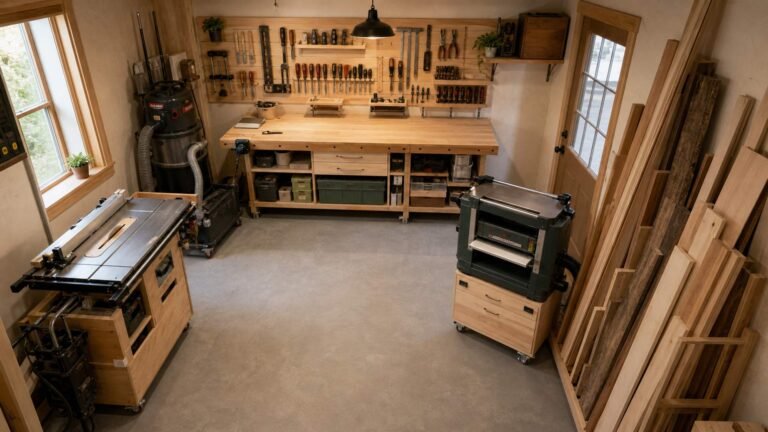
2. Compact DIY Workshop
If you enjoy woodworking or small home improvement projects, a shed may provide space for tool storage and certain light-duty DIY activities.
A compact workbench, portable tools, and wall-mounted organizers can help make a limited space more functional.
Useful features include:
-
A sturdy work surface
-
Accessible hand-tool storage
-
Suitable lighting
-
Organized material storage
-
Adequate working clearance
Important: Activities involving power tools, dust, fumes, or electrical equipment require appropriate ventilation, electrical installations, fire precautions, and other safety measures. A standard storage shed may need substantial upgrades before it is suitable for workshop use.
For additional inspiration, explore our Small Woodworking Shop Setup Guide.
3. Potting Shed for Gardening Projects
A potting shed provides a convenient place to organize pots, seed trays, and planting accessories.
It can be particularly useful for homeowners who enjoy growing flowers, herbs, or vegetables.
Practical additions:
-
A moisture-resistant potting surface
-
Shelves for empty pots
-
Storage containers for planting supplies
-
Hooks for small gardening tools
-
Natural lighting where suitable
Best for: Gardeners who want a dedicated space for planting preparation.
Budget tip: Repurpose a suitable old table or sturdy shelving unit instead of buying specialized potting furniture.
4. Seasonal Storage Shed
A small backyard shed can help keep seasonal items organized and reduce clutter inside the home.
Depending on the shed’s weather protection and storage conditions, suitable items may include outdoor decorations, empty planters, and certain garden accessories.
Organization ideas:
-
Use labeled storage containers.
-
Group items by season.
-
Keep frequently used supplies near the entrance.
-
Store heavy containers close to the floor.
-
Inspect stored items periodically for moisture damage.
Avoid storing valuable or moisture-sensitive belongings unless the shed provides suitable environmental protection.
5. Bicycle and Outdoor Equipment Storage
A compact shed can provide a dedicated location for bicycles, helmets, and other outdoor equipment.
For narrow spaces, vertical or wall-mounted storage may help keep the floor clear.
Features to consider:
-
A door wide enough for bicycles
-
Suitable wall-mounted storage
-
A stable floor
-
Secure locks and hardware
-
Adequate clearance for moving equipment
Budget tip: Measure your bicycles and equipment before selecting the shed size. A larger structure may not be necessary if the interior layout is efficient.
6. Backyard Hobby or Craft Space
A small shed may be adapted for certain hobbies, such as painting, crafting, or assembling small projects.
However, a space intended for people to occupy regularly has different requirements from a basic storage shed.
Before converting a shed, consider:
-
Local building and zoning requirements
-
Suitable insulation and temperature control
-
Safe electrical installation
-
Ventilation and indoor air quality
-
Fire safety and emergency access
-
Weather protection and moisture control
Best for: Homeowners prepared to assess and complete the upgrades required for their intended activities.
A hobby-space conversion may cost considerably more than a simple storage shed, so it should be budgeted as a separate project.
7. Multi-Purpose Backyard Storage Shed
For many homeowners, a multi-purpose storage layout is the most flexible choice.
Instead of dedicating the entire shed to one activity, divide it into practical sections.
For example:
-
One wall for gardening tools
-
One corner for outdoor equipment
-
Upper shelves for lightweight seasonal supplies
-
A small work surface for simple, appropriate tasks
This approach helps you adapt the space as your storage needs change.
Budget tip: Choose movable shelves and modular storage accessories where practical, rather than building permanent compartments for every item.
Compare These Creative Small Shed Uses
| Shed Use | Main Purpose | Key Consideration |
|---|---|---|
| Garden Tool Storage | Gardening equipment | Convenient tool access |
| Compact DIY Workshop | Tools and light DIY tasks | Workshop safety requirements |
| Potting Shed | Planting preparation | Moisture-resistant surfaces |
| Seasonal Storage | Occasional-use items | Protection from moisture |
| Bicycle Storage | Bikes and outdoor gear | Door clearance and security |
| Hobby or Craft Space | Creative activities | Occupancy and building requirements |
| Multi-Purpose Storage | Flexible organization | Practical interior layout |
How to Choose the Best Use for Your Small Shed
Before deciding how to use your shed, ask yourself three questions:
What will I store or do inside?
Make a list of your equipment and intended activities. This will help determine the space, layout, and construction requirements.
How often will I use it?
Frequently used equipment should be easy to access. Items used only occasionally can be stored in less accessible areas.
Does the shed need additional upgrades?
A basic storage shed may be suitable for gardening equipment, but workshop and hobby-space conversions can require significant improvements.
The most useful cheap shed ideas are those that match your actual needs rather than adding features you may never use.
With a clear purpose and a practical layout, a small backyard shed can become a valuable part of your outdoor space without unnecessary spending.
Next, we’ll explore simple ways to make your shed blend naturally into your backyard landscape.
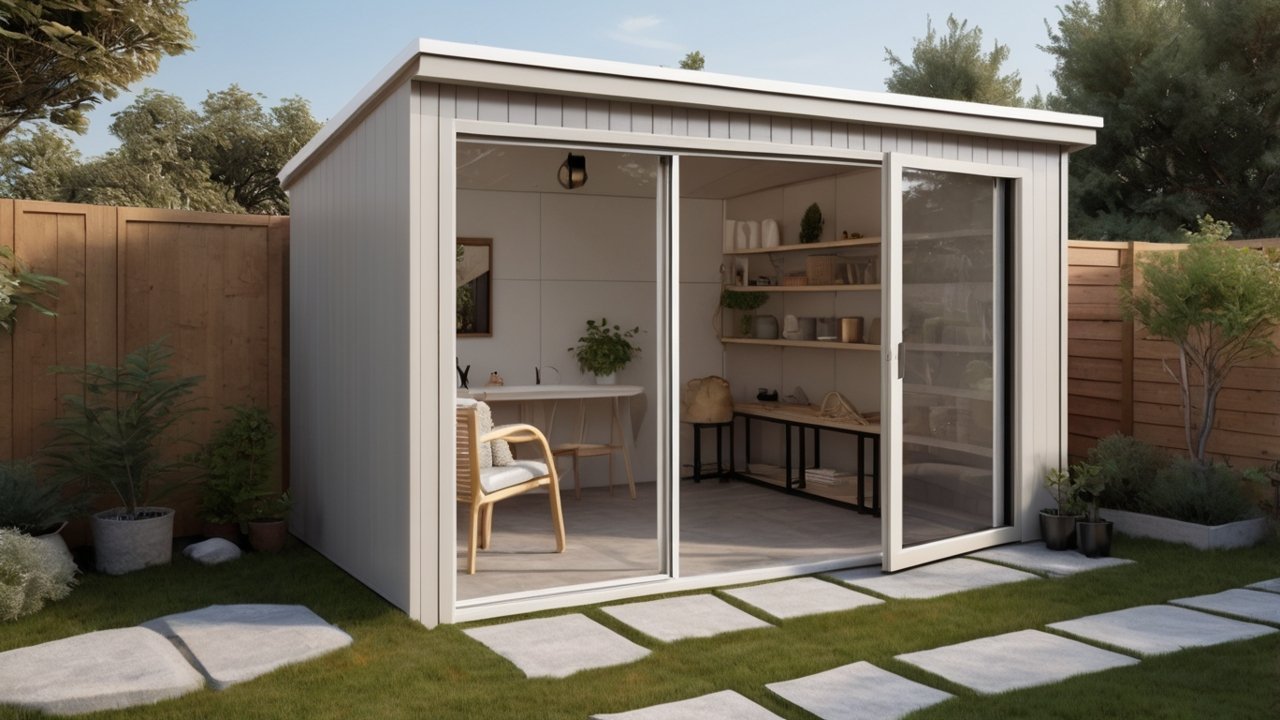
7 Small Backyard Landscaping Ideas Around Your Shed
A backyard shed doesn’t have to look like an afterthought. With thoughtful placement, simple landscaping, and a few affordable improvements, even a basic storage shed can become an attractive part of your outdoor space.
The best small backyard shed landscaping ideas combine appearance with practicality. You want your shed to complement the garden while keeping doors, pathways, drainage, and maintenance areas accessible.
Here are seven budget-friendly ways to improve the space around your shed.
1. Create a Simple Pathway to Your Shed
A clear pathway makes your shed easier to access, especially when carrying gardening tools or moving outdoor equipment.
You don’t need an elaborate walkway to create a finished appearance.
Affordable pathway ideas include:
-
Gravel paths with suitable edging
-
Concrete stepping stones
-
Simple paver walkways
-
Reclaimed paving materials in good condition
Choose a surface that suits your climate, soil conditions, and intended use.
Budget tip: A short, straightforward pathway usually requires fewer materials than a decorative winding design.
For sheds used to store wheeled equipment, a smooth, stable path may be more practical than widely spaced stepping stones.
2. Add Low-Maintenance Plants Around the Shed
Plants can soften the appearance of a shed and help it blend naturally into the surrounding garden.
For a small backyard, choose plants that won’t overwhelm the structure or block access.
Consider using:
-
Compact shrubs
-
Low-growing flowering plants
-
Small ornamental grasses
-
Container plants
-
Ground covers suited to your climate
Avoid placing plants too close to wooden siding or ventilation openings.
Leave enough clearance for cleaning, repairs, and air circulation.
Budget tip: Start with a few well-positioned plants rather than filling every available space.
3. Choose Shed Colors That Complement Your Home
A coordinated color scheme can make a simple shed look more intentional.
Instead of choosing an entirely different color palette, consider using shades that work with your house, fencing, or outdoor furniture.
Popular color approaches include:
-
Soft gray with white trim
-
Natural wood tones
-
Sage green for a garden-inspired look
-
Charcoal for a modern appearance
-
Warm beige or cream for a neutral finish
Choose exterior finishes compatible with your shed material and local weather conditions.
Budget tip: Refreshing an existing shed with a suitable protective finish may be more affordable than replacing exterior panels for decorative reasons.
4. Use Container Gardens for Flexible Landscaping
Container gardening is particularly useful in small backyards because plants can be moved when necessary.
A few pots near the shed entrance can add color without requiring permanent garden beds.
Simple container garden ideas:
-
Flower pots beside the entrance
-
Herb planters along a sunny wall
-
Matching containers for a coordinated appearance
-
Small raised planters positioned away from the shed foundation
Keep containers from blocking doors, pathways, and drainage.
Avoid placing heavy planters on unsupported shelves or attaching them to shed walls without checking structural capacity.
5. Add Practical Outdoor Lighting
Outdoor lighting can make the shed entrance easier to see during the evening.
It can also improve the appearance of the surrounding garden.
Lighting options to consider:
-
Solar pathway lights
-
Battery-powered exterior lights
-
Motion-activated lighting
-
Suitable low-voltage landscape lighting
Choose products rated for their intended outdoor conditions.
Permanent electrical installations should comply with applicable codes and be completed by qualified professionals where required.
Budget tip: Start by lighting the entrance and pathway rather than installing decorative lights throughout the entire backyard.
6. Keep the Area Around Your Shed Organized
A shed may look attractive, but clutter around its exterior can make the entire backyard feel crowded.
Keep gardening supplies, unused materials, and outdoor equipment in designated storage areas.
Ways to maintain a tidy appearance:
-
Keep walkways clear.
-
Store loose tools inside the shed.
-
Use appropriate outdoor storage containers.
-
Remove unused or damaged items.
-
Keep vegetation trimmed.
-
Maintain drainage around the foundation.
For smaller yards, a clean and simple layout often works better than adding more decorative features.
7. Create a Small Garden Feature Beside the Shed
If space allows, a modest landscaping feature can make the shed feel like a natural part of the backyard.
You might consider:
-
A small flower bed
-
A compact gravel garden
-
A simple wooden planter
-
A narrow decorative border
-
A small seating area positioned separately from the shed entrance
Choose one feature that suits the available space rather than combining too many elements.
Budget tip: Reuse suitable leftover landscaping materials and focus on a single, well-finished area.
For more DIY inspiration, explore our Rustic Woodworking Ideas: 25 Ways to Add Warmth and Character.
Quick Comparison: Budget Shed Landscaping Ideas
| Landscaping Idea | Main Benefit | Budget Consideration |
|---|---|---|
| Gravel or paver pathway | Easier access | Materials and ground preparation |
| Low-maintenance plants | Softer appearance | Plant selection and upkeep |
| Coordinated exterior color | More cohesive design | Paint or protective finish |
| Container garden | Flexible decoration | Pots, soil, and plants |
| Outdoor lighting | Better visibility | Fixtures and installation |
| Organized surroundings | Cleaner backyard | Storage and maintenance |
| Small garden feature | Added visual interest | Materials and available space |
How to Make a Small Backyard Look Bigger With a Shed
A well-positioned shed can help define your outdoor space without making it feel overcrowded.
For a more open appearance:
-
Keep pathways simple and unobstructed.
-
Choose plants that suit the scale of the yard.
-
Use a consistent color palette.
-
Avoid oversized decorative features.
-
Leave clear space around the shed entrance.
-
Maintain visible separation between storage and relaxation areas.
The goal isn’t to hide the shed completely. Instead, make it feel like a practical, coordinated part of your backyard.
Final Thoughts: Make Your Shed Part of the Landscape
You don’t need an expensive garden makeover to improve the appearance of a small backyard shed.
A clear pathway, coordinated exterior finish, a few suitable plants, and regular upkeep can make a noticeable difference.
By combining cheap shed ideas with practical landscaping choices, you can create an outdoor storage area that looks attractive and remains easy to use.
Next, we’ll answer some frequently asked questions about affordable sheds for small backyards.
Frequently Asked Questions About Cheap Shed Ideas
Planning an affordable backyard shed often raises questions about cost, size, materials, and construction requirements. Here are answers to ten common questions to help you choose a practical storage solution.
1. What Is the Cheapest Way to Build a Shed?
One of the most affordable approaches is to choose a small, simple design with minimal custom features.
You may be able to reduce costs by using suitable reclaimed materials for nonstructural components, comparing local lumber prices, and preparing an accurate material list before purchasing supplies.
However, the cheapest materials aren’t always the best long-term choice. Prioritize suitable framing, roofing, foundation materials, and weather protection.
2. How Much Does a Small Backyard Shed Cost?
The cost of a small shed depends on its dimensions, materials, foundation, location, and whether you build it yourself or hire someone.
A basic storage kit may have a lower initial price than a custom-built structure, but delivery, site preparation, assembly, and foundation expenses can increase the total.
For an accurate budget, compare current local prices and include all required materials, hardware, permits, and installation costs.
3. What Is the Best Shed for a Small Backyard?
The best shed depends on your available space and storage needs.
A narrow lean-to design may work well along a suitable wall, while a compact freestanding shed can be useful for garden tools and seasonal equipment.
For limited floor space, a vertical storage shed may provide enough room for long-handled tools without taking up a large area.
Measure your equipment and available yard space before choosing a design.
4. What Is the Smallest Practical Shed Size?
A compact shed measuring approximately 4 × 4 feet may provide enough room for basic gardening supplies and hand tools.
However, larger equipment such as lawnmowers, bicycles, and wheelbarrows may require more floor space and wider doors.
The smallest practical size is the one that accommodates your equipment while allowing safe access.
5. Is It Cheaper to Build a Shed or Buy a Shed Kit?
Building a shed yourself may be more economical if you already own suitable tools and can source materials at competitive prices.
A shed kit may offer better value when materials are bundled together and the assembly process is straightforward.
Compare the complete cost of each option, including foundations, roofing, hardware, delivery, and labor.
6. Can You Build a Shed Without a Permit?
Some jurisdictions allow certain small accessory structures without a building permit, but requirements vary significantly.
Even when a building permit isn’t required, zoning rules, setbacks, height restrictions, anchoring requirements, and other regulations may still apply.
Contact your local building department before starting construction.
7. What Is the Best Material for a Budget Shed?
Wood, metal, and resin are common materials for affordable backyard sheds.
Wood: Flexible design options and easy customization, but requires appropriate weather protection and maintenance.
Metal: Often available in compact kits and generally requires limited exterior maintenance, although corrosion and condensation may need attention.
Resin: Typically low maintenance and easy to clean, but customization and structural capabilities depend on the product.
Choose a material based on your climate, budget, intended use, and willingness to perform maintenance.
8. Does a Small Shed Need a Foundation?
Most sheds need a suitable, stable base, although foundation requirements vary by design.
Options may include a properly prepared gravel base, suitable pavers, or concrete, depending on the structure and site conditions.
Follow the shed manufacturer’s instructions or appropriate construction plans, and check local requirements for anchoring and foundation support.
9. How Can I Make a Cheap Shed Last Longer?
Regular inspections and basic maintenance can help protect an affordable shed.
Focus on:
-
Keeping the roof watertight
-
Maintaining effective drainage
-
Inspecting doors and hardware
-
Protecting exposed wood
-
Checking metal components for corrosion
-
Maintaining adequate ventilation
Repair minor problems promptly to help prevent more extensive damage.
10. Can a Small Backyard Shed Be Used as a Workshop?
A small shed may be suitable for tool storage and certain light-duty DIY activities, but a standard storage shed isn’t automatically designed for workshop use.
Power tools, electrical equipment, dust-producing activities, and regular occupancy may require substantial improvements.
Before converting a shed, check applicable building requirements and evaluate ventilation, electrical safety, fire protection, structural suitability, and available working space.
For beginners planning a simple shed build, read our Build a Small Shed: Step-by-Step Beginner Guide.
Final Advice for Choosing an Affordable Shed
The best cheap shed ideas for small backyards balance cost, durability, and practical storage.
Start by measuring your available space, deciding what you need to store, and comparing suitable shed designs. A carefully planned small shed can often meet your needs without unnecessary features or expenses.

Final Thoughts: Choose the Best Cheap Shed Idea for Your Backyard
Creating useful outdoor storage doesn’t have to mean building a large or expensive structure. The best cheap shed ideas for small backyards focus on practical dimensions, simple construction, suitable materials, and thoughtful organization.
Whether you prefer a compact lean-to shed, a basic wooden design, or a ready-made metal storage shed, the right choice depends on your available space, budget, and storage needs.
Your Next Steps
Before starting your backyard shed project:
-
Measure your space. Confirm the available footprint, door clearance, and required property setbacks.
-
Choose a practical design. Select a shed that accommodates your equipment without wasting space.
-
Compare your options. Review the total cost of DIY construction and pre-built shed kits.
-
Plan for durability. Include a suitable foundation, weather protection, and ventilation.
-
Prepare your materials. Create an accurate shopping list and allow for unexpected expenses.
If you’re new to shed building, start with a manageable design and follow appropriate construction guidance.
Ready to Plan Your DIY Shed?
If you’d like to explore additional shed layouts and building instructions, take a look at My Shed Plans.
This resource offers shed-building plans that you can review while comparing designs for your own backyard project.
Affiliate disclosure: This link is an affiliate link. DIY Wood Haven may earn a commission if you make a purchase, at no additional cost to you.
Build a Shed That Fits Your Space and Budget
A successful backyard shed doesn’t need complicated features. It needs to fit your space, protect your belongings, and remain practical to maintain.
With careful planning, even a modest shed can help you organize your backyard and make better use of limited outdoor space.
Which of these seven budget shed designs would work best in your backyard?