
Furniture Craft Plans Review: Is the Huge Plan Library Worth It?
A huge woodworking plan library sounds like an easy answer to a common problem: you want to build furniture, but you do not want to design every project from scratch. This Furniture Craft Plans review looks at whether a collection advertised with more than 9,000 plans is likely to be useful, where its size may create problems, and which woodworkers are most likely to get value from it.
The important limitation is straightforward. This assessment is based on the seller’s public description and practical plan-quality criteria, not on a claim that every file in the library was personally built or independently audited. That distinction matters because the number of plans says little about the accuracy of any one set of dimensions. The safest approach is to treat a large collection as a source of options, then verify a selected plan before buying lumber or making a cut.

What Is Furniture Craft Plans?
The core offer
Furniture Craft Plans is marketed as a digital compendium of furniture and woodcraft plans. The official sales page says the collection contains more than 9,000 plans and covers projects ranging from small crafts to home furniture. It also describes an internal search function intended to help users locate a project without manually browsing the entire library.
That broad scope is the main appeal. Instead of purchasing a separate plan whenever a new idea comes up, a hobbyist could search one collection for tables, storage pieces, seating, decorative crafts, and related builds. A large archive may also help when you are comparing styles or looking for a starting point that can be adapted to available space.
Affiliate note: This section contains affiliate links.
Readers who want to inspect the seller’s current description, included materials, and purchase terms can review Furniture Craft Plans here. Check the live page before buying because package details and policies can change.
What this review can and cannot verify
The seller states that projects include elements such as drawings, step-by-step directions, materials information, tool information, and searchable organization. Those are useful features when they are complete and consistent. However, a sales page cannot prove that every plan has the same level of detail, uses current hardware, or matches the lumber and tools available in your region.
For that reason, this Furniture Craft Plans review evaluates the idea of the package and the buyer fit rather than promising that every drawing is flawless. Before starting a build, you should still compare all dimensions, identify missing steps, confirm units, and check that the joinery makes sense. A careful review protects both your budget and your safety.
What the Plan Library Claims to Include
Project range and supporting material
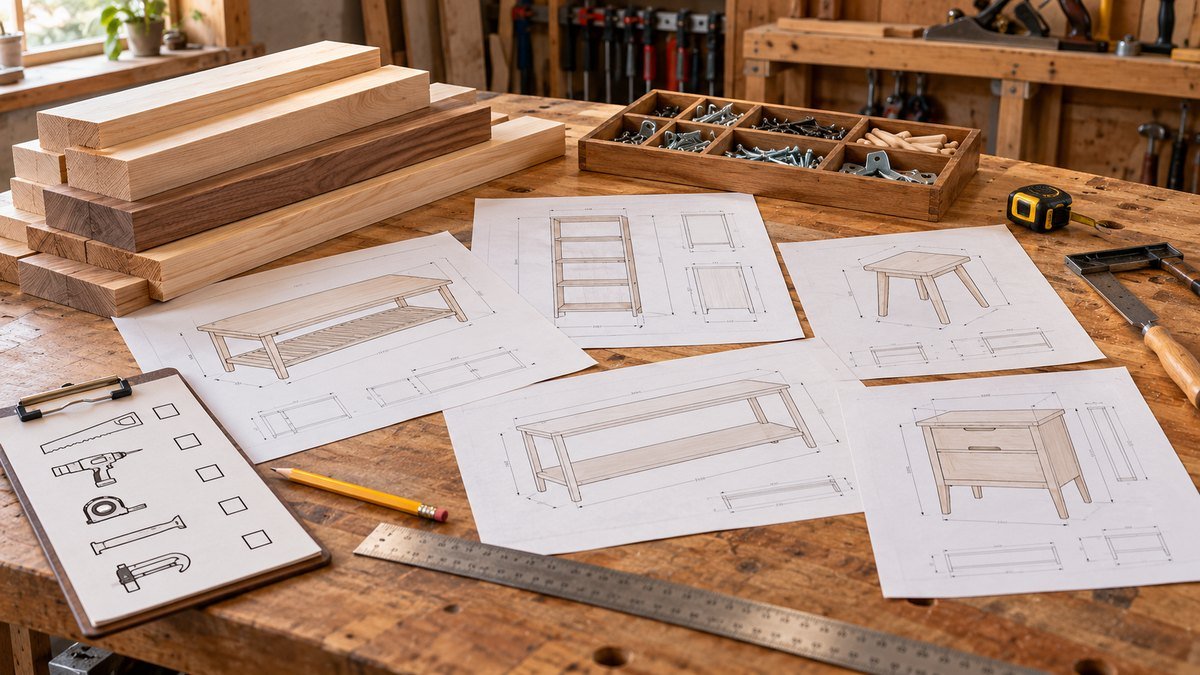
According to the official description, the collection combines classic and designer-style furniture plans with smaller craft projects. The page also advertises drawings or schematics, step-by-step instructions, materials lists, tools lists, full-color guidance for some material, a search function, and future updates. These are seller claims, so buyers should confirm the current package on the checkout page rather than relying on an older summary.
A useful plan should do more than show a finished object. It should establish finished dimensions, identify stock sizes, explain joinery, list hardware, and present an assembly sequence that a reader can follow. Materials and tool lists can reduce guesswork, but they are only as reliable as the dimensions behind them. If a list conflicts with the drawing, stop and resolve the discrepancy before purchasing or cutting material.
Wood choice also affects whether a plan works as written. Before substituting species or board thicknesses, compare the project requirements with this guide to wood types for furniture. Strength, movement, availability, and finish can all change the best material decision.
Why quantity is not the same as quality
Thousands of plans can provide variety, but quantity creates a curation problem. Some projects may be well documented while others may require more interpretation. Similar designs can use different conventions, drawing styles, or assumptions about shop equipment. Beginners should not assume that every plan in one collection was produced to a single modern standard.
Choice overload is another practical drawback. If you spend more time browsing than building, the size of the archive works against you. Start with a narrow project brief: available space, skill level, tools, lumber budget, and desired finish. A clear brief makes the search function more valuable because you can reject unsuitable plans quickly.
Organization matters just as much as the number of files. Useful search results should help you distinguish project type, finished size, skill level, and required tools. If the library does not expose all of those filters, keep a simple shortlist outside the platform. Record the project name, dimensions, source file, techniques, and any unanswered questions. That small index prevents you from repeatedly opening unsuitable plans and makes it easier to compare two versions of the same idea.
How to Judge Whether the Plans Are Buildable
Check the plan before cutting
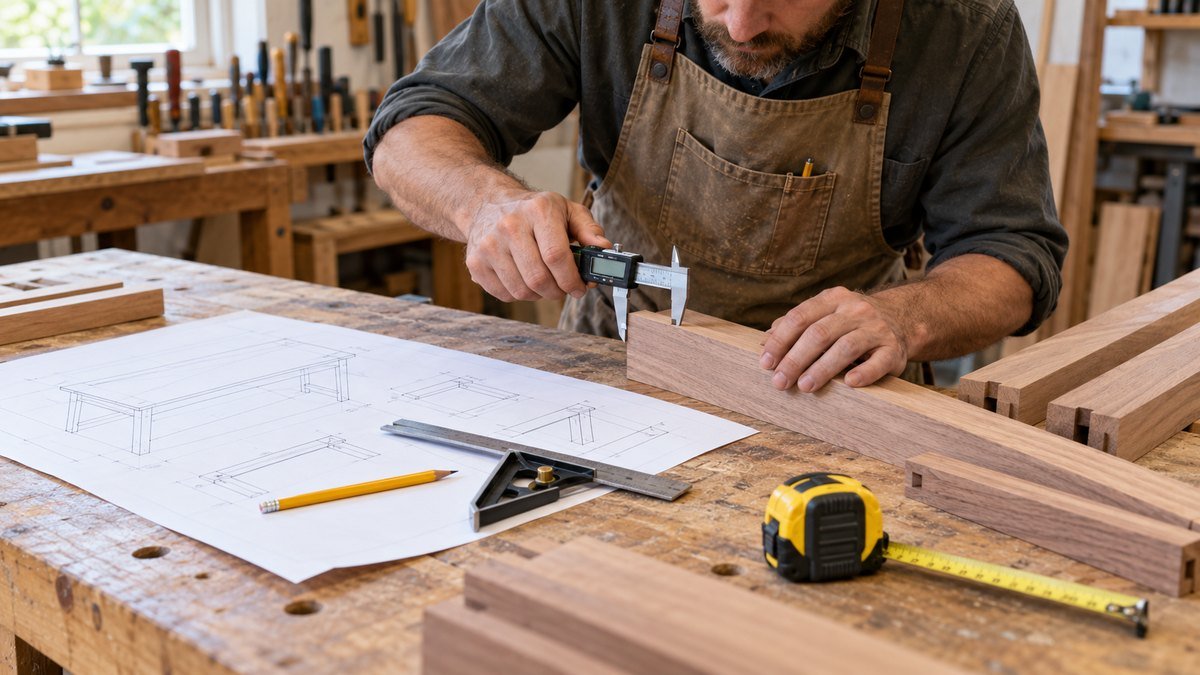
A buildable plan should answer basic questions before the first cut. Confirm the overall width, depth, and height. Check that part dimensions add up to the finished size after accounting for joinery, reveals, gaps, and material thickness. Make sure left and right parts are clearly distinguished and that the drawing uses one consistent measurement system.
Then compare the cut list with the drawings. Every part should have a clear name, quantity, thickness, width, and length. Hardware must match the intended material. Joinery should be possible with your tools, and the assembly order should leave room for clamps or fasteners. If finishing needs to happen before final assembly, the sequence should make that clear.
Do a second pass from the end of the project back to the beginning. Imagine the finished assembly and ask how each part could physically move into place. This reverse check often catches trapped panels, inaccessible screws, impossible clamp positions, and finishes that would be hard to apply later. It also reveals whether a plan depends on a jig, bit, blade, or fastener that was not obvious in the headline tool list.
Use a repeatable woodworking project checklist to review dimensions, tools, safety, materials, and workspace before committing to a plan.
When a drawing uses small dimensions or hardware spacing, a digital caliper can help verify actual material and component sizes. This digital caliper from the current research document may be useful for checking thicknesses and diameters, but compare its range and accuracy with your project requirements before ordering.
Test one low-risk project first
Do not begin with an expensive dining table or a complicated cabinet. Choose a small, low-risk project that uses familiar joinery and inexpensive stock. Recreate the parts list in your own notes, calculate the required boards, and identify any step that is unclear. This small test reveals how much interpretation the library expects from you.
Creating your own woodworking cut list is especially helpful. It forces you to reconcile the drawing with the materials list and exposes duplicated, missing, or impossible dimensions before they become waste.
A combination square is useful for checking 90-degree layouts, marking consistent offsets, and confirming that assemblies stay square. The adjustable combination square found in this article’s AliExpress research is one possible option. As with any measuring tool, verify it against a known reference before trusting it on a project.

Potential Advantages and Drawbacks
Where a large library may help
The strongest case for a large plan collection is repeated use. A hobbyist who expects to build furniture, storage, gifts, and decorative projects over several years may appreciate having many starting points in one place. Even when a plan is not followed exactly, it can suggest proportions, construction sequences, and ways to solve a design problem.
Searchable organization may also save time compared with collecting unrelated files from many websites. A single library can reduce lost bookmarks and inconsistent file storage. If updates are included under the current terms, the collection may continue to offer new ideas without another search. Buyers should still confirm how access and updates are delivered today.
Where buyers should be cautious
The biggest concern is consistency. A collection built from many plans may contain different drawing conventions, detail levels, or assumptions about tools. Older designs may use hardware that is difficult to find, and a materials list may not reflect local lumber dimensions. None of these issues automatically makes a plan unusable, but each one increases the amount of checking required.
Another drawback is that a plan library is not the same as instruction. A beginner may need explanations of grain direction, milling, joinery setup, workholding, finishing, and safe tool use that a drawing does not provide. If you need foundational guidance, pair any plan with trusted technique resources and the manufacturer’s instructions for your tools.
Digital delivery also deserves a practical check. Before purchasing, confirm the supported file formats, how downloads or account access work, whether files can be saved for offline reference, and where support questions are handled. Keep a local backup permitted by the license and organize selected plans by project type. This Furniture Craft Plans review cannot verify future access or support response times, so current terms on the live page should guide your decision.
Eye protection should be selected for the task and worn whenever cutting, drilling, routing, sanding, or working around flying debris. These protective safety glasses are one researched option, but you should confirm fit, coverage, and suitability for your work rather than choosing solely by price.

Who May Benefit and Who Should Skip It
Woodworkers who may benefit
Furniture Craft Plans is most likely to suit hobbyists who enjoy browsing ideas and are comfortable checking or adapting a drawing. It may also appeal to households planning several builds rather than one specific project. A user with basic measuring, layout, cutting, and assembly skills can often make better use of a broad archive because minor gaps are easier to recognize.
The collection may provide value if you like comparing several versions of a project before choosing a design. For example, you could review multiple tables for dimensions, leg styles, storage, and joinery, then select the closest match. That process works best when you are willing to create a fresh material list and adjust the plan to your space.
If you are still organizing your process, this guide to woodworking project planning can help turn a promising plan into a realistic sequence of decisions, purchases, and shop tasks.
Woodworkers who should probably skip it
Skip a huge library if you only need one highly polished plan for one specific piece. In that case, a plan from a recognized designer, magazine, or specialist publisher may provide clearer support and fewer decisions. A focused plan can be easier to evaluate because you can examine sample pages, project photos, required tools, and the designer’s construction method before buying.
You should also look elsewhere if you expect guaranteed beginner instruction, personal coaching, or verified engineering for structures. Furniture and craft drawings do not replace building plans prepared for permits, structural loads, or local codes. Likewise, a library does not automatically teach safe use of unfamiliar machinery.
New woodworkers can first compare their shop against a practical beginner woodworking tool list. If a plan assumes tools you do not own, the real project cost may be higher than the lumber and hardware alone.
Furniture Craft Plans Review Verdict and Alternatives
The balanced verdict
The verdict in this Furniture Craft Plans review is conditional. The package may be worthwhile for a hobbyist who wants a broad idea bank, expects to build many projects, and is willing to screen each plan. Its advertised breadth and search function are potentially useful, but the large number of plans should not be treated as proof that every file is equally complete or beginner-ready.
Approach the library as a reference collection rather than a substitute for judgment. Check one small project first. Recalculate the dimensions, review the cut list, and compare the required techniques with your skills. If that workflow feels reasonable, a large collection may support years of experimentation. If you want a plan you can follow without interpretation, buy one carefully curated design instead.
Alternatives before buying
Alternatives include individual plans from established designers, woodworking magazines, books from a local library, maker classes, and free plans from reputable tool or lumber companies. These sources may offer fewer projects, but they can provide stronger editing, clearer photographs, or instruction focused on a particular technique.
For a no-cost way to test whether plan-based weekend projects fit your interests, download the free 10 DIY Wood Projects You Can Build This Weekend ebook. Build or study one small project, note the level of detail you need, and use that experience to decide whether a large paid library makes sense.
Ultimately, value depends less on the advertised plan count than on how many suitable projects you will actually build. A well-chosen single plan can be better than thousands of unused files. A large archive becomes valuable only when its organization, project range, and required level of interpretation match the way you work.

Frequently Asked Questions
How many plans does Furniture Craft Plans advertise?
The official sales page advertises a collection of more than 9,000 furniture and craft plans. Treat that number as a seller claim and confirm the current offer before purchasing. More plans can mean more variety, but it does not establish the quality or completeness of each individual file.
Is Furniture Craft Plans suitable for complete beginners?
It may suit a careful beginner who can verify measurements and seek outside help for unfamiliar techniques. A complete beginner expecting every plan to teach tool setup, joinery, finishing, and safety may prefer a smaller instructional course or a highly detailed project plan.
Are materials lists and cut lists included?
The seller describes tools and materials information as part of the package. Coverage may vary by plan, so inspect the selected project before buying stock. Create your own cut list whenever the supplied information is unclear or does not match the drawings.
How should I verify a plan before cutting wood?
Check finished dimensions, material thickness, part quantities, joinery, hardware, assembly order, and unit consistency. Recalculate key totals and make a personal cut list. If a dimension conflict remains unresolved, do not cut expensive material.
Is a large plan library better than buying one plan?
A library can offer better variety for someone who expects to build many different projects. One premium plan may be better when you need a specific design, consistent documentation, and less sorting. Your likely number of completed builds matters more than the number of files included.
What should I check before purchasing Furniture Craft Plans?
Review the current contents, delivery method, access terms, update policy, support information, refund terms, and system requirements on the live sales and checkout pages. This Furniture Craft Plans review does not replace those current purchase details, which can change.

Conclusion
This Furniture Craft Plans review finds that the huge library may be useful for the right kind of woodworker: someone who wants many ideas, expects to complete several projects, and is comfortable validating each plan. The advertised breadth is attractive, but plan count alone cannot guarantee consistent detail or beginner-friendly instruction.
Before buying, compare the package with the cost and clarity of one project-specific plan. If you choose the library, begin with a small build, confirm every important dimension, make your own cut list, and use safe tool practices. The best resource is not the one with the largest number on the sales page; it is the one that helps you complete a suitable project with fewer mistakes and less wasted material.
Affiliate Disclosure: This post contains affiliate links. If you purchase through these links, DIY Wood Haven may earn a commission at no additional cost to you.


Ready to Build Smarter?