Shed Building Mistakes: 15 Costly Errors to Avoid
Ever started a DIY project only to realize halfway through that something’s gone wrong? When it comes to shed building mistakes, beginners often face this exact situation—turning what should be a rewarding project into a frustrating experience. Whether you’re planning your first backyard shed or exploring simple DIY shed tips, avoiding common errors can save you time, money, and effort.
The truth is, many shed building mistakes happen before the first nail is even hammered. From poor planning and choosing the wrong location to using low-quality materials, these missteps can affect the durability and functionality of your shed. For beginners, even small oversights can lead to bigger, costlier problems down the line.
That’s why understanding the most common shed building mistakes is essential before you begin. In this guide, we’ll walk you through the key pitfalls and show you how to build your shed the right way from the start—so you can enjoy a smooth, successful DIY experience.
Chapter 1: Introduction to Shed Building Mistakes Beginners
Starting your first shed project can feel exciting—but it’s also where most shed building mistakes begin. Many beginners jump in with enthusiasm, only to realize later that poor planning or overlooked details can lead to costly setbacks. Understanding these early mistakes is the best solution to ensure your DIY project runs smoothly from day one.
Why Shed Building Mistakes Happen to Beginners
It’s surprisingly common for first-time builders to underestimate what goes into constructing a shed. According to guidance from organizations like the Family Handyman and the National Association of Home Builders, most DIY errors stem from lack of preparation rather than lack of skill.
Here are a few key reasons beginners struggle:
- Limited planning experience
- Overconfidence in basic tools and skills
- Skipping research to “save time”
- Not following proven shed plans
For example, a beginner might assume a flat patch of grass is enough for a foundation—only to discover drainage issues weeks later. These small oversights quickly snowball into bigger problems.
If you’re new to woodworking, it helps to first explore beginner-friendly builds like easy woodworking projects for beginners before tackling a full shed.
The Importance of Planning to Avoid Shed Building Mistakes
Planning is where successful shed projects truly begin. Without a clear roadmap, even simple builds can become overwhelming. One of the most common shed building mistakes beginners make is skipping this stage entirely.
A solid plan should include:
- Shed size and purpose
- Material selection
- Budget estimation
- Timeline
- Local permit requirements
Think of it this way: building a shed without a plan is like driving without a map—you might get somewhere, but not efficiently.
👉 If you want a recommended tool for success,
See how you can build your own shed with this step-by-step guide.
This type of structured plan can significantly reduce trial-and-error, especially for beginners.
DIY Shed vs Pre-Built Shed: Pros and Cons
Before diving deeper, it’s important to weigh your options. Many beginners don’t realize that choosing between DIY and pre-built sheds affects the type of mistakes they might encounter.
| Option | Pros | Cons |
|---|---|---|
| DIY Shed | Custom design, lower cost, skill-building | Time-consuming, risk of errors |
| Pre-Built Shed | Quick setup, professional finish | Higher cost, limited customization |
For beginners, DIY is often more rewarding—but only if you avoid common shed building mistakes. If your goal is learning and saving money, DIY is ideal. However, if time is limited, a pre-built option may be more practical.
How Avoiding Shed Building Mistakes Saves Time and Money
Mistakes in shed building aren’t just frustrating—they’re expensive. Fixing a poor foundation or replacing warped wood can double your original budget.
Here’s how avoiding mistakes benefits you:
- Saves money on repairs and materials
- Reduces project delays
- Improves safety and durability
- Boosts confidence for future DIY projects
Experienced builders from communities like Reddit DIY often emphasize that “fixing mistakes takes longer than building it right the first time.”
👉 Looking for affordable DIY plans to avoid costly errors?
Check out these affordable woodworking plans →
These plans are designed to guide beginners step-by-step, reducing guesswork and improving results.
A Simple Beginner Example (Real-World Insight)
Imagine two beginners building identical sheds:
- Builder A skips planning, uses cheap materials, and guesses measurements
- Builder B follows a structured guide, measures carefully, and uses proper tools
After two weeks:
- Builder A is fixing mistakes
- Builder B is adding finishing touches
That’s the difference preparation makes.
Transition to the Next Chapter
Now that you understand why shed building mistakes happen and how they impact your project, it’s time to dive deeper into the most critical error beginners make—skipping proper planning. In the next chapter, we’ll break down exactly how to plan your shed the right way and avoid problems before they even start.

Chapter 2: Skipping Proper Planning – The Biggest Shed Building Mistakes Beginners Make
One of the most critical shed building mistakes beginners make is jumping straight into construction without a solid plan. It might feel exciting to start cutting wood right away, but skipping this step often leads to wasted materials, poor structure, and costly rework. Planning isn’t just helpful—it’s essential.
Why Poor Planning Leads to Shed Building Mistakes
Without a clear plan, every step becomes guesswork. Many beginners assume they can “figure it out as they go,” but this approach often creates more problems than solutions.
Common issues caused by poor planning include:
- Incorrect shed size or layout
- Running out of materials mid-project
- Structural instability
- Violating local building regulations
According to the Better Homes & Gardens, planning ahead can reduce project errors by up to 40% in DIY builds. That’s a significant difference, especially for beginners.
A well-thought-out plan acts like a blueprint for success—it keeps everything organized and predictable.
Key Elements Every Shed Plan Should Include
To avoid common shed building mistakes, your plan should cover all the essentials before you even pick up a hammer.
Here’s what a beginner-friendly shed plan should include:
- Accurate dimensions (length, width, height)
- Foundation type (gravel, concrete, or wooden base)
- Material list (wood type, fasteners, roofing)
- Tool requirements
- Step-by-step building instructions
If you’re unsure where to start, you can explore detailed tutorials like
build a small shed step-by-step guide
This kind of structured approach removes guesswork and helps beginners stay on track.
Common Planning Mistakes Beginners Overlook
Even when beginners attempt to plan, they often miss critical details. These small oversights are actually major contributors to shed building mistakes.
Watch out for these common pitfalls:
- Ignoring local permits and zoning laws
- Underestimating budget and material costs
- Not accounting for weather conditions
- Forgetting future use (storage, workspace, etc.)
For example, building a shed without checking local codes could mean tearing it down later—a costly and frustrating outcome.
👉 Want a best solution to avoid these mistakes?
See how you can build your own shed with this step-by-step guide.
This type of guided system helps ensure you don’t miss critical planning steps.
DIY Planning vs Ready-Made Shed Plans (Pros & Cons)
Choosing how to plan your shed is just as important as the build itself. Let’s compare your options:
| Planning Method | Pros | Cons |
|---|---|---|
| DIY Planning | Full customization, creative freedom | Higher risk of mistakes, time-consuming |
| Ready-Made Plans | Beginner-friendly, tested designs, faster execution | Less customization |
For beginners, ready-made plans are often the recommended tool because they reduce trial-and-error. They’re designed by experienced builders, which means fewer surprises during construction.
👉 If you’re looking for affordable DIY plans,
Click here to explore this recommended DIY solution.
Expert Tips to Plan Your Shed the Right Way
Planning doesn’t have to be complicated. Here are some practical tips to help you avoid early mistakes:
- Start with a clear purpose (storage, workshop, garden tools)
- Sketch your design before building
- Double-check all measurements
- Choose the right wood type for durability
- Learn more here: types of wood for every project
- Set a realistic timeline (don’t rush!)
Many experienced builders from communities like Instructables emphasize that “a few hours of planning can save days of fixing mistakes.”
Real-World Scenario: Planning vs No Planning
Let’s break it down with a simple example:
- Builder A (No Plan):
Starts building immediately → runs out of materials → rebuilds foundation → delays project - Builder B (With Plan):
Prepares materials → follows step-by-step guide → completes shed efficiently
The result? Builder B finishes faster, spends less, and avoids frustration.
Transition to the Next Chapter
Now that you’ve seen why planning is the foundation of avoiding shed building mistakes beginners make, the next step is choosing the right location. In Chapter 3, we’ll explore how picking the wrong spot can ruin even the best-planned shed—and how to get it right from the start.
Chapter 3: Choosing the Wrong Location – A Hidden Shed Building Mistake Beginners Overlook
Choosing where to place your shed might seem simple, but it’s one of the most overlooked shed building mistakes beginners make. A poor location can lead to drainage issues, structural damage, and long-term frustration—even if the shed itself is built perfectly.
Why Location Matters in Shed Building Mistakes
Many beginners focus on the shed design but forget that the ground beneath it plays a huge role. The wrong spot can cause:
- Water pooling and flooding
- Uneven settling or foundation shifting
- Limited accessibility
- Reduced lifespan of materials
According to experts at This Old House, proper site selection is just as important as the construction itself. A well-built shed in a bad location will still fail over time.
For beginners, this is where many shed building mistakes quietly begin.
Common Location Mistakes Beginners Make
Even with good intentions, it’s easy to pick the wrong spot. Here are the most frequent errors:
- Building on low ground prone to water accumulation
- Placing the shed too close to fences or walls
- Ignoring sunlight and ventilation
- Blocking pathways or garden access
For example, placing a shed in a shaded, damp corner might seem convenient—but it often leads to mold, rot, and moisture buildup.
If you’re still learning the basics, exploring beginner-friendly outdoor builds like
outdoor woodworking projects for beginners
can help you understand how environment impacts your projects.
How to Choose the Best Shed Location (Beginner-Friendly Guide)
To avoid these costly shed building mistakes, follow these simple but effective guidelines:
1. Check Drainage First
- Choose a slightly elevated area
- Avoid spots where water collects after rain
- Consider adding gravel for better drainage
2. Ensure Easy Access
- Leave enough space around the shed
- Make sure doors can fully open
- Keep pathways clear
3. Consider Sunlight and Airflow
- Place your shed where it gets some sunlight
- Avoid overly damp or shaded areas
- Good airflow prevents moisture buildup
4. Follow Local Building Codes
- Check distance requirements from property lines
- Ensure compliance with local regulations
👉 Want a recommended tool to simplify the entire process?
See how you can build your own shed with this step-by-step guide.
This helps you plan both structure and placement correctly from the start.
Ground Types Comparison: Which One Is Best?
Not all ground surfaces are equal when it comes to shed placement. Here’s a quick comparison:
| Ground Type | Pros | Cons |
|---|---|---|
| Grass/Soil | Easy to work with | Poor drainage, unstable |
| Gravel Base | Good drainage, affordable | Requires preparation |
| Concrete Slab | Strong, durable, long-lasting | Higher cost, more labor |
For beginners, a gravel base is often the best solution—it balances cost, stability, and ease of installation.
Real-Life Scenario: Good vs Bad Placement
Let’s compare two common situations:
- Builder A (Poor Location):
Builds shed on low ground → water collects → wood rots → repairs needed - Builder B (Smart Location):
Chooses elevated area → adds gravel → proper drainage → long-lasting shed
The difference? Just a few hours of planning the location.
Extra Tip: Match Location with Shed Purpose
Think about how you’ll use your shed:
- Storage shed: Place near the house for convenience
- Workshop: Choose a quiet, well-lit area
- Garden shed: Position close to plants and tools
Planning based on purpose helps avoid unnecessary movement and improves usability.
👉 Looking for affordable DIY plans that include layout guidance?
Check out these affordable woodworking plans →
Expert Insight for Better Placement
Communities like DIY Network often recommend testing your chosen spot before building:
- Mark the shed area with stakes
- Observe water flow after rain
- Walk around it to check accessibility
This simple step can prevent major shed building mistakes beginners often regret later.
Transition to Chapter 4
Now that you know how choosing the wrong location can impact your project, the next step is building a strong foundation. In Chapter 4, we’ll explore how a weak or improper base can compromise your entire shed—and how to get it right from the ground up.
Chapter 4: Weak or Improper Foundation – A Costly Shed Building Mistake Beginners Must Avoid
A strong foundation is the backbone of any successful shed project. Yet, one of the most damaging shed building mistakes beginners make is building on a weak or poorly prepared base. Even the best-designed shed won’t last if the foundation underneath it isn’t solid.
Why a Poor Foundation Leads to Shed Building Mistakes
Your shed’s foundation supports everything—from the walls to the roof. If it’s unstable, the entire structure becomes vulnerable.
Here’s what can go wrong with a weak foundation:
- Uneven floors and tilting walls
- Doors and windows that won’t close properly
- Water damage and wood rot
- Structural failure over time
Experts from Fine Homebuilding emphasize that foundation issues are among the top reasons DIY structures fail prematurely. This is why avoiding foundation-related shed building mistakes is critical from the start.
Types of Shed Foundations (Pros vs Cons)
Choosing the right base can feel overwhelming, especially for beginners. Let’s simplify it with a comparison:
| Foundation Type | Pros | Cons |
|---|---|---|
| Gravel Base | Affordable, good drainage, beginner-friendly | Needs proper leveling |
| Concrete Slab | Strong, durable, long-lasting | Higher cost, labor-intensive |
| Wood Skid Foundation | Easy to build, portable | Less durable over time |
For most beginners, a gravel base is often the best solution. It provides stability while remaining cost-effective and easier to install.
Common Foundation Mistakes Beginners Make
Even when choosing the right type, mistakes during setup can lead to serious problems. Watch out for these common errors:
- Skipping ground leveling
- Not compacting the soil properly
- Using insufficient gravel depth
- Ignoring drainage planning
For example, placing a shed on uneven ground may not seem like a big deal at first—but over time, it can cause the entire structure to shift.
If you’re still building foundational skills, reviewing guides like
build a small shed step-by-step
can help you understand proper setup techniques.
Step-by-Step: How to Build a Strong Shed Foundation
Avoiding shed building mistakes beginners make is easier when you follow a clear process:
1. Prepare the Ground
- Clear debris, grass, and roots
- Mark the shed area using stakes and string
2. Level the Surface
- Use a spirit level
- Remove high spots and fill low areas
3. Add a Gravel Base
- Lay landscape fabric (optional)
- Add 4–6 inches of gravel
- Compact it thoroughly
4. Check for Drainage
- Ensure water flows away from the shed
- Slightly elevate the base if needed
👉 Want a recommended tool that simplifies this process?
See how you can build your own shed with this step-by-step guide.
This type of guided system helps beginners avoid costly foundation errors.
Gravel vs Concrete: Which One Should You Choose?
Choosing between gravel and concrete is a common dilemma. Here’s a quick beginner-friendly breakdown:
- Go with gravel if you:
- Want a budget-friendly option
- Prefer easier installation
- Need good drainage
- Choose concrete if you:
- Plan to use the shed as a workshop
- Need maximum durability
- Don’t mind higher upfront cost
For most DIY beginners, gravel offers the best balance of simplicity and performance.
Real-World Example: Foundation Success vs Failure
Let’s compare two scenarios:
- Builder A (Weak Foundation):
Skips leveling → uses minimal gravel → shed shifts → doors misalign - Builder B (Proper Foundation):
Levels ground → installs gravel base → ensures drainage → stable structure
The result? Builder B enjoys a long-lasting shed, while Builder A spends time fixing avoidable issues.
Expert Advice for Long-Lasting Results
Professionals from The Spruce recommend investing extra time in the foundation phase because:
- It determines the shed’s lifespan
- It reduces maintenance costs
- It improves safety and usability
👉 Looking for affordable DIY plans that include foundation guidance?
Check out these affordable woodworking plans →
Quick Foundation Checklist (Beginner-Friendly)
Before moving forward, make sure you’ve completed these steps:
- Ground is fully cleared and leveled
- Base material is properly compacted
- Drainage is planned and tested
- Foundation type matches your shed purpose
Transition to Chapter 5
Now that your shed has a strong and stable base, the next step is choosing the right materials. In Chapter 5, we’ll explore how using low-quality materials can lead to expensive repairs—and how to make smarter choices from the start.
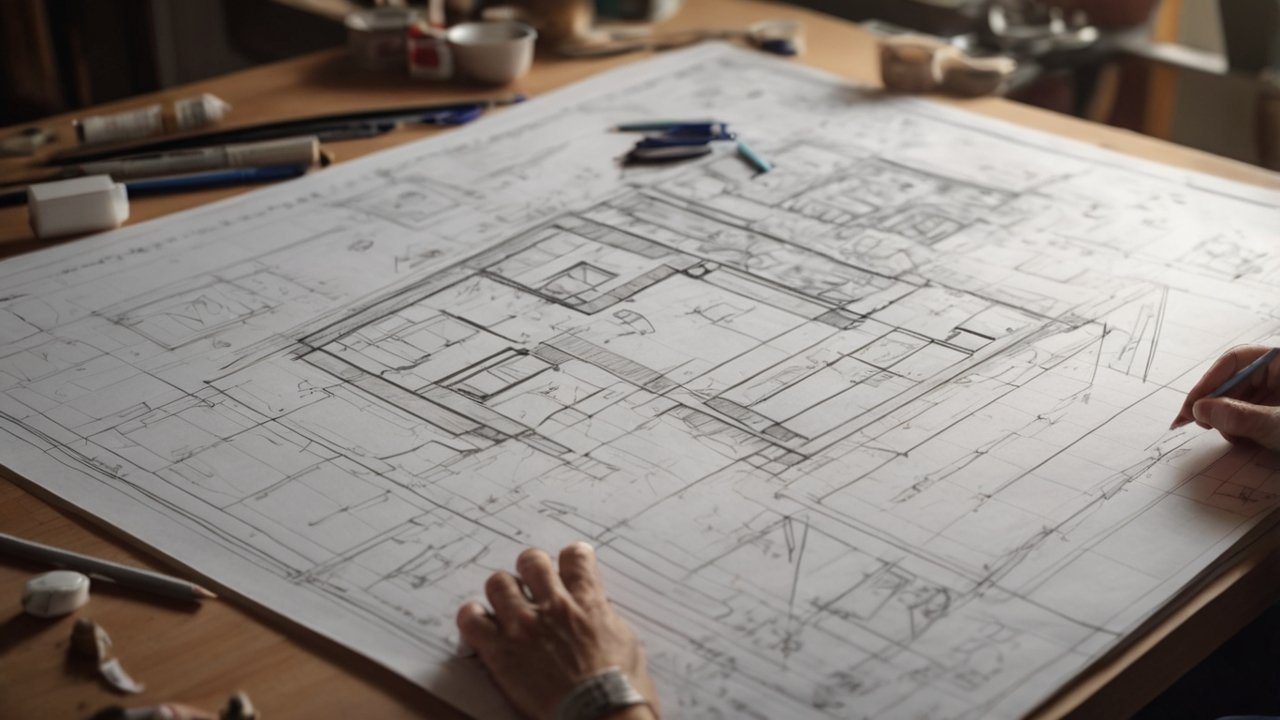
Chapter 5: Using Low-Quality Materials – A Common Shed Building Mistake Beginners Regret
One of the most overlooked yet expensive shed building mistakes beginners make is choosing low-quality materials to save money. At first glance, cheaper wood or fasteners may seem like a smart way to cut costs—but in reality, they often lead to repairs, replacements, and frustration down the line.
Why Cheap Materials Lead to Shed Building Mistakes
It’s easy to assume that all wood or construction materials are the same. However, quality plays a huge role in durability, especially for outdoor structures like sheds.
Using poor materials can result in:
- Warped or cracked wood
- Rusted nails and fasteners
- Weak structural integrity
- Shortened lifespan of your shed
According to experts at Popular Woodworking, material quality directly impacts the longevity and safety of any DIY project. This is why avoiding material-related shed building mistakes is essential for beginners.
Types of Wood: Choosing the Right Material for Your Shed
Not all wood is suitable for outdoor use. Beginners often make the mistake of choosing the cheapest option without considering weather resistance.
Here are some common choices:
- Pressure-Treated Wood
- Resistant to moisture and insects
- Ideal for foundations and outdoor use
- Cedar or Redwood
- Naturally resistant to rot
- More expensive but long-lasting
- Plywood (Exterior Grade)
- Affordable and versatile
- Must be properly sealed
👉 To better understand your options, check out
types of wood for every project
Choosing the right material from the start helps you avoid major shed building mistakes beginners often face later.
Low-Quality vs High-Quality Materials (Pros & Cons)
Let’s break it down clearly:
| Material Type | Pros | Cons |
|---|---|---|
| Low-Quality Materials | Lower upfront cost | Short lifespan, frequent repairs |
| High-Quality Materials | Durable, weather-resistant | Higher initial investment |
While low-quality materials may save money upfront, they often cost more in the long run due to maintenance and replacements.
Common Material Mistakes Beginners Make
Even with good intentions, beginners often fall into these traps:
- Buying untreated wood for outdoor use
- Using indoor-grade plywood outside
- Choosing cheap nails that rust quickly
- Skipping protective finishes or sealants
For example, untreated wood exposed to rain can start rotting within months—turning your shed into a repair project instead of a finished one.
Smart Tips to Avoid Material-Related Shed Building Mistakes
Avoiding these issues doesn’t require expert knowledge—just smart decisions:
1. Invest in Weather-Resistant Materials
Choose wood designed for outdoor use, especially for the base and frame.
2. Use Quality Fasteners
Opt for galvanized or stainless steel nails and screws to prevent rust.
3. Apply Protective Finishes
Seal your wood with weatherproof coatings to extend its lifespan.
You can learn more here:
top wood finishing techniques
4. Buy Slightly More Than Needed
This prevents delays if materials are damaged or cut incorrectly.
👉 Looking for a best solution to avoid guesswork?
See how you can build your own shed with this step-by-step guide.
Real-Life Scenario: Cheap vs Smart Material Choices
Let’s compare two beginners:
- Builder A (Cheap Materials):
Uses untreated wood → wood warps and cracks → replaces panels → spends more overall - Builder B (Quality Materials):
Invests slightly more → uses treated wood → shed lasts years with minimal maintenance
The lesson? Spending a little more upfront often saves a lot later.
Expert Insight on Material Selection
Professionals from Wood Magazine recommend prioritizing durability over price, especially for outdoor builds.
They suggest:
- Choosing materials based on climate conditions
- Avoiding bargain-bin lumber with visible defects
- Inspecting wood for straightness and quality before purchase
👉 Want affordable DIY plans that include material lists?
Check out these affordable woodworking plans →
Quick Material Checklist for Beginners
Before you start building, make sure:
- Wood is suitable for outdoor use
- Fasteners are rust-resistant
- Materials are free from cracks or warping
- Protective finishes are ready
Transition to Chapter 6
Now that you understand how material choices impact your shed, the next step is accuracy. In Chapter 6, we’ll explore how incorrect measurements can ruin even the best materials—and how to avoid this common beginner mistake.
Chapter 6: Incorrect Measurements – A Critical Shed Building Mistake Beginners Must Avoid
When it comes to construction, accuracy is everything. One of the most frustrating shed building mistakes beginners encounter is incorrect measurements. Even a small miscalculation can throw off your entire build—leading to misaligned walls, wasted materials, and hours of rework.
Why Measurement Errors Cause Major Shed Building Mistakes
It might seem harmless to round numbers or “eyeball” cuts, but in shed building, precision is key. A difference of just a few millimeters can create noticeable problems.
Common issues caused by poor measurements include:
- Walls that don’t align properly
- Roof panels that don’t fit
- Doors and windows that won’t close
- Material waste and increased costs
Experts from This Old House stress that accurate measuring is one of the most important skills in DIY construction. Ignoring this step is a major contributor to shed building mistakes.
Common Measuring Mistakes Beginners Make
Many beginners don’t realize how easy it is to measure incorrectly. Here are some typical errors:
- Measuring only once instead of twice
- Using worn or inaccurate tape measures
- Not accounting for material thickness
- Cutting before double-checking dimensions
For example, forgetting to include the thickness of wood panels can cause gaps or overlaps that affect the entire structure.
If you’re still developing your skills, exploring simple builds like
easy small woodworking projects
can help improve your measuring accuracy before tackling a full shed.
Essential Tools for Accurate Measurements
Using the right tools is the best solution to avoid measurement-related shed building mistakes beginners often face.
Here are some must-have tools:
- Tape Measure (high-quality)
- Carpenter’s Square (for perfect angles)
- Spirit Level (to ensure alignment)
- Marking Gauge or Pencil
Investing in reliable tools doesn’t just improve accuracy—it also speeds up your workflow and reduces frustration.
👉 Want a recommended tool system with precise measurements included?
See how you can build your own shed with this step-by-step guide.
The Golden Rule: Measure Twice, Cut Once
You’ve probably heard this phrase before—and for good reason. It’s one of the most important rules in woodworking.
Here’s how to apply it effectively:
- Measure carefully
- Double-check all dimensions
- Mark clearly before cutting
- Reconfirm alignment before assembly
This simple habit can eliminate a large percentage of shed building mistakes before they even happen.
Manual Measuring vs Pre-Cut Plans (Pros & Cons)
Let’s compare two common approaches beginners take:
| Method | Pros | Cons |
|---|---|---|
| Manual Measuring | Full control, flexible design | High risk of error |
| Pre-Cut Plans | Accurate dimensions, beginner-friendly | Less customization |
For beginners, pre-cut or pre-measured plans are often the safer option. They reduce guesswork and ensure everything fits as intended.
👉 Looking for affordable DIY plans with precise measurements?
Click here to explore this recommended DIY solution.
Real-Life Example: Measuring Mistake vs Precision
Let’s look at a simple comparison:
- Builder A (Incorrect Measurements):
Cuts wood too short → materials wasted → delays project → buys more supplies - Builder B (Accurate Measurements):
Measures twice → cuts once → parts fit perfectly → smooth assembly
The difference is clear—precision saves both time and money.
Expert Tips for Better Accuracy
Professionals from Fine Woodworking recommend these practical tips:
- Always measure from the same reference point
- Keep your tape measure straight and tight
- Label each piece clearly after cutting
- Work on a flat, stable surface
These small habits can dramatically reduce shed building mistakes beginners commonly face.
Quick Measurement Checklist
Before cutting any material, make sure:
- Measurements are double-checked
- Tools are accurate and calibrated
- Material thickness is included
- Markings are clear and visible
Transition to Chapter 7
Now that you’ve mastered accurate measurements, the next step is understanding how weather conditions can impact your build. In Chapter 7, we’ll explore how ignoring weather can lead to serious shed building issues—and how to plan around it effectively.
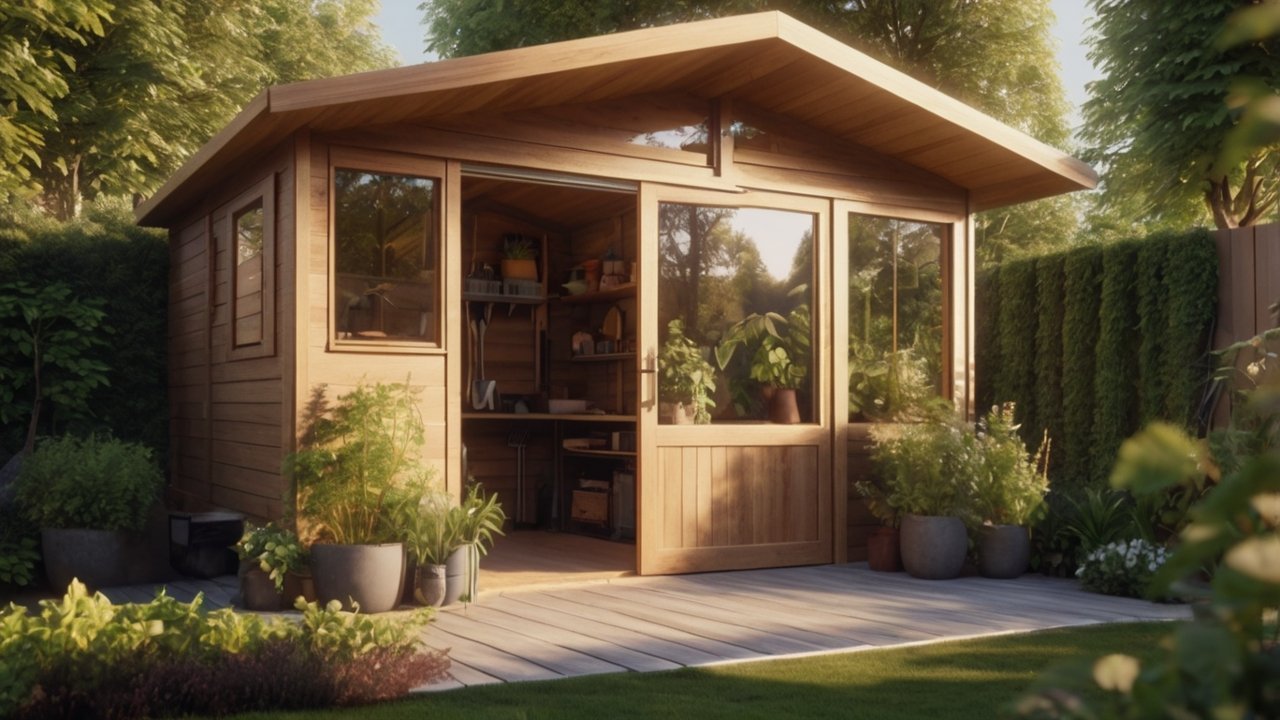
Chapter 7: Ignoring Weather Conditions – A Risky Shed Building Mistake Beginners Should Avoid
Weather might seem like a minor detail, but ignoring it is one of the most damaging shed building mistakes beginners can make. From unexpected rain to extreme heat, weather conditions can affect everything—from your materials to the overall stability of your shed.
How Weather Impacts Shed Building Mistakes
Building a shed outdoors means you’re constantly exposed to the elements. If you don’t plan for weather, you risk damaging materials before your shed is even complete.
Here’s how weather can cause problems:
- Rain: Warps wood and delays construction
- Humidity: Leads to swelling and mold growth
- Heat: Causes materials to expand or dry too quickly
- Wind: Makes installation unsafe and inaccurate
According to experts at The Weather Channel, even light rain can affect untreated wood within hours. This is why weather-related shed building mistakes are more common than many beginners realize.
Common Weather Mistakes Beginners Make
Many DIY builders underestimate how quickly weather can change. Here are some typical errors:
- Starting a project without checking the forecast
- Leaving materials exposed overnight
- Building during extreme heat or rain
- Skipping weatherproofing steps
For example, leaving plywood uncovered during a rainy night can ruin it completely—forcing you to repurchase materials.
If you’re exploring outdoor builds, it’s helpful to review guides like
outdoor woodworking projects
to better understand how weather impacts your work.
Best Practices to Avoid Weather-Related Shed Building Mistakes
Planning around weather is easier than you think. Follow these beginner-friendly tips:
1. Always Check the Weather Forecast
- Plan your build during a stretch of dry days
- Avoid starting before storms or heavy rain
2. Protect Your Materials
- Store wood in a dry, covered area
- Use tarps if working outdoors
3. Build in Ideal Conditions
- Mild temperatures (not too hot or cold)
- Low humidity when possible
4. Weatherproof as You Build
- Seal wood early
- Install roofing quickly to protect the structure
👉 Want a recommended tool that includes weather-smart building steps?
See how you can build your own shed with this step-by-step guide.
Building in Good vs Bad Weather (Pros & Cons)
Let’s compare how weather affects your project:
| Condition | Pros | Cons |
|---|---|---|
| Good Weather | Smooth workflow, better results | Requires planning |
| Bad Weather | None | Delays, material damage, safety risks |
The takeaway is simple: waiting for the right conditions is always the best solution.
Real-Life Example: Weather Mistake vs Smart Planning
Consider these two beginners:
- Builder A (Ignores Weather):
Starts before rain → materials get wet → wood warps → delays project - Builder B (Plans Ahead):
Checks forecast → builds in dry weather → materials stay intact → smooth progress
The difference? Just a bit of patience and preparation.
Expert Advice on Weather Awareness
Professionals from Bob Vila recommend treating weather as part of your building plan—not an afterthought.
They suggest:
- Monitoring forecasts daily during your build
- Scheduling tasks based on conditions (e.g., painting on dry days)
- Avoiding rushed work before storms
👉 Looking for affordable DIY plans that include weatherproofing tips?
Check out these affordable woodworking plans →
Quick Weather Checklist for Beginners
Before you start building, make sure:
- Forecast shows clear weather for several days
- Materials are stored in a dry place
- Tools are safe to use in current conditions
- You have tarps or covers ready if needed
Transition to Chapter 8
Now that you understand how weather conditions can impact your project, the next step is ensuring your shed’s structure is strong. In Chapter 8, we’ll explore how poor framing techniques can weaken your shed—and how to build a solid structure from the start.

Chapter 8: Poor Framing Techniques – A Structural Shed Building Mistake Beginners Must Avoid
When it comes to building a durable shed, framing is everything. One of the most serious shed building mistakes beginners make is using poor framing techniques. Even if your foundation is solid and materials are high-quality, weak framing can compromise the entire structure.
Why Poor Framing Leads to Shed Building Mistakes
Framing acts as the skeleton of your shed. It supports the walls, roof, and overall shape. If the frame isn’t built correctly, the shed can become unstable over time.
Common problems caused by poor framing include:
- Uneven or leaning walls
- Weak support for the roof
- Difficulty installing doors and windows
- Reduced structural lifespan
Experts from This Old House emphasize that proper framing ensures strength and safety in any construction project. This is why framing-related shed building mistakes should never be ignored.
Common Framing Mistakes Beginners Make
Many beginners rush through framing without understanding its importance. Here are the most frequent errors:
- Incorrect spacing between studs
- Using weak or warped wood
- Not securing joints properly
- Skipping diagonal bracing
For example, if studs are spaced unevenly, the wall may not support weight evenly—leading to long-term structural issues.
To strengthen your basics, you can explore
wood joinery techniques for DIY projects
which explains how to create strong and reliable connections.
Basic Framing Principles Every Beginner Should Follow
Avoiding shed building mistakes beginners often face starts with understanding a few key principles:
1. Use Standard Stud Spacing
- Typically 16 or 24 inches apart
- Ensures even weight distribution
2. Keep Everything Square and Level
- Use a carpenter’s square
- Check alignment frequently
3. Reinforce Corners and Joints
- Add extra support at stress points
- Use proper fasteners and brackets
4. Install Bracing for Stability
- Diagonal bracing prevents shifting
- Essential for windy areas
👉 Want a recommended tool system with proper framing layouts included?
See how you can build your own shed with this step-by-step guide.
Light Framing vs Reinforced Framing (Pros & Cons)
Choosing the right framing approach can make a big difference:
| Framing Type | Pros | Cons |
|---|---|---|
| Light Framing | Uses fewer materials, faster build | Less durable, weaker structure |
| Reinforced Framing | Stronger, more stable, long-lasting | Slightly higher cost and effort |
For beginners, reinforced framing is often the best solution. It provides extra durability and reduces the risk of future repairs.
Real-Life Example: Weak Frame vs Strong Frame
Let’s compare two scenarios:
- Builder A (Poor Framing):
Uses uneven spacing → skips bracing → walls start leaning → costly repairs - Builder B (Proper Framing):
Follows standard spacing → reinforces joints → installs bracing → solid, stable shed
The difference is clear—strong framing prevents major shed building mistakes later.
Expert Tips for Better Framing Results
Professionals from Fine Homebuilding recommend these simple but effective practices:
- Always inspect wood for straightness before use
- Assemble frames on a flat surface
- Nail or screw joints securely (don’t rely on a single fastener)
- Double-check alignment before moving to the next step
These habits can significantly improve your build quality.
Quick Framing Checklist for Beginners
Before moving forward, make sure:
- Stud spacing is consistent
- All joints are tightly secured
- Frame is square and level
- Bracing is installed where needed
Smart Tip: Follow a Proven Framing Plan
Framing mistakes often happen when beginners try to “figure it out” themselves. Using a structured plan can eliminate most guesswork.
👉 Looking for affordable DIY plans with framing layouts included?
Check out these affordable woodworking plans →
Transition to Chapter 9
Now that your shed frame is strong and secure, the next step is protecting it from above. In Chapter 9, we’ll explore how improper roof installation can lead to leaks, damage, and long-term problems—and how to avoid these common mistakes.
Chapter 9: Improper Roof Installation – A Costly Shed Building Mistake Beginners Must Avoid
A shed might look complete once the walls are up, but without a properly installed roof, the entire structure is at risk. One of the most damaging shed building mistakes beginners make is poor roof installation. A weak or poorly sealed roof can lead to leaks, mold, and long-term structural damage.
Why Roof Installation Matters in Shed Building Mistakes
Your shed’s roof is its first line of defense against the elements. If it’s not installed correctly, even light rain can cause serious issues.
Here’s what can go wrong:
- Water leaks damaging the interior
- Mold and mildew buildup
- Wood rot and structural weakening
- Increased maintenance costs
Experts from The Spruce highlight that roofing errors are among the most common causes of DIY structure failure. That’s why avoiding roofing-related shed building mistakes is essential.
Common Roofing Mistakes Beginners Make
Roofing may seem straightforward, but many beginners overlook key details. Watch out for these frequent mistakes:
- Incorrect roof angle (pitch)
- Poor shingle alignment
- Skipping underlayment or waterproof layers
- Using low-quality roofing materials
For example, installing shingles without proper overlap can allow water to seep through during rainstorms.
If you’re still learning the basics, reviewing related guides like
outdoor woodworking projects
can help you understand how outdoor elements affect construction.
Types of Shed Roofs (Pros vs Cons)
Choosing the right roof design is just as important as installing it properly. Here’s a simple comparison:
| Roof Type | Pros | Cons |
|---|---|---|
| Flat Roof | Easy to build, low cost | Poor drainage, higher leak risk |
| Gable Roof | Good drainage, classic look | Slightly more complex |
| Sloped (Lean-To) | Simple and effective drainage | Limited attic space |
For beginners, a sloped or gable roof is often the best solution because it naturally directs water away from the shed.
Step-by-Step Tips for Proper Roof Installation
Avoiding shed building mistakes beginners often make is easier when you follow a structured approach:
1. Choose the Right Roof Pitch
- Ensure proper slope for water runoff
- Avoid flat designs unless properly sealed
2. Install Underlayment
- Use waterproof membrane or roofing felt
- Adds an extra layer of protection
3. Align Shingles Correctly
- Start from the bottom and work upward
- Overlap each row properly
4. Secure All Edges and Joints
- Use flashing where needed
- Seal gaps to prevent leaks
👉 Want a recommended tool system with roofing guidance included?
See how you can build your own shed with this step-by-step guide.
Cheap Roofing vs Quality Roofing (Pros & Cons)
Let’s compare your options:
| Roofing Choice | Pros | Cons |
|---|---|---|
| Cheap Materials | Lower upfront cost | Short lifespan, leak risk |
| Quality Roofing | Durable, weather-resistant | Higher initial investment |
As with other parts of your shed, investing in better materials reduces long-term problems.
Real-Life Example: Poor Roof vs Proper Roof
- Builder A (Improper Installation):
Skips underlayment → installs uneven shingles → roof leaks during rain → interior damage - Builder B (Proper Installation):
Uses waterproof layer → aligns shingles correctly → seals edges → dry and durable shed
The difference is clear—attention to detail prevents major shed building mistakes.
Expert Tips for Long-Lasting Roofing
Professionals from Bob Vila recommend:
- Inspecting roofing materials before installation
- Working in dry weather conditions
- Double-checking alignment after each row
- Using proper safety equipment when working at height
👉 Looking for affordable DIY plans with roofing layouts included?
Check out these affordable woodworking plans →
Quick Roofing Checklist for Beginners
Before finishing your roof, make sure:
- Roof pitch allows proper drainage
- Underlayment is installed correctly
- Shingles are aligned and overlapped
- All edges are sealed and secured
Transition to Chapter 10
Now that your shed is protected from above, the next step is ensuring proper airflow inside. In Chapter 10, we’ll explore how lack of ventilation can lead to moisture problems—and how to keep your shed dry and well-maintained.
Chapter 10: Lack of Ventilation – A Silent Shed Building Mistake Beginners Often Ignore
Ventilation might not be the first thing on your mind when building a shed, but ignoring it is one of the most overlooked shed building mistakes beginners make. Without proper airflow, your shed can quickly become a damp, mold-prone space that damages tools, materials, and even the structure itself.
Why Poor Ventilation Leads to Shed Building Mistakes
A shed without ventilation traps heat and moisture inside. Over time, this creates the perfect environment for mold, mildew, and wood rot.
Here’s what can happen when ventilation is ignored:
- Moisture buildup inside the shed
- Mold growth on walls and stored items
- Warping or rotting wood
- Unpleasant odors and poor air quality
According to experts at Energy.gov, proper ventilation is essential for controlling moisture in enclosed spaces. This is why ventilation-related shed building mistakes can lead to long-term damage.
Common Ventilation Mistakes Beginners Make
Many beginners assume small gaps or cracks are enough for airflow—but that’s rarely the case.
Watch out for these common errors:
- Building a completely sealed shed
- Not installing vents or windows
- Placing the shed in a poorly ventilated area
- Ignoring airflow direction
For example, a tightly sealed shed may keep rain out—but it also traps humidity inside, leading to condensation on walls and tools.
If you’re exploring more outdoor builds, guides like
outdoor woodworking projects
highlight how airflow affects durability.
Best Ventilation Solutions for Beginner Shed Builders
Avoiding these shed building mistakes beginners often make is simple when you follow proven ventilation strategies:
1. Install Air Vents
- Place vents on opposite walls for cross-ventilation
- Position them near the roof to release hot air
2. Add Windows (If Possible)
- Improves natural airflow and lighting
- Helps regulate temperature
3. Leave Small Gaps Strategically
- Under eaves or roof edges
- Allows air to circulate without letting water in
4. Use Vent Covers or Screens
- Prevent insects from entering
- Maintain airflow safely
👉 Want a recommended tool system that includes ventilation planning?
See how you can build your own shed with this step-by-step guide.
Ventilated vs Non-Ventilated Shed (Pros & Cons)
Let’s compare the impact of ventilation:
| Shed Type | Pros | Cons |
|---|---|---|
| Ventilated Shed | Dry interior, longer lifespan, better air quality | Slightly more planning required |
| Non-Ventilated Shed | Easier to build initially | Moisture buildup, mold risk, damage over time |
Clearly, proper ventilation is the best solution for maintaining your shed.
Real-Life Example: No Ventilation vs Proper Airflow
- Builder A (No Ventilation):
Builds sealed shed → moisture accumulates → tools rust → mold appears - Builder B (Proper Ventilation):
Installs vents → air circulates → interior stays dry → tools stay protected
The difference? Just a few simple additions during construction.
Expert Tips for Better Shed Ventilation
Professionals from Bob Vila recommend:
- Installing at least two vents for cross airflow
- Positioning vents high to release hot air
- Checking ventilation regularly after construction
👉 Looking for affordable DIY plans that include ventilation layouts?
Check out these affordable woodworking plans →
Quick Ventilation Checklist for Beginners
Before finishing your shed, make sure:
- Air vents are installed on opposite sides
- Openings allow airflow without letting water in
- Shed placement supports natural ventilation
- Interior feels dry and well-ventilated
Transition to Chapter 11
Now that your shed has proper airflow, the next step is controlling temperature. In Chapter 11, we’ll explore how skipping insulation can lead to extreme heat or cold—and how to make your shed more comfortable and functional.
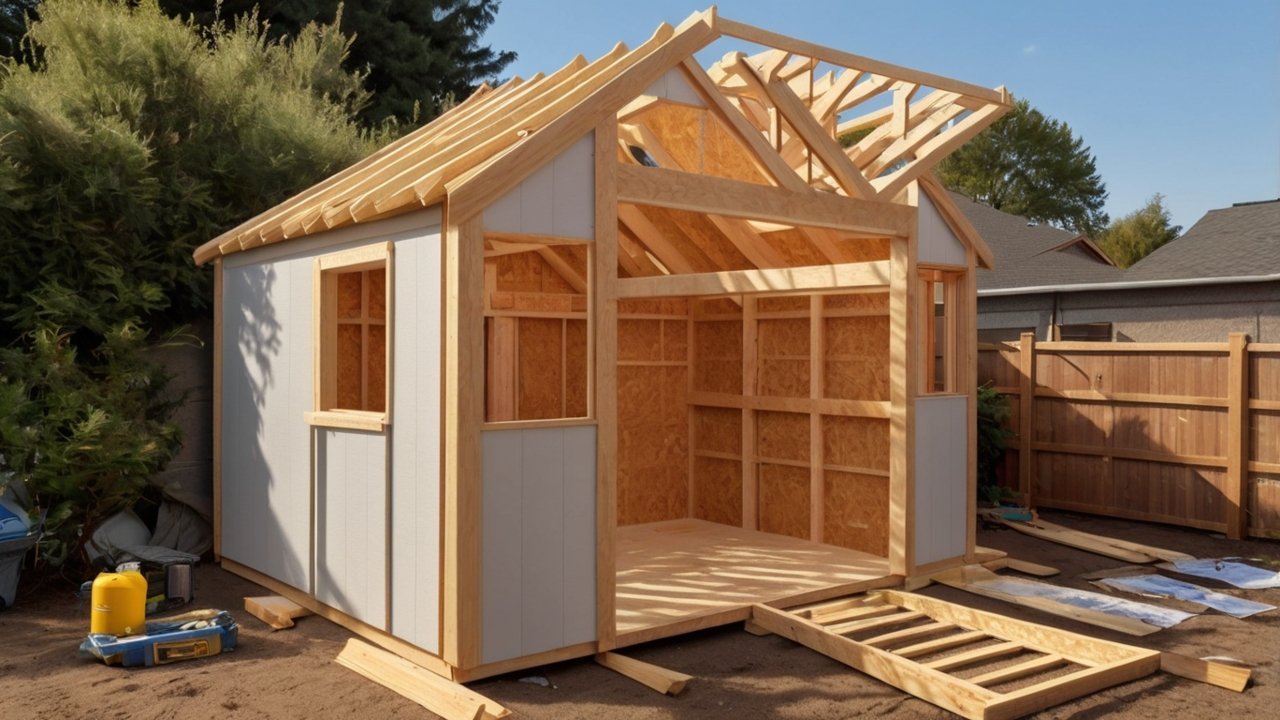
Chapter 11: Skipping Insulation – A Costly Shed Building Mistake Beginners Overlook
When building a shed, many beginners focus on structure and appearance—but forget about insulation. This is one of the most common shed building mistakes beginners make, especially if they plan to use the shed beyond simple storage. Without insulation, your shed can become unbearably hot in summer and freezing in colder months.
Why Skipping Insulation Leads to Shed Building Mistakes
Insulation plays a key role in regulating temperature and protecting your shed’s interior. Without it, your shed is fully exposed to external weather conditions.
Here’s what can happen:
- Extreme heat buildup during the day
- Cold and damp conditions at night
- Condensation forming inside walls
- Damage to stored tools and materials
According to Energy.gov, proper insulation helps maintain stable indoor conditions and prevents moisture-related issues. This makes insulation a crucial factor in avoiding long-term shed building mistakes.
Common Insulation Mistakes Beginners Make
Even when beginners consider insulation, they often make these errors:
- Skipping insulation entirely to save money
- Using the wrong insulation type
- Not sealing gaps properly
- Ignoring moisture barriers
For example, installing insulation without sealing air gaps can reduce its effectiveness and allow moisture to seep in.
If you’re still learning, reviewing guides like
types of wood for every project
can help you understand how materials interact with temperature and moisture.
Types of Shed Insulation (Pros vs Cons)
Choosing the right insulation depends on your shed’s purpose. Here’s a simple comparison:
| Insulation Type | Pros | Cons |
|---|---|---|
| Fiberglass Batts | Affordable, easy to install | Requires proper sealing |
| Foam Boards | High insulation value, moisture-resistant | Higher cost |
| Spray Foam | Excellent coverage, seals gaps | Expensive, needs careful application |
For beginners, foam boards are often the best solution because they’re easier to handle and provide good protection against moisture.
When Do You Actually Need Insulation?
Not every shed requires insulation. It depends on how you plan to use it:
- Storage Shed:
Minimal insulation may be enough - Workshop or Office:
Insulation is highly recommended - Garden Shed:
Optional, depending on climate
If you plan to spend time inside your shed, insulation becomes essential—not optional.
👉 Want a recommended tool system that includes insulation planning?
See how you can build your own shed with this step-by-step guide.
DIY Insulation vs No Insulation (Pros & Cons)
Let’s compare the impact:
| Option | Pros | Cons |
|---|---|---|
| Insulated Shed | Comfortable, protects tools, reduces moisture | Slightly higher cost |
| Non-Insulated Shed | Lower upfront cost | Temperature extremes, potential damage |
For most beginners, adding insulation is a smart long-term investment.
Real-Life Example: Insulated vs Non-Insulated Shed
- Builder A (No Insulation):
Shed overheats → tools degrade → uncomfortable workspace - Builder B (With Insulation):
Stable temperature → tools protected → usable year-round
The difference is especially noticeable if you use your shed frequently.
Expert Tips for Proper Insulation
Professionals from This Old House recommend:
- Installing insulation after framing but before interior panels
- Using vapor barriers to prevent moisture buildup
- Sealing all gaps and joints carefully
- Combining insulation with proper ventilation
👉 Looking for affordable DIY plans with insulation guidance?
Check out these affordable woodworking plans →
Quick Insulation Checklist for Beginners
Before finishing your shed, make sure:
- Insulation type matches your needs
- All gaps and seams are sealed
- Moisture barrier is installed (if needed)
- Ventilation works alongside insulation
Transition to Chapter 12
Now that your shed is comfortable and protected from temperature extremes, the next step is using the right tools. In Chapter 12, we’ll explore how using the wrong tools can slow down your project—and lead to unnecessary mistakes.

Chapter 12: Using the Wrong Tools – A Frustrating Shed Building Mistake Beginners Must Avoid
Using the wrong tools might not seem like a big deal at first, but it’s one of the most common shed building mistakes beginners make. The right tools don’t just make your work easier—they ensure accuracy, safety, and better overall results. Without them, even simple tasks can become time-consuming and error-prone.
Why the Wrong Tools Lead to Shed Building Mistakes
Many beginners try to “make do” with whatever tools they have. While this might work for small projects, shed building requires precision and efficiency.
Here’s what can go wrong when using the wrong tools:
- Inaccurate cuts and measurements
- Loose or unstable joints
- Increased risk of injury
- Slower progress and frustration
According to Fine Woodworking, using proper tools is essential for both safety and quality in woodworking. This is why tool-related shed building mistakes can significantly affect your project outcome.
Common Tool Mistakes Beginners Make
Even with good intentions, beginners often fall into these traps:
- Using dull or worn-out tools
- Choosing the wrong type of saw or drill
- Skipping essential tools like levels or squares
- Improvising instead of using the correct equipment
For example, trying to cut thick wood with a basic handsaw can lead to uneven edges and wasted materials.
If you’re new to DIY, it’s helpful to explore guides like
setup woodworking shop layouts and essential tools
to understand what tools you truly need.
Essential Tools Every Beginner Shed Builder Needs
Avoiding shed building mistakes beginners often face starts with having the right tools on hand.
Here’s a simple list of must-haves:
- Measuring Tape – for accurate dimensions
- Circular Saw or Handsaw – for cutting wood
- Power Drill – for fast and secure assembly
- Spirit Level – to ensure alignment
- Hammer – for basic fastening
- Carpenter’s Square – for precise angles
Investing in these tools doesn’t have to break the bank—but it will greatly improve your results.
👉 Want a recommended tool system that includes everything you need?
See how you can build your own shed with this step-by-step guide.
Basic Tools vs Professional Tools (Pros & Cons)
Let’s compare your options:
| Tool Type | Pros | Cons |
|---|---|---|
| Basic Tools | Affordable, easy to use | Slower, less precise |
| Professional Tools | Faster, more accurate, durable | Higher upfront cost |
For beginners, starting with quality basic tools is usually the best solution. You can upgrade later as your skills improve.
Real-Life Example: Wrong Tools vs Right Tools
- Builder A (Wrong Tools):
Uses dull saw → uneven cuts → pieces don’t fit → wastes materials - Builder B (Right Tools):
Uses proper saw and drill → clean cuts → perfect fit → smooth assembly
The difference? Efficiency, accuracy, and confidence.
Expert Tips for Choosing the Right Tools
Professionals from Popular Mechanics recommend:
- Buying tools based on project needs—not impulse
- Keeping tools clean and well-maintained
- Investing in multi-purpose tools for versatility
- Prioritizing safety equipment (gloves, goggles)
👉 Looking for affordable DIY plans that include tool lists?
Check out these affordable woodworking plans →
Quick Tool Checklist for Beginners
Before starting your build, make sure:
- Tools are in good working condition
- You have all essential equipment ready
- Safety gear is available
- Tools match the tasks required
Transition to Chapter 13
Now that you’re equipped with the right tools, the next challenge is managing your time. In Chapter 13, we’ll explore how rushing your shed project can lead to avoidable mistakes—and how to stay patient for better results.
Chapter 13: Rushing the Project – A Costly Shed Building Mistake Beginners Should Avoid
It’s natural to feel excited when building your first shed—but rushing the process is one of the most common shed building mistakes beginners make. While it’s tempting to finish quickly, speeding through steps often leads to poor workmanship, safety risks, and costly repairs.
Why Rushing Leads to Shed Building Mistakes
Building a shed requires patience and attention to detail. When you rush, you’re more likely to skip important steps or overlook small errors that turn into bigger problems later.
Here’s what rushing can cause:
- Misaligned structures and uneven framing
- Weak joints and loose fasteners
- Increased material waste
- Higher risk of accidents
Experts from This Old House emphasize that taking your time ensures accuracy and long-term durability. This is why rushing is a major contributor to shed building mistakes.
Common Signs You’re Rushing Your Shed Project
Many beginners don’t realize they’re rushing until problems appear. Watch for these warning signs:
- Skipping measurements or double-checks
- Ignoring instructions or plans
- Working when tired or distracted
- Trying to finish everything in one day
For example, rushing to complete roofing before sunset might lead to poor sealing—resulting in leaks later.
If you’re still building confidence, it helps to start with smaller builds like
simple woodworking projects for beginners
before committing to a full shed.
How to Avoid Rushing and Build Smarter
Avoiding these shed building mistakes beginners often make is all about planning your time properly.
1. Set a Realistic Timeline
- Break the project into smaller tasks
- Allow extra time for unexpected delays
2. Focus on One Step at a Time
- Complete each stage fully before moving on
- Don’t multitask during critical steps
3. Take Breaks When Needed
- Avoid working when tired
- Stay focused and alert
4. Follow a Step-by-Step Plan
- Stick to proven instructions
- Avoid guessing or improvising
👉 Want a recommended tool system to keep your project on track?
See how you can build your own shed with this step-by-step guide.
Rushed Build vs Planned Build (Pros & Cons)
Let’s compare the outcomes:
| Approach | Pros | Cons |
|---|---|---|
| Rushed Build | Faster completion (initially) | More mistakes, repairs, safety risks |
| Planned Build | Higher quality, fewer errors | Takes more time |
While rushing may seem faster, a planned approach is clearly the best solution for long-term success.
Real-Life Example: Rushing vs Patience
- Builder A (Rushing):
Skips steps → makes measurement errors → rebuilds sections → project takes longer overall - Builder B (Patient Approach):
Follows steps carefully → avoids mistakes → completes project smoothly
Ironically, rushing often makes the project take longer—not shorter.
Expert Tips for Better Time Management
Professionals from Family Handyman recommend:
- Creating a checklist before starting
- Prioritizing quality over speed
- Scheduling work during daylight hours
- Reviewing each step before moving forward
👉 Looking for affordable DIY plans that keep your build organized?
Check out these affordable woodworking plans →
Quick Time Management Checklist
Before continuing your build, make sure:
- You have a clear step-by-step plan
- Tasks are broken into manageable steps
- You’re not rushing to meet unrealistic deadlines
- You’re working in a safe and focused environment
Transition to Chapter 14
Now that you understand the importance of patience, the next step is ensuring proper installation of key components. In Chapter 14, we’ll explore how poor door and window installation can affect both functionality and durability—and how to get it right the first time.
Chapter 14: Poor Door and Window Installation – A Functional Shed Building Mistake Beginners Must Avoid
Doors and windows might seem like finishing touches, but installing them incorrectly is one of the most frustrating shed building mistakes beginners make. Poor installation can affect not only the look of your shed but also its usability, security, and weather resistance.
Why Improper Installation Leads to Shed Building Mistakes
Doors and windows are moving parts—they need precise alignment to function properly. When installed incorrectly, they can cause ongoing issues that are difficult to fix later.
Here’s what can go wrong:
- Doors that won’t close or latch properly
- Gaps that allow water, wind, or pests inside
- Misaligned windows that reduce ventilation
- Increased wear and tear over time
Experts from Bob Vila emphasize that proper installation ensures both durability and energy efficiency. This is why door and window errors are common shed building mistakes that beginners regret.
Common Door and Window Mistakes Beginners Make
Many beginners underestimate the precision required for these installations. Watch out for these common issues:
- Incorrect frame measurements
- Not checking level and alignment
- Skipping proper sealing
- Using weak or incorrect hinges
For example, even a slightly uneven door frame can cause the door to stick or leave gaps, especially as the wood expands and contracts with weather changes.
If you’re still learning the basics, reviewing guides like
wood joints explained for beginners
can help you understand how to create strong and precise fittings.
Step-by-Step Guide to Proper Installation
Avoiding these shed building mistakes beginners often make is easier when you follow a clear process:
1. Measure Openings Accurately
- Double-check width and height
- Allow slight clearance for movement
2. Ensure Frames Are Level and Square
- Use a spirit level and carpenter’s square
- Adjust before securing permanently
3. Install Hinges and Fasteners Properly
- Use strong, rust-resistant hinges
- Secure tightly but avoid over-tightening
4. Seal All Edges
- Apply weatherproof sealant
- Prevent water and air leaks
👉 Want a recommended tool system that includes precise installation guidance?
See how you can build your own shed with this step-by-step guide.
DIY Installation vs Pre-Made Kits (Pros & Cons)
Choosing how to install doors and windows can impact your results:
| Option | Pros | Cons |
|---|---|---|
| DIY Installation | Custom fit, lower cost | Requires precision, higher error risk |
| Pre-Made Kits | Easier installation, better alignment | Less customization |
For beginners, pre-made kits are often the best solution because they reduce alignment issues and save time.
Real-Life Example: Poor Installation vs Proper Fit
- Builder A (Poor Installation):
Installs door unevenly → door sticks → gaps appear → water enters shed - Builder B (Proper Installation):
Measures carefully → aligns frame → seals edges → smooth operation
The difference? Attention to detail during installation.
Expert Tips for Better Results
Professionals from The Family Handyman recommend:
- Installing doors and windows after the structure is fully stable
- Testing movement before finalizing installation
- Using weather stripping for better sealing
- Rechecking alignment after installation
👉 Looking for affordable DIY plans with door and window layouts?
Check out these affordable woodworking plans →
Quick Installation Checklist for Beginners
Before finishing this step, make sure:
- Frames are square and level
- Doors open and close smoothly
- Windows are properly aligned
- All edges are sealed against weather
Transition to Chapter 15
Now that your shed is fully functional, the final step is making it visually appealing. In Chapter 15, we’ll explore how ignoring aesthetic design can impact your shed’s overall look—and how to create a structure that complements your backyard beautifully.

Chapter 15: Ignoring Aesthetic Design – A Subtle Shed Building Mistake Beginners Shouldn’t Overlook
After completing the structure, many beginners think the job is done—but ignoring design is one of the most underrated shed building mistakes beginners make. While your shed may be functional, poor aesthetics can make it look out of place and reduce the overall appeal of your backyard.
Why Aesthetic Design Matters in Shed Building Mistakes
A shed isn’t just a storage space—it’s part of your outdoor environment. A poorly designed shed can clash with your home and reduce your property’s visual value.
Here’s what happens when design is ignored:
- Shed looks mismatched with your home
- Reduces overall backyard appeal
- Missed opportunity for added functionality
- Lower perceived value of your property
Experts from Better Homes & Gardens emphasize that outdoor structures should complement existing design elements. This is why aesthetic-related shed building mistakes shouldn’t be overlooked.
Common Design Mistakes Beginners Make
Many beginners focus only on function and forget about appearance. Watch out for these common issues:
- Choosing mismatched colors
- Ignoring roof style consistency
- Using random materials without a theme
- Skipping finishing touches like paint or trim
For example, a shed with bright, clashing colors can stand out in a negative way instead of blending naturally with your backyard.
To get inspiration, you can explore creative ideas like
cheap shed ideas for small backyards
How to Design a Shed That Looks Great and Functions Well
Avoiding these shed building mistakes beginners often make is easier when you follow a few simple design principles:
1. Match Your Home’s Style
- Use similar colors and materials
- Keep the design consistent with your house
2. Choose a Complementary Roof Design
- Match roof pitch and style
- Maintain visual harmony
3. Add Functional Aesthetic Features
- Windows for natural light
- Shelves and hooks for organization
4. Apply Finishes and Paint
- Protect wood from weather
- Enhance visual appeal
👉 Want a recommended tool system with design ideas included?
See how you can build your own shed with this step-by-step guide.
Basic Design vs Styled Shed (Pros & Cons)
Let’s compare the impact of design choices:
| Design Type | Pros | Cons |
|---|---|---|
| Basic Shed | Quick build, lower cost | Less attractive, lower value |
| Styled Shed | Visually appealing, adds property value | Slightly more time and effort |
For most beginners, adding simple design elements is the best solution to improve both appearance and usability.
Real-Life Example: Plain vs Styled Shed
- Builder A (No Design Focus):
Builds plain shed → no paint or trim → looks unfinished → blends poorly - Builder B (Design-Focused):
Matches colors → adds trim and windows → visually appealing → enhances backyard
The difference? Just a bit of extra effort at the end.
Expert Tips for Better Shed Design
Professionals from HGTV recommend:
- Using neutral colors for timeless appeal
- Adding small decorative features like shutters
- Keeping design simple but consistent
- Planning aesthetics during the early stages
👉 Looking for affordable DIY plans with design inspiration?
Check out these affordable woodworking plans →
Quick Design Checklist for Beginners
Before finishing your shed, make sure:
- Colors match your home or backyard theme
- Roof style complements existing structures
- Paint or finish is applied properly
- Functional design elements are included
Final Transition – Moving Toward Completion
You’ve now covered the most common shed building mistakes beginners make—from planning and foundation to design and finishing touches. In the next section, we’ll wrap everything up with key takeaways and practical tips to help you build your shed with confidence and success.
Chapter 16: Not Following a Step-by-Step Guide – The Final Shed Building Mistake Beginners Make
After going through all the major pitfalls, there’s one mistake that ties them all together—not following a proper guide. This is one of the most preventable yet impactful shed building mistakes beginners make. Without clear instructions, even simple steps can become confusing, leading to errors that could have easily been avoided.
Why Skipping a Guide Leads to Shed Building Mistakes
Building a shed involves multiple stages—planning, measuring, framing, roofing, and finishing. Trying to manage all of these without a structured guide is like assembling furniture without instructions.
Here’s what can go wrong:
- Missing important steps in construction
- Incorrect order of tasks
- Increased risk of structural errors
- Wasted time and materials
Experts from Instructables highlight that step-by-step guides significantly improve success rates for beginners. This is why skipping guidance often leads to repeated shed building mistakes.
Common Mistakes When Not Using a Guide
Beginners who avoid structured plans often face these issues:
- Guessing measurements and layouts
- Skipping essential steps like sealing or leveling
- Using incorrect materials or tools
- Struggling with complex parts like roofing or framing
For example, building walls before confirming the foundation is level can create alignment problems that affect the entire structure.
If you want a reliable starting point, check out this detailed resource:
build a small shed step-by-step
Benefits of Following a Step-by-Step Shed Plan
Using a structured guide is the best solution to avoid most shed building mistakes beginners encounter.
Here’s why:
- Clear instructions reduce confusion
- Pre-calculated measurements improve accuracy
- Material lists prevent shortages
- Logical workflow ensures smooth progress
Instead of figuring things out as you go, a guide gives you a proven roadmap to follow.
DIY Without Guide vs Using a Plan (Pros & Cons)
Let’s compare the two approaches:
| Approach | Pros | Cons |
|---|---|---|
| No Guide (Trial & Error) | Full flexibility | High risk of mistakes, time-consuming |
| Step-by-Step Plan | Easy to follow, beginner-friendly, efficient | Less creative freedom |
For beginners, using a plan is almost always the smarter choice.
Real-Life Example: Guesswork vs Guided Build
- Builder A (No Guide):
Builds without instructions → makes multiple mistakes → restarts sections → delays project - Builder B (With Guide):
Follows structured plan → avoids errors → completes shed efficiently
The result? Builder B saves both time and money.
Expert Tips for Choosing the Right Guide
Professionals from Family Handyman recommend selecting guides that include:
- Step-by-step instructions with visuals
- Clear material and tool lists
- Beginner-friendly explanations
- Proven designs tested by experts
👉 Want a recommended tool system that simplifies everything?
See how you can build your own shed with this step-by-step guide.
Quick Checklist: Choosing the Right Shed Guide
Before starting your project, make sure your guide includes:
- Detailed step-by-step instructions
- Accurate measurements and diagrams
- Complete material list
- Tips for avoiding common mistakes
👉 Looking for affordable DIY plans with everything included?
Check out these affordable woodworking plans →
Final Transition – Wrapping It All Together
You’ve now explored all the major shed building mistakes beginners make—and how to avoid them. From planning and materials to tools and design, each step plays a crucial role in your success.
In the final section, we’ll bring everything together with key takeaways, frequently asked questions, and an important affiliate disclosure to help you move forward with confidence.

Chapter 17: Conclusion, FAQs & Affiliate Disclosure – Build Smarter and Avoid Shed Building Mistakes
Building your first shed doesn’t have to be overwhelming. As you’ve seen throughout this guide, most shed building mistakes beginners make are completely avoidable with the right knowledge, tools, and planning. From choosing the right location to ensuring proper ventilation and following a structured guide, every step plays a role in your success.
Key Takeaways to Avoid Shed Building Mistakes
Before you start your project, keep these essential lessons in mind:
- Plan everything in advance – never skip the design phase
- Choose the right materials and tools for durability
- Focus on accuracy – measurements and alignment matter
- Don’t rush the process – patience leads to better results
- Follow a step-by-step guide to reduce errors
By applying these principles, you’ll not only avoid common shed building mistakes but also enjoy a smoother and more rewarding DIY experience.
👉 Ready to get started with confidence?
See how you can build your own shed with this step-by-step guide.
Frequently Asked Questions (FAQs)
1. What is the most common shed building mistake beginners make?
The most common mistake is skipping proper planning. Without a clear plan, errors in measurements, materials, and structure are more likely.
2. Do I really need a foundation for a small shed?
Yes, even small sheds require a stable foundation. It prevents shifting, water damage, and structural issues over time.
3. What type of wood is best for building a shed?
Pressure-treated wood is ideal for outdoor use because it resists moisture, insects, and decay.
4. How long does it take to build a shed for beginners?
It depends on the size and complexity, but most beginner projects take anywhere from a few days to a couple of weeks.
5. Can I build a shed without professional experience?
Absolutely! With the right tools, materials, and a step-by-step guide, beginners can successfully build a durable shed.
6. Is it cheaper to build or buy a shed?
Building a shed is usually more cost-effective and allows customization, but it requires time and effort.
👉 Want affordable DIY plans to simplify your project?
Check out these affordable woodworking plans →
Affiliate Disclosure
This article may contain affiliate links. This means we may earn a small commission if you purchase through these links—at no additional cost to you. These commissions help support our content and allow us to continue providing helpful, beginner-friendly DIY guides.
We only recommend tools, plans, and resources that are practical, reliable, and suitable for beginners. Always do your own research to ensure the products meet your specific needs.
Final Thoughts
Avoiding shed building mistakes beginners commonly face is all about preparation, patience, and using the right resources. With the knowledge you’ve gained here, you’re now ready to build a shed that is not only functional but also durable and visually appealing.
Take your time, follow proven steps, and enjoy the process—your perfect shed is just a project away.