Water Based vs Oil Based Polyurethane: Which Should You Use?
Choosing between water based vs oil based polyurethane can feel confusing when both products promise a durable, attractive wood finish. The right choice depends on the look you want, how quickly you need to finish the project, and where you plan to apply it.
Water based polyurethane dries quickly, produces less odor, and usually stays clear, making it a practical option for light-colored woods and indoor projects. Oil based polyurethane takes longer to dry and requires stronger ventilation, but it adds a warm amber tone that can enhance stained furniture and darker wood.
If you are new to wood finishing, factors such as application time, cleanup, durability, and color change can make the decision seem more complicated than expected. The good news is that neither option is automatically better for every situation. Each has clear advantages and a few trade-offs worth understanding before you open the can.
In this guide, you will learn how these finishes compare and which type is better suited to your furniture, flooring, cabinets, or next DIY woodworking project.
Water Based vs Oil Based Polyurethane: The Quick Answer
Choosing between water based vs oil based polyurethane depends on the appearance you want, the time available for finishing, and the conditions in your workspace.
Choose water-based polyurethane when you want a clear finish, faster recoating, easier cleanup, and less lingering odor. It is especially useful for light-colored wood, painted surfaces, and indoor projects with a limited completion schedule.
Choose oil-based polyurethane when you want to add a warm amber tone, need more working time, or are finishing dark wood and traditionally styled furniture. It dries more slowly and produces stronger fumes, but the longer open time can make large surfaces easier to coat evenly.
Neither option is automatically best for every project. The specific product, surface preparation, application technique, and curing conditions all influence the final result.
Water Based vs Oil Based Polyurethane: Choose Water-Based When…
Water-based polyurethane generally dries clear, making it a good match for maple, birch, ash, white oak, and other pale woods. It helps preserve the original color rather than adding a noticeable amber cast.
Consider water-based polyurethane when:
-
You want the wood to remain close to its natural color.
-
You are protecting white or light-painted surfaces.
-
You need shorter intervals between coats.
-
You prefer cleaning applicators with soap and water.
-
Lingering solvent odor is a concern.
-
You are finishing cabinets, trim, shelves, or modern furniture.
Water-based products dry quickly, but this advantage also creates a challenge. Once the finish begins setting, repeatedly brushing the same area can leave ridges, bubbles, or lap marks.
Prepare everything before opening the container. Use strong side lighting, apply thin coats, and maintain a wet edge. Do not assume the surface is ready for another coat simply because it feels dry. Always follow the manufacturer’s stated recoating time.
Water Based vs Oil Based Polyurethane: Choose Oil-Based When…
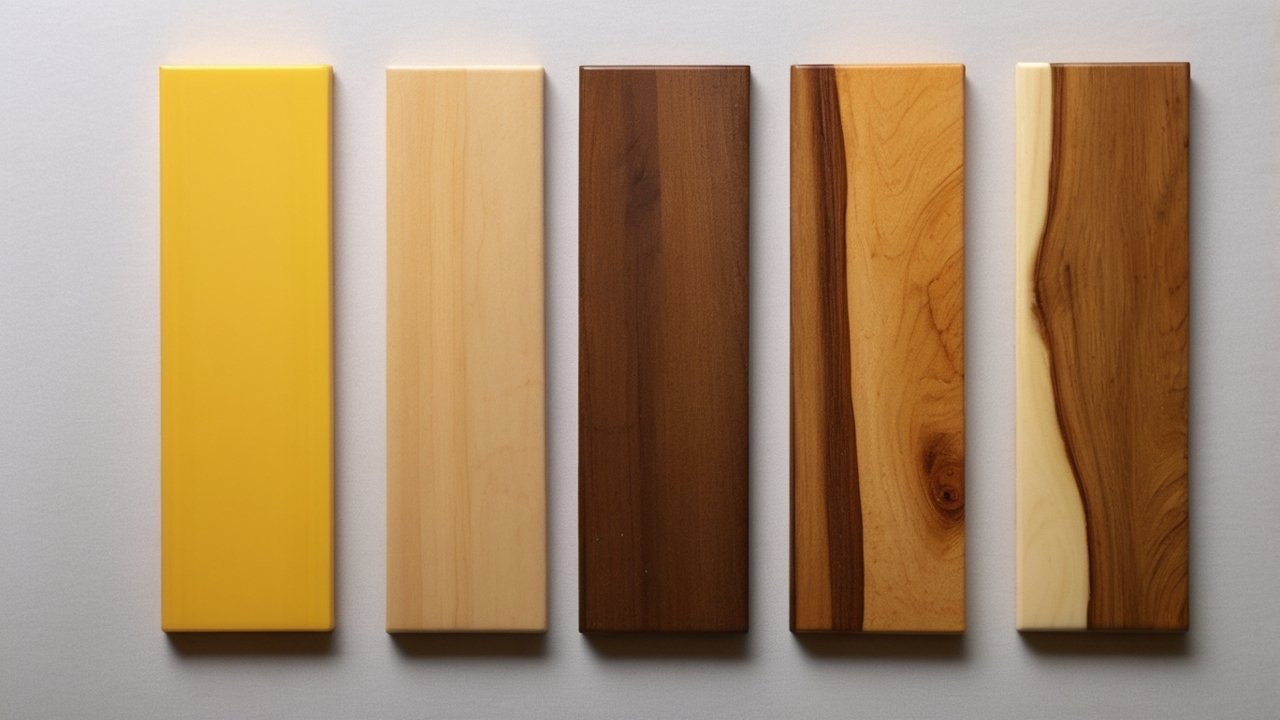
Oil-based polyurethane adds an amber tone that can enrich walnut, cherry, mahogany, red oak, and warm-colored stains. This color shift often complements traditional furniture but may be undesirable on pale wood or white paint.
Consider oil-based polyurethane when:
-
You want a warmer, richer-looking finish.
-
The project uses dark wood or a warm stain.
-
You need additional working time during application.
-
Your schedule allows longer drying and curing.
-
You can provide adequate ventilation.
-
You are prepared for solvent-based cleanup.
The longer working time can help when coating tabletops, doors, and broad cabinet panels. However, slow drying also leaves the wet surface exposed to dust for longer.
Clean the workspace before starting and avoid sanding or sweeping nearby while the coating dries. Apply thin, controlled coats rather than one heavy layer. Thick polyurethane can sag, collect around edges, trap bubbles, and remain soft beneath the surface.
Water Based vs Oil Based Polyurethane: Quick Comparison
| Factor | Water-Based Polyurethane | Oil-Based Polyurethane |
|---|---|---|
| Final color | Generally clear | Warm amber tone |
| Best visual use | Pale wood and modern finishes | Dark wood and traditional finishes |
| Drying time | Usually faster | Usually slower |
| Working time | Shorter | Longer |
| Odor | Lower but still requires ventilation | Stronger and longer-lasting |
| Cleanup | Often soap and water | Manufacturer-specified solvent |
| Common challenge | Lap marks from overworking | Runs or slow drying from thick coats |
These are general differences rather than universal specifications. Formulas vary among manufacturers, and products designed for different surfaces will not perform identically.
For example, a floor-rated water-based polyurethane may be more appropriate for hardwood flooring than an oil-based product intended only for furniture. Always confirm that the product is approved for the surface and expected level of wear.
Match the Finish to the Project
Use these recommendations as a practical starting point:
-
Pale furniture: Usually water-based
-
Dark or richly stained furniture: Often oil-based
-
White-painted wood: Usually water-based, if compatible
-
Large tabletop: Either, depending on color and working time
-
Hardwood flooring: A floor-rated formula
-
Frequently used furniture: A product rated for regular wear
-
Outdoor wood: An exterior-rated finish rather than standard interior polyurethane
Before coating the project, prepare a sample with the same wood, stain, sanding process, and planned number of coats. Examine it under both natural and indoor lighting.
For detailed preparation and coating instructions, consult the polyurethane wood finish guide.
Plan for Drying, Ventilation, and Curing
Drying time, recoating time, and curing time describe different stages. A finish can feel dry while remaining vulnerable to pressure, moisture, scratches, or cleaning products.
Follow the product label and account for temperature, humidity, airflow, and coat thickness. Provide appropriate ventilation with either finish, wear the recommended protective equipment, and keep solvent-containing products away from ignition sources.
The decision is straightforward: choose water-based polyurethane for clarity, speed, and easier cleanup; choose oil-based polyurethane for warmth and longer working time. Whichever option you select, careful preparation, thin coats, and patient curing matter more than choosing by product name alone.
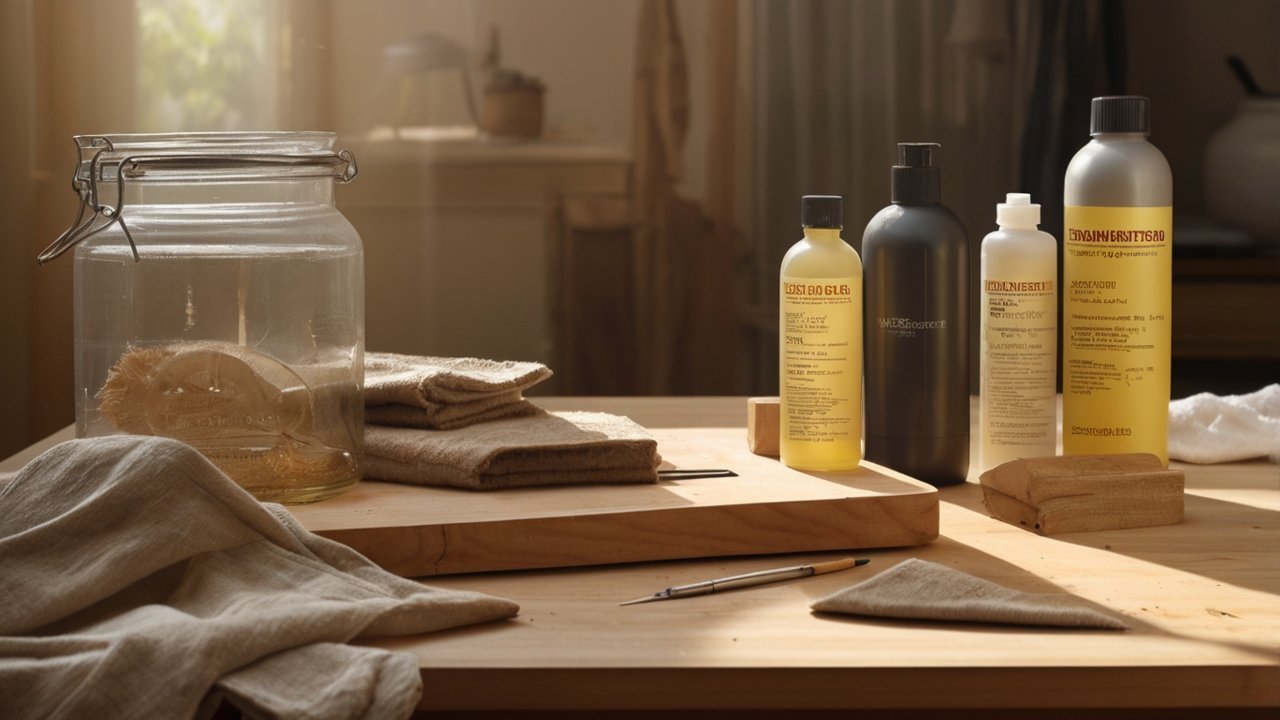
Water Based vs Oil Based Polyurethane: Key Differences
The most noticeable differences between water based vs oil based polyurethane involve color, drying time, odor, cleanup, and application behavior. Understanding these factors will help you choose a finish that suits both the project and your working conditions.
Product formulas vary considerably, so always read the label before applying a finish. The instructions on the container should take priority over general advice, particularly for recoating times, ventilation, surface preparation, and compatible applicators.
Water Based vs Oil Based Polyurethane: Appearance and Color
Water-based polyurethane generally creates a clear protective film with minimal color change. This makes it a popular choice for maple, birch, ash, white oak, and other pale woods where preserving the natural color is important.
It is also commonly chosen for white or light-painted surfaces. However, you must confirm that the polyurethane is compatible with the underlying paint before proceeding.
Oil-based polyurethane adds a warm amber tone that can make walnut, cherry, mahogany, and stained oak appear richer. This warmth often complements traditional furniture, but it may make pale wood look more yellow than expected.
The difference can become more visible over time because oil-based polyurethane may continue to amber as it ages. A test board is therefore more reliable than judging the finish by its appearance in the container.
Prepare a sample using the same wood, stain, sanding process, and number of coats planned for the project. Examine it under both daylight and indoor lighting before committing to the final finish.
Water Based vs Oil Based Polyurethane: Drying and Curing Time
Water-based polyurethane normally becomes ready for recoating sooner than an oil-based product. This can make it easier to complete several coats in a day, depending on the manufacturer’s instructions and workshop conditions.
Its quick drying time also creates a challenge: you have less time to spread the finish and correct uneven areas. Brushing over a section that has started setting can leave ridges, lap marks, or bubbles.
Oil-based polyurethane dries more slowly, giving you additional time to maintain a wet edge across larger surfaces. The extended working time can be helpful on tabletops, cabinet doors, and wide furniture panels.
However, slower drying gives airborne dust more time to settle into the finish. Clean the work area before starting, avoid creating dust nearby, and leave the project undisturbed between coats.
Remember that drying and curing are not the same. A surface may feel dry while the finish underneath is still hardening. Avoid heavy objects, abrasion, moisture, and normal furniture use until the manufacturer’s recommended curing period has passed.
The detailed process in this polyurethane wood finish guide can help you plan preparation, coating, and curing more carefully.
Odor, Ventilation, and Cleanup
Water-based polyurethane usually produces less lingering odor and can often be cleaned from brushes with soap and water. That makes cleanup more convenient, but it does not eliminate the need for ventilation.
Oil-based polyurethane normally has a stronger solvent odor and requires the cleaner specified by the manufacturer. Keep the container closed when it is not in use, prevent solvent spills, and keep all finishing materials away from heat, sparks, and flames.
For either type:
-
Work with adequate fresh-air ventilation.
-
Wear the protective equipment specified on the label.
-
Avoid breathing sanding dust or finish vapors.
-
Keep children and pets away from the workspace.
-
Store and dispose of finishing materials responsibly.
Never leave solvent- or oil-contaminated rags crumpled together. Some materials can generate heat as they dry and may create a fire risk. Follow the product instructions and local disposal requirements.
Water Based vs Oil Based Polyurethane: Durability and Maintenance
It is tempting to assume that every oil-based polyurethane is tougher than every water-based product, but modern formulations make that comparison unreliable. A quality floor-rated water-based finish may outperform an oil-based product intended only for light-duty furniture.
Durability depends on several factors:
-
The product’s intended use
-
Surface preparation
-
Film thickness and number of coats
-
Drying and curing conditions
-
Moisture and abrasion exposure
-
Cleaning and maintenance habits
Choose a product rated for the actual surface. Floors need a floor-specific coating, while frequently used tables and desks need a finish suitable for regular contact and cleaning.
More coats do not automatically correct poor preparation. Dust, wax, grease, silicone contamination, and incompatible stains can prevent either type of polyurethane from bonding properly. When exploring other finish systems, consult the best wood finish for beginners before combining products.
Routine care also affects longevity. Clean the finished surface with gentle products approved for the coating, wipe up moisture promptly, and avoid placing hot or abrasive objects directly on furniture. Additional wood-finishing techniques can help you achieve a smoother surface that is easier to maintain.
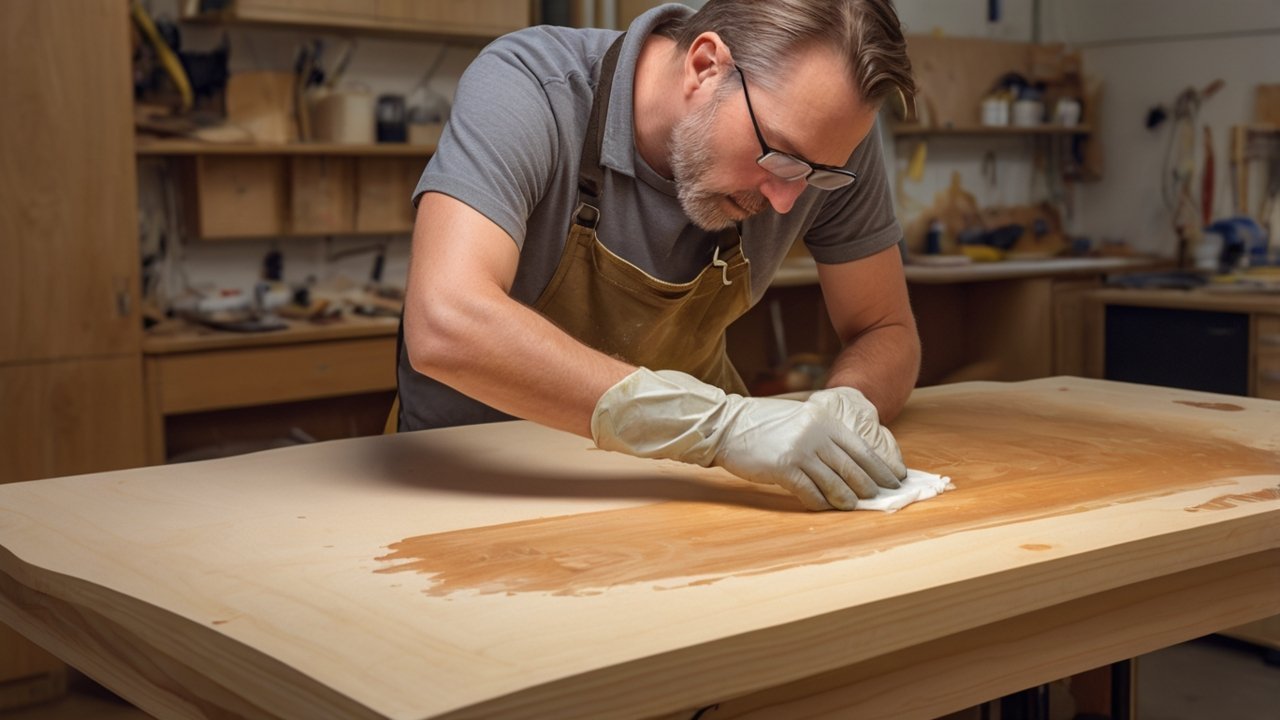
Water Based vs Oil Based Polyurethane: When Water-Based Is Better
When comparing water based vs oil based polyurethane, choose a water-based finish when you want to preserve the wood’s natural color, complete the project faster, and simplify cleanup.
Water-based polyurethane works especially well on pale wood, modern furniture, cabinets, trim, and projects completed in shared indoor spaces. It normally produces less lingering odor than oil-based polyurethane, although good ventilation and appropriate protective equipment are still necessary.
Water Based vs Oil Based Polyurethane for Light-Colored Wood
Water-based polyurethane generally creates a clear protective film with minimal amber coloring. This makes it a practical choice for maple, birch, ash, white oak, and other pale woods.
Oil-based polyurethane can make these species look warmer or more yellow. That color change may suit a traditional project, but it can work against a modern design intended to preserve light, neutral tones.
Water-based polyurethane is often appropriate for:
-
Scandinavian-style furniture
-
Pale hardwood flooring
-
Maple cabinets and shelves
-
White or pastel-painted wood
-
Light-colored decorative projects
-
Surfaces where color accuracy matters
“Clear” does not mean completely invisible. Any finish can deepen the grain, change the sheen, and affect how the wood reflects light. Test the complete finishing schedule on a sample made from the same wood before coating the project.
Use the same stain, sanding process, applicator, and planned number of coats. Examine the sample under daylight and indoor lighting because a finish can appear different as the lighting changes.
If you are still comparing polyurethane with wax, lacquer, or penetrating oil, review the best wood finish for beginners before selecting a finishing system.
Water Based vs Oil Based Polyurethane for Faster Projects
Water-based polyurethane usually becomes ready for recoating sooner than an oil-based product. This can make it easier to apply several coats without occupying the workshop for an extended period.
Faster drying is useful for cabinets, trim, shelves, and small furniture. It also reduces the amount of time each wet coat remains exposed to airborne dust.
However, quick drying leaves less time to correct mistakes. Prepare the workspace, lighting, applicator, and finish before starting. Work in manageable sections and maintain a wet edge.
Avoid brushing an area after the polyurethane begins to set. Overworking a partially dried coat can create ridges, lap marks, bubbles, or an uneven texture.
Do not assume that a surface is ready for another coat simply because it feels dry. Follow the manufacturer’s specified recoating interval and account for temperature, humidity, airflow, and coat thickness.
Drying and curing are different stages. A surface may feel dry while the finish remains vulnerable to scratches, pressure, moisture, or cleaning products. Wait for the stated curing period before returning the project to normal use.
Water Based vs Oil Based Polyurethane: Applying Water-Based Finish
Water-based polyurethane offers convenient cleanup and shorter drying times, but it still requires careful preparation. Thin, controlled coats normally produce a more dependable result than one heavy application.
Prepare the Wood and Test Compatibility
Sand the surface evenly and correct visible scratches, dents, and glue residue. A clear finish can make these defects more noticeable instead of hiding them.
Remove dust from the project, workbench, corners, and nearby surfaces. Avoid sweeping immediately before finishing because it can send fine particles into the air.
When applying polyurethane over stain, paint, sealer, or an existing coating, confirm that the products are compatible. Allow the underlying finish to dry for the complete period specified by its manufacturer.
A sample board can reveal:
-
Unexpected color changes
-
Grain raising
-
Adhesion problems
-
Brush or applicator marks
-
Final sheen
-
The appearance of multiple coats
Do not continue until the sample produces an acceptable result.
Avoid Common Water-Based Application Mistakes
Beginners often apply water-based polyurethane too heavily because a thin, clear coat can be difficult to see. Strong side lighting makes missed areas, overlapping strokes, and excess finish easier to identify.
Common mistakes include:
-
Shaking the container and introducing bubbles
-
Applying coats that are too thick
-
Using an unsuitable applicator
-
Brushing an area after it starts drying
-
Failing to remove sanding dust
-
Ignoring the recommended recoating time
-
Using the project before the finish cures
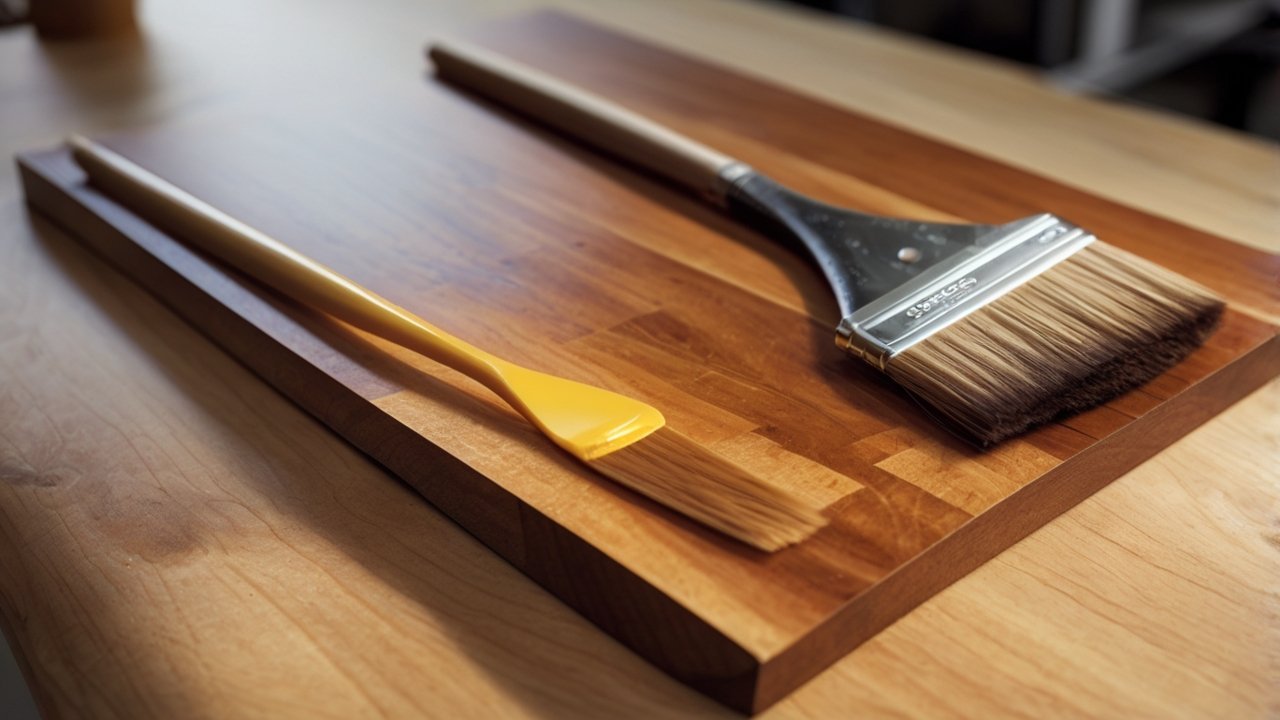
For sample boards, shelves, and other small surfaces, a clean foam brush may help apply a thin coat without leaving loose bristles behind. Check the polyurethane label first, as not every manufacturer recommends foam applicators for every formula.
Stir the finish gently unless the instructions specify another method. Apply it in the direction of the grain while maintaining a wet edge. Check corners and lower edges for accumulated finish before leaving the coat to level.
Sand or abrade between coats only when directed. Use light pressure, then remove all sanding residue before applying the next coat.
The existing polyurethane wood finish guide provides additional preparation and application guidance.
Even a lower-odor water-based product requires fresh airflow. Follow the label when selecting gloves, eye protection, and respiratory protection. Keep children and pets away from the workspace, and allow the final coat to cure fully before the project returns to service.
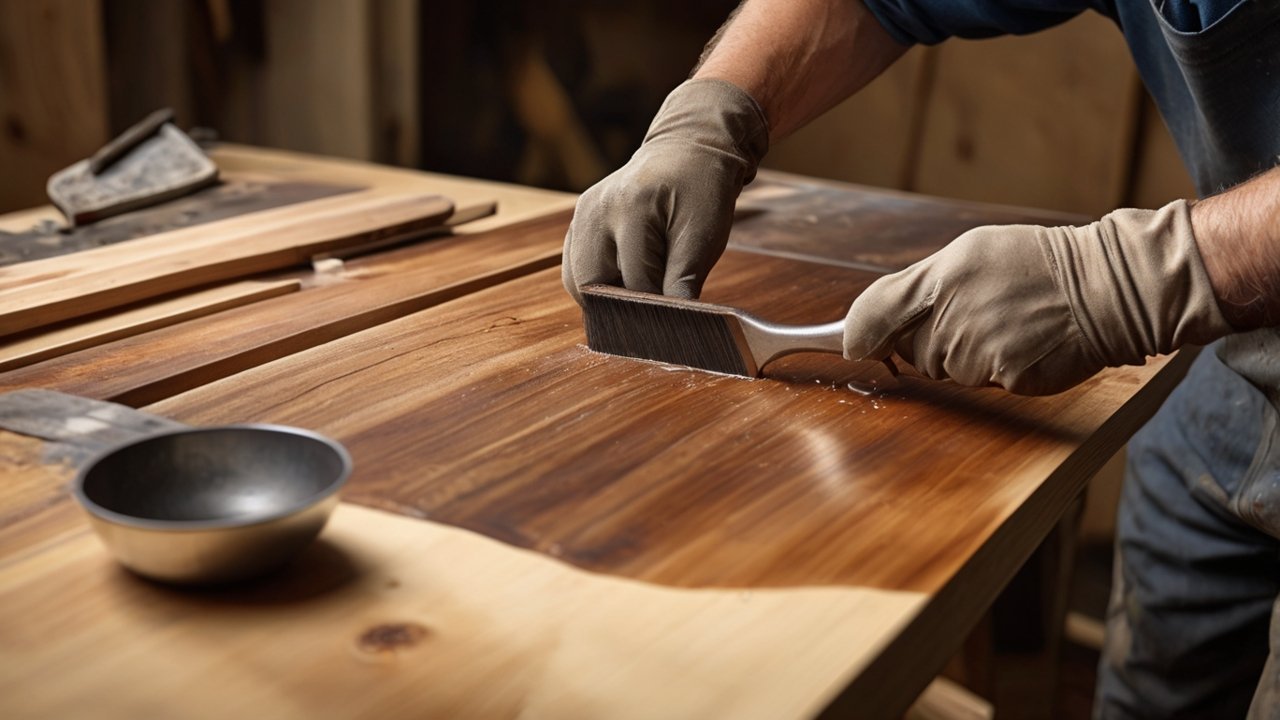
Water Based vs Oil Based Polyurethane: When Oil-Based Is Better
When comparing water based vs oil based polyurethane, an oil-based finish is often the better choice when you want a warm appearance, longer working time, and a traditional look.
Oil-based polyurethane can enhance stained furniture and naturally dark wood, but its slower drying time and stronger solvent odor require careful planning. It is most practical when you have a ventilated workspace and can leave the project undisturbed while each coat dries.
Water Based vs Oil Based Polyurethane for Dark Wood
Oil-based polyurethane adds an amber tone that can enrich walnut, cherry, mahogany, and red oak. It also complements many brown and reddish stains, giving the surface a deeper, warmer appearance.
This color change is not desirable for every project. On maple, birch, white paint, or pale stains, the amber tone may make the finished surface appear more yellow than intended. Water-based polyurethane is usually more suitable when preserving a light, neutral color is the priority.
Oil-based polyurethane is worth considering for:
-
Dark or warm-colored hardwood
-
Traditionally styled furniture
-
Stained dining tables and desks
-
Interior doors and trim
-
Projects where an amber tone is intentional
-
Previously finished surfaces compatible with an oil-based coating
Test the complete finishing system before applying it to the project. Use the same wood, stain, sanding schedule, and planned number of coats. A single test coat may not reveal the final color because the warmth can become more noticeable as additional coats are applied.
The best wood finish for beginners provides a broader comparison if you are also considering lacquer, wax, or penetrating oil.
Water Based vs Oil Based Polyurethane for Longer Working Time
Oil-based polyurethane normally stays workable longer than a water-based formula. This gives you additional time to spread the finish, maintain a wet edge, and inspect the surface for missed areas.
That extra working time can be useful on large tabletops, doors, cabinet panels, and other broad surfaces. Beginners may find it less stressful than a fast-drying finish that starts setting before they complete a section.
However, longer working time does not justify repeatedly brushing the surface. Excessive brushing can introduce bubbles, disturb an area that has started to level, and leave visible marks.
Apply a thin, controlled coat in the direction of the grain. Inspect it under side lighting, correct obvious runs promptly, and then allow the finish to level without further handling.
Slow drying also allows more time for dust to settle. Clean the work area before finishing and avoid sanding, sweeping, or using dust-producing equipment nearby. Additional wood-finishing techniques can help improve surface preparation and application.
Water Based vs Oil Based Polyurethane: Applying Oil-Based Finish Safely
Oil-based polyurethane requires stronger ventilation and more deliberate cleanup than most water-based products. Before beginning, read the product label and safety data sheet, then arrange the workspace accordingly.
Prepare for Ventilation and Solvent Exposure
Open doors or windows alone may not always provide sufficient airflow. Arrange ventilation so contaminated air moves away from your breathing zone, and never direct fumes toward occupied parts of the home.
The product label should determine which gloves, eye protection, respirator, and ventilation measures are appropriate. Keep the finish and cleanup solvent away from flames, pilot lights, heaters, sparks, and smoking materials.
OSHA’s guidance on finishing chemicals and solvent hazards explains why exposure control and ventilation matter when working with solvent-containing coatings.
Never use a stronger solvent than the manufacturer specifies. Keep containers closed when they are not in use, and do not pour leftover finish or cleanup solvent into household drains.
Avoid Common Oil-Based Application Mistakes
A common beginner mistake is applying a heavy coat in an attempt to reduce the number of applications. Thick polyurethane may sag along edges, collect in corners, trap dust, or remain soft underneath even when the surface feels dry.
Other mistakes include:
-
Shaking the container and creating bubbles
-
Using an unsuitable or contaminated brush
-
Applying the finish over wax, grease, or damp stain
-
Ignoring the recommended recoating window
-
Sanding before the previous coat is ready
-
Returning the project to service before full curing
-
Leaving used finishing materials in an unsafe pile
Follow the manufacturer’s instructions for stirring, thinning, application, sanding between coats, and curing. The existing polyurethane application guide offers additional help with the overall process.
Handle Used Rags and Cleanup Materials Carefully
Rags contaminated with certain oil-based finishing materials can generate heat as they dry. When piled together or placed in an unsuitable container, that heat may not escape, creating a risk of spontaneous combustion.
Never leave used rags crumpled on a bench or throw them directly into ordinary trash. Follow the disposal instructions on the finish and solvent labels, along with local fire and waste regulations. The National Transportation Safety Board’s guidance on fire hazards from oil-soaked rags explains why improper storage is dangerous.
Oil-based polyurethane is a practical finish when its warmth and longer working time suit the project. Its advantages are most valuable when paired with thin coats, dust control, adequate ventilation, patient curing, and responsible cleanup.
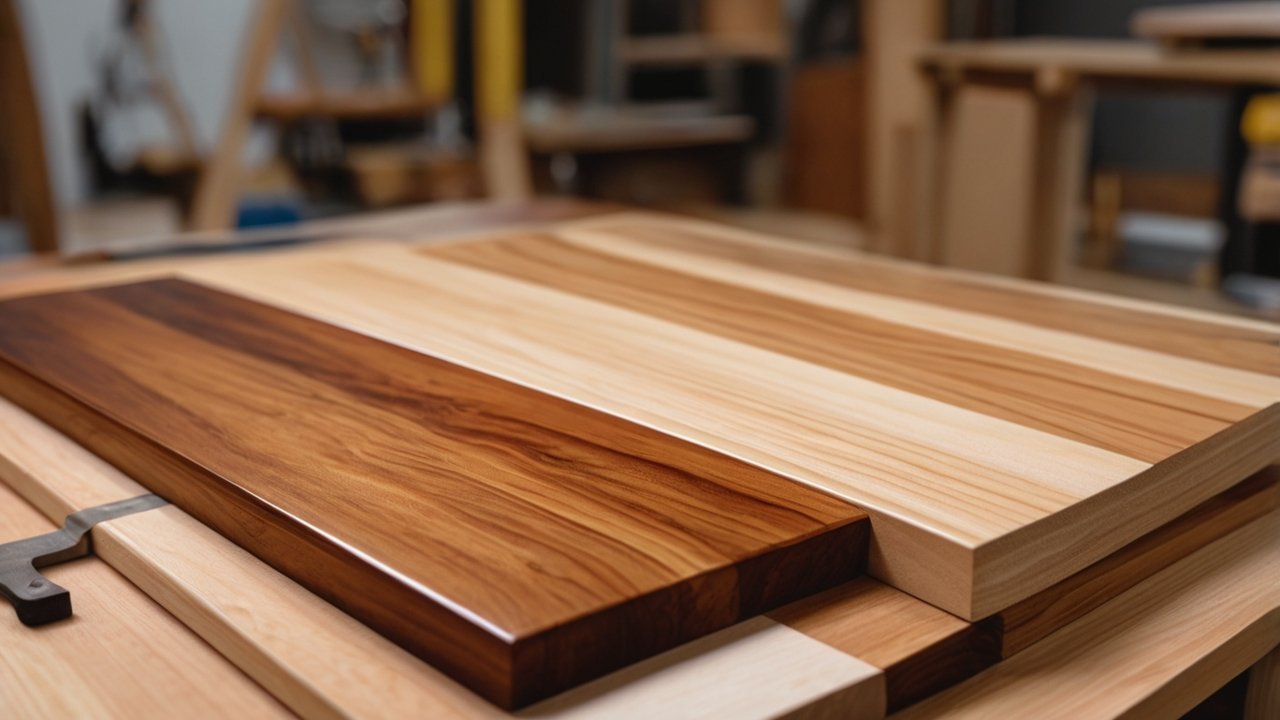
Water Based vs Oil Based Polyurethane: How to Choose
The right finish depends on the wood, desired appearance, expected wear, working environment, and time available for application. When comparing water based vs oil based polyurethane, avoid choosing solely by drying time or general durability claims.
Water-based polyurethane is usually preferred when you want minimal color change, faster recoating, and simpler cleanup. Oil-based polyurethane is often better when a warm amber tone and longer working time suit the project.
Water Based vs Oil Based Polyurethane by Project Type
Use these recommendations as a starting point, then confirm that the specific product is approved for the intended surface.
| Project | Suggested starting point | Main reason |
|---|---|---|
| Pale maple or birch furniture | Water-based | Preserves the light color |
| Dark or warm-stained furniture | Oil-based | Adds warmth and depth |
| White-painted wood | Water-based | Less risk of amber discoloration |
| Large tabletop | Either | Choose by color and working time |
| Cabinets and trim | Either | Match appearance and schedule |
| Hardwood flooring | Floor-rated formula | Intended use matters more than base type |
| Frequently used desk | Furniture-rated formula | Requires suitable wear resistance |
| Indoor project with limited downtime | Water-based | Usually permits faster recoating |
Do not apply ordinary interior polyurethane to an outdoor project unless the manufacturer specifically approves exterior use. Sunlight, rain, and temperature changes require a product formulated for those conditions.
If polyurethane may not provide the appearance you want, compare it with the alternatives in this best wood finish for beginners guide.
Water Based vs Oil Based Polyurethane Compatibility
Polyurethane must bond securely to the surface underneath it. Dust, wax, grease, silicone polish, moisture, or incompletely dried stain can cause adhesion problems with either type.
Before applying polyurethane over stain, paint, sealer, or an existing finish:
-
Identify the underlying product when possible.
-
Read the instructions for both coatings.
-
Observe the required drying or recoating time.
-
Confirm that the products are compatible.
-
Test the complete system on scrap wood.
-
Check the sample after it has had time to cure.
Water-based polyurethane can sometimes be applied over an oil-based stain, but only after the stain is fully dry and the manufacturers approve the combination. There is no universal waiting time because product formulas and workshop conditions vary.
Water Based vs Oil Based Polyurethane: Application Process
Careful preparation and thin, controlled coats are more important than rushing to complete the project. Organize the workspace and gather every tool before opening the container.
Prepare and Filter the Finish
Sand the wood evenly and repair visible scratches, dents, or glue residue. Clear polyurethane can make these defects more noticeable rather than concealing them.
Remove dust from the project, workbench, corners, and surrounding area. Avoid sweeping immediately before application because it can put fine particles into the air.
Inspect the polyurethane before use. If dried particles or debris have collected around the rim, pouring the usable finish through a disposable paint filter strainer can help prevent contamination from reaching the wood.
Filtering cannot restore polyurethane that has thickened, developed an unusable skin, or exceeded its usable condition. When the finish looks or behaves differently from the manufacturer’s description, replacing it is safer than trying to rescue it.
Apply the complete finishing schedule to a sample made from the same wood. Use the same stain, sanding sequence, applicator, and planned number of coats.
Apply Thin, Controlled Coats
Stir polyurethane gently unless the label provides different instructions. Shaking the container can introduce bubbles that may remain visible in the dried film.
Use the applicator recommended by the manufacturer. When brush application is approved, a clean synthetic-bristle brush may help produce a controlled coat, particularly with many water-based formulas.
Select a brush width appropriate for the surface. A smaller brush offers control around profiles and corners, while a wider brush can help maintain a wet edge across broad panels. Do not reuse a brush contaminated with another finish.
Follow this application sequence:
-
Apply a thin coat in the direction of the grain.
-
Maintain a wet edge while moving across the surface.
-
Inspect corners and lower edges for runs.
-
Stop brushing once the coating begins to set.
-
Allow the full recommended drying time.
-
Sand between coats only when instructed.
-
Remove all sanding residue.
-
Apply the remaining coats using the same method.
-
Allow the finish to cure before normal use.
The detailed polyurethane wood finish guide provides additional preparation and coating guidance.
Sand Between Coats Carefully
Between-coat sanding can remove minor dust nibs and improve the feel of the surface, but it should only be performed when the product instructions require it.
A fine sanding sponge may be helpful on gently profiled areas and edges. Use the grit recommended by the polyurethane manufacturer and apply light pressure to avoid cutting through the coating.
Do not sand a coat that is still soft. Sanding too early can create gummy residue, tear the film, and interfere with the next application.
After sanding:
-
Remove loose dust with an appropriate vacuum or clean cloth.
-
Inspect the surface under side lighting.
-
Check edges for accidental breakthrough.
-
Keep oily or solvent-contaminated materials separate from ordinary dust.
-
Begin the next coat only after the surface is clean and ready.
Temperature, humidity, airflow, and coat thickness all affect drying. Provide ventilation appropriate to the product without directing dust onto the wet surface.
“Dry to the touch” does not mean fully cured. Avoid heavy objects, moisture, abrasive cleaning, and normal wear until the manufacturer’s curing period has passed. A tested finishing schedule, suitable applicators, and patient curing will produce a more reliable result than simply selecting the fastest product.
Water Based vs Oil Based Polyurethane: Common Questions
Choosing a polyurethane becomes easier once you separate general assumptions from product-specific facts. The following answers address the questions beginners most often ask when comparing water based vs oil based polyurethane.
Water Based vs Oil Based Polyurethane: Which Is More Durable?
Both types can provide durable protection when you select a quality product intended for the surface and apply it correctly. It is no longer reliable to assume that every oil-based polyurethane is tougher than every water-based formula.
A floor-rated water-based product may perform better on flooring than an oil-based finish designed only for light-duty furniture. Durability depends on factors including:
-
Product formulation and intended use
-
Surface preparation
-
Number and thickness of coats
-
Adhesion to the underlying stain or coating
-
Temperature and humidity during application
-
Time allowed for full curing
-
Exposure to moisture, heat, and abrasion
-
Long-term cleaning and maintenance
Check the label for approved applications instead of relying only on the product’s base type. Properly applied thin coats usually perform better than one heavy coat, which may sag or remain soft underneath.
Water Based vs Oil Based Polyurethane: Which Is Easier for Beginners?
Water-based polyurethane offers faster recoating, less lingering odor, and easier cleanup. These qualities make it convenient for small indoor projects and beginners who want to complete several coats within a shorter schedule.
However, it dries quickly and provides less time to correct mistakes. Beginners must work efficiently, maintain a wet edge, and avoid brushing an area after it starts setting.
Oil-based polyurethane offers a longer working time, which may make it easier to coat a large tabletop or cabinet door. The trade-offs include stronger solvent odor, longer drying periods, and more involved cleanup.
The easier option therefore depends on the project:
-
Choose water-based for speed, clarity, and convenient cleanup.
-
Choose oil-based for longer working time and a warmer appearance.
-
Practice on scrap wood before using either finish on an important project.
The existing polyurethane wood finish guide provides more detailed application guidance.
Does Oil-Based Polyurethane Always Turn Wood Yellow?
Oil-based polyurethane normally adds an amber tone rather than remaining completely clear. The effect may be subtle on walnut, cherry, mahogany, or dark stain, where the added warmth can complement the project.
The color shift is usually more noticeable on maple, birch, pine, white paint, and pale stains. It may also deepen as the finish ages.
Water-based polyurethane is generally preferable when maintaining a light or neutral color is important. Nevertheless, every finish changes the way light reflects from the wood and may increase grain contrast.
Always create a sample using the actual wood, stain, and planned number of coats. One coat on an unrelated wood species will not accurately predict the final result.
Water Based vs Oil Based Polyurethane: Application FAQs
Compatibility and recoating questions cannot always be answered with a universal rule. Product formulations vary, so the instructions for the specific stain and polyurethane must guide the finishing schedule.
Can Water-Based Polyurethane Go Over Oil-Based Stain?
It can often be applied over an oil-based stain after the stain has dried completely, provided both manufacturers approve the combination. Applying the topcoat too soon can trap solvent, disturb the stain, or weaken adhesion.
Before proceeding:
-
Review the instructions for both products.
-
Allow the stain to dry for the specified period.
-
Account for cool temperatures or high humidity that may delay drying.
-
Test the combination on scrap wood.
-
Check the sample for color changes, streaking, and adhesion.
-
Continue only after the test performs correctly.
Do not assume the stain is ready simply because the surface no longer feels wet. If compatibility remains uncertain, contact the manufacturer for product-specific guidance.
If you are still deciding among several finish systems, the best wood finish for beginners compares polyurethane with other common options.
How Many Coats of Polyurethane Should You Apply?
There is no single coat count that applies to every polyurethane and every project. Products differ in solids content, recommended film thickness, application method, and intended use.
Follow the number of coats specified on the label while considering the surface’s expected wear. A decorative shelf and a frequently used floor do not require the same level of protection.
Avoid applying excessively thick coats to finish faster. A heavy layer can produce:
-
Runs and sags
-
Trapped bubbles
-
Uneven drying
-
Soft finish beneath the surface
-
Longer curing time
-
Visible ridges around edges
Apply thin, even coats and observe the full recoating interval. Sand between coats only when directed, then remove all dust before continuing.
Remember that recoating time and curing time are different. A finished surface may feel dry but remain vulnerable to pressure, abrasion, moisture, or cleaning products. Wait for the recommended curing period before placing rugs on a floor, setting heavy objects on furniture, or returning the surface to normal use.
Additional wood-finishing techniques can help improve sanding, dust removal, and coat consistency. When in doubt, trust the specific product instructions and a properly prepared test board rather than a universal finishing rule.
Water Based vs Oil Based Polyurethane: Final Decision
The choice between water based vs oil based polyurethane is not about finding one finish that is universally better. It is about matching the finish to the wood, desired appearance, working environment, and time available for application and curing.
Choose water-based polyurethane when you want a clear finish, faster recoating, easier cleanup, and less lingering odor. Choose oil-based polyurethane when you want a warmer amber appearance, longer working time, and a traditional look that complements dark or stained wood.
Water Based vs Oil Based Polyurethane: Choose Water-Based If…
Water-based polyurethane is usually the stronger choice when preserving the natural color of the surface is a priority. It works particularly well on maple, birch, ash, white oak, and light-painted wood.
It is also practical for projects that need several coats within a shorter period. Although each product has its own instructions, water-based formulas generally become ready for recoating sooner than oil-based alternatives.
Choose water-based polyurethane if:
-
You want a clear, neutral-looking finish.
-
The project uses pale or white-painted wood.
-
Shorter recoating times suit your schedule.
-
You prefer cleaning applicators with soap and water.
-
Lingering solvent odor is a significant concern.
-
You can work efficiently before the coating begins to set.
Its main application challenge is the limited working time. Prepare the surface, applicator, lighting, and finish before starting. Apply thin coats, maintain a wet edge, and avoid brushing areas that have begun to dry.
Water Based vs Oil Based Polyurethane: Choose Oil-Based If…
Oil-based polyurethane is often more suitable when warmth and depth are part of the design. Its amber color can enrich walnut, cherry, mahogany, red oak, and many brown or reddish stains.
The slower drying rate also provides more time to spread the finish across large surfaces. This can be helpful on tables, doors, and cabinet panels where maintaining a wet edge is important.
Choose oil-based polyurethane if:
-
You want to add warmth to dark or stained wood.
-
An amber tone complements the project.
-
You prefer a longer working time.
-
Your schedule allows slower drying and curing.
-
You have a workspace with suitable ventilation.
-
You can manage solvent-based cleanup safely.
Do not use oil-based polyurethane merely because it is assumed to be tougher. Check whether the specific product is approved for your project. A floor-rated water-based finish, for example, may be more appropriate for flooring than an oil-based product formulated for furniture.
Water Based vs Oil Based Polyurethane: Final Checklist
Before purchasing or applying either finish, work through a short decision process. This prevents appearance problems, compatibility failures, and unrealistic project schedules.
Confirm the Product Matches the Project
Ask the following questions:
-
What color should the finished wood have?
Choose water-based for minimal color change or oil-based for additional amber warmth. -
What kind of wear will the surface receive?
Select a product rated for floors, furniture, cabinets, trim, or the intended application. -
What is already on the wood?
Identify any stain, paint, sealer, wax, or existing finish and confirm compatibility. -
How much time is available?
Include surface preparation, drying between coats, and full curing—not only application time. -
Can the workspace be ventilated safely?
Follow the label’s ventilation and protective-equipment requirements for either product. -
Have you tested the finish?
Use the same wood, stain, sanding process, applicator, and number of coats planned for the final project.
If polyurethane may not provide the appearance or application method you want, compare it with other options in the best wood finish for beginners.
Follow a Reliable Finishing Routine
Whichever product you select, the quality of the result depends heavily on preparation and technique.
Use this final application checklist:
-
Sand the wood evenly and repair visible defects.
-
Remove dust, wax, grease, and other contaminants.
-
Verify that stains or underlying coatings are fully dry.
-
Stir the polyurethane gently rather than shaking it.
-
Use the manufacturer-recommended applicator.
-
Apply thin, even coats in the direction of the grain.
-
Check edges and corners for runs.
-
Respect the stated recoating time.
-
Sand between coats only when instructed.
-
Remove all sanding residue before continuing.
-
Maintain appropriate ventilation.
-
Keep solvent-containing materials away from ignition sources.
-
Dispose of used materials according to product and local safety instructions.
-
Allow the completed finish to cure before normal use.
For a more detailed walkthrough, consult the polyurethane wood finish application guide. Additional wood-finishing techniques can help improve sanding, dust control, and coat consistency.
The final recommendation is straightforward: use water-based polyurethane when clarity and speed matter most; use oil-based polyurethane when warmth and working time are more important. Test the complete finishing system first, follow the product instructions, and give every coat enough time to dry and cure. Those decisions will influence the final result more than choosing a finish based only on its name.
Affiliate Disclosure
This article contains affiliate links. If you purchase through one of these links, we may earn a small commission at no additional cost to you. We only recommend tools and resources that may be genuinely useful for the project.