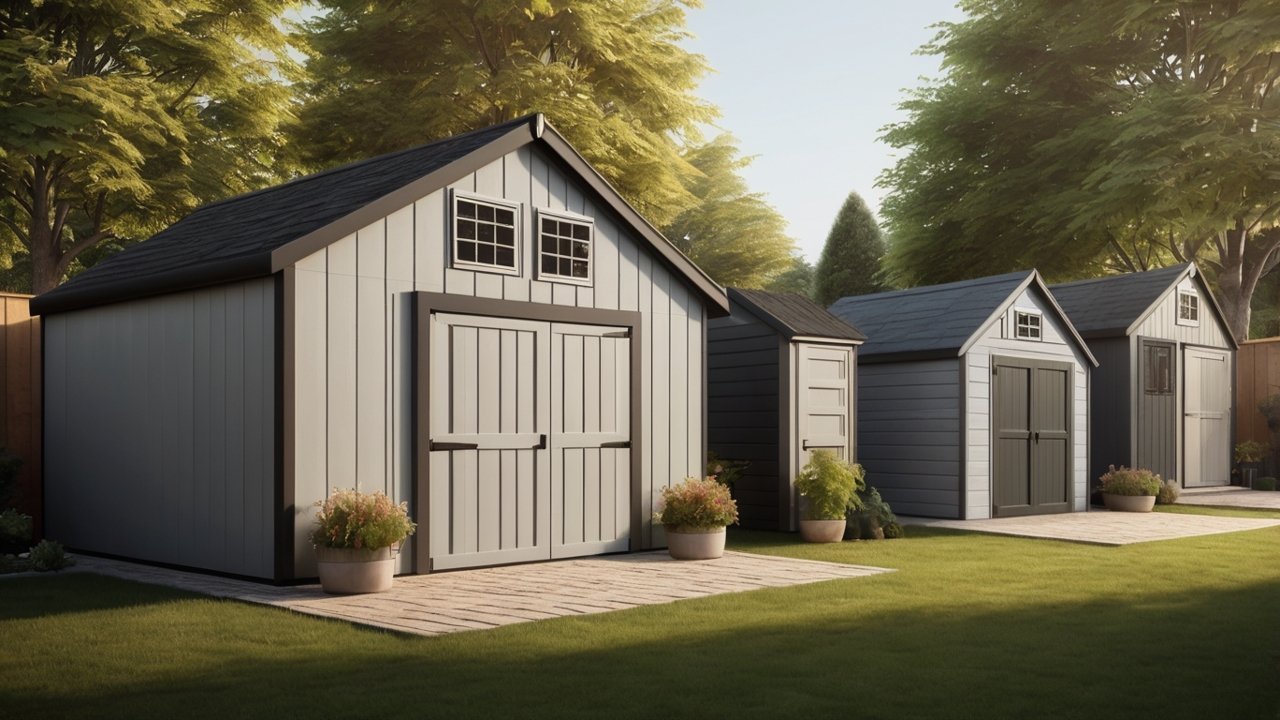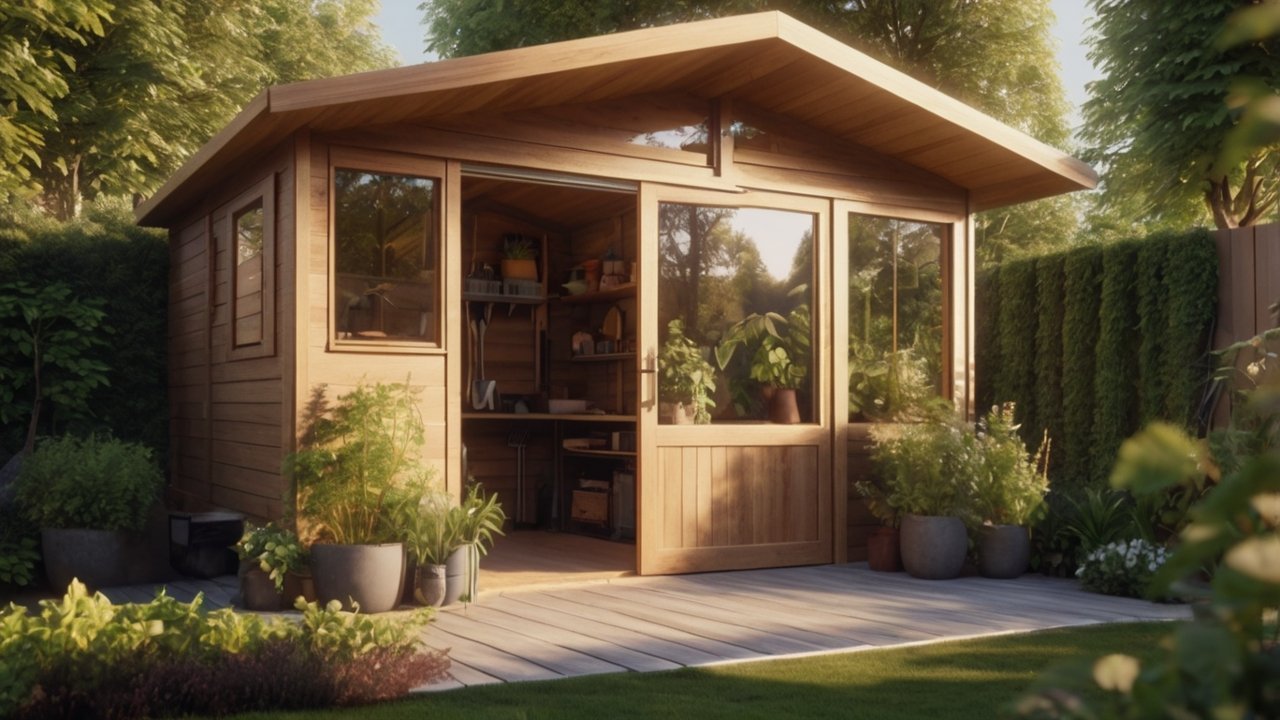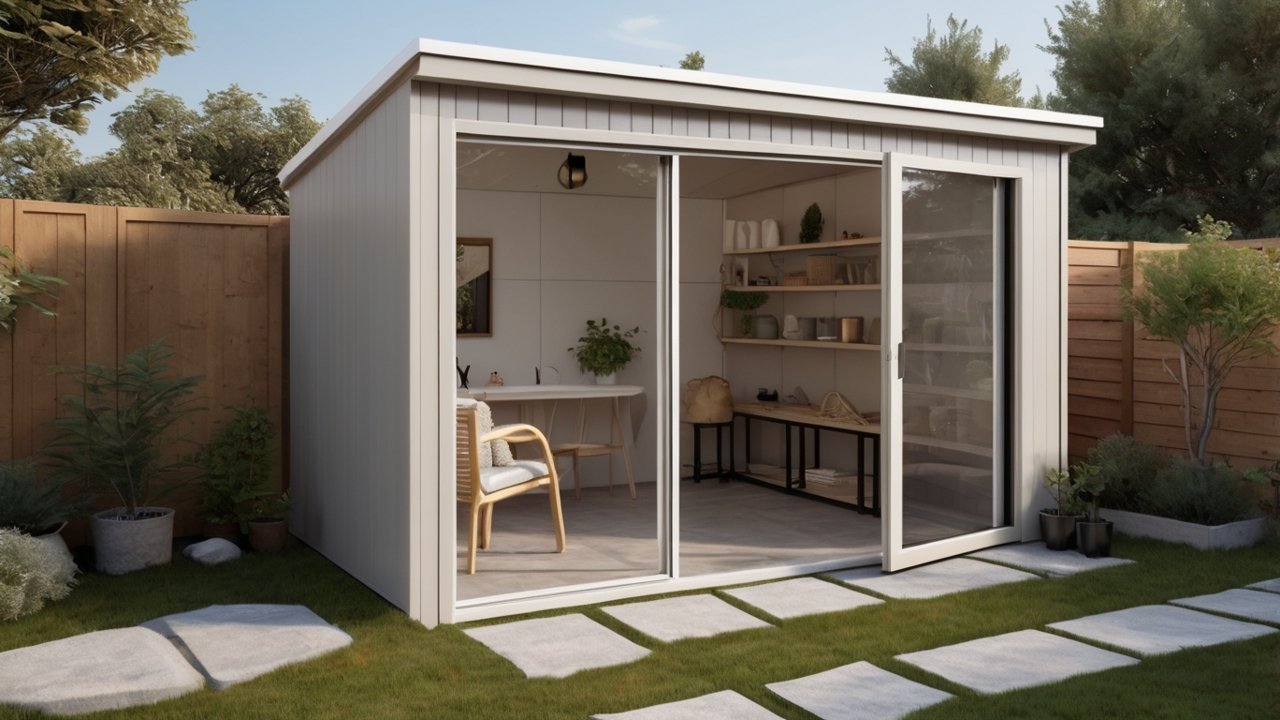
Build vs Buy Shed Cost: 7 Ways to Save Money

Ever wondered whether the build vs buy shed cost is really worth the effort—or if you’re better off purchasing one ready-made? For many homeowners, choosing between a DIY project and a prefab option isn’t just about money; it’s about time, skills, and long-term value. Understanding the build vs buy shed cost can help you avoid overspending and make a smarter investment for your backyard.

With rising prices in materials and labor, the decision has become even more important. A detailed shed cost comparison reveals that what looks cheaper upfront may not always be the best option in the long run. Whether you’re considering a hands-on DIY shed vs prefab shed or simply want the most convenient solution, each choice comes with its own set of pros and hidden expenses.

In this guide, we’ll break down everything you need to know about build vs buy shed cost, helping you decide which option truly fits your budget, needs, and lifestyle. Let’s dive in.
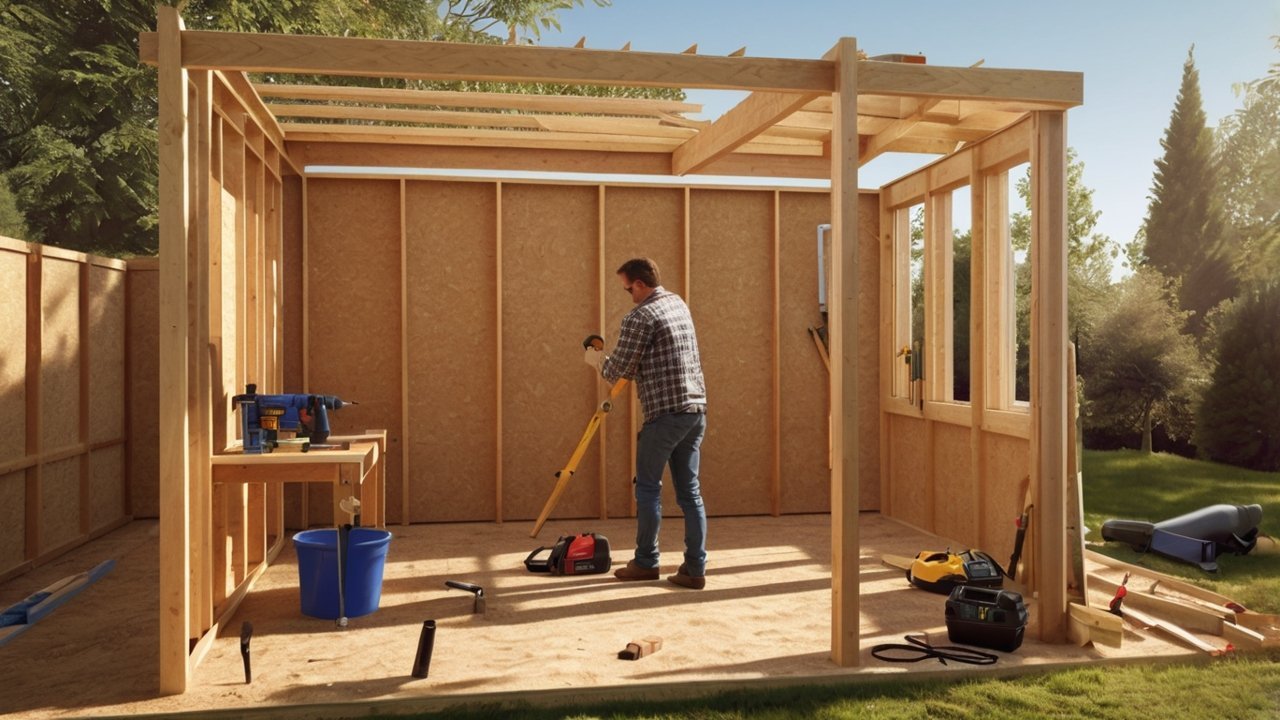
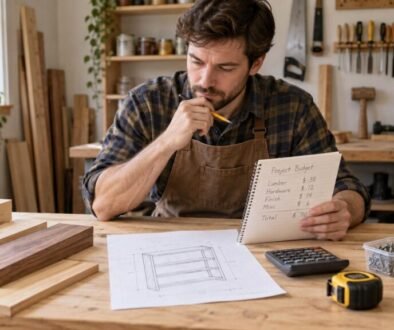
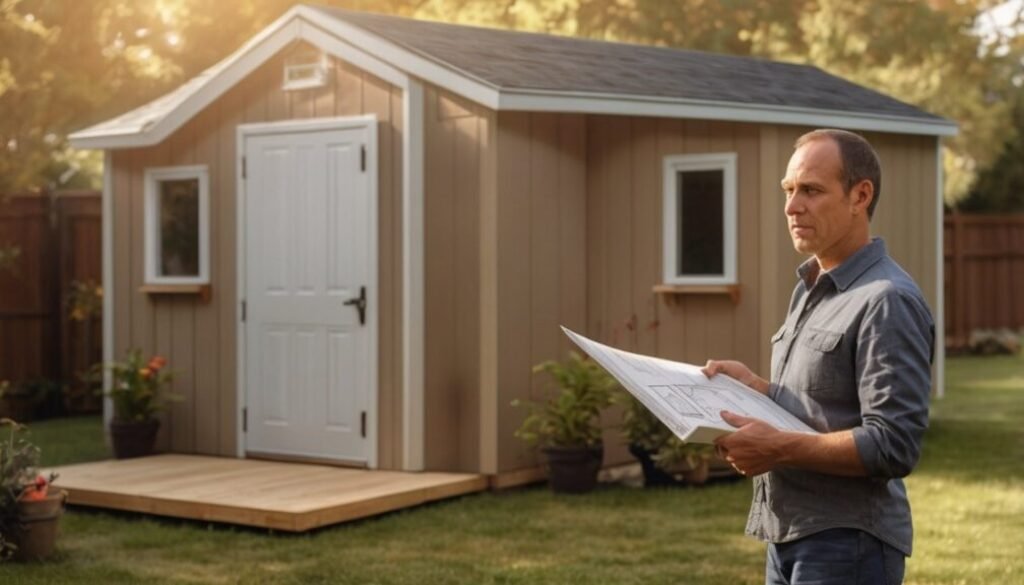
build vs buy shed cost homeowner deciding between DIY and prefab shed

Chapter 1: Introduction to Build vs Buy Shed Cost

Understanding Build vs Buy Shed Cost for Homeowners

When planning backyard storage, many homeowners quickly face one key question: what is the real build vs buy shed cost, and which option delivers better value? At first glance, building a shed yourself may seem like the cheaper route. However, once you factor in tools, materials, and time, the total cost can shift significantly.

For beginners and hobbyists, this decision goes beyond just money. It also involves skill level, available time, and long-term durability. According to insights shared by established DIY communities like Family Handyman and Fine Woodworking, many first-time builders underestimate both the time and hidden costs involved in DIY projects.

If you’re new to woodworking, it helps to explore beginner-friendly resources like this step-by-step shed building guide before committing. Understanding the process early can prevent costly mistakes later.

Why Shed Cost Comparison Matters More Than Ever

In today’s market, material prices fluctuate frequently, especially for lumber and metal. This makes a proper shed cost comparison essential before making any decision. A poorly planned DIY shed can easily exceed the price of a prebuilt one, especially if errors occur during construction.

Here are a few factors that directly impact costs:

  • Type of materials (pressure-treated wood, metal, or resin)
  • Size and design complexity
  • Tools required (many beginners need to buy or rent equipment)
  • Local permit requirements

For those just starting out, browsing easy woodworking projects for beginners can help build confidence before tackling a full shed build.

DIY Shed vs Prefab Shed: A Practical Comparison

Understanding the difference between a DIY shed vs prefab shed is key when evaluating the build vs buy shed cost. Each option comes with its own benefits and trade-offs.

DIY Shed (Build Your Own)

Pros:

  • Lower upfront cost (in some cases)
  • Full customization (size, layout, materials)
  • Personal satisfaction and skill development

Cons:

  • Time-consuming (often several weekends)
  • Requires tools and experience
  • Risk of mistakes increasing total cost

Prefab Shed (Buy Ready-Made)

Pros:

  • Quick installation (sometimes same-day setup)
  • Professional construction quality
  • Minimal effort required

Cons:

  • Higher upfront price
  • Limited customization options
  • Delivery and installation fees

For beginners looking for a balanced approach, many experts recommend starting with proven plans. You can check out these affordable woodworking plans to reduce guesswork and avoid design errors. This is often the best solution for those who want to build but lack experience.

Real-World Example: What Most Beginners Experience

Imagine a homeowner planning to build a small 8×10 shed. Initially, the budget might look like this:

  • Wood and materials: $600
  • Roofing and hardware: $200
  • Tools (if not owned): $300

Total estimated DIY cost: $1,100

However, small mistakes—like incorrect measurements or wasted materials—can easily add another $200–$400. In comparison, a similar prefab shed may cost around $1,200–$1,500 installed.

This is why understanding the true build vs buy shed cost is so important. It’s not just about the cheapest option—it’s about the most efficient and realistic one.

If you’re serious about building, it’s worth exploring a recommended DIY solution that provides structured guidance and material lists. This helps beginners stay on budget and avoid common pitfalls.

Beginner Tip: Start Small and Plan Smart

For those new to DIY, jumping straight into a large shed project can be overwhelming. Instead, consider:

  • Practicing with smaller projects first
  • Learning basic joinery and tool handling
  • Using pre-designed plans to guide your build

Resources like outdoor woodworking project ideas can help you build confidence step by step.

Experts from The Spruce also recommend planning every detail—especially measurements and materials—before starting construction. This reduces waste and improves overall build quality.

Setting the Stage for the Full Comparison

At this point, it’s clear that the build vs buy shed cost depends on more than just price tags. It involves time, effort, skill, and long-term value. Some homeowners prioritize customization and enjoy the DIY process, while others prefer convenience and reliability.

In the next chapter, we’ll break down the actual cost components in detail—so you can clearly see where your money goes and which option truly fits your budget.

shed cost comparison materials pricing build vs buy shed cost planning

Chapter 2: Understanding the Basics of Build vs Buy Shed Cost

What Influences Build vs Buy Shed Cost the Most?

Before deciding which route to take, it’s important to understand what actually drives the build vs buy shed cost. Many homeowners assume the difference is simply DIY vs store price—but the reality is far more layered.

Several key factors influence the final cost:

  • Material type: Wood is flexible but can be expensive; metal and resin may cost less but limit customization
  • Shed size: Larger sheds require more materials, time, and sometimes permits
  • Foundation needs: Gravel, concrete slabs, or raised floors can add unexpected expenses
  • Labor and tools: DIY builders often need to purchase or rent tools

For example, choosing the right wood can significantly affect both cost and durability. If you’re unsure, this complete guide to wood types is a helpful starting point for beginners.

According to recommendations from Fine Homebuilding, planning material selection early can reduce waste by up to 15%, which directly impacts your overall budget.

Average Build vs Buy Shed Cost in 2026

In 2026, shed pricing continues to fluctuate due to supply chain changes and material demand. Still, general estimates can help guide your expectations.

DIY Shed Cost (Build Option)

  • Small shed (6×8): $500 – $1,200
  • Medium shed (8×10): $800 – $2,000
  • Large shed (10×12+): $1,500 – $4,000

Prefab Shed Cost (Buy Option)

  • Small prefab shed: $800 – $2,500
  • Medium prefab shed: $1,500 – $5,000
  • Custom or large sheds: $3,000 – $10,000+

While DIY may appear cheaper, the gap narrows when you include tools and time. This is why a proper shed cost comparison is essential before making a decision.

If you want to reduce guesswork, you can see how you can build your own shed with this step-by-step guide—a recommended tool for beginners looking for a structured and budget-friendly approach.

Hidden Costs That Affect Shed Pricing

One of the biggest mistakes beginners make is overlooking hidden expenses. These can quietly increase the total build vs buy shed cost without warning.

Common Hidden Costs in DIY Projects

  • Extra materials due to cutting errors
  • Tool upgrades or replacements
  • Weather delays causing material damage
  • Waste disposal fees

Common Hidden Costs When Buying

  • Delivery charges
  • Installation fees
  • Site preparation (leveling ground, foundation)
  • Customization add-ons

To avoid these issues, it’s smart to review common pitfalls in advance. This guide on shed building mistakes to avoid highlights real-world errors that can quickly inflate your budget.

Experts from The Spruce also emphasize setting aside at least 10–15% of your budget for unexpected costs—especially for first-time builders.

DIY vs Buying: Cost Efficiency Comparison

When comparing options, cost alone doesn’t tell the full story. Efficiency matters just as much.

Factor DIY Shed Prefab Shed
Upfront Cost Lower (sometimes) Higher
Time Investment High (days to weeks) Low (hours to 1–2 days)
Skill Requirement Moderate to high Minimal
Risk of Mistakes Higher Lower
Customization Full flexibility Limited options

For hobbyists who enjoy hands-on work, DIY can be rewarding. However, for those with limited time, buying may be more practical.

If you’re leaning toward building but want a smoother experience, you can click here to explore this recommended DIY solution. It offers affordable DIY plans and structured guidance to help reduce costly errors.

Practical Recommendation for Beginners

If you’re new to woodworking or home improvement, here’s a realistic approach:

  • Start with a small shed project to gain experience
  • Use pre-designed plans instead of building from scratch
  • Budget for tools and unexpected costs
  • Avoid rushing—mistakes are often more expensive than materials

You can also explore cheap DIY shed ideas for inspiration that balances cost and simplicity.

From a safety perspective, organizations like the Occupational Safety and Health Administration (OSHA) stress proper tool handling and protective gear—especially for beginners working with power tools.

Key Takeaway Before Moving Forward

The build vs buy shed cost isn’t just about choosing the cheapest option—it’s about understanding the full picture. Material prices, hidden costs, time investment, and skill level all play critical roles in your final decision.

Now that you understand the basics, the next chapter will break down detailed cost components—so you can clearly see where every dollar goes and make the smartest choice possible.

Chapter 3: Cost Breakdown of Building a Shed (Build vs Buy Shed Cost Explained)

Material Costs and Their Impact on Build vs Buy Shed Cost

When analyzing the build vs buy shed cost, materials often make up the largest portion of a DIY budget. Choosing the right materials can mean the difference between a cost-effective project and an expensive mistake.

The most common materials include:

  • Wood (pressure-treated lumber): Durable and customizable, but prices can fluctuate
  • Metal: Lower maintenance, but limited design flexibility
  • Resin/Vinyl: Weather-resistant and lightweight, but often more expensive upfront

For beginners, wood remains the most popular option because it’s easier to work with. However, selecting the wrong type can lead to warping or rot over time. To avoid this, refer to this guide to choosing the right wood , which explains durability and cost differences.

According to Fine Woodworking, material planning alone can reduce project waste by up to 20%, making it a key factor in controlling your overall budget.

Tools and Equipment: Hidden Costs Beginners Overlook

A major factor often ignored in the build vs buy shed cost is the price of tools. If you already own basic equipment, DIY becomes much more affordable. If not, costs can rise quickly.

Essential Tools You May Need

  • Circular saw or handsaw
  • Power drill and bits
  • Measuring tape and level
  • Hammer and fasteners
  • Safety gear (gloves, goggles)

For beginners building their first shed, tool costs can range from $150 to $500. This can significantly reduce the savings compared to buying a prefab shed.

To better prepare, check out this woodworking shop setup guide . It outlines the essential tools you actually need—helping you avoid overspending.

If you want to skip the trial-and-error phase, you can check out these affordable woodworking plans. Many include tool lists and step-by-step instructions, making them a recommended tool for beginners.

Labor Costs: DIY vs Hiring Help

Labor is another key component of the build vs buy shed cost, even if you plan to do everything yourself.

DIY Labor

  • No direct cost
  • Requires time (often 2–5 weekends)
  • Learning curve can slow progress

Hiring Help

  • Costs range from $20–$50 per hour (depending on location)
  • Speeds up construction
  • Reduces risk of costly mistakes

Many DIYers start alone but eventually hire help for complex steps like roofing or framing. This hybrid approach can balance cost and efficiency.

Experts from The Spruce recommend beginners avoid rushing structural elements, as mistakes here can lead to expensive repairs later.

Permits, Foundation, and Hidden Building Costs

Beyond materials and tools, several overlooked factors can increase your total cost.

Common Additional Expenses

  • Permits: Required in many areas for sheds over a certain size
  • Foundation: Gravel base ($50–$200) or concrete slab ($200–$800)
  • Roofing materials: Shingles, sealants, waterproofing
  • Paint or finishing: Protects wood and extends lifespan

Skipping proper finishing can lead to early damage. If you’re unsure how to protect your shed, this wood finishing techniques guide is a valuable resource.

For a smoother process, you can see how you can build your own shed with this step-by-step guide. It’s often considered the best solution for beginners who want a clear roadmap and cost control.

Realistic DIY Shed Cost Summary

To better understand the true build vs buy shed cost, here’s a realistic breakdown for a standard 8×10 shed:

Expense Category Estimated Cost
Materials $800 – $1,500
Tools $150 – $500
Foundation $100 – $800
Permits $50 – $200
Finishing & Extras $100 – $300
Total $1,200 – $3,300

This shows how quickly costs can add up—even for a simple build.

Pros vs Cons: Building a Shed

To help you decide, here’s a quick comparison:

Pros

  • Greater customization
  • Potential cost savings (if done correctly)
  • Skill-building and personal satisfaction

Cons

  • Time-intensive
  • Requires tools and experience
  • Risk of unexpected expenses

For those just starting, exploring cheap shed ideas for small backyards can provide inspiration without overwhelming complexity.

Practical Advice for Beginners

If you’re new to DIY, consider these tips:

  • Start with a simple design
  • Use pre-made plans to avoid costly mistakes
  • Budget an extra 10–15% for unexpected expenses
  • Take your time—accuracy saves money

Many beginners find success by following structured plans rather than improvising. If you’re serious about building, you can click here to explore this recommended DIY solution, which offers affordable DIY plans and helps reduce errors.

Key Takeaway Before Moving On

The DIY route can be rewarding, but the build vs buy shed cost often becomes higher than expected without proper planning. Materials, tools, labor, and hidden expenses all play a role in the final price.

In the next chapter, we’ll explore the cost breakdown of buying a shed, so you can directly compare both options and make a confident decision.
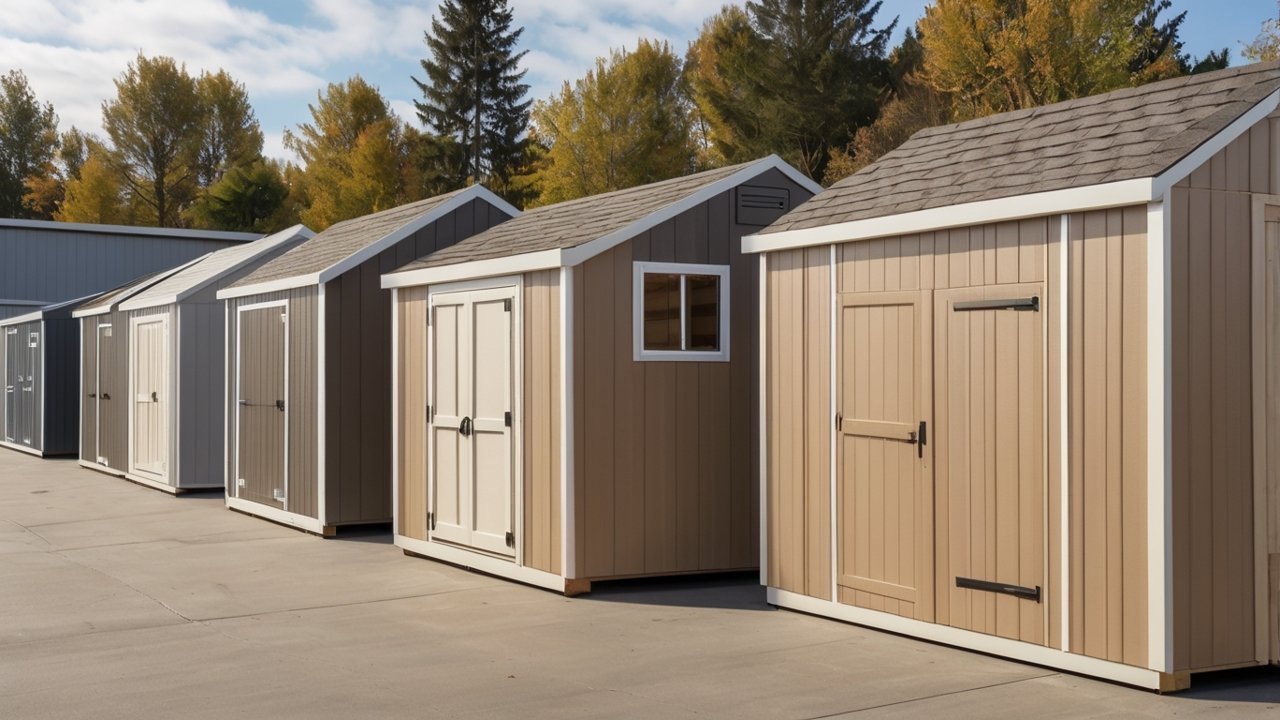
prefab shed prices display build vs buy shed cost buying option

Chapter 4: Cost Breakdown of Buying a Shed (Build vs Buy Shed Cost Analysis)

Prefab Shed Prices and What You’re Really Paying For

When evaluating the build vs buy shed cost, buying a prefab shed often appears more expensive upfront—but it includes several built-in advantages. Prefabricated sheds are designed, manufactured, and sometimes partially assembled before delivery, which saves time and reduces effort.

Typical prefab shed prices vary based on size and material:

  • Small sheds (6×8): $800 – $2,500
  • Medium sheds (8×10): $1,500 – $5,000
  • Large/custom sheds: $3,000 – $10,000+

These prices usually reflect factory precision, better structural consistency, and professional-grade materials. According to HomeAdvisor, prefab structures often last longer due to controlled manufacturing conditions, which can reduce long-term repair costs.

However, not all prefab sheds are equal. Lower-priced models may use thinner materials or simplified designs, so it’s important to compare specifications carefully.

Delivery and Installation Fees: Hidden Buying Costs

One major factor in the build vs buy shed cost that buyers often overlook is delivery and installation. While DIY builders invest time, buyers often pay for convenience.

Common Additional Costs When Buying

  • Delivery fees: $50 – $300 (depending on distance)
  • Installation charges: $100 – $1,000
  • Site preparation (leveling ground): $100 – $500

Some companies include installation in the purchase price, but others charge separately. Always confirm what’s included before making a decision.

To better understand site preparation and outdoor setups, this outdoor woodworking projects guide provides helpful context for preparing your backyard space.

If you prefer a more hands-on approach but still want guidance, you can see how you can build your own shed with this step-by-step guide—a recommended tool that helps you avoid delivery and installation fees altogether.

Customization Costs in Prefab Sheds

While prefab sheds are convenient, customization often comes at an extra cost. This is where the shed cost comparison becomes more nuanced.

Common Add-On Costs

  • Windows and skylights
  • Shelving and storage systems
  • Upgraded doors or locks
  • Electrical wiring or lighting

Each upgrade can add $50 to several hundred dollars. For homeowners who want a highly personalized shed, these costs can quickly push the total price beyond a DIY build.

If customization is important to you, exploring garden shed design ideas can help you visualize options before committing.

Alternatively, you can check out these affordable woodworking plans if you want full design control—often considered the best solution for customization without high add-on costs.

Prefab Shed Cost Summary (Realistic Breakdown)

To give you a clearer picture of the build vs buy shed cost, here’s a typical breakdown for a mid-sized prefab shed:

Expense Category Estimated Cost
Base Shed Price $1,500 – $3,500
Delivery $50 – $300
Installation $100 – $1,000
Site Preparation $100 – $500
Custom Features $100 – $1,000+
Total $1,850 – $6,300+

As you can see, while buying is convenient, the final price can vary widely depending on your choices.

Pros vs Cons of Buying a Shed

To better evaluate your options, here’s a practical comparison:

Pros

  • Fast setup (often within a day)
  • Professional construction quality
  • Minimal effort required

Cons

  • Higher upfront cost
  • Limited customization unless you pay extra
  • Additional fees for delivery and upgrades

For busy homeowners or those without DIY experience, buying is often the most practical option.

If you’re still considering building but want to reduce complexity, you can click here to explore this recommended DIY solution. It offers affordable DIY plans that simplify the process while keeping costs under control.

Who Should Consider Buying Instead of Building?

Buying a shed is usually the better choice if you:

  • Have limited time or tools
  • Prefer a quick, hassle-free setup
  • Want consistent, professional results
  • Are not confident in construction skills

Experts from Better Homes & Gardens recommend prefab sheds for homeowners who prioritize convenience and durability over customization.

Key Takeaway Before Moving Forward

The build vs buy shed cost shows that buying a shed offers convenience and reliability—but often at a higher price. Delivery, installation, and customization fees can significantly increase the total investment.

Now that you’ve seen both sides, the next chapter will provide a direct cost comparison table, helping you clearly decide which option gives you the best value for your budget and needs.
Chapter 5: Build vs Buy Shed Cost Comparison Table and Value Analysis

Side-by-Side Build vs Buy Shed Cost Comparison

Now that we’ve explored both options in detail, it’s time to directly compare them. A clear side-by-side view helps you understand the true build vs buy shed cost and where your money actually goes.

Below is a realistic comparison for a standard 8×10 shed:

Cost Factor DIY Shed (Build) Prefab Shed (Buy)
Materials $800 – $1,500 Included
Tools $150 – $500 Not needed
Labor Your time (free) Included or extra fee
Delivery Not required $50 – $300
Installation DIY $100 – $1,000
Customization Flexible Limited (extra cost)
Total Cost $1,200 – $3,300 $1,850 – $6,300+

At first glance, building appears cheaper. However, the gap narrows when you factor in tools, mistakes, and time. This is why a proper shed cost comparison is essential before deciding.

If you’re considering DIY, reviewing this step-by-step shed building guide can help you stay within budget and avoid common pitfalls.

Long-Term Value: Which Option Saves More?

Understanding the build vs buy shed cost isn’t just about upfront expenses—it’s also about long-term value.

DIY Shed Long-Term Value

  • Lower initial investment (if done correctly)
  • Easier to repair since you built it
  • Full control over materials and upgrades

Prefab Shed Long-Term Value

  • Professionally built for durability
  • Often includes warranties
  • Lower risk of structural issues

According to Family Handyman, DIY builds can last just as long as prefab sheds—if constructed properly. Poor workmanship, however, can lead to costly repairs within a few years.

For beginners, using structured plans can make a big difference. You can check out these affordable woodworking plans—a recommended tool that helps ensure durability while keeping costs under control.

Time vs Money: The Real Trade-Off

One of the biggest factors in the build vs buy shed cost is the trade-off between time and money.

DIY Time Investment

  • Planning: 1–2 days
  • Building: 2–5 weekends
  • Finishing: 1–2 days

Buying Time Investment

  • Research and selection: 1–2 days
  • Delivery and installation: 1 day or less

If your time is limited, buying may actually be more cost-effective when you consider the value of your time.

However, if you enjoy hands-on projects, DIY can be both rewarding and educational. To get started confidently, explore beginner woodworking projects and build your skills before tackling a full shed.

DIY vs Prefab: Pros and Cons Summary

To make your decision easier, here’s a quick comparison:

DIY Shed

Pros:

  • Lower potential cost
  • Full customization
  • Skill-building experience

Cons:

  • Time-consuming
  • Requires tools and planning
  • Risk of costly mistakes

Prefab Shed

Pros:

  • Fast and convenient
  • Professional quality
  • Minimal effort

Cons:

  • Higher upfront cost
  • Limited customization
  • Additional fees

If you want the benefits of DIY without the usual challenges, you can see how you can build your own shed with this step-by-step guide. It’s often considered the best solution for balancing cost, efficiency, and ease.

Real-World Scenario: Which Option Fits You?

Let’s break it down with a simple example:

  • Beginner with limited tools: Buying is safer and faster
  • DIY enthusiast with experience: Building offers better value
  • Busy homeowner: Prefab shed saves time
  • Budget-conscious hobbyist: DIY with proper planning is ideal

Many homeowners fall somewhere in between. That’s why hybrid approaches—like using pre-designed plans—are becoming increasingly popular.

If you want a smoother DIY experience, you can click here to explore this recommended DIY solution. It provides affordable DIY plans and helps reduce errors, making it easier to stay within budget.

Expert Insight: What Professionals Recommend

Experts from Better Homes & Gardens suggest that homeowners should prioritize realistic planning over assumptions. Underestimating time, cost, or skill level is one of the most common mistakes.

Additionally, safety guidelines from organizations like OSHA emphasize proper tool handling and protective equipment—especially for beginners working on construction projects.

Key Takeaway Before Moving On

The build vs buy shed cost comparison shows that neither option is universally better. The right choice depends on your budget, time, and skill level.

  • Choose DIY if you want customization and potential savings
  • Choose buying if you value convenience and reliability

In the next chapter, we’ll dive deeper into the pros and cons of building a shed, helping you understand whether DIY is truly the right path for your situation.

Chapter 6: Pros and Cons of Building a Shed (Build vs Buy Shed Cost Insights)

Advantages of Building a Shed (DIY Approach)

When analyzing the build vs buy shed cost, building your own shed can offer several clear advantages—especially for homeowners who enjoy hands-on projects. While it requires effort, the benefits can be both practical and rewarding.

1. Potential Cost Savings

One of the biggest reasons people choose DIY is to reduce costs. If you already own basic tools and plan carefully, building a shed can be more affordable than buying a prefab model.

You can further lower costs by using reclaimed materials or budget-friendly designs. For inspiration, check out these cheap DIY shed ideas , which are perfect for beginners working with limited budgets.

2. Full Customization

DIY allows complete control over:

  • Shed size and layout
  • Materials used
  • Storage features (shelves, hooks, windows)

This flexibility is ideal if you have unique storage needs or limited backyard space. Unlike prefab sheds, you’re not restricted to standard designs.

3. Skill Development and Satisfaction

Building your own shed is a valuable learning experience. Many hobbyists find it rewarding to complete a project from start to finish.

According to Fine Woodworking, hands-on projects improve both technical skills and confidence—especially for beginners who start with structured plans.

If you want to simplify the process, you can check out these affordable woodworking plans. These are often considered a recommended tool for beginners who want clear instructions and fewer mistakes.

Disadvantages of Building a Shed

While DIY has clear benefits, it’s important to understand the challenges. The build vs buy shed cost can quickly increase if these factors are not managed properly.

1. Time-Consuming Process

Building a shed isn’t a one-day job. Most beginners take:

  • 2–5 weekends to complete the structure
  • Additional time for finishing and adjustments

For busy homeowners, this time investment can outweigh the cost savings.

2. Tool and Equipment Costs

If you don’t already own tools, expenses can add up quickly. Basic equipment like drills, saws, and safety gear can significantly impact your budget.

To avoid overspending, it’s helpful to review this woodworking shop setup guide before starting your project.

3. Risk of Mistakes

Mistakes are common, especially for beginners. Incorrect measurements or poor material choices can lead to:

  • Wasted materials
  • Structural issues
  • Additional repair costs

This is why many experts recommend following proven plans instead of building from scratch. You can see how you can build your own shed with this step-by-step guide—a best solution for reducing costly errors.

DIY vs Buying: Quick Pros and Cons Comparison

To better understand the build vs buy shed cost, here’s a simplified comparison:

DIY Shed

Pros:

  • Lower potential cost
  • Full customization
  • Personal satisfaction

Cons:

  • Time-intensive
  • Requires tools and skills
  • Higher risk of unexpected expenses

Prefab Shed

Pros:

  • Fast installation
  • Professional quality
  • Minimal effort

Cons:

  • Higher upfront cost
  • Limited customization
  • Additional fees

Real-Life Scenario: When DIY Works Best

Let’s consider a practical example:

A homeowner with basic woodworking experience and existing tools decides to build a shed using pre-designed plans. By following a structured approach, they complete the project within budget and avoid major mistakes.

In this case, DIY becomes the more cost-effective option in the build vs buy shed cost comparison.

However, without proper planning, the same project could easily exceed the cost of buying a prefab shed.

Expert Advice for Beginners

Experts from The Spruce and Family Handyman recommend starting small and building confidence before tackling larger projects.

Here are a few practical tips:

  • Start with simple designs
  • Use pre-made plans instead of improvising
  • Double-check measurements before cutting materials
  • Always prioritize safety when using tools

You can also explore simple woodworking projects to build foundational skills.

If you want to fast-track your progress, you can click here to explore this recommended DIY solution. It offers affordable DIY plans and helps beginners avoid common pitfalls.

Key Takeaway Before Moving Forward

The build vs buy shed cost clearly shows that building a shed can save money and offer flexibility—but it requires time, effort, and careful planning.

DIY is ideal if you:

  • Enjoy hands-on projects
  • Want full customization
  • Have basic tools or experience

In the next chapter, we’ll explore the pros and cons of buying a shed, helping you decide whether convenience and speed might be the better choice for your situation.
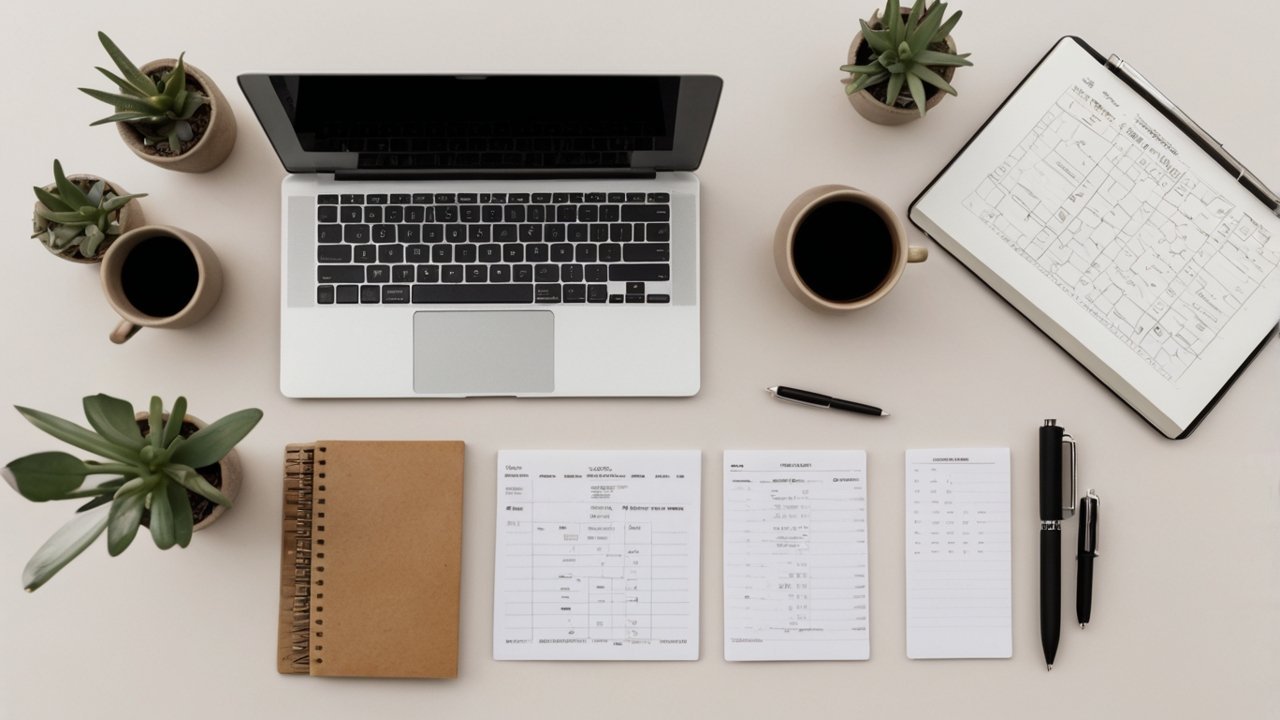
prefab shed benefits drawbacks build vs buy shed cost decision guide

Chapter 7: Pros and Cons of Buying a Shed (Build vs Buy Shed Cost Perspective)

Benefits of Buying a Shed (Prefab Option)

When evaluating the build vs buy shed cost, buying a prefab shed stands out as the most convenient and time-saving option. For many homeowners—especially beginners—this approach eliminates the complexity of construction and delivers quick results.

1. Fast and Hassle-Free Installation

One of the biggest advantages is speed. Most prefab sheds can be delivered and installed within a single day.

  • No need to plan construction مراحل
  • No weekends spent building
  • Immediate use after installation

For busy homeowners, this convenience often outweighs the higher upfront cost.

2. Professional Build Quality

Prefab sheds are typically manufactured in controlled environments, ensuring consistent quality. This reduces the risk of structural issues that can occur in DIY builds.

According to Better Homes & Gardens, factory-built sheds often use standardized processes that improve durability and weather resistance.

If you’re unsure about design options, browsing garden shed ideas and layouts can help you choose a style that fits your space.

3. Minimal Skill Required

Unlike DIY projects, buying a shed requires no technical skills. This makes it ideal for:

  • Beginners with no woodworking experience
  • Homeowners without tools
  • Anyone who prefers a stress-free solution

If you still want some customization without the complexity, you can check out these affordable woodworking plans. They’re a recommended tool for those considering a hybrid DIY approach.

Drawbacks of Buying a Shed

While buying offers convenience, it’s important to consider the downsides. The build vs buy shed cost often reveals that prefab sheds come with trade-offs.

1. Higher Upfront Cost

Prefab sheds generally cost more than DIY builds, especially when you include:

  • Delivery fees
  • Installation charges
  • Custom upgrades

This makes buying less attractive for budget-conscious homeowners.

2. Limited Customization

Most prefab sheds come in standard sizes and designs. While some customization is available, it usually comes at an additional cost.

If you want complete control over your shed’s layout, DIY may be a better option. You can see how you can build your own shed with this step-by-step guide—often considered the best solution for customization.

3. Additional Hidden Costs

Beyond the purchase price, there are often extra expenses such as:

  • Ground leveling or foundation setup
  • Delivery distance fees
  • Optional add-ons like shelving or windows

To better prepare your space, check out outdoor woodworking project ideas for practical setup inspiration.

Buying vs DIY: Quick Comparison

To better understand the build vs buy shed cost, here’s a simplified comparison:

Buying a Shed

Pros:

  • Quick setup
  • Professional quality
  • No skills required

Cons:

  • Higher cost
  • Limited customization
  • Extra fees possible

Building a Shed

Pros:

  • Lower potential cost
  • Full customization
  • Skill-building opportunity

Cons:

  • Time-consuming
  • Requires tools
  • Risk of mistakes

Real-World Example: When Buying Makes More Sense

Consider a homeowner who needs storage urgently but has no tools or experience. Building a shed could take weeks and involve trial and error.

In this case, buying a prefab shed is the smarter choice—even if the build vs buy shed cost is slightly higher. The time saved and reduced stress make it a worthwhile investment.

Expert Recommendations for Homeowners

Experts from The Spruce recommend prefab sheds for those who prioritize convenience and reliability. They also suggest carefully reviewing product specifications to ensure durability and weather resistance.

Additionally, safety organizations like OSHA highlight the risks involved in construction projects, especially for beginners using power tools. Buying a shed eliminates these risks entirely.

Smart Tip: When Buying Becomes the Best Solution

Buying is usually the best option if you:

  • Have limited time
  • Lack tools or DIY experience
  • Prefer a quick and reliable setup
  • Want minimal effort and stress

However, if you’re still interested in saving money through DIY—but want guidance—you can click here to explore this recommended DIY solution. It provides affordable DIY plans and helps beginners avoid costly mistakes.

Key Takeaway Before Moving Forward

The build vs buy shed cost shows that buying a shed offers unmatched convenience and professional quality—but often at a higher price.

  • Choose buying for speed and ease
  • Choose DIY for savings and customization

In the next chapter, we’ll explore time investment differences, helping you understand how long each option takes and which fits your schedule best.
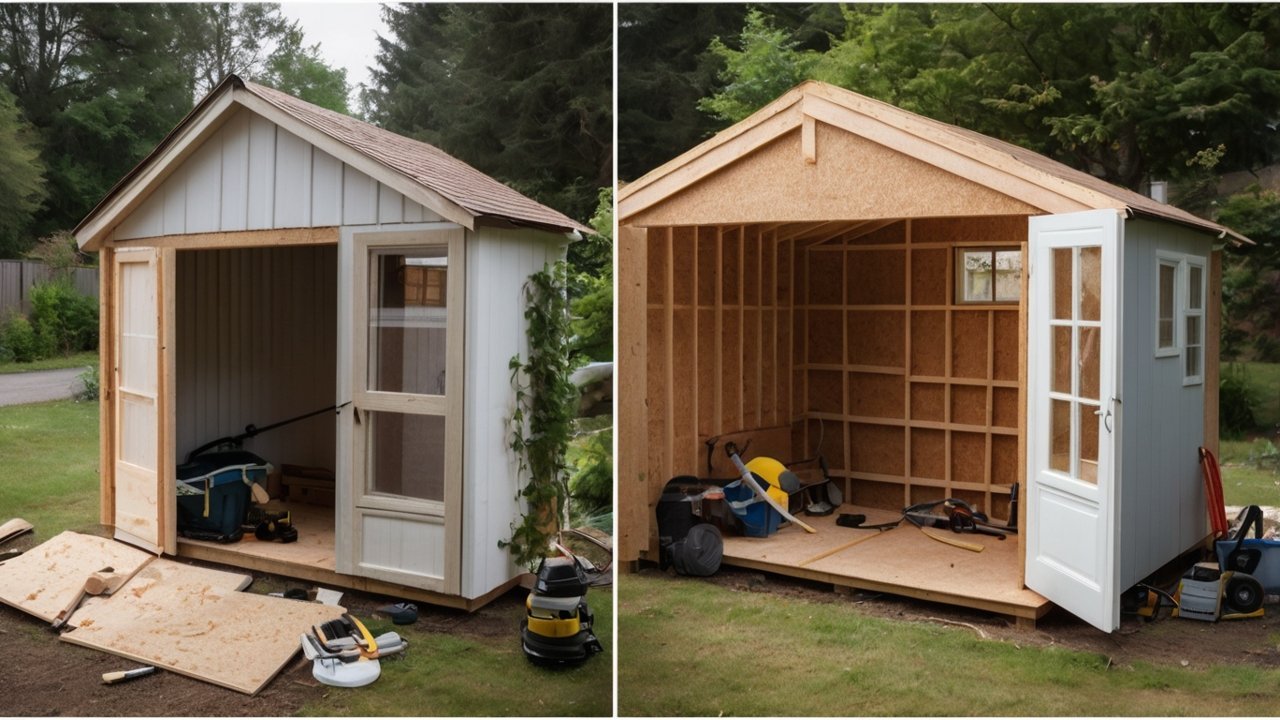
5

Chapter 8: Time Investment – Build vs Buy Shed Cost and Efficiency

How Time Impacts Build vs Buy Shed Cost Decisions

When evaluating the build vs buy shed cost, time is often overlooked—but it plays a major role in the overall value of your decision. While DIY may seem cheaper on paper, the hours (or even weeks) required can significantly affect whether it’s truly worth it.

For many homeowners, time equals money. Spending multiple weekends building a shed may not be practical, especially if you have a busy schedule. On the other hand, if you enjoy hands-on projects, the time investment can feel rewarding rather than costly.

According to Family Handyman, most first-time DIY builders underestimate project timelines by up to 30–50%. This makes proper planning essential before choosing to build.

How Long It Takes to Build a Shed (DIY Timeline)

Building a shed from scratch requires several stages, each adding to the total time investment.

Typical DIY Shed Timeline

  • Planning and design: 1–2 days
  • Gathering materials: 1–2 days
  • Foundation setup: 1–2 days
  • Frame construction: 2–4 days
  • Roofing and finishing: 2–3 days

Total estimated time: 2–5 weekends (for beginners)

Unexpected issues—such as weather delays or measurement mistakes—can extend this timeline even further.

To stay organized and avoid delays, it’s helpful to follow structured instructions like this step-by-step shed building guide . It helps streamline the process and reduce wasted time.

If you want a faster and more efficient approach, you can check out these affordable woodworking plans. These plans act as a recommended tool, helping beginners avoid time-consuming mistakes.

Prefab Shed Timeline: Fast and Convenient

Buying a shed dramatically reduces the time required. This is where the build vs buy shed cost becomes a trade-off between time and money.

Typical Buying Timeline

  • Research and selection: 1–2 days
  • Ordering and delivery: 2–7 days
  • Installation: a few hours to 1 day

Total estimated time: Less than 1 week

In many cases, the shed is ready to use immediately after installation. This makes prefab sheds ideal for homeowners who need quick storage solutions.

To prepare your backyard efficiently, you can explore outdoor woodworking project ideas for layout and setup inspiration.

DIY vs Buying: Time Comparison Table

To better understand the difference, here’s a simple comparison:

Factor DIY Shed (Build) Prefab Shed (Buy)
Planning Time Moderate Low
Construction Time High (days to weeks) Very low (hours)
Setup Complexity High Minimal
Time Flexibility Flexible but lengthy Fixed but quick

This comparison clearly shows that while DIY offers flexibility, buying wins in speed and convenience.

Real-Life Scenario: Time vs Cost Trade-Off

Imagine a homeowner who only has weekends available for projects. Building a shed could take over a month to complete. During that time, tools and materials may sit exposed, increasing the risk of damage or delays.

In contrast, purchasing a prefab shed allows them to solve the problem within days. Even if the upfront build vs buy shed cost is higher, the time saved makes it worthwhile.

Pros vs Cons: Time Investment Perspective

DIY Shed

Pros:

  • Flexible schedule
  • Can work at your own pace
  • Enjoyable for hobbyists

Cons:

  • Long completion time
  • Delays due to weather or errors
  • Requires consistent effort

Prefab Shed

Pros:

  • Quick installation
  • Immediate usability
  • Minimal effort required

Cons:

  • Less control over timeline (delivery dependent)
  • Requires upfront payment

If you want to combine speed with customization, you can see how you can build your own shed with this step-by-step guide. It’s often considered the best solution for reducing build time while maintaining control.

Expert Advice on Managing Time Efficiently

Experts from Better Homes & Gardens recommend breaking large DIY projects into smaller, manageable tasks. This helps maintain progress without feeling overwhelmed.

Additionally, planning your workspace properly can save hours of effort. Reviewing this woodworking shop setup guide can help you work more efficiently and safely.

From a safety perspective, organizations like OSHA emphasize avoiding rushed work, as it increases the risk of accidents—especially when using power tools.

Key Takeaway Before Moving Forward

The build vs buy shed cost isn’t just about money—it’s also about how much time you’re willing to invest.

  • Choose DIY if you enjoy the process and have time to spare
  • Choose buying if you need a fast, hassle-free solution

In the next chapter, we’ll explore skill level requirements, helping you determine whether your experience matches the demands of building a shed.

Chapter 9: Skill Level Requirements – Build vs Buy Shed Cost Considerations

How Skill Level Affects Build vs Buy Shed Cost

When deciding between DIY and prefab options, your experience level plays a huge role in the build vs buy shed cost. While building a shed may seem like a cost-saving opportunity, it can quickly become expensive if your skills don’t match the project’s complexity.

For beginners, even simple tasks like measuring, cutting, and assembling materials can lead to mistakes. These errors often result in wasted materials and additional costs—reducing the expected savings of a DIY build.

According to Family Handyman, lack of experience is one of the top reasons DIY projects exceed their original budget. That’s why understanding your skill level upfront is essential before choosing to build.

DIY Skills Needed to Build a Shed Successfully

Building a shed requires a combination of basic woodworking skills and practical knowledge. Even a simple structure involves multiple steps that must be done correctly.

Essential Skills for DIY Shed Building

  • Measuring and marking accurately
  • Cutting wood safely and precisely
  • Understanding basic framing techniques
  • Installing roofing materials
  • Using power tools confidently

If you’re new to these skills, it’s highly recommended to start small. You can explore beginner woodworking projects to build confidence before attempting a full shed.

Additionally, learning proper joinery techniques is crucial. This wood joinery guide explains how to create strong, durable connections—essential for long-lasting structures.

Why Beginners Often Struggle with DIY Projects

For first-time builders, the learning curve can be steep. Common challenges include:

  • Incorrect measurements leading to misaligned structures
  • Poor material choices affecting durability
  • Difficulty using unfamiliar tools
  • Underestimating project complexity

These issues can significantly impact the build vs buy shed cost, often making DIY more expensive than expected.

To reduce these risks, many beginners rely on structured plans. You can check out these affordable woodworking plans—a recommended tool that simplifies the process and minimizes costly mistakes.

Why Buying a Shed Is Easier for Beginners

For those with little to no experience, buying a prefab shed is often the safer and more practical option. It removes the need for technical skills and ensures a reliable outcome.

Advantages for Beginners

  • No construction knowledge required
  • No need to purchase tools
  • Professional installation ensures quality
  • Faster completion with fewer risks

This is why many experts from Better Homes & Gardens recommend prefab sheds for first-time homeowners or those unfamiliar with DIY construction.

However, if you still want to build but feel unsure, you can see how you can build your own shed with this step-by-step guide. It’s often considered the best solution for beginners who want guidance without feeling overwhelmed.

Skill Level Comparison: DIY vs Buying

To better understand how skill impacts your decision, here’s a quick comparison:

Factor DIY Shed (Build) Prefab Shed (Buy)
Skill Requirement Moderate to High None
Learning Curve Steep (for beginners) Minimal
Risk of Errors High Low
Confidence Needed Essential Not required

This table clearly shows that skill level is a major factor in the build vs buy shed cost decision.

Real-Life Example: Beginner vs Experienced Builder

Consider two homeowners:

  • Beginner: Attempts to build a shed without prior experience, makes measurement errors, and ends up spending more on extra materials
  • Experienced DIYer: Uses proper tools and plans, completes the shed efficiently, and saves money

In this scenario, the experienced builder benefits from lower costs, while the beginner may find that buying would have been the better option.

Expert Advice: Start Smart and Build Confidence

Experts from The Spruce suggest that beginners should avoid jumping straight into large projects. Instead:

  • Practice with smaller builds
  • Learn tool safety and handling
  • Use pre-designed plans
  • Take time to plan before starting

You can also explore easy small woodworking projects to develop your skills gradually.

If you want a smoother learning curve, you can click here to explore this recommended DIY solution. It offers affordable DIY plans and helps beginners gain confidence while avoiding costly mistakes.

Key Takeaway Before Moving Forward

The build vs buy shed cost is heavily influenced by your skill level. Choosing the wrong option for your experience can lead to frustration and higher expenses.

  • Choose DIY if you have basic woodworking skills or are willing to learn
  • Choose buying if you want a simple, low-risk solution

In the next chapter, we’ll explore customization and design flexibility, helping you understand which option gives you the most creative control over your shed.

Chapter 10: Customization and Design Flexibility – Build vs Buy Shed Cost Insights

How Customization Impacts Build vs Buy Shed Cost

When comparing options, customization is one of the biggest factors influencing the build vs buy shed cost. Some homeowners want a simple storage unit, while others need a shed tailored to specific purposes—like a workshop, garden hub, or even a mini office.

Customization directly affects both price and usability. The more personalized your shed is, the more you may spend—especially with prefab options where upgrades come at a premium.

This is why understanding your design needs early can help you avoid overspending and choose the most efficient approach.

Creative Freedom in DIY Sheds (Full Customization Control)

One of the biggest advantages of building your own shed is complete design flexibility. With DIY, you’re not limited by standard sizes or layouts—you can create exactly what you need.

What You Can Customize in a DIY Shed

  • Size and shape (fit tight or irregular spaces)
  • Interior layout (shelves, workbenches, storage zones)
  • Materials (wood types, finishes, roofing styles)
  • Doors, windows, and ventilation

For example, a gardener may want extra windows for natural light, while a hobbyist might prioritize tool storage and workspace.

If you’re unsure where to start, exploring garden shed plans and backyard ideas can spark inspiration and help you visualize your ideal design.

To make customization easier, many beginners rely on structured guides. You can check out these affordable woodworking plans—a recommended tool that provides customizable layouts while keeping your project organized.

Customization Limits in Prefabricated Sheds

While prefab sheds offer convenience, customization is often limited. Most manufacturers provide a set range of sizes and styles, with optional upgrades available at an extra cost.

Common Custom Options (With Extra Cost)

  • Additional windows or skylights
  • Upgraded doors or locks
  • Interior shelving systems
  • Exterior finishes and colors

Each add-on can increase the total price, which affects the overall shed cost comparison. In some cases, a heavily customized prefab shed may cost significantly more than a DIY build.

If you want design inspiration without committing to expensive upgrades, check out creative woodworking ideas to explore unique layouts and features.

DIY vs Prefab: Customization Comparison

Here’s a quick breakdown of how both options compare:

Feature DIY Shed (Build) Prefab Shed (Buy)
Design Flexibility Unlimited Limited
Cost Control High (depends on choices) Lower control
Upgrade Costs Flexible Often expensive
Creativity Level High Moderate

This clearly shows that DIY offers more freedom, while prefab sheds focus on simplicity and convenience.

Real-Life Example: Custom Shed Needs

Imagine a homeowner who wants a shed that doubles as a workshop. They need:

  • Extra ventilation
  • Custom shelving
  • Specific dimensions to fit their backyard

With a prefab shed, these features may require costly upgrades—or may not even be available. In contrast, a DIY build allows complete customization at a potentially lower cost.

This is where the build vs buy shed cost becomes more than just numbers—it’s about getting the right functionality for your needs.

Balancing Customization with Budget

While customization is appealing, it’s important to balance creativity with cost. Over-customizing a DIY shed can lead to:

  • Increased material expenses
  • Longer build times
  • More complex construction

Experts from Fine Woodworking recommend prioritizing essential features first, then adding upgrades gradually. This approach keeps your project manageable and cost-effective.

If you want a structured way to customize without overspending, you can see how you can build your own shed with this step-by-step guide. It’s often considered the best solution for balancing flexibility and budget.

Pros vs Cons: Customization Perspective

DIY Shed

Pros:

  • Full creative control
  • Tailored to specific needs
  • Flexible material choices

Cons:

  • Requires planning and design effort
  • Risk of overcomplicating the build
  • Potential cost increases

Prefab Shed

Pros:

  • Simple and ready-made designs
  • Quick decision-making
  • Less planning required

Cons:

  • Limited customization
  • Higher cost for upgrades
  • Less unique design

Expert Tip: Start Simple, Then Customize

For beginners, it’s best to start with a simple design and expand later. This approach:

  • Reduces initial costs
  • Makes construction easier
  • Allows gradual improvements over time

You can also explore simple woodworking projects to build your design confidence before tackling a fully customized shed.

If you’re ready to take the next step, you can click here to explore this recommended DIY solution. It offers affordable DIY plans and helps you customize efficiently without unnecessary complexity.

Key Takeaway Before Moving Forward

The build vs buy shed cost is heavily influenced by customization needs.

  • Choose DIY if you want full creative control and tailored functionality
  • Choose buying if you prefer simplicity and faster decisions

In the next chapter, we’ll explore durability and quality considerations, helping you understand which option offers better long-term performance and value.

custom shed design flexibility DIY vs prefab build vs buy shed cost

Chapter 11: Durability and Quality Considerations – Build vs Buy Shed Cost Analysis

How Durability Affects Build vs Buy Shed Cost

When evaluating the build vs buy shed cost, durability is a critical factor that many homeowners overlook. While upfront cost matters, the true value of your shed depends on how long it lasts and how well it withstands weather, wear, and daily use.

A cheaper shed that needs frequent repairs may end up costing more over time. That’s why focusing on build quality and material selection is essential when making your decision.

According to Better Homes & Gardens, well-built sheds—whether DIY or prefab—can last 15–30 years with proper maintenance. However, poor construction or low-quality materials can reduce that lifespan significantly.

Material Quality Differences: DIY vs Prefab Sheds

The materials you choose (or receive) directly impact durability and long-term performance.

DIY Shed Materials

With DIY, you have full control over material quality. You can choose:

  • Pressure-treated wood for moisture resistance
  • High-quality roofing shingles
  • Durable fasteners and finishes

This flexibility allows you to build a shed that meets your exact durability needs. However, it also requires knowledge to choose the right materials.

If you’re unsure, this complete guide to wood types can help you select materials that balance cost and strength.

Prefab Shed Materials

Prefab sheds are typically built with standardized materials. While many are durable, some budget models may use thinner panels or lower-grade wood.

  • High-end prefab sheds: strong and weather-resistant
  • Budget prefab sheds: may sacrifice durability for lower cost

This is why comparing specifications is essential when buying.

Longevity: DIY vs Store-Bought Sheds

The lifespan of your shed plays a major role in the overall build vs buy shed cost. A longer-lasting shed provides better value over time.

DIY Shed Longevity

  • Can last 15–25+ years if built correctly
  • Depends heavily on craftsmanship and materials
  • Easier to repair since you know the structure

Prefab Shed Longevity

  • Typically lasts 10–20 years
  • Consistent build quality from factory production
  • May require professional repairs for complex issues

Experts from Fine Homebuilding emphasize that proper construction techniques—especially framing and sealing—are key to maximizing lifespan.

Weather Resistance and Climate Impact

Durability also depends on your local climate. A shed in a rainy or humid environment needs stronger protection than one in a dry area.

Key Weather Factors

  • Rain and humidity → risk of rot and mold
  • Sun exposure → fading and material weakening
  • Wind and storms → structural stability

To protect your shed, proper finishing is essential. This wood finishing techniques guide explains how to seal and protect wood effectively.

If you want a durable DIY structure without guesswork, you can check out these affordable woodworking plans. These are a recommended tool for ensuring strong, weather-resistant builds.

DIY vs Prefab: Durability Comparison Table

Factor DIY Shed (Build) Prefab Shed (Buy)
Material Control Full Limited
Build Quality Depends on skill Consistent
Lifespan Potential High (if done right) Moderate to high
Repair Flexibility Easy May require assistance

This comparison shows that DIY offers higher potential durability—but only when built correctly.

Real-Life Example: Quality vs Cost Trade-Off

Consider two homeowners:

  • DIY Builder: Uses high-quality wood and proper sealing, resulting in a shed that lasts over 20 years
  • Prefab Buyer: Chooses a budget model that requires repairs after 8–10 years

In this case, the DIY option delivers better long-term value—even if the initial build vs buy shed cost was similar.

Pros vs Cons: Durability Perspective

DIY Shed

Pros:

  • Higher durability potential
  • Full control over materials
  • Easier long-term maintenance

Cons:

  • Quality depends on skill level
  • Mistakes can reduce lifespan
  • Requires proper finishing

Prefab Shed

Pros:

  • Consistent build quality
  • Reliable for average use
  • Less effort required

Cons:

  • Limited material choices
  • Budget models may wear faster
  • Repairs can be less flexible

Expert Advice: Build for Longevity

Experts from The Spruce recommend focusing on durability over short-term savings. Investing in better materials and proper construction techniques can significantly extend your shed’s lifespan.

Additionally, safety organizations like OSHA stress the importance of proper installation and structural stability—especially in areas prone to strong weather conditions.

If you want to ensure long-term quality without trial and error, you can see how you can build your own shed with this step-by-step guide. It’s often considered the best solution for combining durability with cost efficiency.

Key Takeaway Before Moving Forward

The build vs buy shed cost is not just about initial price—it’s about long-term durability and value.

  • Choose DIY if you want control over quality and long-term performance
  • Choose buying if you prefer consistent construction with less effort

In the next chapter, we’ll explore maintenance and repair costs, helping you understand the ongoing expenses of owning a shed over time.

Chapter 12: Maintenance and Repair Costs – Build vs Buy Shed Cost Over Time

Why Maintenance Matters in Build vs Buy Shed Cost

When analyzing the build vs buy shed cost, many homeowners focus only on the initial price. However, long-term maintenance and repair costs can significantly impact your total investment.

A shed is exposed to weather, moisture, and daily wear. Without proper upkeep, even a well-built structure can deteriorate over time. This is why understanding ongoing maintenance costs is essential before choosing between DIY and prefab options.

According to Better Homes & Gardens, regular maintenance can extend a shed’s lifespan by up to 50%, making it one of the most cost-effective ways to protect your investment.

Ongoing Maintenance Costs for DIY Sheds

DIY sheds offer flexibility in repairs, but they also require consistent upkeep—especially if built with wood.

Common DIY Maintenance Tasks

  • Repainting or sealing wood every 1–3 years
  • Checking for rot, mold, or insect damage
  • Tightening screws and reinforcing joints
  • Replacing damaged roofing materials

Annual maintenance costs typically range from $50 to $300, depending on the shed size and materials used.

To ensure your shed stays in good condition, proper finishing is key. This wood finishing techniques guide explains how to protect wood from moisture and wear.

If you want to reduce maintenance issues from the start, you can check out these affordable woodworking plans. These plans act as a recommended tool by guiding you toward durable designs and materials.

Maintenance Needs for Prefab Sheds

Prefab sheds generally require less maintenance—especially models made from metal or resin. However, they are not completely maintenance-free.

Typical Prefab Maintenance Tasks

  • Cleaning exterior surfaces
  • Inspecting for rust (metal sheds)
  • Checking seals and joints
  • Minor repairs for doors or panels

Annual costs are usually lower, around $20 to $150, depending on the material.

However, repairs can sometimes be more complicated. Unlike DIY sheds, you may need specific replacement parts or professional help, which can increase costs.

To better understand outdoor structure care, exploring outdoor woodworking project ideas can provide useful maintenance insights.

DIY vs Prefab: Maintenance Cost Comparison

Here’s a simple comparison to highlight the differences:

Factor DIY Shed (Build) Prefab Shed (Buy)
Annual Maintenance $50 – $300 $20 – $150
Repair Flexibility Easy (DIY fixes) Limited (may need parts)
Material Care Higher (especially wood) Lower (metal/resin)
Long-Term Cost Moderate Low to moderate

This table shows that while DIY sheds may require more upkeep, they are often easier and cheaper to repair.

Common Repair Issues to Expect

Understanding common repair issues helps you prepare for future costs and avoid surprises in the build vs buy shed cost.

DIY Shed Repairs

  • Replacing damaged wood panels
  • Fixing leaks in the roof
  • Reinforcing structural joints

Prefab Shed Repairs

  • Replacing cracked panels
  • Fixing door alignment issues
  • Addressing rust or corrosion

Many of these issues can be minimized with proper planning and materials.

If you want to avoid frequent repairs, you can see how you can build your own shed with this step-by-step guide. It’s often considered the best solution for building a durable, low-maintenance shed.

Pros vs Cons: Maintenance Perspective

DIY Shed

Pros:

  • Easy to repair yourself
  • Full control over maintenance materials
  • Lower repair costs over time

Cons:

  • Requires regular upkeep
  • More effort needed for maintenance
  • Higher risk of wear if not maintained

Prefab Shed

Pros:

  • Lower routine maintenance
  • Durable materials (especially metal/resin)
  • Less frequent upkeep

Cons:

  • Repairs may require special parts
  • Less flexibility in fixing issues
  • Potential higher repair costs if damaged

Expert Advice: Reduce Maintenance Costs

Experts from The Spruce recommend preventive maintenance as the best way to save money long-term. Simple actions like sealing wood, cleaning surfaces, and checking for damage regularly can prevent costly repairs.

Additionally, safety guidelines from OSHA emphasize maintaining structural integrity—especially for outdoor buildings exposed to weather.

For beginners, using structured plans can also reduce maintenance needs. You can click here to explore this recommended DIY solution. It offers affordable DIY plans designed for durability and long-term use.

Key Takeaway Before Moving Forward

The build vs buy shed cost doesn’t end after construction or purchase—maintenance plays a major role in long-term expenses.

  • Choose DIY if you want easy, low-cost repairs and full control
  • Choose buying if you prefer lower routine maintenance

In the next chapter, we’ll explore location and climate impact, helping you understand how your environment affects shed costs and durability.

shed maintenance cost DIY vs prefab build vs buy shed cost upkeep

Chapter 13: Location and Climate Impact on Build vs Buy Shed Cost

How Location Influences Build vs Buy Shed Cost

When evaluating the build vs buy shed cost, your location plays a bigger role than most people expect. Factors like local regulations, labor costs, and material availability can all affect your total budget.

For example, in urban areas, materials and labor tend to be more expensive. In rural areas, costs may be lower—but transportation and delivery fees can increase, especially for prefab sheds.

Additionally, some regions require permits for sheds above a certain size. These permits can cost anywhere from $50 to $300, depending on local regulations.

Before starting your project, it’s a good idea to review size and placement requirements. This shed size planning guide can help you plan efficiently and avoid compliance issues.

Climate Impact on Shed Durability and Cost

Climate is one of the most important factors affecting the build vs buy shed cost, especially when it comes to long-term durability.

Different climates require different materials and construction methods:

Rainy or Humid Climates

  • Higher risk of wood rot and mold
  • Requires pressure-treated wood and waterproof finishes
  • Increased maintenance costs

Hot and Sunny Climates

  • UV exposure can weaken materials
  • Paint and finishes may fade or crack
  • Ventilation becomes essential

Cold or Snowy Climates

  • Roof must support snow load
  • Strong framing required
  • Insulation may be needed

To protect your shed from weather damage, proper finishing is essential. This wood finishing techniques guide explains how to extend the lifespan of your structure.

DIY vs Prefab: Climate Adaptability Comparison

Understanding how each option performs in different environments is key to making the right decision.

Factor DIY Shed (Build) Prefab Shed (Buy)
Climate Adaptability High (custom materials) Moderate (standard builds)
Weather Resistance Depends on build quality Consistent
Long-Term Durability High (if well-built) Moderate to high
Maintenance Needs Higher in harsh climates Lower (for metal/resin)

This comparison shows that DIY sheds offer better adaptability, while prefab sheds provide consistent but less flexible performance.

Real-Life Example: Climate-Based Decision

Imagine two homeowners:

  • Tropical Climate (High Humidity): A DIY builder uses untreated wood, leading to mold and rot within a few years
  • Same Climate with Proper Planning: Another homeowner uses pressure-treated wood and sealants, resulting in a durable, long-lasting shed

In this case, the build vs buy shed cost depends heavily on material choices and climate awareness—not just the initial price.

Local Regulations and Permit Considerations

Beyond climate, local rules can also affect your project.

Common Regulations to Consider

  • Maximum shed size without a permit
  • Distance from property boundaries
  • Height restrictions
  • Foundation requirements

Ignoring these rules can result in fines or forced removal of your shed—significantly increasing your overall cost.

Experts from Better Homes & Gardens recommend checking local building codes before starting any project to avoid unexpected expenses.

Cost Implications Based on Location

Here’s how location can impact your total cost:

DIY Shed

  • Material costs vary by region
  • Tool availability may differ
  • Permit fees may apply

Prefab Shed

  • Delivery costs depend on distance
  • Installation fees vary by location
  • Limited options in remote areas

If you want to reduce risks related to location and climate, you can check out these affordable woodworking plans. These plans are a recommended tool for choosing the right materials and designs based on your environment.

Pros vs Cons: Location and Climate Perspective

DIY Shed

Pros:

  • Can be customized for local climate
  • Better material selection for durability
  • Flexible design for specific conditions

Cons:

  • Requires knowledge of local weather challenges
  • Higher risk of mistakes if poorly planned
  • More effort needed for climate protection

Prefab Shed

Pros:

  • Designed for general weather conditions
  • Easier to install
  • Less planning required

Cons:

  • Limited adaptability to extreme climates
  • May require upgrades for durability
  • Additional costs for modifications

Expert Advice: Build Smart for Your Environment

Experts from The Spruce emphasize choosing materials that match your local climate. For example, pressure-treated wood is ideal for humid regions, while metal sheds perform well in dry areas.

Additionally, safety organizations like OSHA highlight the importance of structural stability in areas prone to strong winds or heavy snow.

If you want a climate-ready design without guesswork, you can see how you can build your own shed with this step-by-step guide. It’s often considered the best solution for building durable sheds tailored to your environment.

Key Takeaway Before Moving Forward

The build vs buy shed cost is strongly influenced by where you live and the climate conditions you face.

  • Choose DIY if you want full control over materials and climate adaptability
  • Choose buying if you prefer a simple, ready-made solution

In the next chapter, we’ll explore when building a shed is the better option, helping you identify situations where DIY truly provides the best value.

shed in different climates weather impact build vs buy shed cost durability

Chapter 14: When Building a Shed Is the Better Option (Build vs Buy Shed Cost Guide)

When Build vs Buy Shed Cost Favors DIY Projects

There are specific situations where the build vs buy shed cost clearly favors building your own shed. While DIY isn’t always the easiest path, it can be the most cost-effective and rewarding choice under the right conditions.

If you already have basic tools, some woodworking experience, and enough time, building a shed can significantly reduce your overall expenses. More importantly, it allows you to control every aspect of the project—from materials to design—ensuring you get exactly what you need.

According to Fine Woodworking, DIY projects are most successful when homeowners plan carefully and use proven designs instead of improvising.

Budget-Friendly Scenarios Where DIY Makes Sense

Building a shed is often the better option when you’re working within a tight budget. In these cases, every cost-saving opportunity matters.

DIY Is Ideal If You:

  • Already own essential tools
  • Can source affordable or reclaimed materials
  • Are willing to invest time instead of money
  • Want to avoid delivery and installation fees

For example, using reclaimed wood or simple designs can dramatically reduce costs. You can explore cheap DIY shed ideas to find budget-friendly approaches that still deliver great results.

If you’re unsure how to start, you can check out these affordable woodworking plans. These plans are a recommended tool for beginners looking for a structured and cost-efficient approach.

Custom Design Needs: Why DIY Wins

Another major reason to choose DIY is when you need a highly customized shed. Prefab options often come in standard sizes and layouts, which may not fit your specific requirements.

DIY Is Better If You Need:

  • Unique dimensions for small or irregular spaces
  • Specialized storage (tools, gardening equipment, workspace)
  • Extra features like windows, ventilation, or shelving

For inspiration, take a look at garden shed design ideas to see how different layouts can meet specific needs.

Customization is where the build vs buy shed cost becomes less about price and more about value. A DIY shed can deliver exactly what you want without paying extra for upgrades.

DIY vs Buying: Cost Advantage Comparison

Here’s a quick look at when DIY becomes the more cost-effective option:

Scenario Better Choice
Tight budget DIY Build
Need full customization DIY Build
Have tools and experience DIY Build
Plenty of time available DIY Build

This shows that DIY is most beneficial when you can leverage your time, skills, and resources effectively.

Real-Life Example: Smart DIY Decision

Imagine a homeowner who already owns basic tools and has some woodworking experience. They decide to build a shed using pre-designed plans and locally sourced materials.

  • They avoid delivery and installation fees
  • They customize the shed to fit their backyard perfectly
  • They complete the project within budget

In this case, the build vs buy shed cost clearly favors DIY, both financially and functionally.

Reducing Risk: How to Build Smarter

While DIY can save money, poor planning can quickly eliminate those savings. To ensure success, it’s important to follow a structured approach.

Smart DIY Tips

  • Use pre-designed plans instead of starting from scratch
  • Measure carefully to avoid material waste
  • Start with a simple design
  • Allocate extra budget for unexpected costs

To simplify the process, you can see how you can build your own shed with this step-by-step guide. It’s often considered the best solution for beginners who want to build efficiently and avoid costly mistakes.

Pros vs Cons: When DIY Is the Right Choice

DIY Shed

Pros:

  • Lower potential cost
  • Full customization
  • No delivery or installation fees

Cons:

  • Time-intensive
  • Requires tools and planning
  • Risk of errors if inexperienced

Expert Advice: When to Choose DIY

Experts from The Spruce recommend DIY projects for homeowners who enjoy hands-on work and have realistic expectations about time and effort.

Additionally, safety organizations like OSHA emphasize proper tool handling and planning to reduce risks during construction.

If you want to increase your chances of success, you can click here to explore this recommended DIY solution. It offers affordable DIY plans that help beginners build with confidence and control costs.

Key Takeaway Before Moving Forward

The build vs buy shed cost clearly favors DIY when you have the right combination of time, tools, and customization needs.

  • Choose DIY if you want to save money and create a personalized design
  • Choose buying if convenience and speed are your priorities

In the next chapter, we’ll explore when buying a shed is the smarter choice, helping you decide if a prefab option better fits your situation.

Chapter 15: When Buying a Shed Is the Smarter Choice (Build vs Buy Shed Cost Guide)

When Build vs Buy Shed Cost Favors Buying a Shed

While DIY can be rewarding, there are many situations where the build vs buy shed cost clearly favors purchasing a prefab shed. For homeowners who value convenience, speed, and reliability, buying often becomes the more practical and stress-free solution.

If you lack tools, time, or construction experience, building a shed may lead to costly mistakes and delays. In these cases, paying a bit more upfront for a ready-made shed can actually save money in the long run.

According to Better Homes & Gardens, prefab sheds are ideal for homeowners who want consistent quality without the risks associated with DIY construction.

Convenience and Time-Saving Benefits

One of the biggest reasons to choose buying over building is convenience. A prefab shed eliminates the need for planning, sourcing materials, and construction work.

Buying Is Ideal If You:

  • Have a busy schedule
  • Need a shed quickly
  • Prefer a hassle-free process
  • Don’t want to manage tools or materials

Instead of spending weeks building, you can have a shed delivered and installed within days. This makes buying especially appealing for those who need immediate storage solutions.

To prepare your space efficiently, you can explore outdoor woodworking project ideas for layout inspiration and backyard setup tips.

Limited Skills or Tools: Why Buying Makes Sense

Not everyone has the skills or tools required for a successful DIY project. In fact, skill level is one of the biggest factors influencing the build vs buy shed cost.

Buying Is Better If You:

  • Have little or no woodworking experience
  • Don’t own essential tools
  • Feel unsure about construction safety
  • Want to avoid costly mistakes

Beginners often underestimate the complexity of building a shed. Mistakes in measurement or assembly can lead to wasted materials and higher costs.

If you’re interested in DIY but lack experience, you can check out these affordable woodworking plans. These plans act as a recommended tool, helping you build with confidence while minimizing risks.

Cost Efficiency Through Reduced Risk

Although prefab sheds typically have a higher upfront price, they can be more cost-efficient in certain situations.

Why Buying Can Save Money

  • No need to purchase tools
  • No material waste from mistakes
  • Faster completion reduces delays
  • Professional construction reduces repair risks

For many homeowners, avoiding these hidden DIY costs makes buying the smarter financial decision in the build vs buy shed cost comparison.

DIY vs Buying: When Buying Wins

Here’s a quick breakdown of when buying is the better option:

Scenario Better Choice
Limited time Buy
No tools or experience Buy
Need quick installation Buy
Prefer low-risk solution Buy

This table highlights how buying becomes the logical choice when convenience and reliability are priorities.

Real-Life Example: Choosing Convenience Over DIY

Imagine a homeowner who needs a shed within a week to store gardening tools. They have no prior DIY experience and limited free time.

  • Building would take several weekends
  • Tool costs would increase the budget
  • Mistakes could delay the project

In this case, buying a prefab shed is the smarter choice. Even though the upfront build vs buy shed cost is higher, the time saved and reduced stress make it worthwhile.

Pros vs Cons: Buying a Shed

Prefab Shed

Pros:

  • Fast and easy setup
  • Professional build quality
  • No skills required
  • Lower risk of errors

Cons:

  • Higher upfront cost
  • Limited customization
  • Additional fees for upgrades

Expert Advice: When to Choose Buying

Experts from The Spruce recommend prefab sheds for homeowners who prioritize efficiency and simplicity. They also suggest reviewing product specifications carefully to ensure durability and value.

Additionally, safety organizations like OSHA highlight the risks involved in construction projects. Buying a shed eliminates these risks entirely, making it a safer option for beginners.

Smart Alternative: Guided DIY Approach

If you’re still interested in building but want to reduce complexity, a guided approach can be a great middle ground.

You can see how you can build your own shed with this step-by-step guide—often considered the best solution for beginners who want structure without the stress.

For a more complete setup, you can also click here to explore this recommended DIY solution, which offers affordable DIY plans designed to simplify the entire process.

Key Takeaway Before Moving Forward

The build vs buy shed cost clearly favors buying when convenience, speed, and simplicity are your top priorities.

  • Choose buying if you want a quick, reliable solution
  • Choose DIY if you have time, tools, and experience

In the next chapter, we’ll explore expert tips to save money on shed costs, helping you reduce expenses regardless of which option you choose.

Chapter 16: Expert Tips to Save Money on Build vs Buy Shed Cost

Smart Strategies to Reduce Build vs Buy Shed Cost

No matter which option you choose, there are proven ways to reduce the overall build vs buy shed cost. With the right approach, you can save hundreds—even thousands—of dollars while still getting a durable and functional shed.

The key is to plan carefully, avoid common mistakes, and make cost-efficient decisions at every stage. According to Family Handyman, proper planning alone can cut project costs by up to 20%.

Cost-Cutting Strategies for DIY Shed Builds

If you decide to build your own shed, there are several ways to keep expenses under control without sacrificing quality.

1. Use Pre-Designed Plans

Creating a design from scratch often leads to errors and wasted materials. Instead, follow proven plans to stay efficient.

You can check out these affordable woodworking plans—a recommended tool that helps beginners avoid costly mistakes and stick to a budget.

2. Choose Budget-Friendly Materials

Not all materials need to be premium. Consider:

  • Reclaimed or recycled wood
  • Standard lumber instead of custom cuts
  • Simple roofing options

To make better material choices, refer to this complete guide to wood types , which helps balance cost and durability.

3. Start with a Simple Design

Complex designs increase both time and material costs. A basic rectangular shed is easier and more affordable to build.

You can also explore cheap DIY shed ideas for inspiration that keeps things simple and cost-effective.

4. Avoid Common DIY Mistakes

Errors can quickly increase your total cost. To prevent this, review shed building mistakes to avoid before starting your project.

How to Save Money When Buying a Shed

Even if you choose to buy, there are still ways to reduce the build vs buy shed cost.

1. Compare Multiple Sellers

Prices can vary widely between suppliers. Always compare:

  • Materials used
  • Included features
  • Warranty options

2. Choose Standard Sizes

Custom sheds cost significantly more. Sticking to standard sizes helps you avoid expensive upgrades.

3. Look for Seasonal Discounts

Many retailers offer discounts during off-peak seasons. Buying at the right time can save a substantial amount.

4. Minimize Add-Ons

Extra features like windows or shelving can increase costs quickly. Focus on essentials first, then upgrade later if needed.

DIY vs Buying: Cost-Saving Comparison

Here’s how both options can be optimized for savings:

Strategy DIY Shed (Build) Prefab Shed (Buy)
Planning Essential Important
Cost Control High Moderate
Hidden Costs Avoidable with planning Fixed but predictable
Savings Potential Higher Moderate

This comparison shows that DIY offers more control over costs, while buying provides more predictable pricing.

Real-Life Example: Saving Money the Smart Way

Consider a homeowner who wants to minimize their build vs buy shed cost:

  • They use pre-designed plans instead of guessing measurements
  • They choose standard materials and avoid unnecessary upgrades
  • They build a simple design instead of a complex structure

As a result, they complete their shed within budget and avoid unexpected expenses.

Best Solution for Beginners: Guided DIY Approach

If you want to save money but avoid the risks of DIY, a guided approach is often the best option.

You can see how you can build your own shed with this step-by-step guide. It’s widely considered the best solution for beginners who want to balance cost savings with ease.

For even more support, you can click here to explore this recommended DIY solution. It provides affordable DIY plans and helps you stay on track from start to finish.

Pros vs Cons: Cost-Saving Perspective

DIY Shed

Pros:

  • Greater control over spending
  • Potential for significant savings
  • Flexible material choices

Cons:

  • Requires time and effort
  • Risk of mistakes if unprepared
  • Tool costs may apply

Prefab Shed

Pros:

  • Predictable pricing
  • Faster completion
  • Less effort required

Cons:

  • Limited cost flexibility
  • Add-ons can increase price
  • Higher upfront cost

Expert Advice: Plan Before You Spend

Experts from The Spruce recommend setting a clear budget before starting any project. This helps you avoid overspending and stay focused on essential features.

Additionally, safety organizations like OSHA emphasize proper planning and preparation to prevent costly errors and accidents during construction.

Key Takeaway Before Moving Forward

The build vs buy shed cost can be significantly reduced with smart planning and informed decisions.

  • Use DIY strategies to maximize savings and flexibility
  • Use buying strategies to control costs and avoid surprises

In the next chapter, we’ll explore common mistakes to avoid, helping you prevent costly errors and make the most of your investment.

prefab shed best choice build vs buy shed cost convenience option

Chapter 17: Common Mistakes to Avoid in Build vs Buy Shed Cost Decisions

Why Mistakes Increase Build vs Buy Shed Cost

When comparing options, many homeowners focus only on price—but common mistakes can quickly inflate the build vs buy shed cost. Whether you’re building or buying, small errors in planning or execution often lead to wasted money, time, and effort.

According to Family Handyman, poor planning is one of the top reasons DIY projects go over budget. The good news? Most of these mistakes are avoidable with the right knowledge and preparation.

Budgeting Errors That Cost You More

One of the most common mistakes is underestimating the total cost of a shed project. Many people only consider materials or the purchase price, ignoring additional expenses.

Common Budgeting Mistakes

  • Forgetting to include tools and equipment
  • Ignoring delivery or installation fees
  • Underestimating material quantities
  • Not setting aside a contingency budget

A good rule of thumb is to add 10–15% extra to your budget for unexpected costs. This simple step can prevent financial stress later.

To better understand cost planning, reviewing shed building mistakes to avoid can help you identify common pitfalls early.

Choosing the Wrong Materials

Material selection has a major impact on durability, maintenance, and overall build vs buy shed cost. Choosing cheap or unsuitable materials may save money upfront—but often leads to higher repair costs later.

Common Material Mistakes

  • Using untreated wood in humid climates
  • Choosing low-quality roofing materials
  • Ignoring weather resistance requirements

To avoid these issues, it’s important to understand your material options. This complete guide to wood types can help you select the right materials for your project.

If you want a safer approach, you can check out these affordable woodworking plans. These plans act as a recommended tool by guiding you toward proven, durable material choices.

Poor Planning and Design Decisions

Another major issue is starting a project without a clear plan. This often leads to structural problems, wasted materials, and delays.

Planning Mistakes to Avoid

  • Not measuring your space accurately
  • Choosing a shed size that doesn’t fit your needs
  • Skipping foundation preparation
  • Ignoring local regulations

Before building, it’s helpful to review a shed size planning guide to ensure your design matches your space and requirements.

For a smoother experience, you can also see how you can build your own shed with this step-by-step guide—often considered the best solution for beginners who want structured planning.

Underestimating Time and Skill Requirements

Many homeowners assume building a shed will be quick and easy. In reality, DIY projects require time, patience, and skill.

Common Time & Skill Mistakes

  • Rushing the build process
  • Overestimating your skill level
  • Not allocating enough time for completion

These mistakes can lead to poor workmanship and increased costs. Experts from The Spruce recommend starting with smaller projects to build confidence before tackling a full shed.

DIY vs Buying: Mistake Comparison

Here’s how mistakes typically affect each option:

Mistake Type DIY Shed (Build) Prefab Shed (Buy)
Budget Errors High risk Moderate risk
Material Mistakes High impact Lower impact
Time Mismanagement Significant delays Minimal
Skill Issues Major factor Not applicable

This shows that DIY projects carry higher risk—but also offer more control if done correctly.

Real-Life Example: Avoiding Costly Errors

Imagine a beginner who starts building a shed without proper planning:

  • They buy the wrong materials
  • They miscalculate measurements
  • They run out of budget halfway through

In this case, the build vs buy shed cost ends up much higher than expected.

Now compare that to someone who follows structured plans:

  • They know exactly what materials to buy
  • They avoid waste and delays
  • They complete the project efficiently

The difference comes down to preparation and guidance.

Best Solution: Plan Before You Build or Buy

To avoid costly mistakes, it’s important to take a structured approach from the beginning.

Smart Steps to Follow

  • Create a detailed budget
  • Choose the right materials for your climate
  • Use proven designs and plans
  • Allow extra time for completion

If you want to minimize risks, you can click here to explore this recommended DIY solution. It offers affordable DIY plans and helps you avoid common errors while staying within budget.

Pros vs Cons: Mistake Risk Perspective

DIY Shed

Pros:

  • Full control over decisions
  • Potential for cost savings
  • Flexible design

Cons:

  • Higher risk of mistakes
  • Requires careful planning
  • Time and skill dependent

Prefab Shed

Pros:

  • Lower risk of errors
  • Predictable process
  • Faster completion

Cons:

  • Less flexibility
  • Higher upfront cost
  • Limited customization

Expert Advice: Learn Before You Start

Experts from Better Homes & Gardens emphasize the importance of research and preparation before starting any project. Understanding potential challenges helps you avoid costly errors and make better decisions.

Additionally, safety organizations like OSHA recommend proper planning and tool handling to reduce risks during construction.

Key Takeaway Before Moving Forward

The build vs buy shed cost can increase significantly due to avoidable mistakes. Planning, material selection, and realistic expectations are key to staying within budget.

  • Avoid mistakes by planning carefully and using proven resources
  • Choose the option that matches your skills, time, and budget

Next, we’ll move into the FAQ section, where we answer the most common questions to help you make a confident final decision.

save money on shed build vs buy shed cost tips budget planning

Chapter 18: FAQs About Build vs Buy Shed Cost

Is it cheaper to build or buy a shed? (Build vs Buy Shed Cost Explained)

The answer depends on your situation. In many cases, building a shed can be cheaper if you already own tools and have basic skills. However, for beginners, the build vs buy shed cost may actually favor buying due to hidden expenses like tools, mistakes, and time.

Experts from Family Handyman note that DIY projects often exceed initial budgets if not planned carefully. To reduce risks, you can check out these affordable woodworking plans, which act as a recommended tool for staying on budget.

How much does it cost to build a shed from scratch?

The cost of building a shed varies based on size, materials, and design.

Average DIY Shed Costs

  • Small shed: $500 – $1,200
  • Medium shed: $800 – $2,000
  • Large shed: $1,500 – $4,000+

Keep in mind that tools, permits, and finishing materials can increase the total cost. For a detailed breakdown, reviewing cheap DIY shed ideas can help you find budget-friendly options.

Are prefab sheds worth the price?

Yes, prefab sheds can be worth the investment—especially if you value convenience and speed. While the upfront build vs buy shed cost is higher, prefab sheds offer:

  • Professional construction quality
  • Faster installation
  • Lower risk of mistakes

According to Better Homes & Gardens, prefab sheds are ideal for homeowners who prefer reliability and minimal effort.

Do I need a permit to build a shed?

In many areas, permits are required for sheds above a certain size (often 100–120 square feet). Regulations vary depending on your location.

Common Permit Requirements

  • Size limitations
  • Distance from property lines
  • Height restrictions

Before starting your project, it’s important to check local regulations. This shed size planning guide can help you plan accordingly.

How long does a shed last?

The lifespan of a shed depends on materials, construction quality, and maintenance.

  • DIY sheds: 15–25+ years (if built correctly)
  • Prefab sheds: 10–20 years on average

Regular maintenance, such as sealing and repairs, can significantly extend the lifespan. You can learn more from this wood finishing techniques guide .

What is the cheapest type of shed to build?

The most affordable sheds are typically:

  • Small wooden sheds with simple designs
  • Sheds built with reclaimed or recycled materials
  • Basic structures without complex features

Keeping the design simple is the key to minimizing the build vs buy shed cost. If you want a structured approach, you can see how you can build your own shed with this step-by-step guide—often considered the best solution for beginners.

Is building a shed difficult for beginners?

Building a shed can be challenging for beginners, especially without prior woodworking experience. However, it becomes much easier with proper guidance.

Tips for Beginners

  • Start with a simple design
  • Use pre-made plans
  • Learn basic tool skills first

You can also click here to explore this recommended DIY solution. It offers affordable DIY plans that simplify the process and reduce mistakes.

Key Takeaway Before Conclusion

The build vs buy shed cost depends on your budget, skills, and priorities. Both options have advantages, and the best choice varies for each homeowner.

  • DIY offers savings and customization
  • Buying provides convenience and reliability

In the next section, we’ll wrap everything up with a clear conclusion to help you make your final decision with confidence.

shed building mistakes avoid build vs buy shed cost errors

Chapter 19: Conclusion – Making the Right Build vs Buy Shed Cost Decision

Final Thoughts on Build vs Buy Shed Cost

After exploring every angle, it’s clear that the build vs buy shed cost is not a one-size-fits-all decision. Both options come with their own advantages, and the best choice depends on your budget, time, skills, and long-term goals.

If you enjoy hands-on projects and want full control over design, building your own shed can be a rewarding and cost-effective option. With careful planning, the right materials, and proper guidance, DIY can deliver excellent value and customization.

On the other hand, if you prioritize convenience, speed, and reliability, buying a prefab shed is often the smarter choice. It eliminates the complexity of construction and provides a ready-to-use solution with minimal effort.

Quick Decision Guide

To simplify your choice, here’s a practical summary:

  • Choose DIY if you:
    • Want to save money
    • Enjoy building projects
    • Need full customization
    • Have time and basic skills
  • Choose Buying if you:
    • Need a shed quickly
    • Prefer a hassle-free process
    • Lack tools or experience
    • Want predictable results

Balanced Recommendation for Most Homeowners

For many beginners, a guided DIY approach offers the best balance between cost savings and ease. Instead of starting from scratch, using structured plans can help you avoid mistakes and stay within budget.

You can check out these affordable woodworking plans—a recommended tool that simplifies the building process and improves your chances of success.

If you want a more detailed walkthrough, you can also see how you can build your own shed with this step-by-step guide, which is often considered the best solution for beginners.

Final Expert Insight

Experts from Better Homes & Gardens and The Spruce agree that the key to success lies in realistic planning. Understanding your limitations, budget, and goals will help you make a confident and informed decision.

Additionally, following proper safety practices—especially when using tools—is essential, as highlighted by OSHA guidelines.

Final Takeaway

The build vs buy shed cost ultimately comes down to what you value most:

  • 💰 Savings & customization → Build your own shed
  • Speed & convenience → Buy a prefab shed

There is no wrong choice—only the one that fits your lifestyle best.

Affiliate Disclosure

This article may contain affiliate links. If you purchase through these links, we may earn a small commission at no extra cost to you. This helps support our content and allows us to continue providing valuable, in-depth guides for homeowners and DIY enthusiasts.