Wood Joints Explained: 15 Essential Joints for Woodworkers
Have you ever wondered why some furniture lasts for decades while other projects loosen or fail after a few years? The answer often comes down to wood joints. From simple DIY builds to fine furniture, the way pieces of wood are joined together plays a huge role in strength, durability, and appearance.
Understanding wood joints matters whether you’re a beginner picking up tools for the first time or a hobbyist looking to improve your craftsmanship. The right joint can make a project stronger without relying on excess screws or hardware, while also giving it a cleaner, more professional look. On the flip side, using the wrong joint in the wrong place can lead to weak connections, wasted time, and frustration. That’s why learning the different types of wood joints and how they function is such an important part of woodworking.
In this guide, you’ll discover how common woodworking joints work, where they’re best used, and why some joints are better suited for furniture, cabinets, or simple home projects. By the end, wood joints will feel less confusing and far more practical, setting the stage for better, longer-lasting builds as we move into the details below.
Chapter 1: What Are Wood Joints and Why They Matter in Woodworking
Woodworking often seems simple until a finished project starts to wobble or loosen after a short period of use. In many cases, the problem isn’t the lumber or the tools but the wood joints holding everything together. Learning how wood joints work is one of the most important steps for beginners and hobbyists who want their projects to last.
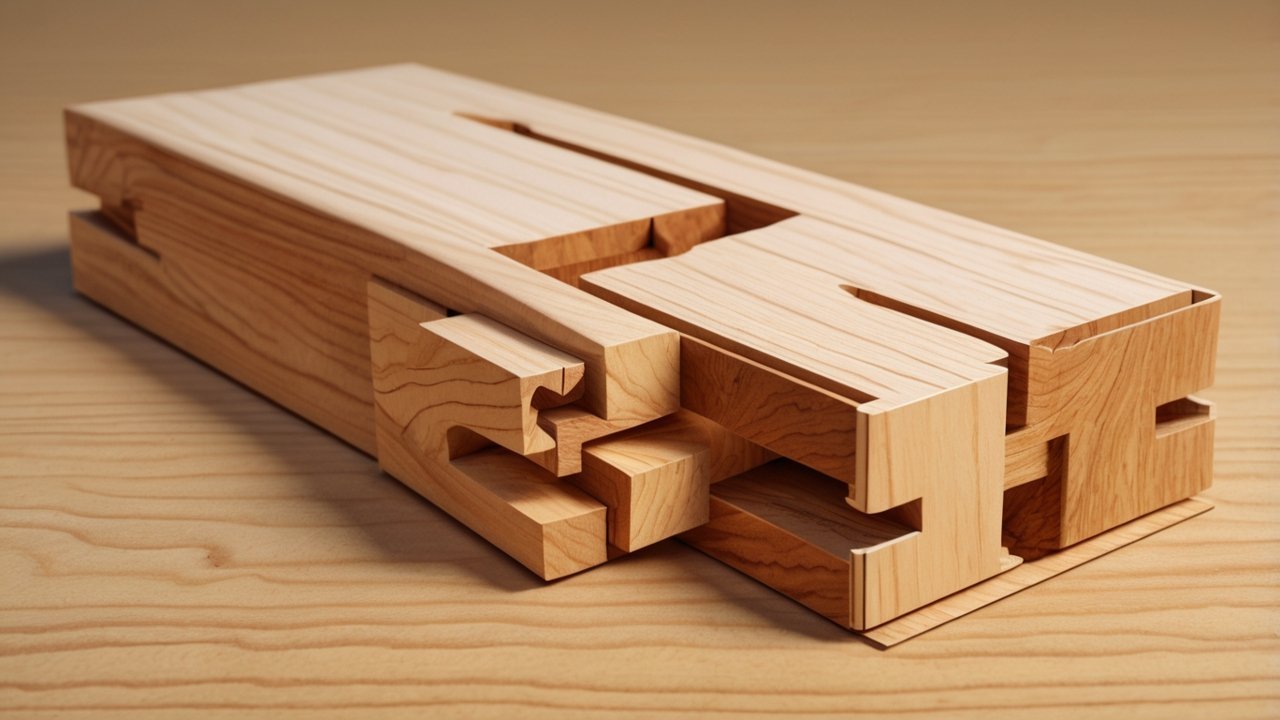
A wood joint is the method used to connect two or more pieces of wood. These connections determine how much weight a project can support, how it reacts to movement, and how clean the final result looks. When chosen correctly, wood joints work with the natural behavior of wood instead of against it.
Understanding Wood Joints for Beginners
Most beginners rely heavily on screws, nails, or metal brackets when they first start building. While this approach works for quick projects, it often creates weak points over time. Wood joints increase surface contact between pieces, which improves stability and reduces stress on hardware.
Well-designed woodworking joints help:
-
Distribute weight evenly
-
Reduce long-term loosening
-
Improve alignment and squareness
A simple example is shelving. A shelf attached only with screws may sag under weight, while the same shelf built with proper joinery stays solid for years. This difference becomes obvious as projects age.
If you want a clear overview of common methods, this guide on
wood joinery techniques for DIY projects explains how different joints function in real-world builds.
Why Wood Joints Matter for Strength and Durability
Strength is one of the main reasons wood joints matter in woodworking. Different joints are designed to resist different forces, such as pulling apart, twisting, or downward pressure. Furniture, cabinets, and outdoor structures all depend on joints that match their specific load requirements.
Experienced builders and long-standing woodworking publications consistently point out that joinery-based construction outperforms fastener-only builds over time. This becomes especially important for structural projects like sheds, workbenches, or storage units.
If you’re planning a larger project and want a best solution that removes guesswork,
see how you can build your own shed with this step-by-step guide. These affordable DIY plans show exactly which joints to use and where, making them ideal for beginners working on load-bearing builds.
Wood Joints vs Screws and Nails: Pros and Cons
Many hobbyists ask whether learning joinery is worth the extra effort. Here’s a practical comparison.
Using Wood Joints
-
Pros: Stronger connections, cleaner appearance, longer lifespan
-
Cons: Requires accuracy and practice
Using Screws or Nails
-
Pros: Faster, easier for temporary builds
-
Cons: Can loosen over time, visible hardware
For quick utility projects, screws may be enough. For furniture or long-term builds, wood joints are usually the smarter choice. If you prefer building once instead of rebuilding later, joinery pays off.
You can see this balance in action in these
easy woodworking projects for beginners, where simple joints replace excessive hardware without adding complexity.
How Wood Joints Improve Appearance and Craftsmanship
Wood joints don’t only affect strength. They also affect how a project looks. Clean joints help surfaces sit flush, corners stay square, and edges line up properly. In many custom builds, exposed joints become part of the design rather than something to hide.
This is one reason many DIYers prefer building their own furniture instead of buying mass-produced pieces. When comparing custom builds vs ready-made furniture, joint quality often determines both durability and visual appeal.
If you’re ready to move beyond basic projects,
click here to explore this recommended DIY solution. It’s designed for hobbyists who want professional-looking results without advanced skills or expensive tools.
Skill Level, Tools, and Practical Planning
Not every joint suits beginners, and that’s completely normal. Starting with simple joints improves accuracy and safety. Many woodworking safety guidelines recommend mastering basic hand tools before moving to advanced joinery methods.
As skills grow, following structured plans helps avoid costly mistakes. For builders who want a guided approach,
check out these affordable woodworking plans. They walk you through joint selection, tool usage, and project sequencing, which often saves time and materials.
A proper workspace also plays a role. This guide on
setting up a woodworking shop layout explains how organization directly affects joinery accuracy.
Key Takeaway for Beginners and Hobbyists
Understanding wood joints early gives you control over strength, appearance, and longevity. Start with simple joints, focus on accuracy, and choose connections based on function rather than speed. Once you grasp why joints matter, selecting the right one becomes far easier.
In the next chapter, we’ll break down the most common wood joints and explain exactly when and why to use each one.
Chapter 2: Basic Types of Wood Joints Every Beginner Should Know
Once you understand why joints matter, the next step is learning the most common options. For beginners, starting with basic wood joints builds confidence without requiring complex tools or advanced skills. These joints form the foundation of woodworking and appear in everything from simple shelves to beginner furniture projects.
The key is not to learn every joint at once, but to understand what each basic joint does well and where it falls short.
Butt Joint: The Simplest Wood Joint
The butt joint is the most basic of all wood joints. It connects two pieces of wood by simply butting one end against another. Because it requires minimal cutting, this joint is often the first one beginners use.
Pros
-
Very easy to make
-
Requires basic tools
-
Fast for simple builds
Cons
-
Weak without reinforcement
-
Relies heavily on screws or glue
Butt joints work best for temporary projects or non-load-bearing builds like basic frames or mock-ups. For long-term use, reinforcement is essential.
If you’re just starting out, you’ll see butt joints used frequently in these
easy woodworking projects for beginners because they’re forgiving and easy to assemble.
Lap Joint: A Stronger Alternative to Butt Joints
A lap joint improves strength by overlapping two pieces of wood. This increases surface contact, which makes the joint more stable than a basic butt joint. Half-lap joints are especially common in beginner projects.
Compared to butt joints, lap joints:
-
Handle weight better
-
Stay aligned more easily
-
Look cleaner when assembled
This type of joint is often used in frames, table bases, and simple structural builds. For hobbyists looking to step up from beginner methods, lap joints are a logical next move.
If you plan to build practical furniture instead of decorative items, wood joints like lap joints provide a noticeable upgrade in durability.
Edge Joint: Essential for Panels and Tabletops
An edge joint connects boards side by side to create a wider surface. You’ll see this joint used in tabletops, cabinet panels, and shelves. While it looks simple, accuracy matters.
A good edge joint depends on:
-
Straight, square edges
-
Even glue pressure
-
Proper clamping
Many beginners struggle with panel glue-ups at first. Using guides or structured plans helps reduce mistakes. If panels are part of your future builds,
check out these affordable woodworking plans that walk you through alignment, clamping, and joint preparation step by step.
Corner Joints and Simple Frame Connections
Corner joints combine basic joinery with alignment. Mitered corners and reinforced butt joints are common examples. These joints are often used in picture frames, boxes, and trim work.
While miter joints look clean, they are weak without reinforcement. Beginners often pair them with splines, dowels, or fasteners to improve strength.
If your goal is decorative woodworking, corner joints allow clean lines with minimal visible hardware. For functional furniture, reinforcement becomes critical.
Pros and Cons of Basic Wood Joints
Understanding trade-offs helps you choose the right joint for each project.
Basic Wood Joints
-
Pros: Easy to learn, minimal tools, beginner-friendly
-
Cons: Limited strength, often need reinforcement
Advanced Joinery
-
Pros: Stronger, longer-lasting
-
Cons: Steeper learning curve
For most beginners, basic joints are enough to build confidence. As skills grow, upgrading to stronger joints becomes easier and more rewarding.
If you’re deciding whether to build or buy, comparing DIY vs pre-built furniture often comes down to joint quality and construction methods rather than materials alone.
When to Use Basic Wood Joints
Basic joints are ideal for:
-
Learning tool control
-
Practicing accuracy
-
Building small projects
They are less suitable for:
-
Load-bearing furniture
-
Outdoor structures
-
High-stress connections
If you plan to move into larger projects like sheds or workshops, following structured instructions becomes more important.
See how you can build your own shed with this step-by-step guide to avoid joint selection mistakes that can weaken structural builds.
Tools That Make Basic Joinery Easier
While basic wood joints don’t require advanced tools, the right setup improves accuracy. Measuring tools, clamps, and square cuts matter more than power.
A well-organized workspace also helps prevent mistakes. This guide on
setting up a woodworking shop layout explains how layout directly affects joint quality and safety.
Chapter 2 Takeaway
Basic wood joints form the backbone of woodworking. They’re easy to learn, forgiving, and practical for beginners. Mastering these joints builds the skills you’ll need for stronger, more advanced joinery later.
In the next chapter, we’ll move into intermediate wood joints that offer greater strength and are commonly used in furniture and cabinetry projects.
Chapter 3: Intermediate Wood Joints for Stronger and Longer-Lasting Builds
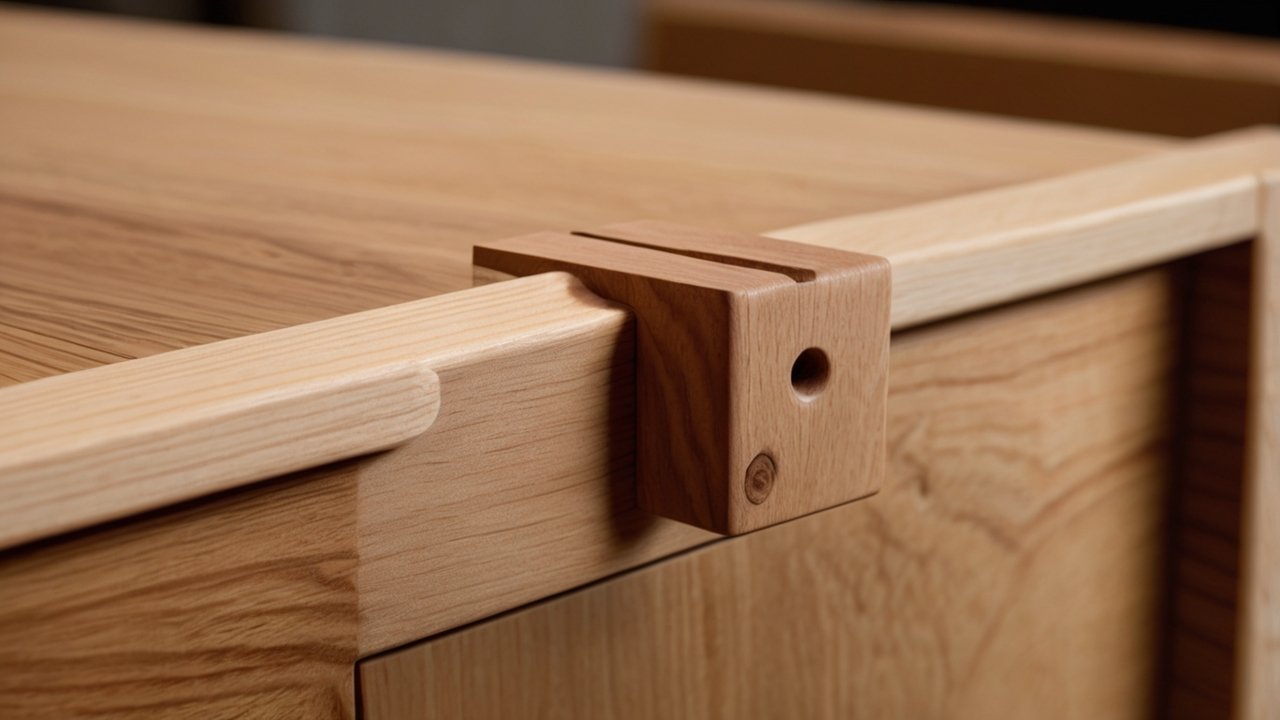
Once you’re comfortable with basic joinery, the next step is moving into intermediate techniques. These wood joints offer significantly more strength than beginner joints while remaining practical for hobbyists who want to build furniture, cabinets, or long-lasting home projects.
Intermediate joints strike a balance. They don’t require master-level skills, but they do demand better accuracy and planning. For many DIYers, this is where woodworking starts to feel truly rewarding.
Mortise and Tenon Joint: The Backbone of Furniture
The mortise and tenon joint is one of the most trusted woodworking joints in history. It consists of a tenon (a protruding section) that fits tightly into a mortise (a matching cavity). This joint excels at handling both downward loads and side-to-side movement.
Why it works so well
-
Large surface area for glue
-
Strong mechanical interlock
-
Excellent resistance to twisting
You’ll find mortise and tenon joints in chairs, tables, doors, and bed frames. For furniture that needs to last, this joint is often the best solution.
If you’re interested in building furniture instead of buying it, these
DIY wooden furniture projects for beginners show how mortise and tenon joints are used in approachable, step-by-step builds.
Dado Joint: Ideal for Shelves and Cabinets
A dado joint involves cutting a groove across the grain to accept another board. This joint is commonly used in bookcases, cabinets, and storage units where shelves need strong support.
Compared to basic shelf supports, dado joints:
-
Prevent shelves from sagging
-
Improve alignment
-
Increase load capacity
For beginners stepping into cabinetry, dado joints offer a noticeable strength upgrade without excessive complexity. Accuracy matters here, especially with depth and width.
If you’re planning built-ins or storage furniture, wood joints like dado joints make the structure feel solid instead of temporary.
For guided builds that remove measuring guesswork,
check out these affordable woodworking plans. They clearly show where dado joints belong and how deep to cut them for real-world loads.
Rabbet Joint: Simple, Clean, and Versatile
The rabbet joint is created by cutting a step-shaped notch along the edge of a board. While simpler than mortise and tenon, it’s far stronger than a butt joint and extremely versatile.
Common uses include:
-
Cabinet backs
-
Drawer construction
-
Frame assemblies
Rabbet joints improve alignment and increase glue surface area, which makes assembly easier and cleaner. Many hobbyists use them as a transition joint before moving into more complex joinery.
If you enjoy smaller builds, you’ll see rabbet joints used frequently in these
easy small woodworking projects because they balance strength and simplicity.
Comparing Intermediate Wood Joints to Basic Joints
Understanding when to upgrade matters.
Basic Wood Joints
-
Pros: Easy, fast, minimal tools
-
Cons: Limited strength, hardware-dependent
Intermediate Wood Joints
-
Pros: Stronger, more durable, cleaner appearance
-
Cons: Require precision and planning
For furniture, cabinets, or any project meant to last years, intermediate joints are usually worth the extra effort. This is often where DIY builds begin to outperform store-bought alternatives.
Tools and Skill Level Considerations
Intermediate joinery requires better control, not necessarily expensive tools. Many woodworkers cut mortise and tenon joints with chisels, while dado and rabbet joints can be made using routers or table saws.
Safety guidelines from established woodworking communities consistently stress:
-
Proper clamping
-
Sharp tools
-
Controlled cuts
If you plan to work regularly with intermediate joints, improving your workspace helps. This guide on
setting up a woodworking shop layout explains how layout and tool placement improve accuracy and safety.
For builders who want a structured learning path,
click here to explore this recommended DIY solution. It’s designed for hobbyists who want to build stronger projects without relying on trial and error.
When Intermediate Wood Joints Make the Most Sense
Intermediate joints are ideal for:
-
Furniture that supports weight
-
Cabinets and storage units
-
Projects meant for long-term use
They are less necessary for:
-
Temporary builds
-
Decorative-only projects
If your next goal includes a shed, workshop, or larger structure, joint selection becomes even more important.
See how you can build your own shed with this step-by-step guide to ensure the right joints are used in structural areas.
Chapter 3 Takeaway
Intermediate wood joints are where woodworking truly levels up. They offer a major improvement in strength, stability, and appearance without requiring advanced mastery. Once you feel comfortable with these joints, you’re well prepared to move into decorative and advanced joinery.
In the next chapter, we’ll explore advanced and decorative wood joints, including dovetails and box joints, and explain when they’re worth the extra effort.
Chapter 4: Advanced and Decorative Wood Joints for High-End Projects
Once you move past intermediate joinery, advanced techniques open the door to stronger, cleaner, and more visually impressive builds. These wood joints are commonly used in fine furniture, drawers, boxes, and heirloom-quality projects. While they require more precision, the payoff in strength and appearance is significant.
Advanced joints are not about speed. They are about control, accuracy, and understanding how wood behaves over time. For hobbyists who enjoy craftsmanship, this stage is often the most satisfying.
Dovetail Joint: Strength Meets Craftsmanship
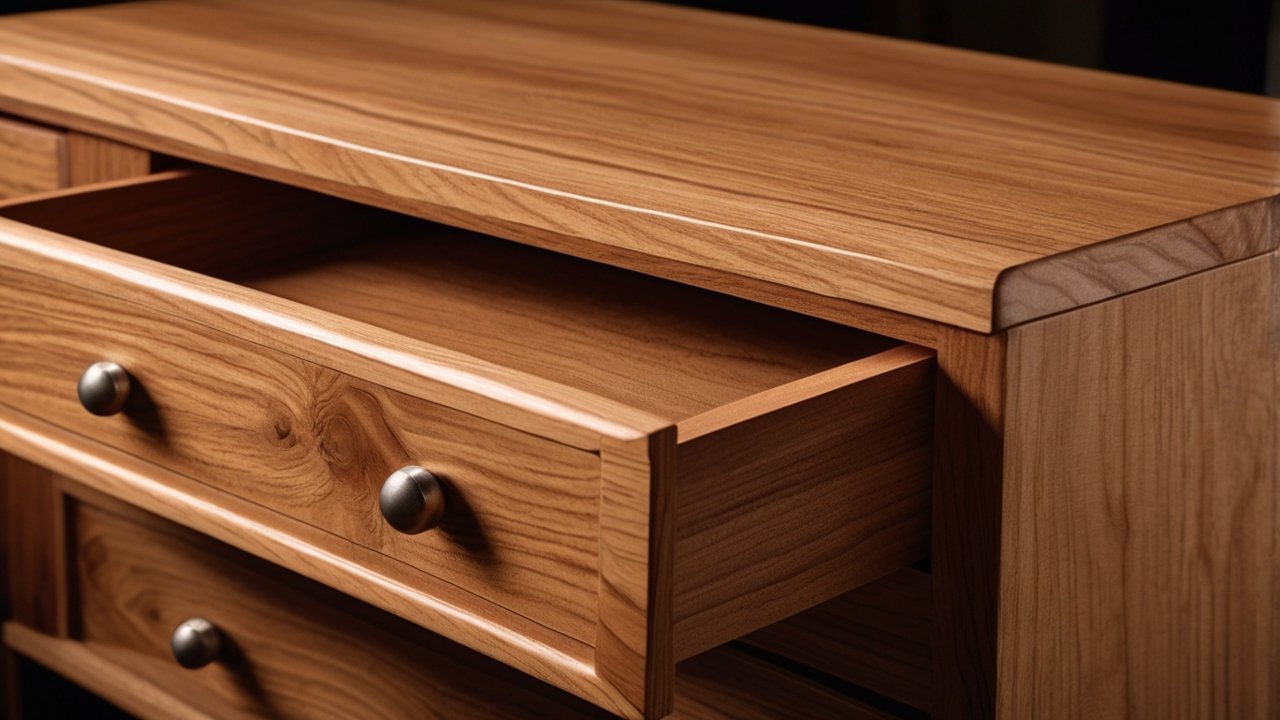
The dovetail joint is widely regarded as one of the strongest and most attractive woodworking joints. Its interlocking shape resists pulling apart, making it ideal for drawers and boxes that experience frequent movement.
Why dovetails stand out
-
Exceptional resistance to tension
-
Large glue surface area
-
Recognizable sign of quality craftsmanship
You’ll often see dovetail joints in high-end drawer boxes, tool chests, and custom furniture. While hand-cut dovetails require practice, many beginners start with jigs to build confidence.
If you want to see how dovetails are applied in approachable builds, these
DIY wooden furniture projects for beginners demonstrate how decorative joints elevate simple designs.
Box Joint (Finger Joint): Clean, Strong, and Symmetrical
The box joint, also called a finger joint, uses evenly spaced rectangular “fingers” to connect two boards. While simpler to cut than dovetails, box joints still offer excellent strength and a clean, modern look.
Compared to dovetails, box joints:
-
Are easier to machine
-
Offer consistent strength
-
Create a bold visual pattern
These joints are commonly used for storage boxes, drawers, and small cabinets. For hobbyists who enjoy precision but prefer repeatable results, box joints are often the best solution.
If you’re interested in projects that combine strength with clean aesthetics,
check out these affordable woodworking plans. Many guided builds use box joints to balance durability and ease of execution.
Bridle Joint: Open, Strong, and Structural
The bridle joint is similar to a mortise and tenon but features an open mortise. This design provides excellent mechanical strength while allowing easier cutting and alignment.
Bridle joints work well for:
-
Frame construction
-
Table legs and rails
-
Structural assemblies
Because the joint remains visible, accuracy matters. When cut cleanly, bridle joints offer both strength and a professional appearance. For builders transitioning into advanced joinery, this joint often feels more approachable than full mortise and tenon work.
Comparing Advanced Wood Joints to Intermediate Options
Advanced joints are not always necessary. Understanding when to use them prevents wasted effort.
Intermediate Wood Joints
-
Pros: Strong, practical, versatile
-
Cons: Limited decorative value
Advanced Wood Joints
-
Pros: Maximum strength, visual appeal
-
Cons: Require precision and patience
For drawers, boxes, and showpiece furniture, advanced wood joints are worth the time. For hidden structural areas, intermediate joints often make more sense.
This balance is one reason custom builds frequently outperform mass-produced furniture, where joints are chosen for speed rather than longevity.
Tools, Accuracy, and Safety Considerations
Advanced joinery demands sharp tools and careful setup. Many woodworkers use a combination of hand tools and jigs to improve accuracy while maintaining control.
Best practices shared by experienced builders emphasize:
-
Practicing on scrap wood
-
Measuring twice before cutting
-
Using clamps for dry fitting
If you plan to work regularly with advanced joints, upgrading your workspace helps. This guide on
setting up a woodworking shop layout explains how layout and tool placement improve both safety and precision.
For hobbyists who prefer structured learning over trial and error,
click here to explore this recommended DIY solution. It provides step-by-step guidance for advanced projects without overwhelming complexity.
When Advanced Wood Joints Are the Right Choice
Advanced joints are ideal for:
-
Drawers and storage boxes
-
Furniture that opens and closes frequently
-
Showcase or heirloom pieces
They are less practical for:
-
Temporary builds
-
Hidden structural areas
If your long-term goal includes large projects like sheds or workshops, decorative joints are usually unnecessary. In those cases, following proven plans is more important.
See how you can build your own shed with this step-by-step guide to focus on strength and efficiency instead of decoration.
Chapter 4 Takeaway
Advanced wood joints represent the highest level of craftsmanship in woodworking. They combine strength, durability, and visual appeal, making them ideal for fine furniture and detailed projects. While they require more patience, the results often speak for themselves.
In the next chapter, we’ll explore specialized wood joints designed for speed, alignment, and modern DIY applications.
Chapter 5: Specialized Wood Joints for Speed, Alignment, and Modern DIY Builds
Not every project needs traditional or decorative joinery. In many modern DIY builds, speed, alignment, and efficiency matter just as much as long-term strength. That’s where specialized wood joints come into play. These joints are designed to simplify assembly, improve accuracy, and reduce build time, especially for hobbyists and home projects.
Specialized joints don’t replace classic joinery. Instead, they solve specific problems and fit specific situations. Knowing when to use them helps you build smarter, not harder.
Biscuit Joint: Alignment First, Strength Second
A biscuit joint uses a small, oval-shaped piece of compressed wood inserted into matching slots cut in two boards. When glue is applied, the biscuit swells slightly, helping lock the pieces into alignment.
Where biscuit joints shine
-
Panel glue-ups
-
Cabinet assembly
-
Edge alignment
Biscuit joints are often misunderstood. They are not meant to replace strong structural joints. Their main role is alignment, not load-bearing strength. When used correctly, they make glue-ups cleaner and easier.
For beginners struggling with panel alignment, biscuit joints can feel like a game-changer. If you want a guided approach that shows when biscuits make sense,
check out these affordable woodworking plans. Many projects use biscuit joints to simplify assembly without compromising quality.
Pocket Hole Joint: Fast and Beginner-Friendly
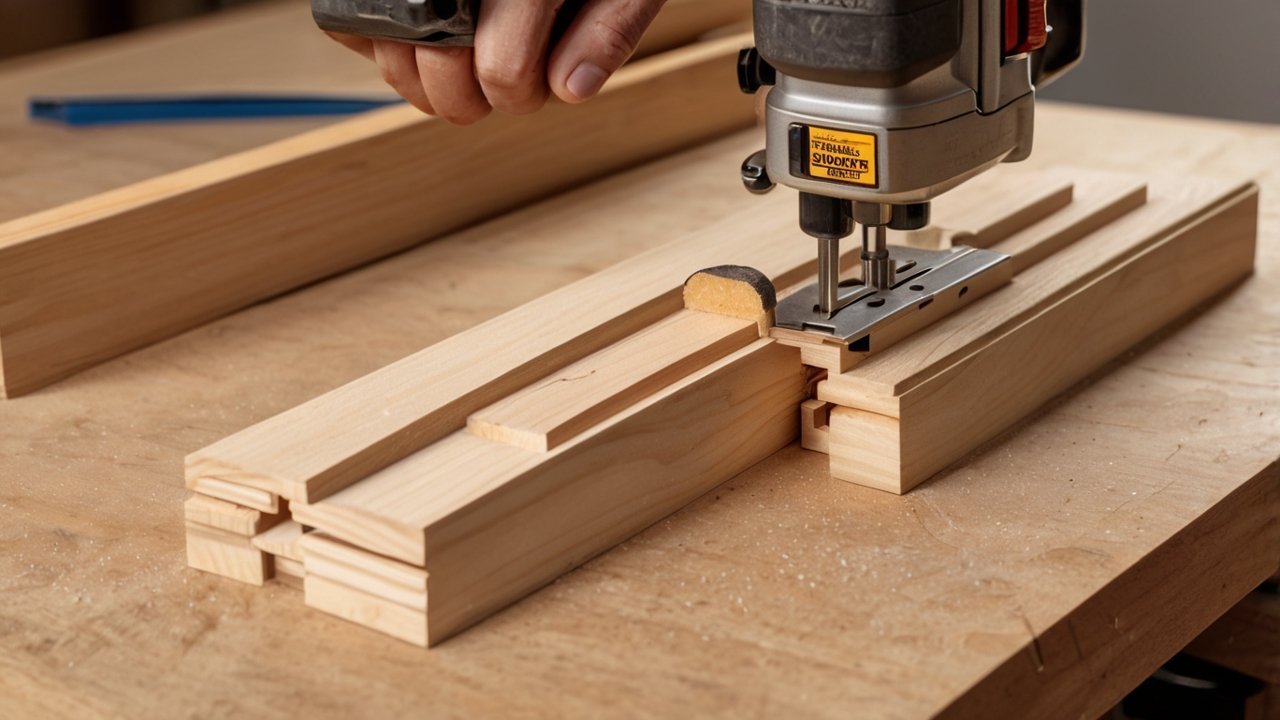
The pocket hole joint is one of the most popular modern woodworking joints. It involves drilling angled holes and using special screws to pull two boards tightly together. For many DIYers, this joint offers the fastest path to solid results.
Why pocket hole joints are popular
-
Very fast assembly
-
Minimal measuring
-
Easy to disassemble if needed
Pocket hole joints work well for face frames, cabinets, and utility furniture. While they rely on screws rather than traditional joinery, they are practical for many home projects.
That said, pocket holes are usually hidden. When exposed, they can detract from appearance unless plugged or placed carefully.
If speed matters and you want a recommended tool approach for repeatable results,
click here to explore this recommended DIY solution. It focuses on efficient builds that balance strength and time savings.
Miter Joint: Clean Corners with a Catch
A miter joint joins two pieces of wood at an angle, usually 45 degrees, to form a clean corner. You’ll see this joint used in picture frames, trim, and decorative boxes.
Pros
-
Clean, seamless appearance
-
No visible end grain
Cons
-
Weak without reinforcement
-
Sensitive to cutting accuracy
Miter joints almost always need reinforcement, such as splines, biscuits, or fasteners. On their own, they are one of the weakest wood joints.
For decorative projects, miters look great. For functional furniture, they should be paired with stronger joints or hidden reinforcement.
You’ll find practical examples in these
easy small woodworking projects where miters are reinforced to improve durability.
Comparing Specialized Wood Joints to Traditional Joinery
Understanding trade-offs helps you choose wisely.
Specialized Wood Joints
-
Pros: Fast, accurate, beginner-friendly
-
Cons: Often rely on hardware, limited structural strength
Traditional Wood Joints
-
Pros: Stronger, longer-lasting
-
Cons: Slower, more skill required
For many modern DIY builds, specialized wood joints are a practical compromise. They save time while still producing solid results when used correctly.
When Specialized Wood Joints Make Sense
Specialized joints are ideal for:
-
Cabinets and storage units
-
Utility furniture
-
Time-sensitive DIY builds
They are less suitable for:
-
Heirloom furniture
-
Heavy load-bearing structures
-
Outdoor builds without reinforcement
If your project involves structural work like sheds or workshops, joinery shortcuts can cause problems. In those cases, following proven instructions is the safest option.
See how you can build your own shed with this step-by-step guide to ensure joints are selected for strength rather than speed.
Tools, Safety, and Planning Considerations
Specialized joints often rely on dedicated tools. Biscuit joiners and pocket hole jigs improve accuracy but require safe handling. Woodworking safety guidelines consistently emphasize controlled cuts, proper clamping, and protective gear.
A well-organized workspace also matters. This guide on
setting up a woodworking shop layout explains how layout improves both safety and joint accuracy.
For hobbyists building regularly, combining efficient joints with good planning is often the best solution for balancing quality and time.
Chapter 5 Takeaway
Specialized wood joints are designed for efficiency. They simplify alignment, speed up assembly, and make modern DIY projects more accessible. When used in the right context, they save time without sacrificing reliability.
In the next chapter, we’ll focus on how to choose the right wood joint for your project, based on strength, appearance, tools, and skill level.
Chapter 6: How to Choose the Right Wood Joint for Your Project
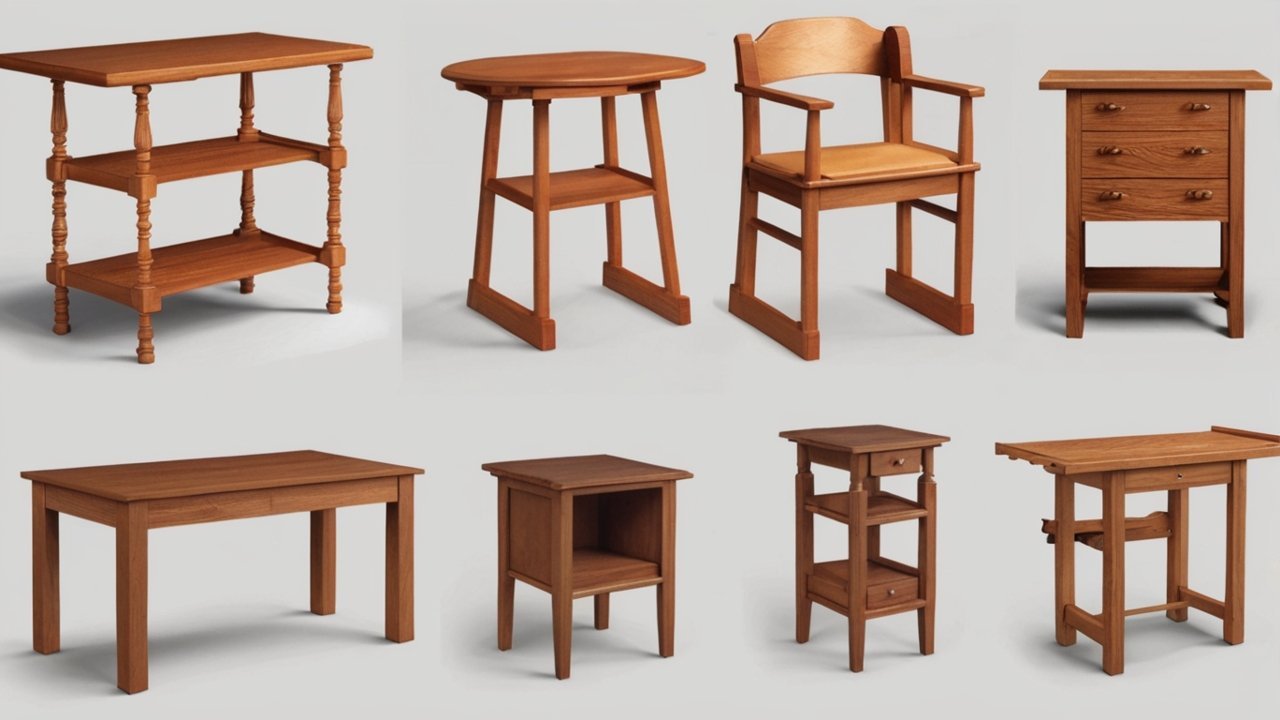
Knowing different joints is useful, but choosing the right one is what actually makes a project successful. Many woodworking problems happen not because a joint is poorly made, but because the wrong joint was chosen. Understanding how to select wood joints based on purpose, load, and skill level helps you build projects that last.
This chapter focuses on decision-making rather than technique, which is often what beginners and hobbyists struggle with most.
Match Wood Joints to Project Purpose
The first question to ask is simple: what will this project be used for? Decorative projects and structural builds have very different requirements.
For decorative or light-use projects
-
Picture frames
-
Small boxes
-
Wall decor
Simple joints like miters, box joints, or reinforced butt joints usually work well here.
For functional or load-bearing projects
-
Tables and chairs
-
Cabinets and shelving
-
Benches and storage units
Stronger wood joints such as mortise and tenon, dado, or reinforced lap joints are usually the safer choice.
If you’re unsure how joints affect real builds, these
easy woodworking projects for beginners clearly show how joint choice changes based on function.
Consider Strength vs Appearance
Not every joint needs to be visible, and not every visible joint needs to be structural. Choosing the right balance matters.
When strength matters more
-
Hidden structural areas
-
Load-bearing connections
Use joints that prioritize mechanical strength, even if they are hidden.
When appearance matters more
-
Drawer boxes
-
Decorative furniture
-
Showcase projects
Decorative wood joints like dovetails or box joints add visual value while still offering solid strength.
This balance is why custom furniture often outperforms store-bought pieces. Mass-produced furniture prioritizes speed, while custom builds prioritize joint quality.
Skill Level and Tool Availability Matter
A common mistake is choosing joints that exceed your current skill level. Advanced joinery looks impressive but can lead to frustration if attempted too early.
Beginner-friendly joints
-
Butt joints with reinforcement
-
Pocket hole joints
-
Simple lap joints
Intermediate to advanced joints
-
Mortise and tenon
-
Dado and rabbet joints
-
Dovetails
If you want a best solution that matches joints to skill level,
check out these affordable woodworking plans. Structured plans reduce guesswork and help beginners avoid choosing joints that are too complex too soon.
DIY vs Pre-Built: A Practical Comparison
When deciding whether to build or buy, joint selection plays a major role.
DIY Builds
-
Pros: Stronger joints, better materials, repairable
-
Cons: Time investment, learning curve
Pre-Built Furniture
-
Pros: Fast, convenient
-
Cons: Stapled or cam-lock joints, limited lifespan
For hobbyists who enjoy hands-on work, building with proper wood joints often results in longer-lasting furniture at a similar or lower cost.
Indoor vs Outdoor Projects
Environment matters more than many beginners expect. Outdoor builds require joints that handle moisture, temperature changes, and movement.
Indoor projects
-
Focus on precision and appearance
-
Glue-based joints work well
Outdoor projects
-
Require stronger joints
-
Mechanical reinforcement is often necessary
If you’re planning an outdoor structure, shortcuts can cause failure.
See how you can build your own shed with this step-by-step guide to ensure joint selection accounts for real-world conditions.
Time, Budget, and Realistic Expectations
Not every project needs heirloom-quality joinery. Time and budget matter.
Ask yourself:
-
How long should this project last?
-
Will it be moved or stressed often?
-
Do I want speed or craftsmanship?
Specialized wood joints like pocket holes save time and work well for utility furniture. Traditional joints take longer but often deliver better long-term value.
For hobbyists building regularly, following a repeatable system is often the most efficient approach.
Click here to explore this recommended DIY solution for structured guidance that balances speed, strength, and skill growth.
Safety and Workspace Considerations
Choosing the right joint also affects safety. Complex joints require controlled cuts and stable setups. Woodworking safety guidelines consistently emphasize working within your comfort level and using proper support.
A clean, organized shop improves accuracy and reduces mistakes. This guide on
setting up a woodworking shop layout explains how layout directly impacts joint quality and safety.
Chapter 6 Takeaway
Choosing the right wood joints is about understanding purpose, strength, appearance, and skill level. Start with the project’s function, stay realistic about your tools and experience, and select joints that match real-world use.
In the next and final chapter, we’ll cover common mistakes when using wood joints and how to avoid them, helping you build smarter from the start.
Chapter 7: Common Mistakes When Using Wood Joints (and How to Avoid Them)
Many woodworking projects fail for reasons that have nothing to do with wood quality or tool choice. In most cases, the real issue is how wood joints are selected or executed. These mistakes are common, especially among beginners, but they are also easy to avoid once you know what to watch for.
This chapter breaks down the most frequent joinery mistakes and explains how to fix them before they cost you time, money, or safety.
Choosing the Wrong Wood Joint for the Job
One of the most common mistakes is using a joint simply because it’s familiar, not because it’s appropriate. Just because a joint worked on one project doesn’t mean it belongs on the next.
Common examples
-
Using butt joints for load-bearing furniture
-
Relying on pocket holes where long-term strength matters
-
Choosing decorative joints where strength is the priority
Different wood joints handle different forces. Chairs, shelves, and tables all experience stress in different directions. Ignoring that leads to loose connections and early failure.
If you’re unsure how joint choice changes by project type, these
easy woodworking projects for beginners show practical examples of joints matched correctly to function.
Ignoring Wood Movement
Wood expands and contracts with changes in humidity. Beginners often overlook this, especially when building cabinets, tabletops, or wide panels.
Mistakes caused by ignoring wood movement include:
-
Cracked joints
-
Warped panels
-
Split boards
Glue-only joints across wide grain surfaces are especially risky. Proper joinery allows for movement without stressing the connection.
Experienced builders and long-established woodworking resources consistently stress designing joints that work with wood movement, not against it. This is one reason traditional joinery methods still outperform shortcuts over time.
Over-Relying on Screws or Glue
Fasteners and glue are important, but they are not substitutes for good joinery. Many beginners try to compensate for weak joints by adding more screws or extra glue.
This approach often backfires:
-
Screws loosen under repeated stress
-
Excess glue does not add strength
-
Visible hardware hurts appearance
Strong wood joints rely on mechanical design first, then reinforcement second. When joints fit correctly, glue enhances strength instead of acting as a crutch.
If speed is your priority, specialized joints still need proper planning.
Click here to explore this recommended DIY solution for builds that balance efficiency with correct joint selection.
Poor Fit and Rushed Assembly
Even the right joint fails if it’s poorly fitted. Gaps, uneven cuts, and rushed glue-ups weaken joints dramatically.
Common causes include:
-
Skipping dry fits
-
Cutting without test pieces
-
Rushing glue-up stages
A mortise and tenon joint, for example, should fit snugly without force. If it’s too tight, it stresses the wood. Too loose, and it loses strength.
Taking extra time during layout and dry fitting often saves hours of repairs later.
Using Advanced Joints Too Early
Another frequent mistake is attempting complex joints before mastering simpler ones. Advanced wood joints look impressive, but they demand accuracy and tool control.
Problems beginners face include:
-
Misaligned dovetails
-
Weak mortises
-
Wasted material
There’s nothing wrong with staying at the beginner or intermediate level longer. Strong furniture can be built with simple joints when they’re used correctly.
If you want a best solution for skill progression,
check out these affordable woodworking plans. Structured projects help you advance without overwhelming complexity.
Forgetting About Environment and Use
Indoor and outdoor projects require different joinery decisions. A joint that works well indoors may fail quickly outside.
Indoor builds
-
Can rely more on glue
-
Focus on precision and appearance
Outdoor builds
-
Need mechanical reinforcement
-
Must handle moisture and movement
If you’re building something exposed to weather, shortcuts become expensive mistakes.
See how you can build your own shed with this step-by-step guide to ensure joint selection matches real outdoor conditions.
DIY vs Pre-Built: Learning from Mistakes
Many pre-built furniture pieces fail early because they rely on staples, cam locks, or minimal joinery. DIY builders often repeat these mistakes unknowingly.
DIY Advantage
-
Control over joint quality
-
Better long-term durability
DIY Risk
-
Mistakes without guidance
This is why many hobbyists prefer following proven plans rather than guessing. Good instructions reduce trial-and-error and protect both time and budget.
Safety Mistakes Related to Joinery
Some joinery errors create safety risks. Forcing tight joints, cutting without support, or working beyond skill level can lead to injuries.
Woodworking safety guidelines consistently recommend:
-
Controlled cuts
-
Sharp tools
-
Proper clamping and support
A clean workspace also matters. This guide on
setting up a woodworking shop layout explains how organization directly affects accuracy and safety.
Chapter 7 Takeaway
Most joinery mistakes come down to poor planning, rushed work, or choosing the wrong joint. Understanding how wood joints function, respecting wood movement, and staying within your skill level eliminates the majority of problems beginners face.
In the final chapter, we’ll wrap everything together with a clear summary, practical next steps, and a transparent affiliate disclosure so readers know exactly how to move forward.
Final Thoughts: Building Stronger Projects with the Right Wood Joints
Learning woodworking isn’t about memorizing every technique. It’s about understanding why certain choices work better than others. Throughout this guide, you’ve seen how wood joints influence strength, appearance, durability, and even safety. When joints are chosen with intention, projects last longer and feel more satisfying to use.
For beginners, the biggest takeaway is this: you don’t need complex joinery to build well. Simple joints, when used correctly, can outperform poorly chosen advanced ones. For hobbyists, refining joint selection is often what separates temporary builds from furniture that holds up for years.
As a quick recap:
-
Basic joints help you learn accuracy and tool control
-
Intermediate joints add real strength for furniture and cabinets
-
Advanced joints combine durability with craftsmanship
-
Specialized joints save time when used in the right context
The key is matching the joint to the job. Decorative projects benefit from clean, visible joints. Load-bearing projects demand structural strength. Outdoor builds require durability over speed. Once you start thinking this way, choosing wood joints becomes logical instead of confusing.
If you’re still developing confidence, reviewing real examples helps. These
woodworking projects for beginners show how joint selection changes based on project purpose, not just skill level.
Practical Next Steps for Beginners and Hobbyists
If you want to improve quickly without frustration, focus on three things:
-
Practice joint accuracy, not speed
-
Build projects with a purpose, not just practice cuts
-
Follow proven plans instead of guessing
Many common woodworking mistakes come from rushing or improvising without guidance. Structured plans reduce waste and help you apply the right joint at the right time.
If your goal is long-term improvement,
check out these affordable woodworking plans. They’re designed for beginners and hobbyists who want clear instructions, realistic tool requirements, and joints chosen for real-world use.
For builders interested in larger projects like sheds or workshops, joinery shortcuts often cause expensive problems later.
See how you can build your own shed with this step-by-step guide to make sure structural joints are chosen correctly from the start.
If you prefer an efficient, repeatable system for ongoing projects,
click here to explore this recommended DIY solution. It’s a practical option for hobbyists who want consistent results without trial and error.
Build Once, Build Better
Woodworking is a skill that rewards patience. The more attention you give to joinery, the fewer problems you’ll face later. Strong wood joints reduce repairs, improve appearance, and make every project feel more solid.
You don’t need a massive shop or expensive tools. You need understanding, practice, and the willingness to choose joints based on function instead of habit. That mindset alone puts you ahead of most beginners.
Affiliate Disclosure
Some links in this article are affiliate links. This means we may earn a small commission if you make a purchase through those links, at no extra cost to you. We only recommend tools, plans, and resources that are genuinely useful for beginners and hobbyist woodworkers. These commissions help support the time and effort required to create detailed, free woodworking content.
Please log in to access your exclusive content.
Don’t have an account? Click the “Register” button below to sign up.
Related Posts