Self Sufficient Backyard: 10 Powerful Ways to Build It
Have you ever wondered how a self sufficient backyard could transform your lifestyle and reduce your daily expenses? More homeowners today are turning their outdoor spaces into productive ecosystems, and building a self sufficient backyard is quickly becoming a practical way to gain control over food, energy, and sustainability.
In a world where grocery prices keep rising and environmental concerns grow stronger, creating your own backyard homestead offers both financial relief and peace of mind. From growing fresh vegetables to exploring backyard food production and simple composting methods, this approach allows you to live more independently while staying connected to nature. Even if you have limited space, a well-planned self sufficient backyard can still provide impressive results.
The best part? You don’t need to be an expert gardener to get started. With the right mindset and a few smart strategies, anyone can begin this rewarding journey toward sustainable living. Let’s explore how you can turn your ordinary yard into a thriving, self-sustaining haven.

Chapter 11: Common Mistakes to Avoid in a Self Sufficient Backyard
Why Avoiding Mistakes Matters in a Self Sufficient Backyard
Building a self sufficient backyard is an exciting journey, but it’s easy to make mistakes—especially in the beginning. Many beginners jump in with enthusiasm, only to feel overwhelmed when things don’t go as planned.
The good news? Most problems are avoidable with a bit of awareness and planning. By learning from common mistakes, you can save time, reduce costs, and create a more productive backyard system.
Experts from organizations like the Permaculture Research Institute emphasize that observation and gradual improvement are key to long-term success.
Overplanting Too Much Too Soon
One of the most common mistakes in a self sufficient backyard is trying to grow everything at once. While it’s tempting to plant a wide variety of crops, this often leads to poor results.
Why Overplanting Is a Problem
- Plants compete for nutrients and space
- Maintenance becomes overwhelming
- Higher risk of crop failure
Better Approach
- Start with 3–5 easy crops
- Expand gradually as you gain experience
- Focus on quality over quantity
This step-by-step approach helps you build confidence while avoiding burnout.
Ignoring Soil Quality and Preparation
Healthy soil is the foundation of any successful garden. Unfortunately, many beginners overlook this crucial step.
Signs of Poor Soil
- Slow plant growth
- Yellowing leaves
- Low yields
How to Improve Soil
- Add compost regularly
- Test soil before planting
- Use natural fertilizers
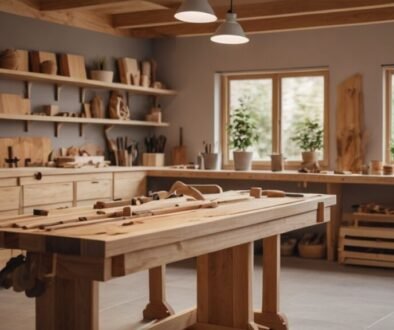
If you’re setting up your garden beds, you can explore beginner woodworking projects for garden builds to create structures that support better soil management.
Poor Water Management Practices
Water is essential, but improper use can harm your self sufficient backyard.
Common Watering Mistakes
- Overwatering (causes root rot)
- Watering at the wrong time of day
- Uneven distribution
Smart Solutions
- Use drip irrigation systems
- Water early in the morning
- Monitor soil moisture regularly
👉 If you’re looking for a recommended tool to organize your irrigation setup, Check out these affordable woodworking plans that include practical backyard solutions.
DIY vs Buying: Choosing the Wrong Approach
Another common issue is choosing the wrong setup method—either going fully DIY without experience or overspending on pre-built systems.
| Option | Pros | Cons |
|---|---|---|
| DIY Setup | Cost-effective, customizable | Requires time and skill |
| Pre-Built Systems | Easy to install | Expensive |
Best Strategy
- DIY simple structures (beds, compost bins)
- Buy complex systems (irrigation kits, tools)
Balancing both options helps you avoid unnecessary costs and frustration.
Neglecting Maintenance and Consistency
A self sufficient backyard requires regular care. Skipping maintenance can quickly undo your progress.
Common Maintenance Mistakes
- Forgetting to water regularly
- Ignoring pests or diseases
- Not harvesting crops on time
Simple Routine Tips
- Set a weekly schedule
- Check plants daily (even briefly)
- Address issues early
Consistency is more important than perfection.
Lack of Planning and Organization
Without a clear plan, your backyard can become disorganized and inefficient.
Signs of Poor Planning
- Random plant placement
- Wasted space
- Difficulty accessing plants
How to Improve Organization
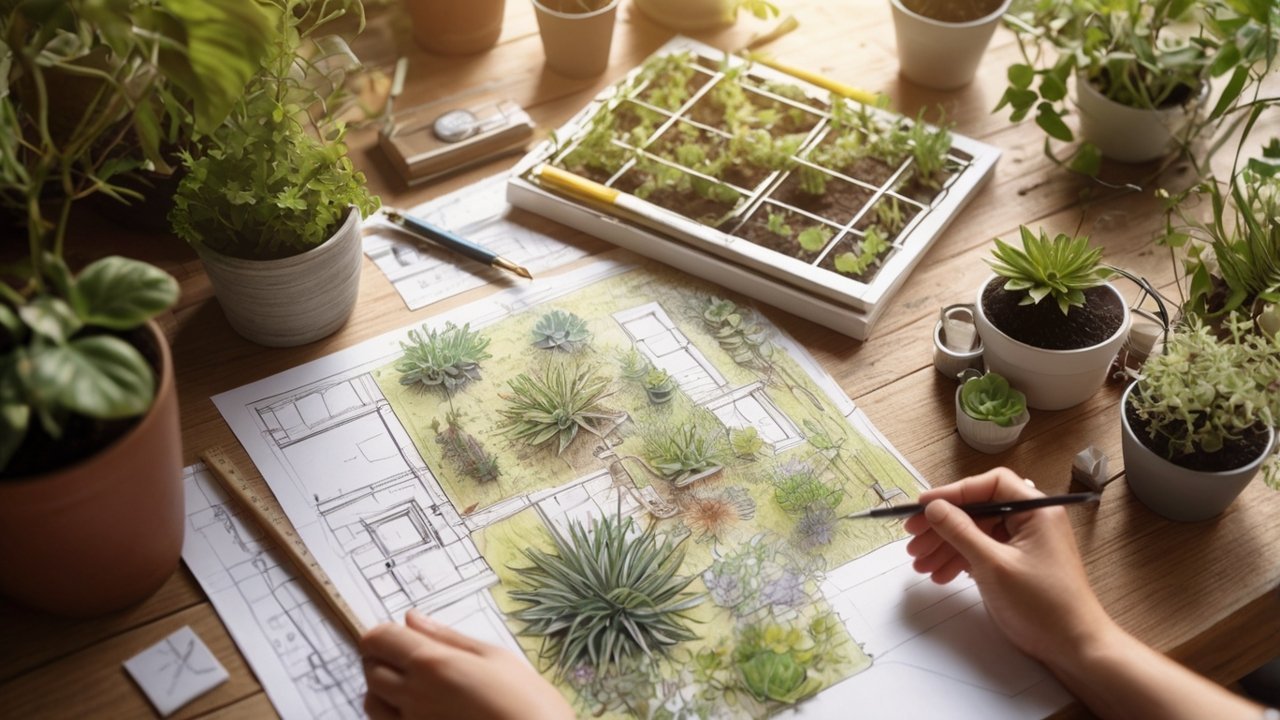
- Create a simple layout plan
- Group similar plants together
- Build pathways for easy access
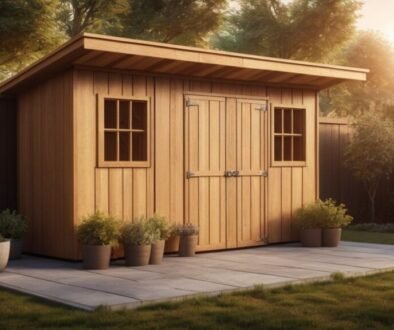
If you need extra storage or workspace, you can learn how to build a small shed step-by-step to keep your tools and supplies organized.
Relying on One System Only
Many beginners depend too much on a single method—like only growing crops or only using one preservation technique.
Why This Is Risky
- Crop failures can leave you without food
- Limited flexibility in changing conditions
Better Approach
- Combine gardening, composting, and preservation
- Use multiple water and energy solutions
- Diversify crops and systems
👉 For a complete and balanced setup, Click here to explore this recommended DIY solution designed for beginners.
Final Thoughts on Avoiding Backyard Mistakes
Mistakes are part of the learning process, but avoiding common ones can fast-track your success. A well-planned self sufficient backyard grows stronger over time when you focus on small improvements and consistent care.
Start simple, stay organized, and learn as you go. With patience and the right approach, your backyard can become a reliable, productive, and sustainable space.
In the next chapter, we’ll explore the cost vs savings of building a self-sufficient backyard and whether it’s truly worth the investment.


Chapter 15: Future Trends in Self Sufficient Backyard Living
The Future of a Self Sufficient Backyard
The concept of a self sufficient backyard is evolving rapidly as technology and sustainability trends continue to grow. What was once a simple garden has now become a smart, efficient, and eco-friendly system that integrates food production, energy, and resource management.
As more people seek independence and sustainable living, innovations are making it easier than ever to build and maintain a productive backyard. Whether you’re a beginner or experienced gardener, understanding these trends can help you stay ahead and improve your system over time.
Organizations like the International Renewable Energy Agency highlight the increasing accessibility of sustainable technologies for everyday households.
Smart Gardening Technology for Backyard Self Sufficiency
Technology is transforming how we manage our gardens. Smart tools are making backyard self sufficiency more efficient and less time-consuming.
Popular Smart Gardening Innovations
- Automated irrigation systems with timers
- Soil moisture sensors
- Mobile apps for plant tracking
- Smart greenhouse controls
These tools help reduce guesswork and ensure your plants get exactly what they need.
👉 If you’re planning to build a smart-ready setup, Check out these affordable woodworking plans that include structures for integrating modern systems.
Rise of Urban Homesteading
Urban homesteading is becoming a major trend, especially in cities where space is limited. Even small backyards, balconies, or rooftops can now support a self sufficient backyard system.
Urban Solutions for Small Spaces
- Vertical gardening systems
- Container gardening
- Compact composting units
- Micro-livestock (like small poultry setups)
This trend proves that you don’t need a large property to live sustainably.
Eco-Friendly Innovations in Backyard Systems
Sustainability is at the heart of future backyard systems. New innovations are making it easier to reduce waste and improve efficiency.
Emerging Eco-Friendly Practices
- Greywater recycling systems
- Solar-powered irrigation
- Biodegradable gardening materials
- Regenerative soil techniques
According to the Permaculture Research Institute, regenerative practices will play a major role in the future of sustainable gardening.
DIY vs Smart Systems: What’s the Future?
As technology advances, many homeowners face a choice between traditional DIY methods and modern automated systems.
| Option | Pros | Cons |
|---|---|---|
| DIY Traditional Systems | Affordable, hands-on, flexible | Requires time and effort |
| Smart Automated Systems | Efficient, time-saving | Higher cost, tech-dependent |
Best Approach Moving Forward
- Combine DIY structures with smart tools
- Start simple and upgrade gradually
- Focus on systems that save time and resources
👉 For a balanced approach, Click here to explore this recommended DIY solution that integrates traditional and modern methods.
Sustainability as a Lifestyle Movement
A self sufficient backyard is no longer just a hobby—it’s becoming a lifestyle choice. More people are prioritizing:
- Food independence
- Environmental responsibility
- Healthier living
Communities worldwide are embracing sustainable practices, making it easier to learn, share, and grow together.
Challenges of Future Backyard Systems
While trends are promising, there are still challenges to consider:
Potential Challenges
- Initial cost of advanced systems
- Learning new technologies
- Maintenance of automated tools
Being aware of these challenges helps you plan better and make informed decisions.
Preparing Your Backyard for the Future
To stay ahead, it’s important to design your backyard with flexibility in mind.
Future-Proofing Tips
- Leave space for expansion
- Invest in adaptable systems
- Stay updated with new technologies
If you’re planning upgrades, you can explore outdoor woodworking projects for backyard improvements to build structures that support future enhancements.
Final Thoughts on Future Trends
The future of the self sufficient backyard is bright, innovative, and full of possibilities. With the rise of smart technology, urban homesteading, and eco-friendly solutions, creating a sustainable backyard has never been more achievable.
By staying informed and open to new ideas, you can continuously improve your system and adapt to changing needs. Your backyard isn’t just a space—it’s a growing, evolving ecosystem that reflects the future of sustainable living.
Chapter 16: Frequently Asked Questions About a Self Sufficient Backyard
What Is the Minimum Space Needed for a Self Sufficient Backyard?
You don’t need a large piece of land to start a self sufficient backyard. Even a small yard or patio can produce a surprising amount of food. With techniques like vertical gardening and container planting, you can grow herbs, vegetables, and even small fruits in limited space.
Many urban gardeners successfully create productive systems in areas as small as 10–20 square meters. The key is smart planning and efficient use of space.
Can You Build a Self Sufficient Backyard on a Budget?
Yes, absolutely. A self sufficient backyard can be built gradually without a large upfront investment.
Start with:
- Seeds instead of mature plants
- DIY garden beds
- Recycled materials
Over time, you can expand your setup as your budget allows. If you’re looking for a best solution to save money, 👉 Check out these affordable woodworking plans that help you build essential backyard structures step by step.
How Long Does It Take to Become Self-Sufficient?
Building a fully functional self sufficient backyard takes time. Most beginners see progress within a few months, but full self-sufficiency can take 2–3 years.
Typical Timeline
- 0–6 months: Basic gardening and small harvests
- 6–12 months: Improved yields and systems
- 1–3 years: Advanced setup with composting, water systems, and possibly animals
Patience and consistency are key to long-term success.
What Are the Easiest Crops to Grow for Beginners?
If you’re new to gardening, start with easy and fast-growing crops.
Beginner-Friendly Crops
- Lettuce
- Spinach
- Tomatoes
- Herbs (basil, mint)
- Chili peppers
These plants require minimal care and produce quick results, making them ideal for a self sufficient backyard.
Do You Need Special Permits for Backyard Farming?
This depends on your location. Some areas allow gardening freely but have restrictions on livestock or large structures.
Things to Check
- Local zoning laws
- Animal regulations
- Water usage rules
Always check local guidelines before adding animals or building permanent structures.
Is a Self Sufficient Backyard Hard to Maintain?
Not necessarily. Once your system is established, maintaining a self sufficient backyard becomes easier over time.
Maintenance Tips
- Follow a simple routine
- Use efficient systems like drip irrigation
- Focus on sustainable practices
Well-designed systems actually reduce workload in the long run.
What Tools Do Beginners Really Need?
You don’t need a large collection of tools to get started.
Basic Tools
- Hand trowel
- Watering can
- Pruning shears
- Gloves
As your backyard grows, you can add more tools gradually. If you need help organizing your setup, you can learn how to build a small shed step-by-step for better storage.
Can a Self Sufficient Backyard Really Save Money?
Yes, over time it can significantly reduce your expenses. While there are initial costs, the long-term savings on groceries, herbs, and produce can add up.
👉 If you want a complete system that maximizes savings, Click here to explore this recommended DIY solution designed for beginners and hobbyists.
Final Thoughts on FAQs
A self sufficient backyard is achievable for almost anyone, regardless of space or experience level. By starting small, learning continuously, and building gradually, you can create a system that supports your lifestyle and reduces dependence on external resources.

Chapter 17: Conclusion – Start Your Self Sufficient Backyard Today
Bringing Your Self Sufficient Backyard Vision to Life
Building a self sufficient backyard is more than just a project—it’s a lifestyle transformation. Throughout this guide, you’ve learned how to plan your space, grow your own food, manage resources, and create a system that supports long-term sustainability.
The journey may seem complex at first, but it all begins with a single step. Whether it’s planting your first vegetable, setting up a compost bin, or building a simple garden bed, each action brings you closer to independence and self-reliance.
A successful self sufficient backyard doesn’t happen overnight. It grows gradually, just like the plants within it. By staying consistent and learning from experience, you’ll develop a system that becomes easier and more efficient over time.
Key Takeaways for Long-Term Success
To help you stay on track, here are the most important principles to remember:
- Start small and scale gradually
- Focus on soil health and sustainability
- Use efficient water and energy systems
- Combine DIY solutions with smart tools
- Stay consistent and patient
These fundamentals will guide you toward building a resilient and productive backyard.
Your Next Step: Take Action Today
The best time to start your self sufficient backyard is now. You don’t need perfect conditions or expert knowledge—just a willingness to begin.
If you’re ready to take the next step and want a structured, beginner-friendly approach, 👉 Check out these affordable woodworking plans that help you build essential backyard structures quickly and efficiently.
Or, if you’re looking for a complete system to guide your journey, 👉 Click here to explore this recommended DIY solution designed to simplify your entire setup.
Affiliate Disclosure
This article may contain affiliate links. This means we may earn a small commission if you purchase through these links—at no extra cost to you. These commissions help support our content and allow us to continue providing valuable, high-quality information.
We only recommend tools, resources, and products that are practical, reliable, and suitable for beginners building a self sufficient backyard.
Final Words
A self sufficient backyard is one of the most rewarding investments you can make—not just for your home, but for your lifestyle. It offers freedom, sustainability, and a deeper connection to the food you grow and consume.
Start small, stay consistent, and enjoy the journey. Your future self—and your backyard—will thank you. 🌱