Rustic Woodworking Ideas: 25 Ways to Add Warmth and Character
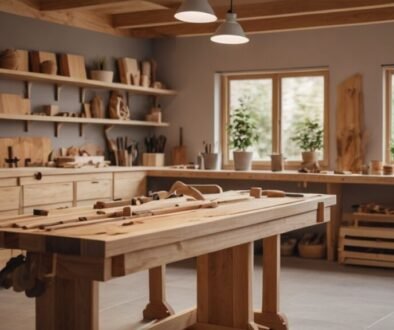
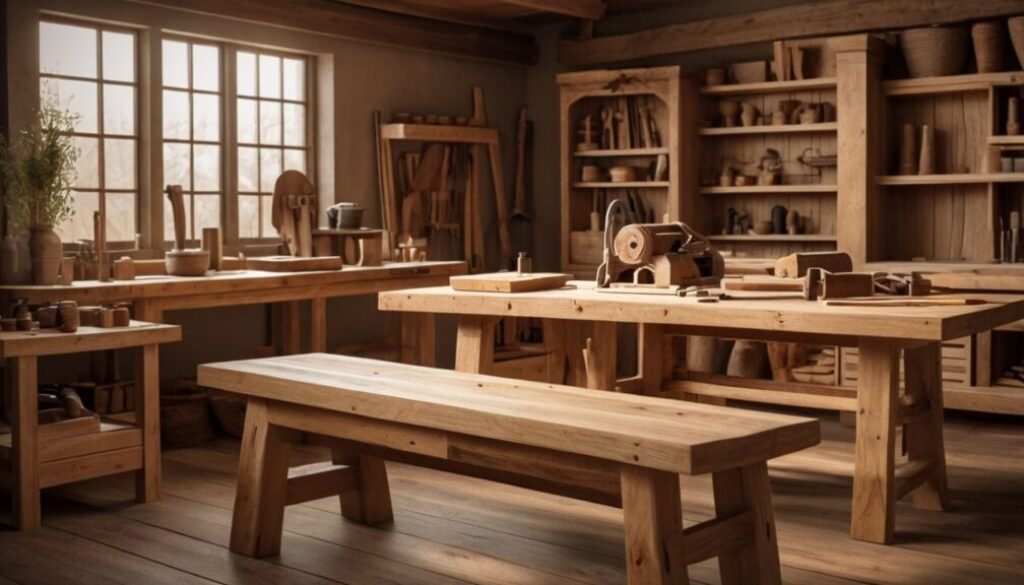
Have you ever noticed how handmade wood pieces instantly make a space feel warmer and more inviting? Rustic woodworking ideas tap into that feeling by celebrating natural textures, simple craftsmanship, and wood that tells a story. Whether you live in a farmhouse, a modern apartment, or somewhere in between, rustic designs have a way of fitting right in.
Rustic woodworking matters because it’s about more than looks. It’s about creating durable, meaningful pieces with your own hands. From reclaimed wood projects to farmhouse-style furniture, these builds let you slow down, work with real materials, and end up with something that lasts. For beginners, rustic projects are forgiving and approachable. For experienced woodworkers, they offer endless room for creativity. That’s why rustic woodworking ideas continue to be popular in DIY circles and home decor trends alike.
In this guide, you’ll discover rustic woodworking ideas that range from simple decor to functional furniture, along with tips on materials, finishes, and common mistakes to avoid. Let’s start by exploring why rustic woodworking never goes out of style and how you can make it work for your space.
Chapter 1: Why Rustic Woodworking Ideas Never Go Out of Style
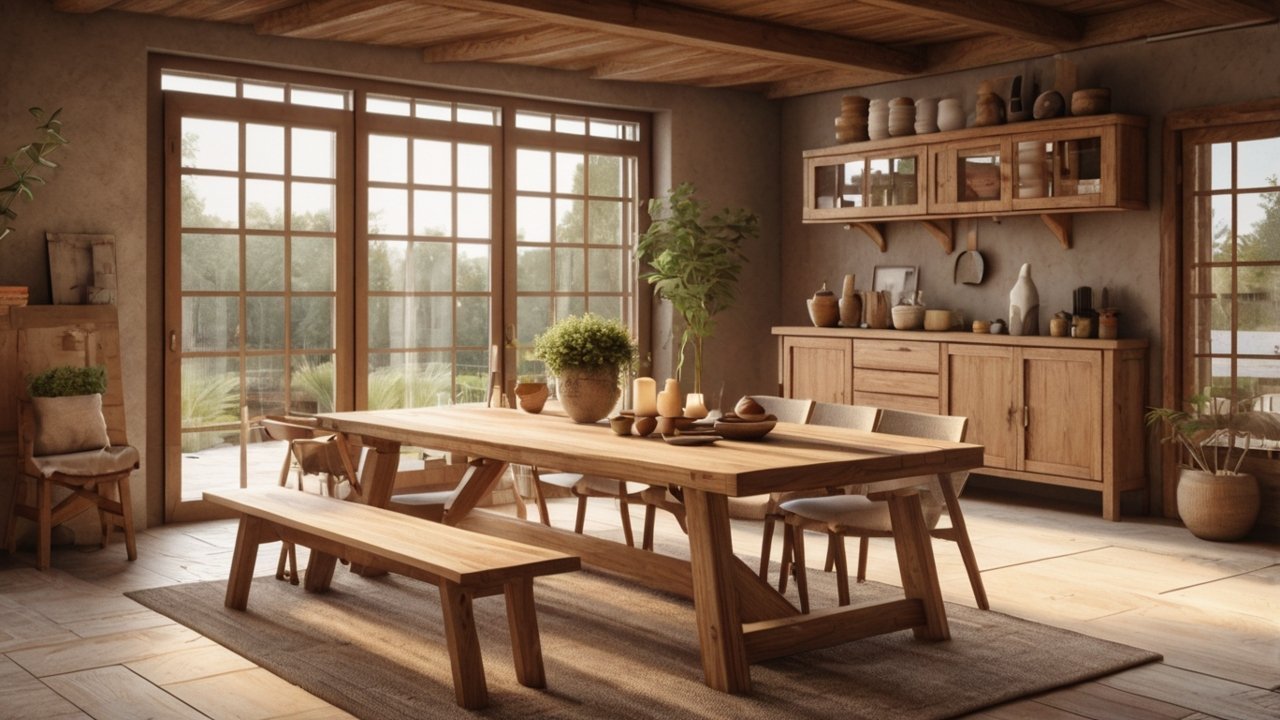
Rustic design trends come and go, but rustic woodworking ideas have managed to stay relevant for decades. Walk into a farmhouse, a cabin, or even a modern apartment, and you’ll often find at least one handcrafted wood piece anchoring the space. That staying power isn’t accidental. It’s rooted in practicality, emotion, and the way people connect with real materials.
The Timeless Appeal of Rustic Woodworking Ideas
At its core, rustic woodworking is about embracing natural character rather than hiding it. Knots, grain variations, and minor imperfections aren’t flaws. They’re features.
Many DIYers are drawn to rustic projects because:
-
They don’t require perfect cuts or factory-level finishes
-
Mistakes are easier to hide or even highlight
-
Each project feels unique and personal
Compared to mass-produced furniture, rustic pieces feel honest. You can see the tool marks, feel the texture, and often remember the exact moment you built it. That emotional connection is a big reason rustic woodworking ideas continue to resonate with beginners and experienced hobbyists alike.
If you’re just starting out, projects like those featured in 10 easy woodworking projects for beginners are a natural entry point into rustic builds.
Rustic vs Modern Woodworking: What’s the Difference?
Modern woodworking often prioritizes:
-
Clean lines
-
Perfect symmetry
-
Smooth, uniform finishes
Rustic woodworking takes a different approach:
-
Natural edges and visible grain
-
Simple joinery techniques
-
Emphasis on strength and function
This difference matters, especially for DIYers. Rustic builds are more forgiving. A slightly uneven cut or visible joint rarely ruins the project. In fact, it can enhance the overall look. That’s why many people choose rustic woodworking ideas over sleek, modern designs when working with reclaimed wood or basic tools.
For a deeper understanding of how wood choice impacts both styles, the guide Types of wood: a complete guide for every project is a helpful resource.
Why Rustic Woodworking Fits Today’s Homes
One reason rustic woodworking hasn’t faded is its flexibility. These projects work well across different spaces and lifestyles:
-
Farmhouse and country homes
-
Cabins and vacation properties
-
Modern homes needing warmth and contrast
A reclaimed wood coffee table can soften a minimalist living room. A handmade bench adds charm to an entryway. Even small decor projects, like those shared in DIY wood decor ideas to instantly upgrade any room, can make a space feel more lived-in.
From an environmental perspective, rustic woodworking often encourages reuse. Old pallets, barn wood, and leftover lumber get a second life instead of ending up as waste. For many makers, that sustainability angle is just as important as the finished result.
DIY Rustic Projects vs Buying Pre-Built Furniture
Before starting a project, many readers wonder if building is really worth it. Here’s a realistic comparison.
DIY Rustic Woodworking
Pros
-
Lower material costs
-
Custom sizing and design
-
Personal satisfaction from building it yourself
Cons
-
Time investment
-
Learning curve for tools and techniques
Buying Pre-Built Rustic Furniture
Pros
-
Immediate results
-
No tools required
Cons
-
Higher cost
-
Limited customization
-
Often uses veneers instead of solid wood
For many hobbyists, DIY wins out. With the right plans, even larger builds become manageable. If you’re considering a bigger project like outdoor structures, see how you can build your own shed with this step-by-step guide for a proven, beginner-friendly solution.
Practical Advice for Beginners and Hobbyists
If you’re new to rustic woodworking ideas, start small. Simple shelves, benches, or storage crates help you learn measuring, cutting, and finishing without pressure. Focus on:
-
Choosing forgiving wood types
-
Learning basic joinery
-
Using finishes that enhance grain instead of hiding it
Safety and technique matter too. Communities like Fine Woodworking Magazine and DIY-focused forums such as Woodworking Talk consistently emphasize proper tool use and dust control, especially when working with reclaimed materials.
If you’re setting up a workspace at home, click here to explore this recommended DIY solution for organizing a small but efficient woodworking shop.
Why This Style Keeps Winning
Rustic woodworking isn’t just a trend. It’s a mindset. It values function, durability, and craftsmanship over perfection. That’s why rustic woodworking ideas remain popular across generations and skill levels.
In the next section, we’ll look at the essential materials that make rustic projects easier, more affordable, and more enjoyable to build, especially if you’re working with reclaimed or budget-friendly wood.
Chapter 2: Essential Materials for Rustic Woodworking Ideas
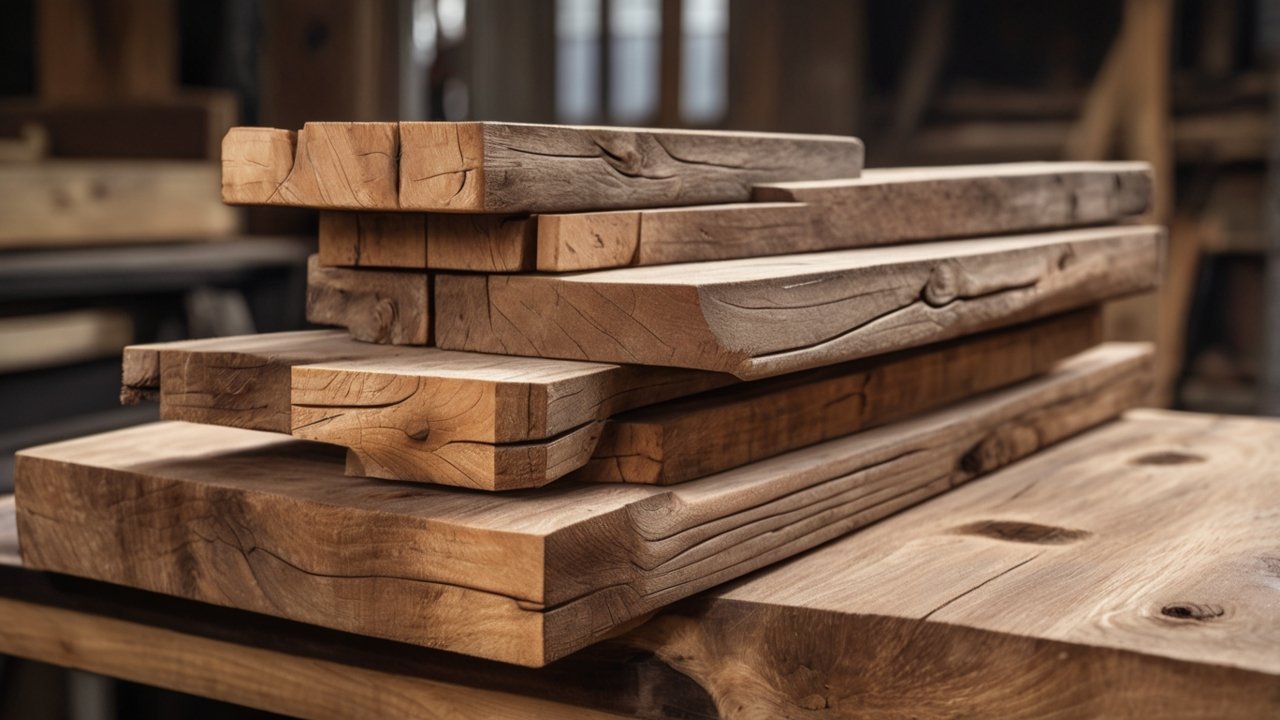
Choosing the right materials is one of the biggest factors that determines whether your rustic project looks authentic or forced. The good news is that rustic woodworking ideas don’t rely on rare or expensive supplies. In fact, some of the best results come from imperfect, affordable, and reused materials that already have a story.
This chapter breaks down the most practical material choices, what to avoid, and how beginners can make smart decisions without overspending.
Reclaimed Wood: The Heart of Rustic Woodworking Ideas
Reclaimed wood is often the first thing people associate with rustic builds, and for good reason. Old barn boards, pallets, and salvaged lumber bring instant character that new wood simply can’t replicate.
Why reclaimed wood works so well:
-
Natural weathering adds depth and texture
-
Nail holes and cracks enhance visual interest
-
Each board is unique
That said, reclaimed wood requires inspection. Look for:
-
Signs of rot or insect damage
-
Embedded nails or metal (use a metal detector if possible)
-
Excessive warping
If you’re unsure which reclaimed wood types are best for your project, this guide on types of wood for furniture and their best uses explains strength, durability, and suitability in plain terms.
For beginners, starting with smaller reclaimed projects is smart. Crates, shelves, or wall decor let you learn how old wood behaves before committing to large furniture builds.
New Lumber That Still Looks Rustic
Not all rustic woodworking ideas require reclaimed materials. Many DIYers use new lumber and give it a rustic finish. This approach offers more predictability while still achieving a handcrafted look.
Popular choices include:
-
Pine: affordable, easy to work with, takes stain well
-
Cedar: naturally weather-resistant, great for outdoor projects
-
Fir: strong, straight-grained, ideal for structural builds
New wood is especially helpful if you’re following detailed plans. If you’re looking for structured builds that still fit a rustic aesthetic, check out these affordable woodworking plans → they’re designed with beginners in mind.
Hardware That Completes the Rustic Look
Materials go beyond wood. Hardware plays a huge role in the final appearance of rustic projects.
Rustic-friendly hardware includes:
-
Black iron brackets and straps
-
Hammered nails or square-head screws
-
Matte or oil-rubbed finishes
Avoid shiny chrome or modern hardware unless you’re intentionally mixing styles. The goal is consistency. Hardware should look sturdy, simple, and slightly industrial.
This is especially important for furniture projects. A farmhouse table with the wrong fasteners can lose its charm instantly.
Finishes That Enhance, Not Hide
One of the most common beginner mistakes is over-finishing rustic pieces. Thick coatings can erase grain, texture, and natural marks.
Better options include:
-
Oil finishes that soak into the wood
-
Matte polyurethane for protection without gloss
-
Wax finishes for decor pieces
If you’re unsure which finish to choose, the breakdown in polyurethane wood finishes and how to apply them offers practical comparisons without technical overload.
For decor projects, many makers skip heavy sealing entirely. If the piece won’t face moisture or heavy wear, letting the wood age naturally often improves its look over time.
Budget-Friendly Sourcing Tips
Rustic woodworking doesn’t need a big budget. Many hobbyists source materials creatively:
-
Construction site offcuts (with permission)
-
Old furniture repurposed into new builds
-
Local classifieds and salvage yards
Online DIY communities frequently recommend starting with small, low-cost materials before investing in premium lumber. According to woodworking safety guidelines published by Fine Woodworking Magazine, beginners should prioritize clean, dry boards to reduce tool kickback and finishing issues.
If your goal is to scale up later, learning on budget materials now pays off.
Beginner Recommendations: What to Use and What to Skip
Recommended for beginners:
-
Pine or fir lumber
-
Simple iron hardware
-
Oil or matte finishes
Avoid early on:
-
Exotic hardwoods
-
High-gloss finishes
-
Heavily damaged reclaimed wood
As your skills grow, your material choices can expand. Many hobbyists eventually move into larger builds like outdoor structures. If that’s on your radar, see how you can build your own shed with this step-by-step guide for a practical next step.
Why Material Choice Matters Long-Term
The right materials don’t just affect how a project looks. They influence:
-
Durability
-
Ease of construction
-
Maintenance over time
Smart material selection makes rustic woodworking ideas more enjoyable and less frustrating, especially for beginners.
Chapter 3: Beginner-Friendly Rustic Woodworking Ideas You Can Build with Confidence
If you’re new to woodworking, jumping straight into large furniture builds can feel intimidating. That’s why beginner-friendly rustic woodworking ideas are such a smart place to start. These projects are simple, forgiving, and designed to help you build skills without expensive tools or perfect technique.
The goal at this stage isn’t perfection. It’s learning how wood behaves, how tools feel in your hands, and how small wins build confidence.
Why Rustic Projects Are Ideal for Beginners
Rustic woodworking naturally suits beginners because it embraces character over precision. Slightly uneven edges, visible joints, and natural grain variation all add to the final look instead of ruining it.
Beginner-friendly rustic projects usually:
-
Use straight cuts instead of complex curves
-
Require minimal joinery
-
Allow room for small mistakes
That’s why many first-time builders start with the projects featured in beginner woodworking projects you can actually finish. They focus on practical results, not advanced techniques.
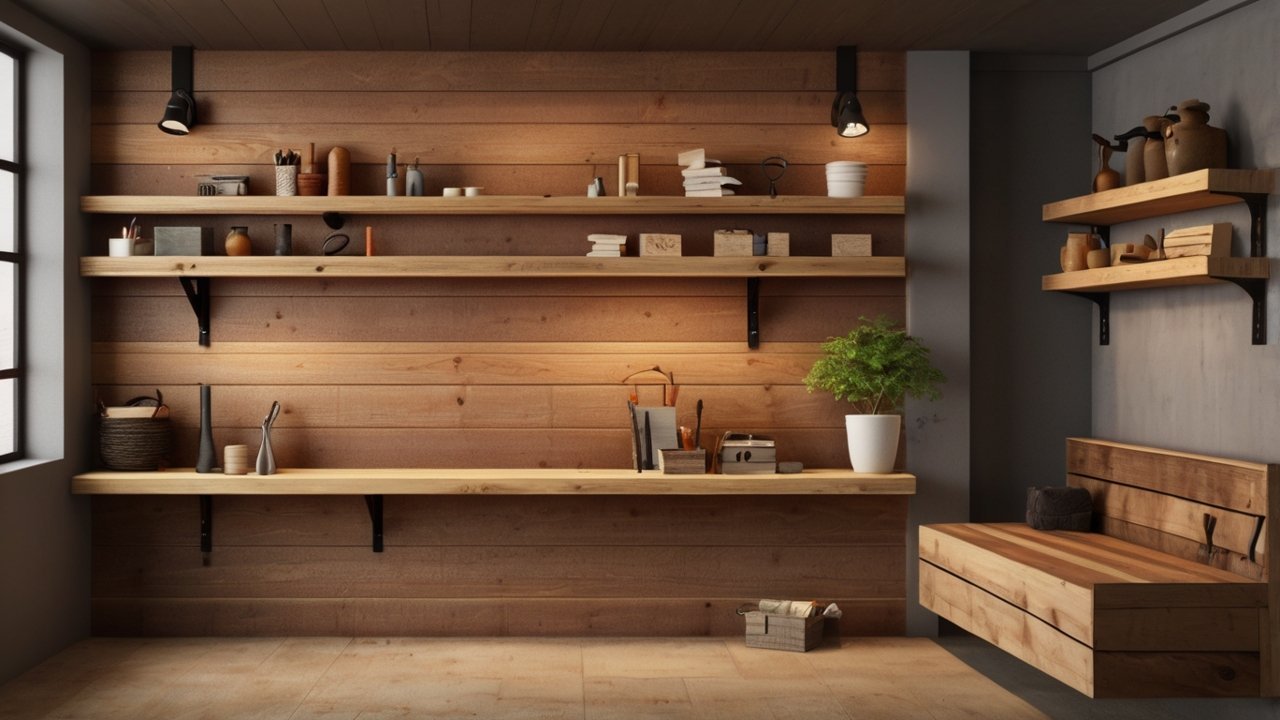
Simple Rustic Wall Shelves
Wall shelves are often the first “real” project people complete. They’re functional, visible, and relatively quick to build.
Why shelves work well for beginners:
-
Minimal materials
-
Basic measuring and drilling
-
Instant improvement to any room
Rustic shelves pair especially well with reclaimed wood or pine boards. Add black iron brackets, and you’ve got a finished piece that looks far more advanced than it actually is.
If you want decor-focused inspiration, DIY wood decor ideas to instantly upgrade any room shows how simple builds can make a big visual impact.
Wooden Crates and Storage Boxes
Crates and boxes are underrated learning projects. They teach alignment, squaring corners, and fastening techniques without pressure.
Common beginner uses include:
-
Entryway storage
-
Under-bed organizers
-
Workshop bins
Because crates don’t need to be perfectly square, they’re perfect for practicing with reclaimed wood. Many DIYers say these early projects helped them feel comfortable moving on to furniture later.
If you prefer structured guidance, check out these affordable woodworking plans → they’re designed to walk beginners through each step without overcomplicating the process.
Rustic Picture Frames and Small Decor
Not every project needs to be large. Small decor items build confidence quickly and use very little material.
Great beginner options include:
-
Rustic picture frames
-
Small wooden signs
-
Simple coat racks
These projects are ideal for learning sanding, staining, and finishing techniques. If something goes wrong, you haven’t lost much time or money. That low risk encourages experimentation, which is essential for learning.
According to experienced makers in DIY woodworking communities, finishing skills developed on small decor pieces translate directly to better furniture results later.
Benches and Small Stools
Once you’ve completed a few small builds, benches and stools are a natural next step. They introduce load-bearing design without overwhelming complexity.
A basic rustic bench typically involves:
-
Straight boards
-
Simple leg structures
-
Screws or basic joinery
The payoff is huge. A functional bench feels like a major accomplishment and often becomes the moment people realize they can build real furniture.
If your long-term goal includes outdoor builds, see how you can build your own shed with this step-by-step guide once you’re comfortable with benches and framing basics.
Tools You Actually Need (and What You Don’t)
One common mistake beginners make is buying too many tools too soon. Most rustic woodworking ideas can be built with:
-
A drill
-
A circular saw or handsaw
-
A measuring tape and square
You don’t need a full workshop to get started. Many successful hobbyists began with a small setup. If space is limited, click here to explore this recommended DIY solution for organizing tools efficiently. Many beginners struggle not because of skill, but because of unreliable tools. Click here to see a reliable tool for first-time DIYers →
DIY vs Buying Beginner Projects
DIY Pros
-
Lower cost
-
Skill development
-
Custom sizing
DIY Cons
-
Takes time
-
Requires patience
Buying Pre-Made
-
Faster
-
No learning curve
But buying doesn’t build skills. For most beginners, the value of learning outweighs the convenience of purchasing.
Realistic Advice for First-Time Builders
Start with projects you’ll actually use. A shelf you see every day or a bench you sit on reinforces why you started. Stick to clear plans, work slowly, and focus on safe tool use. Fine Woodworking Magazine consistently emphasizes that patience and proper setup matter more than speed, especially for beginners.
By choosing the right beginner-friendly rustic woodworking ideas, you build momentum instead of frustration.
Chapter 4: Rustic Furniture Projects for the Home That Make a Statement
Once you’ve built confidence with smaller builds, moving into furniture is where rustic woodworking ideas really start to shine. Rustic furniture isn’t just decorative. It’s functional, durable, and often becomes the most talked-about piece in a room. The key is choosing projects that match your skill level while still pushing you forward.
This chapter focuses on realistic furniture builds that DIYers actually complete, not overly complex showpieces that stall halfway through.
Why Rustic Furniture Is Perfect for DIY Builders
Rustic furniture is forgiving by nature. Small gaps, visible joints, and textured surfaces add character instead of signaling mistakes. That makes it ideal for hobbyists transitioning from beginner projects into more substantial builds.
Compared to store-bought furniture, DIY rustic pieces offer:
-
Stronger construction using solid wood
-
Custom sizing for your space
-
Lower long-term cost
Many woodworkers report that their first handmade table or bench completely changed how they viewed DIY. It’s the moment when rustic woodworking ideas stop feeling like small projects and start feeling like real craftsmanship.
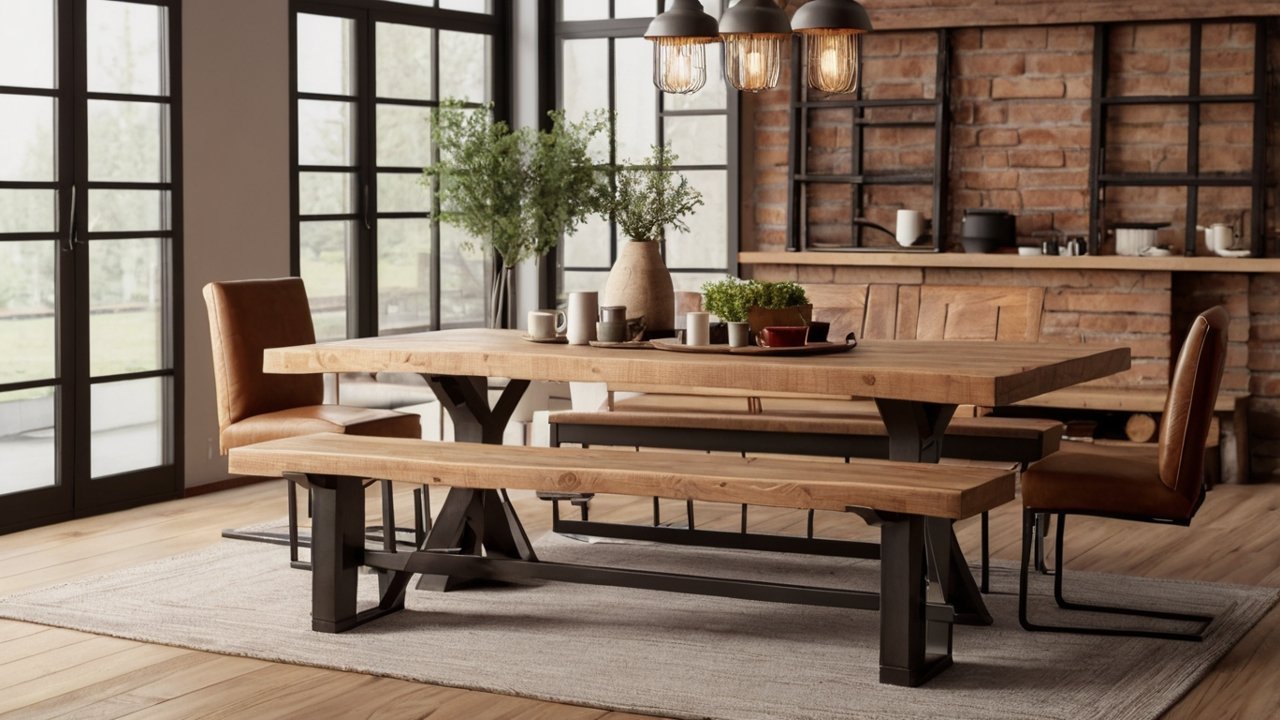
Farmhouse Dining Tables: A Classic First Furniture Build
A farmhouse dining table is one of the most popular rustic furniture projects, and for good reason. The design is straightforward, the materials are accessible, and the result is highly functional.
Why this project works well:
-
Mostly straight cuts
-
Simple leg designs
-
Emphasis on strength over fine detail
Using pine or fir keeps costs down, while reclaimed wood adds instant character. If you’re unsure which wood type to choose, this complete guide to wood types for furniture breaks down durability and best use cases clearly.
For builders who want structured guidance, check out these affordable woodworking plans → they’re designed to help DIYers finish large furniture builds without guesswork.
Rustic Coffee Tables with Metal Accents
Coffee tables are often the next step after dining tables. They’re smaller, faster to build, and perfect for experimenting with mixed materials.
Popular rustic coffee table features include:
-
Thick wooden tops
-
Hairpin or steel legs
-
Visible wood grain and knots
This is where rustic furniture pairs well with modern interiors. The contrast between raw wood and clean metal lines creates balance without looking out of place.
According to discussions in established DIY woodworking communities, coffee tables are one of the most forgiving furniture projects because minor surface imperfections are expected and even appreciated.
Bed Frames and Headboards That Last
Building a bed frame or headboard may sound intimidating, but rustic designs simplify the process. These projects focus more on structural integrity than decorative detail.
Beginner-friendly rustic bed features:
-
Straight boards and solid joints
-
Platform-style construction
-
Minimal finishing
Headboards are especially good entry projects. They use less material and allow you to practice layout and assembly without dealing with weight-bearing concerns.
If you’re working in a limited space, click here to explore this recommended DIY solution to keep your workspace efficient while tackling larger builds.
Entryway Consoles and Hall Tables
Entryway furniture is often overlooked, but it’s one of the most rewarding rustic furniture categories. Consoles and hall tables are narrow, simple, and instantly useful.
Common uses include:
-
Shoe and bag storage
-
Display surfaces
-
Drop zones for keys and mail
These projects help builders practice precision without requiring large amounts of lumber. If you’re looking for inspiration beyond furniture, easy small woodworking projects can complement these builds nicely.
DIY vs Buying Rustic Furniture
Before committing to a furniture build, it’s worth comparing options.
DIY Rustic Furniture
Pros
-
Solid wood construction
-
Full customization
-
Long-term cost savings
Cons
-
Time commitment
-
Requires basic tools and space
Buying Pre-Built
Pros
-
Immediate use
-
No labor required
Cons
-
Higher price
-
Often uses veneers or composites
Most hobbyists find that building at least one furniture piece is worth the effort. The experience alone improves confidence across all future rustic woodworking ideas.
Practical Advice for Furniture Builds
To avoid frustration, start with one large project at a time. Measure carefully, dry-fit parts before final assembly, and don’t rush finishes. Fine Woodworking Magazine and home safety guidelines consistently stress that patience and proper clamping matter more than speed, especially with furniture builds.
If your long-term plan includes outdoor or structural projects, see how you can build your own shed with this step-by-step guide once you’re comfortable with indoor furniture framing.
Why Rustic Furniture Is Worth the Effort
Rustic furniture projects bridge the gap between hobby and craftsmanship. They’re functional, personal, and built to last. More importantly, they prove that DIY doesn’t have to look homemade.
Chapter 5: Rustic Wood Decor Projects That Instantly Add Character
Not every build needs to be big to make an impact. In fact, some of the most satisfying rustic woodworking ideas come in the form of decor projects. They’re faster to complete, easier to customize, and perfect for filling empty walls or awkward spaces with warmth and personality.
Rustic wood decor is especially appealing for DIYers because it combines creativity with practicality. You can experiment with finishes, textures, and layouts without the pressure that comes with large furniture builds.
Why Rustic Wood Decor Is a Smart DIY Choice
Rustic decor projects strike the ideal balance between effort and reward. They typically:
-
Use less material
-
Require fewer tools
-
Offer quick visual payoff
For beginners, decor projects build confidence. For experienced hobbyists, they’re a creative outlet between larger builds. Many DIYers keep a few small rustic decor ideas going at all times, simply because they’re enjoyable and low stress.
If you’re looking for approachable project inspiration, DIY wood decor ideas to instantly upgrade any room is a great starting point.
Rustic Wall Art and Wooden Signs
Wooden signs and wall art are among the most popular rustic decor projects, and for good reason. They’re simple, customizable, and work in almost any room.
Common styles include:
-
Natural wood signs with subtle staining
-
Layered boards with visible grain
-
Minimal text or graphic accents
These projects are perfect for reclaimed wood, where cracks and imperfections add authenticity. Many makers intentionally leave saw marks or rough edges to enhance the rustic feel.
From a skill perspective, wall art helps you practice:
-
Board alignment
-
Sanding control
-
Finishing techniques
If you want structured guidance instead of experimenting from scratch, check out these affordable woodworking plans → they include beginner-friendly decor builds with clear instructions.
Candle Holders and Lantern-Style Decor
Rustic candle holders and lanterns add warmth without overwhelming a space. They’re also excellent scrap-wood projects, making them budget friendly.
Popular rustic variations include:
-
Block-style candle holders
-
Wooden lantern frames
-
Mixed wood and metal designs
Because these pieces are often decorative rather than structural, you can focus on aesthetics. Many DIYers use these projects to experiment with distressing techniques or natural oil finishes before applying them to furniture.
Woodworking communities often recommend decor projects like this for learning finishes safely, since mistakes are easy to fix or repurpose.
Coat Racks and Key Holders That Are Actually Useful
Functional decor is where rustic woodworking really shines. Coat racks and key holders combine everyday utility with visual appeal.
Why these projects work so well:
-
Simple construction
-
Minimal joinery
-
High daily use
A basic wall-mounted rack with iron hooks can be built in a single afternoon. It’s also a great way to practice mounting hardware securely, a skill that carries over into furniture and shelving projects.
If you’re setting up an entryway, pairing decor builds with small furniture from easy small woodworking projects creates a cohesive look without overcrowding the space.
Floating Shelves with Raw or Live Edges
Floating shelves are one of the most versatile rustic decor pieces you can build. They work in kitchens, bathrooms, offices, and living rooms.
Rustic shelf styles often feature:
-
Thick boards
-
Natural or live edges
-
Matte or oil finishes
These shelves are ideal for displaying plants, books, or handmade items. They also teach valuable skills like wall mounting, load planning, and level installation.
If you’re unsure how to finish shelves without losing texture, top wood finishing techniques for a professional look breaks down beginner-safe options clearly.
DIY vs Buying Rustic Decor
Decor is where many people debate whether DIY is worth it. Here’s a realistic comparison.
DIY Rustic Decor
Pros
-
Lower cost
-
Full customization
-
Skill development
Cons
-
Takes time
-
Requires basic tools
Buying Rustic Decor
Pros
-
Fast and convenient
-
No learning curve
Cons
-
Often overpriced
-
Limited material quality
Most mass-produced “rustic” decor uses thin wood or veneers. Building your own ensures solid materials and long-term durability, even for small pieces.
Real-World Advice for Decor Projects
Start with pieces you’ll actually use or see daily. A coat rack near the door or shelves in the kitchen deliver constant reminders that your work matters. Keep projects simple, and don’t rush finishes. Fine Woodworking Magazine consistently emphasizes that surface prep and patience are what separate amateur-looking decor from professional results.
If your workspace is limited, click here to explore this recommended DIY solution to stay organized while juggling multiple small builds.
Why Rustic Decor Projects Are Worth Your Time
Rustic decor projects offer creative freedom without high risk. They’re the perfect place to test ideas, refine techniques, and enjoy the process. Most importantly, they reinforce why rustic woodworking ideas remain so appealing: they’re personal, practical, and built to last.
Chapter 6: Outdoor Rustic Woodworking Ideas Built to Handle Real Weather
Taking your projects outside is where rustic woodworking ideas truly prove their value. Outdoor builds don’t need to look perfect. They need to be strong, practical, and able to age gracefully. Rustic designs are ideal for this because they already embrace weathering, texture, and natural wear.
Whether you’re improving a backyard, garden, or porch, outdoor rustic projects deliver high impact without requiring advanced woodworking skills.
Why Rustic Woodworking Works So Well Outdoors
Outdoor environments are tough on materials. Sun, rain, temperature swings, and moisture all take a toll. Rustic woodworking handles this better than polished designs because:
-
Imperfections blend in as wood ages
-
Weathered surfaces add character over time
-
Maintenance is simpler and less frequent
Many DIYers find outdoor projects more forgiving than indoor furniture. Small cracks or fading often make pieces look better, not worse. That’s a big reason rustic woodworking ideas remain popular for patios, gardens, and exterior spaces.
Garden Planters and Raised Beds
Planters and raised beds are among the most beginner-friendly outdoor projects. They’re functional, scalable, and great practice for outdoor joinery.
Why these projects are ideal:
-
Straightforward construction
-
Minimal finishing requirements
-
Immediate, visible results
Cedar and pressure-treated pine are common choices due to their resistance to rot and insects. If you want help selecting the right wood, types of wood for outdoor and furniture projects explains durability and moisture resistance clearly.
Raised beds are also a confidence booster. Many builders say completing one outdoor planter was the project that convinced them they could handle larger builds.
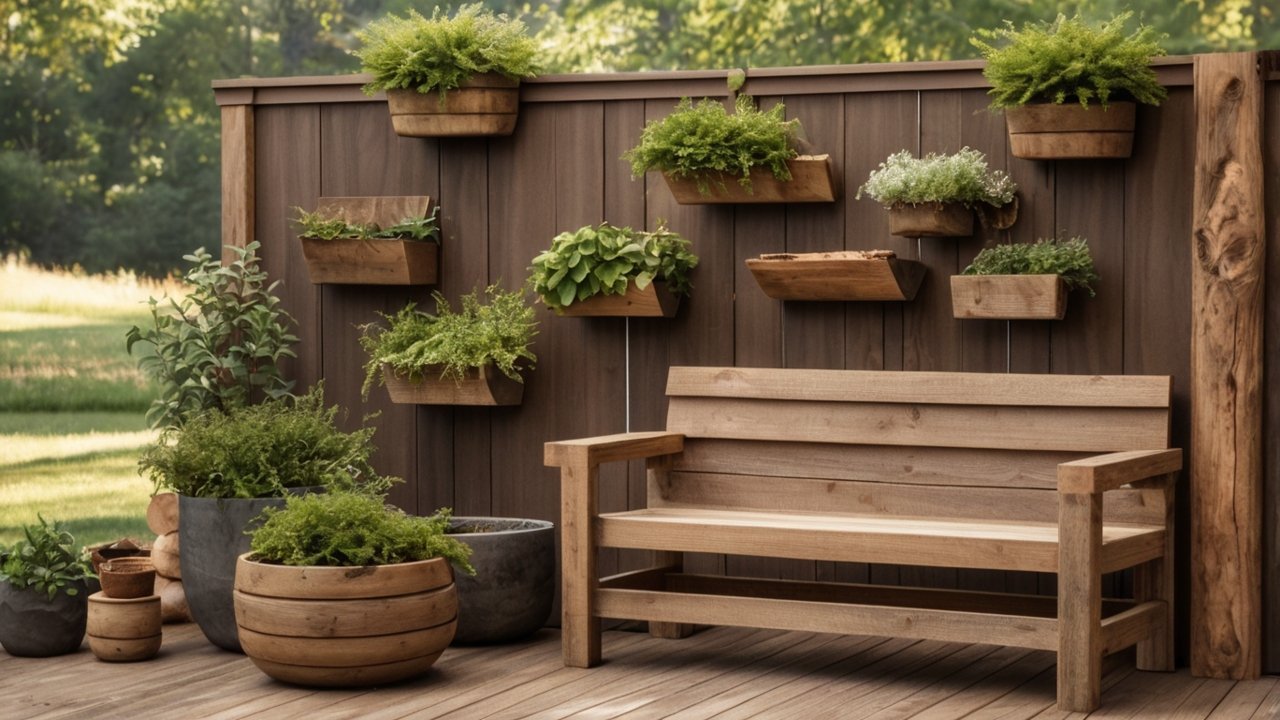
Porch Swings and Patio Benches
Once you’ve tackled planters, benches and swings are a natural next step. These projects introduce load-bearing design while staying approachable.
Rustic outdoor seating typically features:
-
Thick lumber
-
Simple leg or chain-supported designs
-
Matte or oil-based finishes
Benches are especially popular because they’re versatile. Use them on patios, along walkways, or near fire pits. They also scale well. You can start with a basic bench and later add armrests or back supports.
If you prefer structured instructions over designing from scratch, check out these affordable woodworking plans → they include outdoor builds designed specifically for DIYers.
Rustic Fences and Garden Gates
Fences and gates may sound advanced, but rustic designs simplify the process. These projects focus more on alignment and strength than decorative detail.
Common rustic fence features include:
-
Uneven board spacing
-
Natural or rough-cut edges
-
Minimal hardware
Garden gates are particularly satisfying builds. They’re small enough to finish quickly but large enough to feel like a real achievement. Plus, they instantly improve curb appeal.
For safety and durability, woodworking guidelines from organizations like Fine Woodworking Magazine emphasize proper anchoring and weather-resistant fasteners when building outdoor structures.
Firewood Racks That Are Practical and Durable
Firewood racks are often overlooked, but they’re one of the most useful rustic outdoor projects. They protect wood from moisture while keeping it accessible.
Why firewood racks are great beginner projects:
-
Simple framing
-
No finishing required
-
Works well with reclaimed wood
Because these builds don’t require precision, they’re perfect for using leftover lumber. Many DIYers use firewood racks to practice outdoor framing techniques before moving on to sheds or larger structures.
If you’re thinking bigger, see how you can build your own shed with this step-by-step guide once you’re comfortable with outdoor basics.
Outdoor Finishes That Actually Work
Finishing outdoor rustic projects is about protection, not perfection. Heavy gloss coatings often fail outdoors and require constant maintenance.
Better options include:
-
Penetrating oils
-
Exterior-grade stains
-
Leaving wood unfinished when appropriate
For beginners, less is often more. Many experienced builders recommend letting outdoor rustic pieces weather naturally after applying basic protection. This aligns with advice shared in DIY woodworking communities, where durability consistently ranks higher than appearance for exterior projects.
If you want to dive deeper, top wood finishing techniques for a professional look explains which finishes hold up best outdoors.
DIY vs Buying Outdoor Rustic Projects
DIY Outdoor Projects
Pros
-
Custom sizing for your space
-
Stronger construction
-
Lower long-term cost
Cons
-
Time investment
-
Requires basic outdoor-rated tools
Buying Pre-Built
Pros
-
Fast setup
-
No labor
Cons
-
Often overpriced
-
Uses thinner materials
Many store-bought outdoor pieces prioritize appearance over structure. DIY rustic builds focus on strength first, which matters outdoors.
Realistic Advice for Outdoor Beginners
Start with projects that won’t frustrate you if they weather or change over time. Accept that outdoor wood moves and ages. Measure carefully, use exterior-rated screws, and don’t rush assembly. Safety guidelines consistently stress stable footing and proper bracing when working outside.
If you’re working from a small garage or shed, click here to explore this recommended DIY solution to keep tools and materials organized between projects.
Why Outdoor Rustic Woodworking Is Worth It
Outdoor projects combine function, durability, and creativity. They improve your space while sharpening practical skills that carry into larger builds. Most importantly, they show why rustic woodworking ideas work so well in real-world conditions.
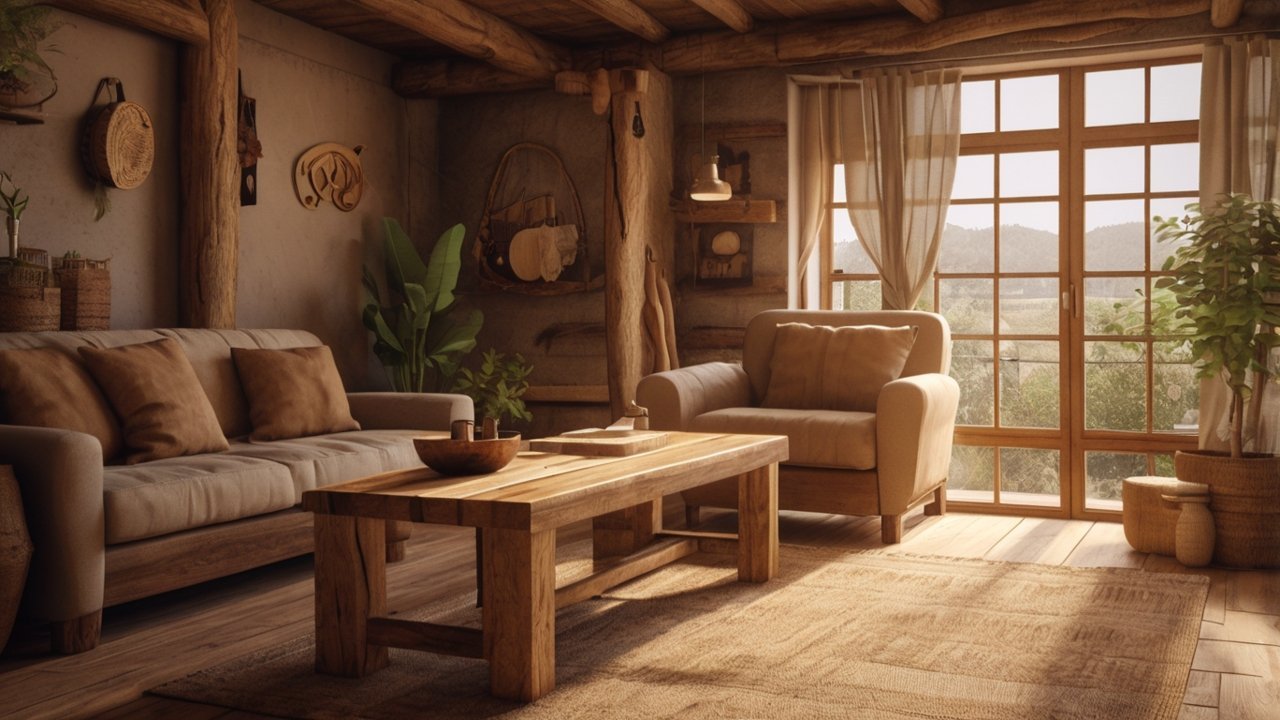
Chapter 7: Finishing Techniques That Enhance Rustic Woodworking Ideas (Without Ruining the Character)
Finishing is where many DIYers accidentally undo great work. With rustic woodworking ideas, the goal isn’t to make wood look new. It’s to protect it while preserving texture, grain, and natural imperfections. The right finish enhances character. The wrong one hides it under plastic-looking shine.
This chapter breaks down beginner-safe finishing methods that actually work, when to use them, and what to avoid if you want an authentic rustic look.
Why Finishing Matters in Rustic Woodworking
Even rustic projects need protection. Finishes help:
-
Prevent moisture damage
-
Reduce cracking and warping
-
Extend the life of your project
The difference is how that protection is applied. Rustic woodworking favors finishes that soak in rather than sit on top. According to finishing advice shared in Fine Woodworking Magazine and long-running DIY communities, over-finishing is the most common beginner mistake.
A good finish should feel like part of the wood, not a coating over it.
Natural Distressing Techniques for a Rustic Look
Distressing is optional, but when done right, it adds depth and history. The key is subtlety.
Common rustic distressing methods include:
-
Light wire brushing along the grain
-
Gentle edge wear using sandpaper
-
Natural dents created during normal use
Avoid artificial damage that looks forced. Many experienced builders recommend letting the wood tell its own story instead of trying to manufacture age.
If you want to see how distressing fits into decor builds, DIY wood decor ideas to instantly upgrade any room shows practical examples that don’t look overdone.
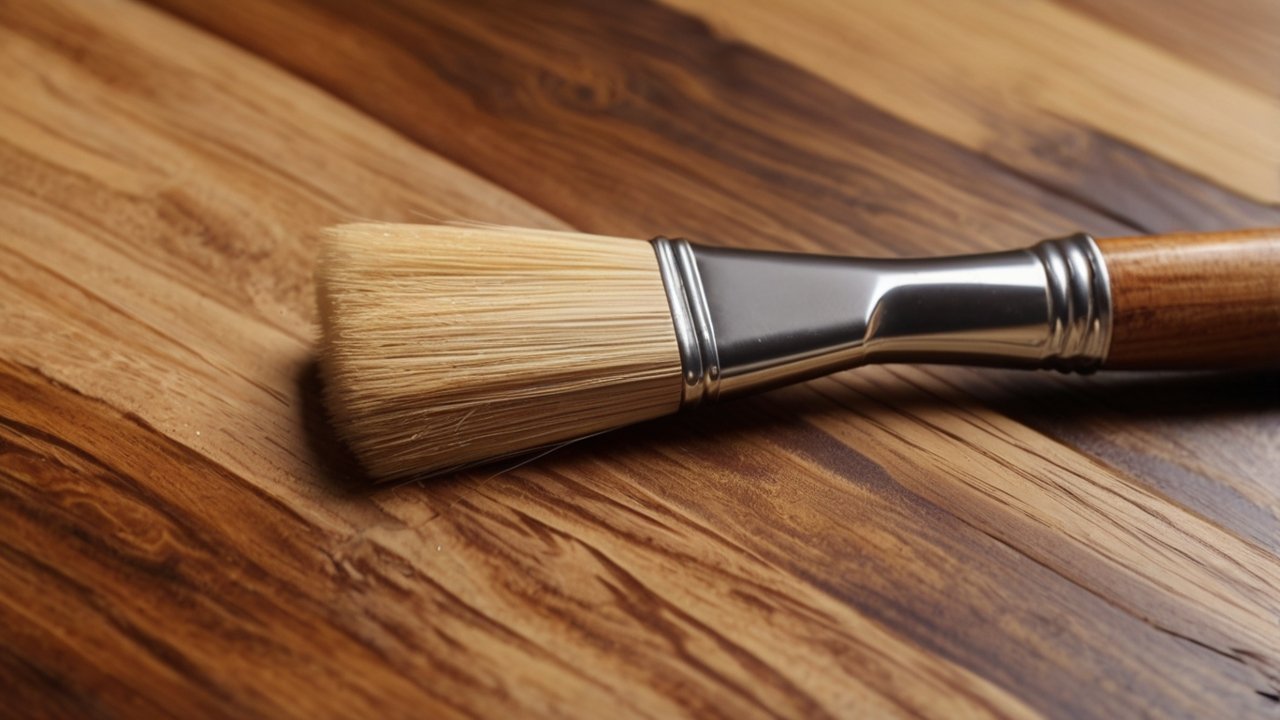
Oil Finishes: The Best Starting Point for Beginners
Oil finishes are a favorite for rustic woodworking because they’re forgiving and easy to repair.
Popular oil finishes include:
-
Danish oil
-
Tung oil blends
-
Natural linseed oil
View a tool that simplifies finishing work →
Why oils work well:
-
Enhance grain without shine
-
Easy to apply and reapply
-
Scratches blend in over time
For tabletops or benches that see regular use, oils provide a balance between protection and authenticity. If you want deeper protection with a similar look, polyurethane wood finishes and how to apply them explains low-sheen options suitable for rustic projects.
Using Wax for Decor and Low-Wear Pieces
Wax finishes are ideal for decor projects that don’t see heavy wear. They add a soft, natural feel that works beautifully with rustic styles.
Best uses for wax:
-
Shelves
-
Wall art
-
Decorative boxes
Wax alone doesn’t offer strong moisture protection, but for indoor decor, that’s often enough. Many DIYers use wax as a final top layer over oil to add warmth and a smooth hand-feel.
This technique is frequently recommended in woodworking forums as a beginner-friendly way to get professional-looking results without complicated steps.
Matte and Satin Finishes for Extra Protection
Sometimes rustic projects need more durability. Tables, benches, and kitchen pieces often benefit from added protection.
In those cases:
-
Choose matte or satin finishes
-
Avoid high-gloss coatings
-
Apply thin, even layers
If you’re unsure which finish matches your project, top wood finishing techniques to get a pro look every time compares finishes clearly and realistically.
For DIYers following structured plans, check out these affordable woodworking plans → many include finish recommendations tailored to each build.
Outdoor Finishing: Protection Over Perfection
Outdoor rustic woodworking ideas require a different mindset. Sun and rain will change the wood no matter what.
Best outdoor options include:
-
Penetrating exterior oils
-
Exterior stains
-
Minimal sealing with regular maintenance
Heavy film finishes often fail outdoors and require constant sanding and reapplication. Many experienced builders prefer finishes that fade naturally and can be refreshed easily.
If you’re preparing for larger outdoor builds, see how you can build your own shed with this step-by-step guide which includes practical outdoor finishing advice.
Common Finishing Mistakes to Avoid
Beginners often run into problems by:
-
Over-sanding and removing texture
-
Applying too many finish coats
-
Using glossy finishes on rustic projects
A simple rule: if the finish draws attention to itself, it’s probably too much.
Woodworking safety and finishing guidelines consistently stress good ventilation, clean surfaces, and patience between coats. Rushing finishing steps causes more issues than any other phase of a project.
DIY vs Factory Finishes: A Realistic Comparison
DIY Rustic Finishes
Pros
-
Natural look
-
Easy repairs
-
Custom appearance
Cons
-
Requires patience
-
Needs occasional maintenance
Factory Finishes
Pros
-
Uniform appearance
-
Minimal upkeep
Cons
-
Often looks artificial
-
Hard to repair
Most people drawn to rustic woodworking ideas prefer DIY finishes because they age with the piece instead of fighting time.
Practical Advice Before You Finish Anything
Always test finishes on scrap wood first. Different species absorb finish differently, and reclaimed wood varies even more. Keep notes, work in good light, and don’t rush the final step.
If your workspace is tight, click here to explore this recommended DIY solution to stay organized and finish projects safely.
Why the Right Finish Makes All the Difference
Finishing isn’t about perfection. It’s about protection and honesty. When done right, finishes highlight what makes rustic woodworking special instead of covering it up.
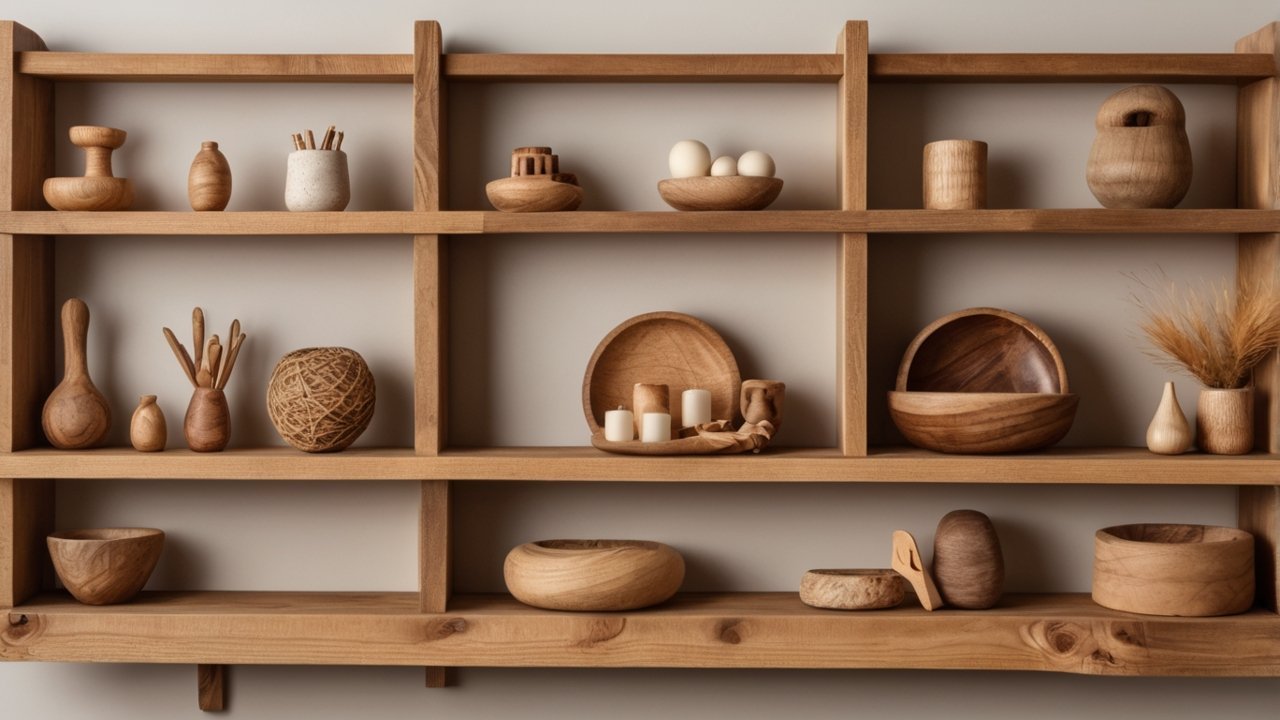
Chapter 8: Common Mistakes to Avoid When Working on Rustic Woodworking Ideas
Rustic projects are often described as “forgiving,” but that doesn’t mean anything goes. Many beginners get frustrated not because rustic woodworking is hard, but because of a few avoidable mistakes that quietly ruin results. Understanding these pitfalls early will save time, money, and motivation, especially as your rustic woodworking ideas become more ambitious.
This chapter highlights the most common issues DIYers run into and how to avoid them with practical, experience-based advice.
Over-Sanding Away the Rustic Character
One of the biggest mistakes is sanding too much. Beginners often assume smoother is better, but rustic woodworking works the opposite way.
What goes wrong:
-
Grain texture disappears
-
Edges look factory-made
-
Reclaimed wood loses its story
Instead of sanding everything flat, focus on:
-
Removing splinters, not texture
-
Softening sharp corners only where needed
-
Letting knots and grain stay visible
Many experienced builders recommend stopping sanding earlier than feels comfortable. If the wood still feels like wood, you’re on the right track. For finishing guidance that preserves character, top wood finishing techniques to get a pro look every time explains how prep affects final results.
Choosing the Wrong Wood for the Project
Another common mistake is using whatever wood is available without considering the project’s purpose. Not all rustic builds use the same materials.
Examples of mismatches:
-
Soft pine for outdoor projects without protection
-
Warped reclaimed boards for structural furniture
-
Decorative wood used for load-bearing parts
If you’re unsure which wood works best, types of wood for furniture and DIY projects breaks down strength, durability, and ideal use cases.
For beginners, choosing predictable wood is often smarter than chasing the “most rustic” option. You can always add character later with finishing techniques.
Ignoring Wood Movement and Moisture
Wood moves. It expands and contracts with humidity and temperature. Ignoring this is one of the fastest ways to ruin rustic woodworking ideas over time.
Common problems include:
-
Cracks forming after installation
-
Warped tabletops
-
Loose joints
To avoid this:
-
Let wood acclimate before building
-
Avoid over-tightening screws
-
Use joinery that allows slight movement
Fine Woodworking Magazine and woodworking safety guidelines consistently stress moisture awareness as a foundational skill, even for simple projects.
Using the Wrong Finish (or Too Much of It)
Rustic projects often fail at the finishing stage. Thick, glossy finishes are the most common culprit.
What to avoid:
-
High-gloss polyurethane
-
Heavy multi-coat finishes
-
Plastic-looking sealers
Rustic woodworking benefits from finishes that soak in, not sit on top. If you need protection without shine, polyurethane wood finishes and how to apply them explains low-sheen options that won’t overpower the wood.
A simple rule: if the finish draws more attention than the wood itself, it’s probably too much.
Skipping Proper Measuring and Layout
Rustic doesn’t mean sloppy. One of the most damaging misconceptions is that measurements don’t matter.
Common layout mistakes include:
-
Uneven leg spacing
-
Shelves that aren’t level
-
Misaligned joints
These errors stand out even in rustic designs. Always dry-fit pieces before final assembly. Measure twice, drill once. Rustic projects hide texture flaws well, but alignment issues are always noticeable.
If you’re following plans, check out these affordable woodworking plans → they’re designed to minimize layout mistakes with clear dimensions and step-by-step guidance.
Buying Tools Too Soon (or the Wrong Ones)
Many beginners overspend on tools before understanding what they actually need. This leads to clutter, frustration, and wasted money.
What you really need early on:
-
A drill
-
A saw (hand saw or circular saw)
-
Measuring and marking tools
Large tool collections don’t improve results. Skill does. If space is limited, click here to explore this recommended DIY solution to organize a small, efficient setup without overbuying.
DIY vs Buying Pre-Built: A Reality Check
Some mistakes happen before the project even starts.
DIY Pros
-
Skill development
-
Custom sizing
-
Long-term value
DIY Cons
-
Time investment
-
Learning curve
Buying Pre-Built
-
Fast results
-
No effort
But buying often leads to disappointment. Many “rustic” products use veneers or artificial distressing that doesn’t age well. Building your own avoids those compromises.
Real-World Advice from Experienced DIYers
Across DIY communities, one piece of advice comes up repeatedly: slow down. Most rustic woodworking mistakes happen when builders rush. Take breaks, step back, and evaluate before committing to cuts or finishes.
If your goal is to move into larger builds later, see how you can build your own shed with this step-by-step guide once you’ve mastered fundamentals without cutting corners.
Why Avoiding These Mistakes Matters
Mistakes cost more than materials. They cost confidence. By avoiding common pitfalls, your rustic woodworking ideas stay enjoyable instead of frustrating.
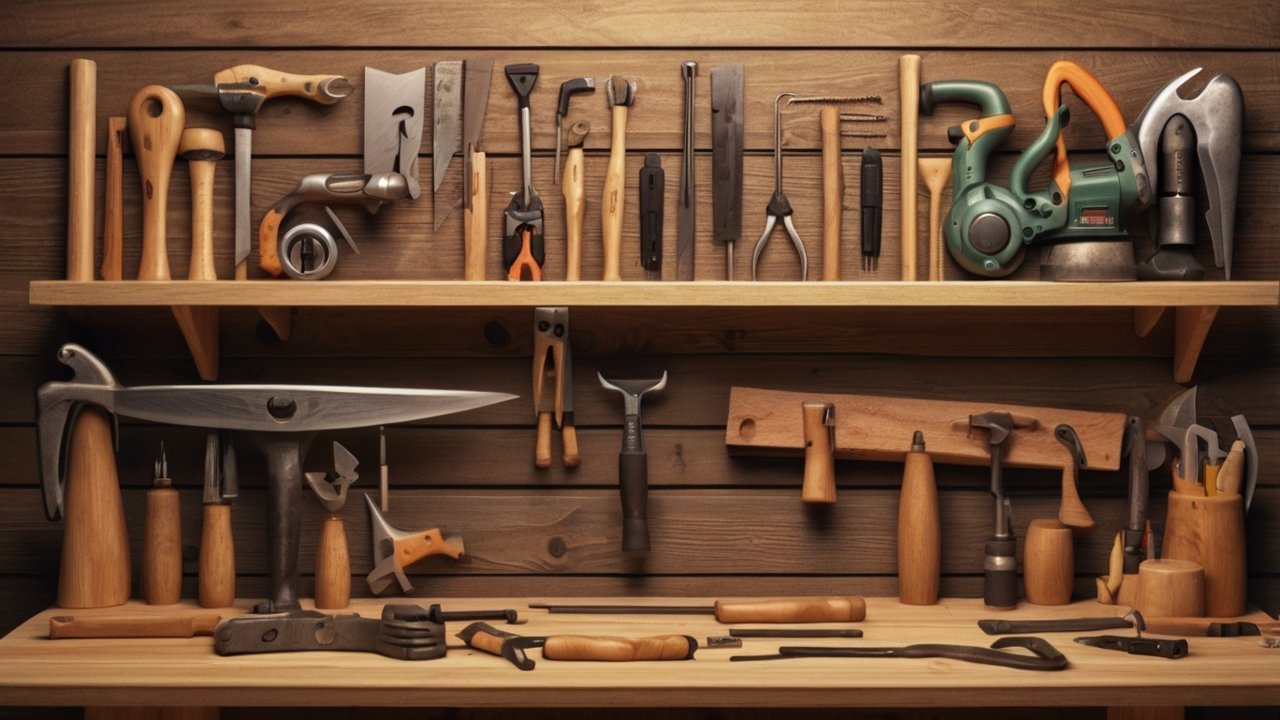
Chapter 9: Tools That Make Rustic Woodworking Ideas Easier (Without Overloading Your Shop)
One of the biggest misconceptions about woodworking is that you need a garage full of expensive tools to get started. In reality, most rustic woodworking ideas rely on a small, practical tool set. Rustic projects favor strength, function, and character over precision machining, which makes them far more accessible for beginners and hobbyists.
This chapter focuses on tools that actually make a difference, which ones you can skip early on, and how to build a smart setup that grows with your skills.
Why Tool Choice Matters More Than Tool Quantity
Many DIYers stall before they even begin because they think they’re under-equipped. The truth is, too many tools often slow beginners down.
The right tools:
-
Improve safety
-
Reduce frustration
-
Help you finish projects consistently
The wrong tools, or too many of them, lead to clutter and decision fatigue. Experienced makers across DIY communities consistently advise mastering a few core tools before expanding your collection.
Must-Have Hand Tools for Rustic Projects
Hand tools form the foundation of most rustic woodworking ideas. They’re affordable, versatile, and teach you how wood behaves.
Essential hand tools include:
-
Measuring tape and carpenter’s square
-
Clamps (you can never have too many)
-
Hammer or mallet
-
Chisels for basic cleanup
These tools are especially useful for small builds like shelves, crates, and decor. If you’re starting with compact projects, easy small woodworking projects pair perfectly with a hand-tool-first approach.
Hand tools also slow you down in a good way. They encourage accuracy and awareness, which leads to better results long-term.
Power Tools Worth Investing In Early
You don’t need a full shop, but a few power tools dramatically increase efficiency. For most rustic projects, investing in a reliable tool early saves time and frustration. Check out this recommended woodworking tool on Amazon →
Best power tools for rustic woodworking:
-
Drill/driver
-
Circular saw or miter saw
-
Random orbital sander
These tools cover the majority of cuts, fastening, and surface prep needed for rustic projects. According to Fine Woodworking Magazine, most beginner mistakes stem from poor setup, not lack of advanced machinery.
If you plan to follow structured builds instead of designing from scratch, check out these affordable woodworking plans → they’re designed around tools most DIYers already own.
Tools That Help with Wood Prep and Finishing
Rustic woodworking still benefits from good preparation, even if the final look isn’t polished.
Helpful tools include:
-
Wire brushes for light distressing
-
Sanding blocks for controlled smoothing
-
Paint brushes or rags for oil finishes
For finish-focused work, top wood finishing techniques to get a pro look every time explains which tools matter most and which ones are optional.
Avoid over-sanding machines early on. Many beginners accidentally remove the very texture that makes rustic projects appealing.
Optional Tools That Become Useful Later
As your projects grow, a few additional tools can improve precision and comfort.
Consider adding later:
-
Pocket hole jig
-
Jigsaw for small cutouts
-
Planer for reclaimed wood cleanup
If you’re curious about surface prep tools, how woodworking planers work and which ones to choose breaks down when a planer actually makes sense.
These tools aren’t essential at first. Many successful builders waited years before adding them.
Budget Tool Alternatives That Actually Work
Not everyone wants to invest heavily upfront, and that’s fine. Rustic woodworking ideas are especially compatible with budget setups.
Smart budget strategies include:
-
Buying used tools
-
Sharing tools with friends
-
Renting rarely used equipment
DIY forums often recommend spending money on clamps and blades first. Cheap blades cause more problems than cheap saws.
If you’re working in a small space, click here to explore this recommended DIY solution for organizing tools efficiently without upgrading your square footage.
Tool Safety: Non-Negotiable for Beginners
Tools don’t need to be expensive, but they must be used safely.
Basic safety rules:
-
Wear eye and hearing protection
-
Secure workpieces before cutting
-
Keep blades sharp and clean
Woodworking safety guidelines consistently stress that dull tools are more dangerous than sharp ones. Take time to set up cuts properly, especially when working with reclaimed wood that may hide nails or debris.
DIY vs Buying Pre-Made Tools and Kits
Some beginners consider buying all-in-one kits or pre-made tool bundles.
DIY Tool Setup
Pros
-
Customized to your needs
-
Lower long-term cost
-
Grows with your skills
Pre-Made Kits
Pros
-
Convenient
-
Quick start
Cons
-
Often includes unnecessary tools
-
Lower overall quality
Most hobbyists find it better to build their tool collection gradually, based on the projects they actually want to complete.
Tools That Support Bigger Builds
If your goal is to move beyond furniture into structural projects, tool needs shift slightly. Outdoor framing and sheds require more planning and support.
When you’re ready, see how you can build your own shed with this step-by-step guide which includes tool recommendations matched to each phase of the build.
Final Advice on Tools for Rustic Woodworking
Start small. Buy tools that solve real problems, not tools that look impressive. Most importantly, learn how each tool works before adding the next one. Skill compounds faster than equipment.
With the right tool choices, rustic woodworking ideas become easier, safer, and far more enjoyable to bring to life.

Chapter 10: Selling or Gifting Rustic Woodworking Ideas: What Actually Works
At some point, many DIYers realize they’ve built more than they can keep. That’s when rustic woodworking ideas shift from personal projects into gifts, side income, or even a small business. Whether you’re selling locally or giving pieces to friends and family, how you choose, price, and present your work makes a big difference.
This chapter focuses on realistic strategies that work for hobbyists, not mass production shops.
Rustic Woodworking Ideas That Sell Best
Not every project is a good candidate for selling. Items that perform best are usually:
-
Functional
-
Easy to transport
-
Repeatable without burnout
Popular sellers include:
-
Rustic shelves and wall decor
-
Benches and small tables
-
Coat racks and entryway pieces
-
Outdoor planters
These projects balance material cost and labor time well. Many sellers start with designs they’ve already built for their own homes. If a piece works for you daily, it’s likely useful to others too.
For proven beginner-friendly designs, DIY wooden furniture projects beginners can actually sell highlights items that move consistently.
Pricing Rustic Projects Without Undervaluing Your Work
Pricing is where many DIYers struggle. Charging too little leads to burnout. Charging too much scares buyers away.
A realistic pricing approach includes:
-
Material cost
-
Consumables (screws, finish, sandpaper)
-
Time (even at a modest hourly rate)
Rustic woodworking often commands higher perceived value because pieces feel solid and handmade. According to discussions in established DIY woodworking communities, buyers are often willing to pay more for authenticity, especially when reclaimed wood is used.
Avoid comparing your work to big-box store prices. Mass-produced “rustic” furniture often uses veneers and artificial distressing that won’t last.
Selling vs Gifting: Choosing the Right Projects
Some rustic woodworking ideas are better suited for gifts than sales.
Great gift projects:
-
Picture frames
-
Small decor items
-
Personalized signs
Better for selling:
-
Furniture
-
Outdoor pieces
-
Storage solutions
Gifting allows more creative freedom. Selling requires consistency and repeatability. Many hobbyists keep one or two “signature” items for sale and experiment freely with everything else.
If you want structured builds that can be repeated efficiently, check out these affordable woodworking plans → they’re designed with consistency and time savings in mind.
Presentation Matters More Than You Think
How you present a rustic piece heavily influences perceived value. This applies whether you’re selling or gifting.
Key presentation tips:
-
Clean surfaces, even if the wood is rough
-
Neutral backgrounds for photos
-
Natural lighting over harsh indoor light
For gifts, simple wrapping or handwritten notes elevate the experience. For sales, clear photos showing grain, joints, and scale build trust with buyers.
Fine Woodworking Magazine and artisan craft sellers consistently note that buyers respond more to clarity and honesty than perfection.
Where to Sell Rustic Woodworking Projects
Most hobbyists start locally. It’s simpler and avoids shipping headaches.
Common options include:
-
Local markets and craft fairs
-
Social media marketplaces
-
Word-of-mouth referrals
Outdoor items and furniture sell especially well locally due to size and weight. If your long-term goal includes larger builds, see how you can build your own shed with this step-by-step guide which can double as both a project and a selling point.
Scaling Without Burning Out
One mistake new sellers make is taking too many orders too quickly. Rustic woodworking takes time, and quality matters.
To avoid burnout:
-
Limit custom requests early on
-
Batch similar builds
-
Keep a clear schedule
Many successful hobbyists maintain woodworking as a side project rather than a full-time job. That balance keeps the work enjoyable.
If space or organization becomes a challenge, click here to explore this recommended DIY solution for managing tools and inventory efficiently.
DIY vs Buying Pre-Made Gifts
DIY Gifts
Pros
-
Personal and meaningful
-
Customizable
-
Often more durable
Cons
-
Time investment
Store-Bought Gifts
Pros
-
Fast and convenient
Cons
-
Less personal
-
Often lower quality
Handmade rustic gifts tend to be kept longer and used more often. That alone makes the effort worthwhile.
Legal and Practical Considerations (Beginner Level)
If you sell occasionally, keep it simple:
-
Track basic expenses
-
Be honest about materials
-
Avoid overpromising timelines
You don’t need a formal business setup to sell a few items locally, but professionalism builds trust quickly.
Why Selling or Gifting Rustic Projects Is Rewarding
Selling or gifting handmade pieces changes how you view your work. It adds purpose beyond the build itself. Seeing someone use something you made reinforces why rustic woodworking ideas are so powerful: they connect people through function, craft, and authenticity.
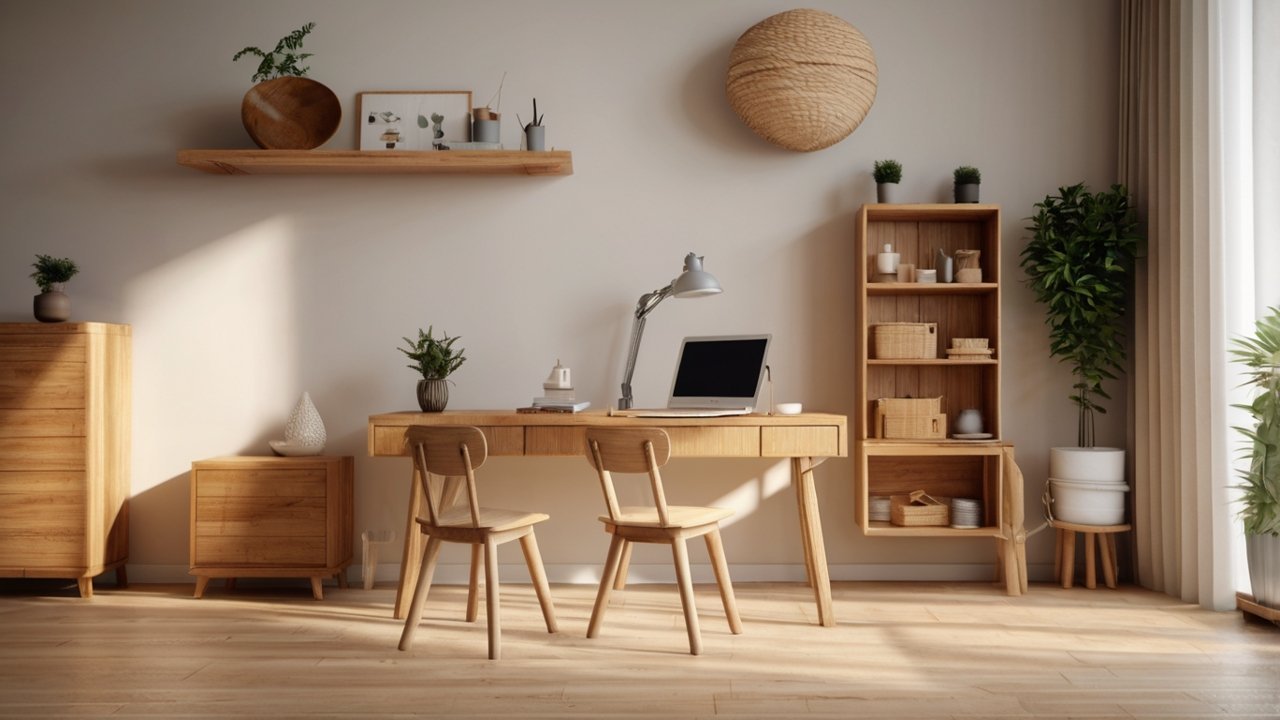
Final Thoughts on Rustic Woodworking Ideas (And Your Next Steps)
By now, it should be clear why rustic woodworking ideas continue to attract beginners and experienced DIYers alike. They’re practical, flexible, and grounded in real craftsmanship. You don’t need a perfect workshop, expensive tools, or years of experience to build something meaningful. What you do need is patience, curiosity, and a willingness to learn as you go.
Rustic woodworking works because it meets people where they are. You can start with a simple shelf, move into furniture, experiment with decor, and eventually tackle outdoor or structural projects. Each build builds confidence. Each mistake teaches something useful. That steady progress is far more sustainable than chasing perfection.
If you’re just getting started, focus on:
-
Projects you’ll actually use
-
Simple materials and forgiving designs
-
Learning fundamentals before scaling up
For hobbyists looking to grow, repeating proven builds and improving finishes will take your work to the next level. Many makers eventually turn rustic woodworking ideas into meaningful gifts or side income, not because they rush it, but because quality and consistency naturally follow experience.
If you’re ready for more structure, check out these affordable woodworking plans →
👉 https://shmilykhoo.systeme.io/diy-wood-haven
They’re designed to help DIYers progress without overwhelm.
And if you’re thinking bigger down the road, see how you can build your own shed with this step-by-step guide
👉 https://shmilykhoo.systeme.io/myshedplans
It’s a practical way to apply everything you’ve learned.
Affiliate Disclosure
Some links in this article are affiliate links. This means we may earn a small commission if you choose to make a purchase through them, at no extra cost to you. We only recommend tools, plans, and resources that align with rustic woodworking and are genuinely helpful for DIYers and hobbyists. These commissions help support ongoing content creation and keep this site running.
Rustic woodworking isn’t about chasing trends. It’s about building things that last, learning skills that compound, and enjoying the process along the way. Start small, stay curious, and let the wood guide the rest.
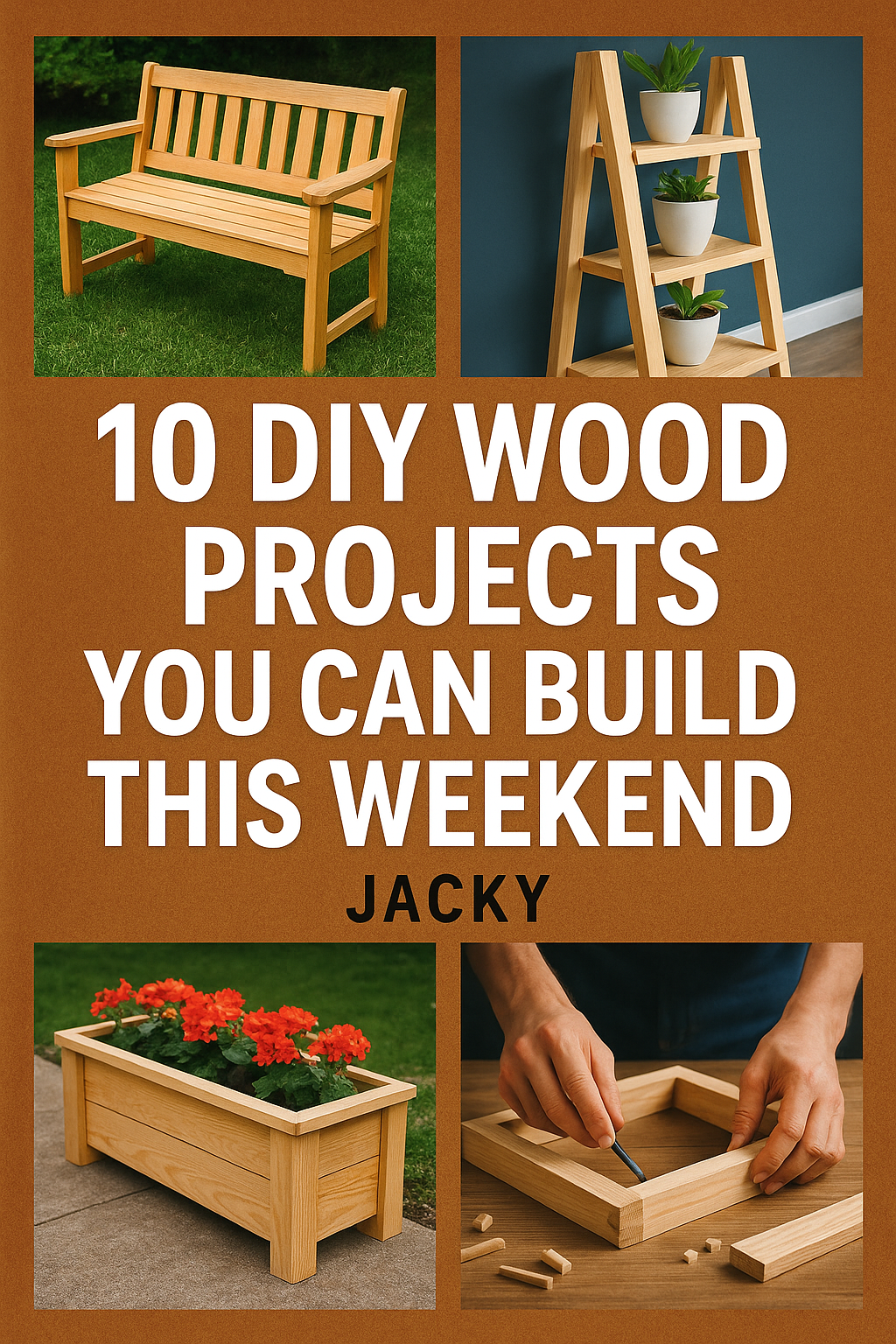
📘10 Easy DIY Wood Projects for the Weekend
Looking for a fun and rewarding weekend activity?
With this FREE eBook, you’ll discover 10 beginner-friendly wood projects that you can build with simple tools and a little creativity.
Inside, you’ll find:
🪵 Step-by-step instructions for each project
🛠️ Easy-to-follow designs—perfect for beginners
🌿 Functional and stylish pieces you’ll actually use
🎉 Projects you can complete in just a weekend
Whether you want to craft a garden bench, a planter box, or a simple home décor piece, this guide will help you turn raw wood into something beautiful and useful.
👉 Enter your email below to claim your FREE copy and start your DIY journey today!
Please log in to access your exclusive content.
Don’t have an account? Click the “Register” button below to sign up.
Related Posts