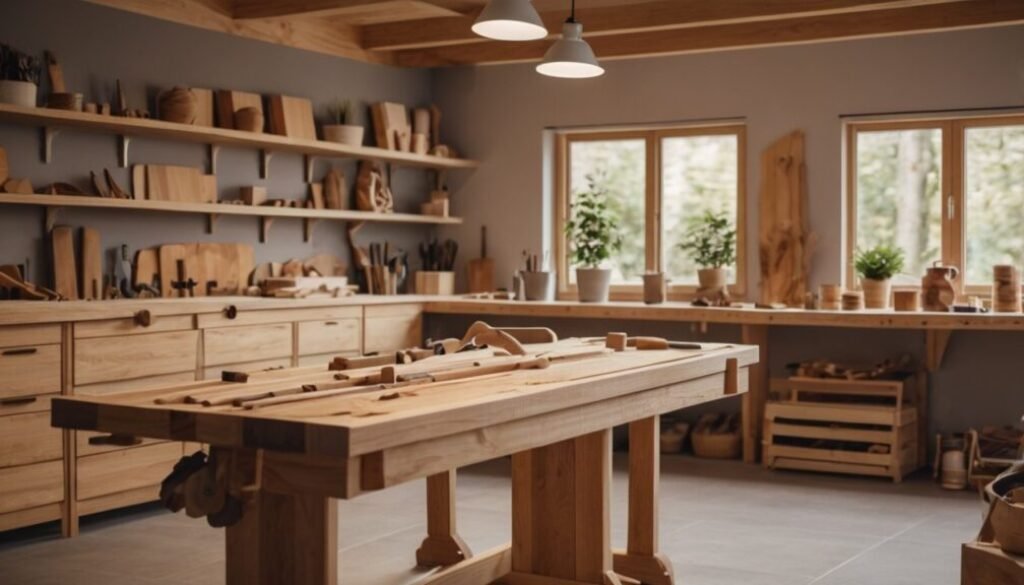
Creative Woodworking Ideas You Can Build and Sell
Have you ever looked at a simple piece of wood and wondered what it could become? Creative woodworking ideas have a way of turning everyday materials into something useful, beautiful, or even profitable, and that’s exactly why so many people are drawn to this craft today.
Whether you’re a weekend hobbyist, a DIY enthusiast, or someone exploring a hands-on side hustle, woodworking offers a rare mix of creativity and practicality. With the right creative woodworking ideas, you can build items that solve real problems, add character to a space, or become products people are happy to pay for. From small woodworking projects you can finish in an afternoon to more thoughtful designs that challenge your skills, there’s something rewarding at every level.
This topic matters because woodworking is more accessible than ever. Affordable tools, online inspiration, and a growing demand for handmade items make now a great time to start. Even beginners can find woodworking projects that feel achievable while still allowing room for personal style.
In the sections ahead, we’ll explore creative woodworking ideas that inspire, challenge, and help you turn raw wood into projects you’ll be proud to share or sell.

Chapter 1: Why Creative Woodworking Ideas Are More Popular Than Ever
Creative woodworking is no longer a niche hobby reserved for fully equipped workshops. Today, creative woodworking ideas appeal to beginners, DIY hobbyists, and homeowners who want practical projects they can actually finish. As people look for more meaningful, hands-on activities, woodworking has reemerged as both a creative outlet and a practical skill.
There’s also a growing shift away from disposable furniture. Many people want items that feel personal, last longer, and fit their space properly. That’s where creative woodworking ideas stand out. They allow you to build with intention instead of settling for what happens to be available.
The Rise of Handmade Living and DIY Skills
Handmade goods and DIY skills have steadily gained traction over the last few years. Established woodworking magazines and long-running DIY communities consistently highlight the same trend: people want control over quality, materials, and design.
Creative woodworking ideas fit naturally into this movement. Instead of adjusting your home to fit furniture, you build furniture to fit your home. For beginners, this flexibility is important. You can start small, make mistakes safely, and improve with each build.
If you’re just getting started, browsing beginner woodworking projects helps set realistic expectations and shows what’s achievable with basic tools.
At this stage, many beginners benefit from clear guidance. Rather than guessing measurements or steps, Check out these affordable woodworking plans →. They’re often the best solution for learning fundamentals while avoiding unnecessary material waste.
DIY vs Buying Pre-Built: What Actually Makes Sense
A common question is whether it’s worth building something instead of buying it. The answer depends on the project and your goals.
DIY woodworking advantages
-
Custom sizing and layout
-
Material quality you can verify
-
Lower cost for small to medium projects
-
Skills that carry into future builds
Buying pre-built advantages
-
Faster results
-
No learning curve
-
Consistent factory finishes
For shelves, organizers, benches, and decor, creative woodworking ideas often provide better long-term value. These are the projects where DIY becomes the best solution, especially when store-bought options are overpriced or poorly sized.
As projects become more frequent, efficiency matters. Many hobbyists discover that their biggest limitation isn’t skill, but space and organization. When clutter starts slowing progress, Click here to explore this recommended DIY solution. A well-organized setup is a recommended tool for improving safety, accuracy, and enjoyment.
Accessibility Is Fueling Creative Woodworking Ideas
Woodworking has become more accessible than ever. Affordable tools, better tutorials, and clearer safety education have lowered the barrier to entry. According to widely shared safety guidance in DIY communities, beginners who focus on planning and setup progress faster and make fewer costly mistakes.
Material choice also plays a major role. Starting with forgiving woods makes learning easier and less frustrating. If you’re unsure what to buy, this guide to wood types explains which options work best for beginners and why.
Why Creative Woodworking Ideas Keep People Engaged
Woodworking offers visible progress. Each project improves measuring, cutting, and finishing skills. Over time, creative woodworking ideas stop feeling intimidating and start feeling logical.
Experienced builders often recommend repeating simple builds before chasing complexity. Resources like easy small woodworking projects show how repetition builds confidence faster than jumping between advanced designs.
As skills grow, so do project sizes. Tools, lumber, and half-finished builds begin to take over shared space. When that happens, See how you can build your own shed with this step-by-step guide. For many DIYers, this becomes the best solution for creating a dedicated, functional workspace.
Setting the Foundation for What Comes Next
Creative woodworking ideas continue to grow in popularity because they solve real problems. They’re practical, customizable, and accessible at nearly any skill level. You can start small, work safely, and grow at your own pace.
In the next chapter, we’ll focus on beginner-friendly creative woodworking ideas you can start today, even with basic tools and limited experience.
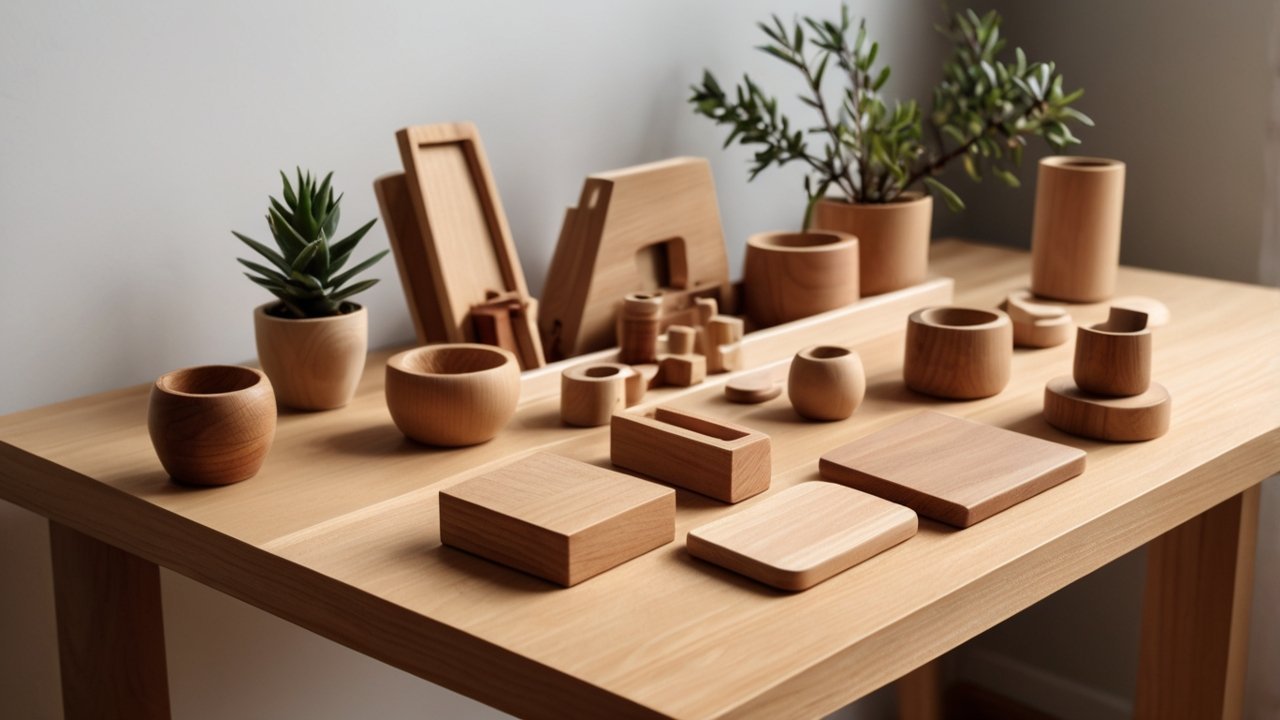
Chapter 2: Beginner-Friendly Creative Woodworking Ideas Anyone Can Start With
Starting woodworking can feel intimidating, but it doesn’t have to be. Many creative woodworking ideas are designed specifically for beginners who want simple projects, visible results, and confidence early on. The key is choosing builds that focus on fundamentals rather than complexity.
Beginner projects matter because early success keeps motivation high. When your first builds turn out sturdy and useful, woodworking quickly feels approachable instead of overwhelming.
Creative Woodworking Ideas That Use Basic Tools
One of the biggest misconceptions about woodworking is that it requires expensive equipment. In reality, many beginner-friendly creative woodworking ideas rely on just a few essential tools and straightforward cuts.
Common beginner projects include:
-
Simple wall shelves
-
Wooden phone or tablet stands
-
Entryway key holders
-
Small storage boxes or crates
These projects teach measuring, drilling, sanding, and assembly without advanced joinery. If you want realistic examples that match beginner skill levels, beginner woodworking projects are a great place to see what’s achievable with minimal tools.
At this stage, many beginners struggle with planning more than cutting. Instead of guessing dimensions, Check out these affordable woodworking plans →. They’re often the best solution for getting clean results while learning proper workflow.
Choosing the Right Wood for Beginner Projects
Material choice plays a major role in how beginner projects turn out. Some woods are forgiving, while others highlight every mistake. Starting with the right material reduces frustration and improves results.
Beginner-friendly options include:
-
Pine for shelves and decor
-
Plywood for boxes and organizers
-
Poplar for painted projects
Hardwoods look great but usually require sharper tools and more patience. If you’re unsure which material fits your project, this guide to wood types for furniture projects explains which woods are easiest to work with and why.
Beginner Projects That Look Custom Without Complexity
The best beginner builds feel intentional without being complicated. Small design choices often make simple projects look custom.
Examples include:
-
Floating shelves sized to your wall
-
Plant stands matched to pot height
-
Desk organizers designed around your workspace
These projects rely more on proportion and finish than advanced techniques. If your goal is improving your living space, DIY wood decor ideas show how beginner projects can make a noticeable impact.
As projects add up, organization becomes important. When tools and materials start slowing you down, Click here to explore this recommended DIY solution. A clean, efficient setup is a recommended tool for staying accurate and safe as a beginner.
DIY vs Store-Bought for Beginner Projects
For beginners, comparing DIY to store-bought items is helpful.
DIY advantages
-
Lower cost for small items
-
Custom sizing
-
Skill development
Store-bought advantages
-
Immediate use
-
No learning curve
For items like shelves, organizers, and small furniture, creative woodworking ideas are often the best solution. These are projects where building yourself saves money and improves fit without demanding advanced skills.
Learning Faster With Guided Beginner Builds
Experimentation is valuable, but structure speeds up learning. Clear instructions reduce mistakes, especially when using power tools for the first time.
Many beginners see faster progress by following step-by-step builds. Check out these affordable woodworking plans → provide clear measurements and tool lists, making them an affordable DIY plans option for consistent results.
If you plan to move into larger beginner projects or outdoor builds later, See how you can build your own shed with this step-by-step guide. This often becomes the best solution once tools and materials outgrow shared space.
Safety and Skill Growth for Beginners
Safety habits formed early last a lifetime. Established DIY communities consistently emphasize eye protection, proper clamping, and clean workspaces. Smaller projects are ideal for learning these habits without pressure.
According to widely shared woodworking advice, beginners who slow down, plan cuts, and avoid rushing see better results and fewer mistakes.
Building Confidence Through Beginner-Friendly Creative Woodworking Ideas
The true value of beginner projects is momentum. Each finished build improves accuracy, confidence, and understanding of materials. Over time, creative woodworking ideas stop feeling uncertain and start feeling manageable.
In the next chapter, we’ll explore creative woodworking ideas for home decor that look polished, intentional, and well-suited for everyday living spaces.
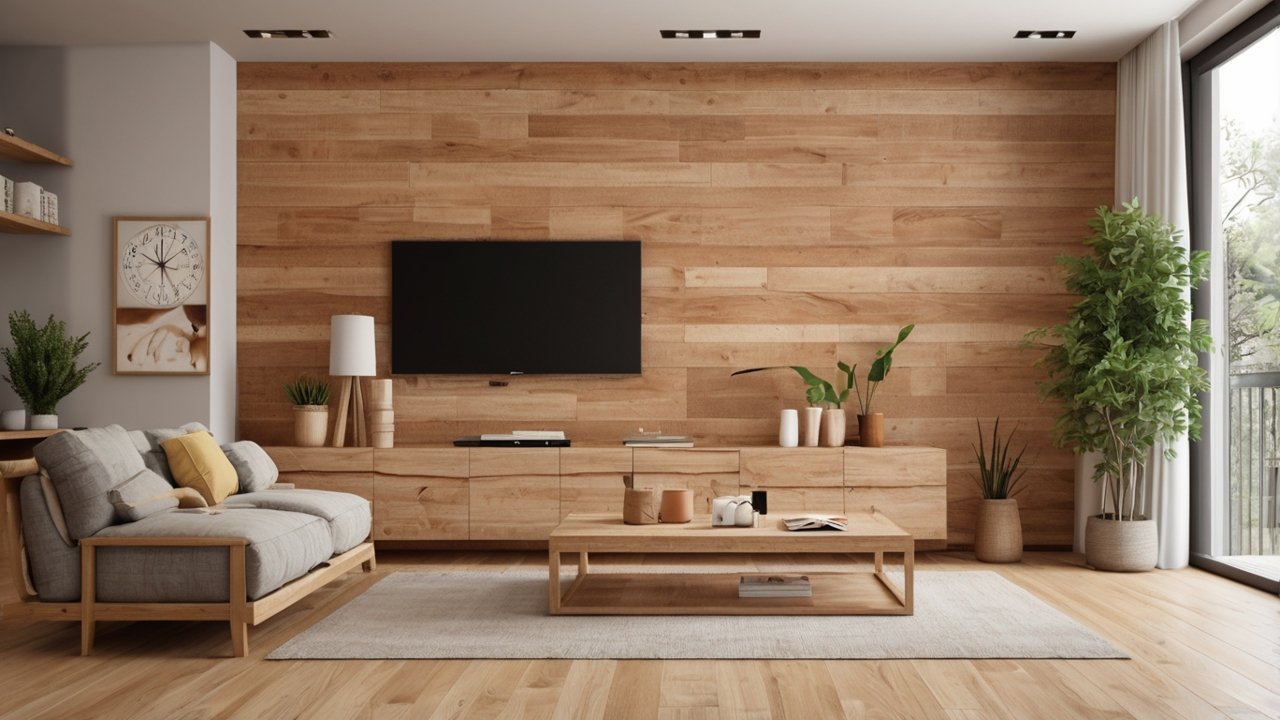
Chapter 3: Creative Woodworking Ideas for Home Decor That Feel Custom
Home decor is where woodworking starts to feel personal. With the right creative woodworking ideas, you can build pieces that fit your space, match your style, and feel intentional rather than generic. For beginners and hobbyists, decor projects are also a smart step forward. They are usually small, manageable, and rewarding without requiring advanced tools or joinery.
Unlike store-bought decor, handmade wood pieces show character. Grain patterns, subtle variations, and hand-finished details often make a room feel warmer and more lived-in.
Creative Woodworking Ideas That Instantly Upgrade a Room
You don’t need complex designs to make an impact. Many creative woodworking ideas for home decor rely on clean lines, good proportions, and thoughtful placement rather than advanced techniques.
Beginner-friendly decor projects include:
-
Floating shelves for living rooms or kitchens
-
Wooden plant stands
-
Wall-mounted coat or hat racks
-
Picture ledges and small wall organizers
These projects teach layout, spacing, and finish quality, which are essential skills for any woodworker. If you’re looking for realistic inspiration, DIY wood decor ideas show how simple builds can noticeably improve a space.
For many beginners, the biggest challenge here is planning dimensions correctly. Instead of guessing, Check out these affordable woodworking plans →. They’re often the best solution for decor projects that need clean proportions and repeatable results.
Rustic vs Modern: Choosing a Home Decor Style
Before starting a decor project, it helps to decide on a general style. This prevents overthinking and keeps design choices consistent.
Rustic woodworking decor
-
Emphasizes natural grain and texture
-
Often uses reclaimed or lightly finished wood
-
Works well in cozy or farmhouse-style homes
Modern woodworking decor
-
Clean lines and minimal shapes
-
Smooth finishes or lighter stains
-
Ideal for small or minimalist spaces
Many woodworkers blend both styles. A modern shelf made from warm-toned wood, for example, works in almost any room. If rustic style appeals to you, rustic woodworking ideas provide approachable examples that remain beginner-friendly.
DIY Decor vs Store-Bought Pieces
Decor is one area where DIY often makes more sense than buying.
DIY decor advantages
-
Custom sizing for your walls
-
Lower cost for shelves and wall pieces
-
Material quality you can control
Store-bought advantages
-
Faster setup
-
No tools required
For items like shelves, racks, and small organizers, creative woodworking ideas are often the best solution. Store prices are usually high for relatively simple construction, while DIY allows better materials at a lower cost.
Finishing Techniques That Elevate Decor Projects
Finishing is where decor projects succeed or fail. Even well-built pieces look unfinished without proper sanding and coating.
Simple finishing habits that improve results:
-
Sand in stages instead of rushing
-
Test stains or finishes on scrap wood
-
Match the finish to the room’s tone
If finishing feels intimidating, this guide to wood finishing techniques explains beginner-friendly methods that deliver professional-looking results.
As you complete more decor projects, workspace organization becomes more important. When clutter affects accuracy, Click here to explore this recommended DIY solution. Many hobbyists consider this a recommended tool for improving workflow and finish quality.
Creative Woodworking Ideas That Can Also Sell
Home decor projects often double as sellable items. Shelves, plant stands, and wall organizers are consistently popular at local markets and online platforms.
If you’re considering selling, consistency matters more than variety. Using repeatable designs helps control time and material costs. Check out these affordable woodworking plans → are an affordable DIY plans option for producing decor pieces that look professional and predictable.
As volume increases, many builders outgrow shared space. See how you can build your own shed with this step-by-step guide. This often becomes the best solution for separating living space from workshop space.
Why Home Decor Is a Smart Step Forward
Creative woodworking ideas for home decor strike a balance between effort and reward. They improve your living space, sharpen finishing skills, and build confidence without requiring major investments.
In the next chapter, we’ll move beyond decor and explore functional woodworking projects that solve everyday problems while still allowing room for creativity and personal style.
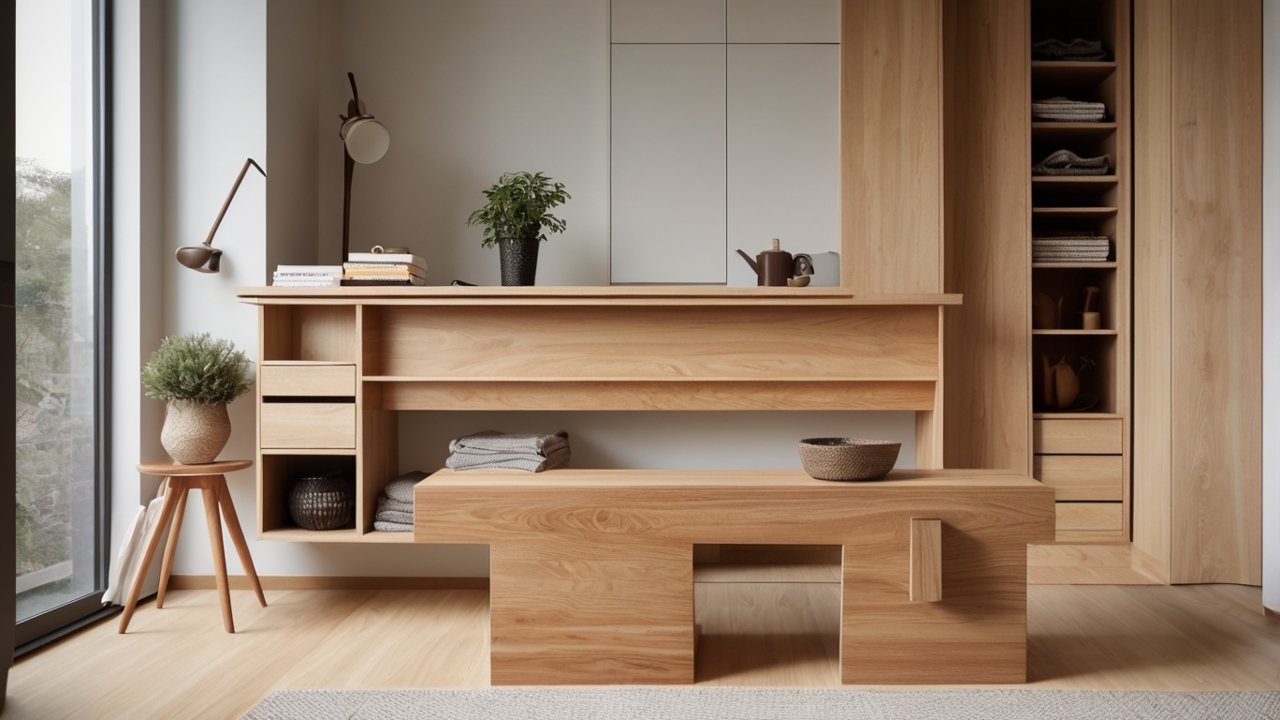
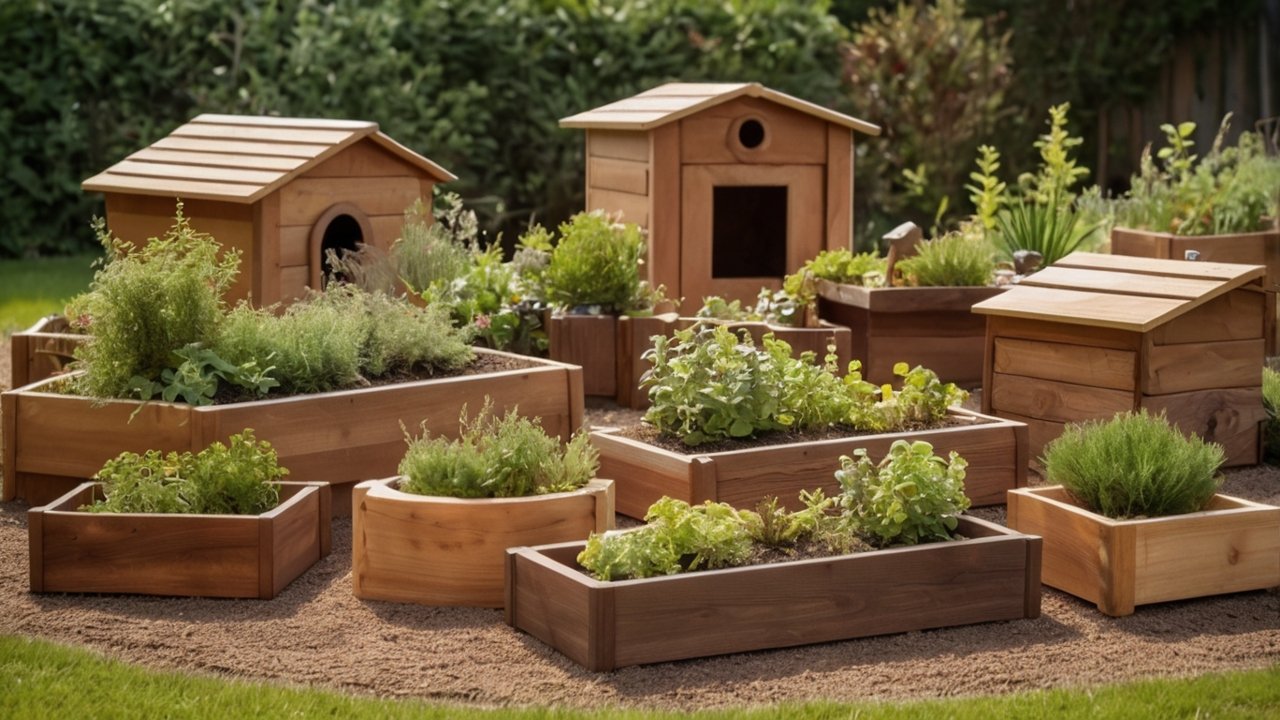
Chapter 5: Outdoor Creative Woodworking Ideas for Gardens and Exterior Spaces

Chapter 6: Woodworking Ideas You Can Sell for Profit Without Overcomplicating It
For many hobbyists, there comes a point when woodworking shifts from a personal hobby to a serious question: can this actually earn money? With the right creative woodworking ideas, the answer is yes. Selling woodworking projects does not require mass production or quitting your day job. It starts with choosing projects that are practical, repeatable, and in consistent demand.
What matters most is keeping things simple. Projects that balance build time, material cost, and buyer appeal are far more profitable than complex builds that look impressive but take too long to finish.
Creative Woodworking Ideas That Sell Consistently
Not all projects sell equally well. Beginners often assume larger furniture brings higher profits, but smaller items usually perform better, especially at the start.
Beginner-friendly sellable projects include:
-
Cutting boards and serving trays
-
Floating shelves
-
Wooden plant stands
-
Entryway organizers and key holders
-
Small storage boxes
These items sell well because they are useful, giftable, and easy to customize. If you’re looking for proven ideas, easy small woodworking projects provide realistic examples that balance effort with demand.
Once you identify a few strong products, consistency becomes more important than variety. At that point, many sellers benefit from structured guidance. Check out these affordable woodworking plans →. They’re often the best solution for producing repeatable results without constant redesign.
Custom Woodworking vs Mass-Market Products
When selling handmade items, you’re not competing with big-box stores on price. You’re competing on quality, fit, and intention.
Custom woodworking advantages
-
Higher perceived value
-
Ability to charge for customization
-
Less direct competition
Mass-market style limitations
-
Lower margins
-
Price pressure
-
Harder to stand out
Creative woodworking ideas work best when they solve a specific problem. A shelf designed for a narrow wall or an organizer sized for small entryways often sells faster than generic designs.
Pricing Projects Realistically
Underpricing is one of the most common beginner mistakes. Charging only for materials might feel fair, but it quickly leads to burnout.
A realistic price includes:
-
Material costs
-
Consumables and tool wear
-
Build time
-
Finishing and packaging
Experienced DIY sellers often recommend tracking build time honestly for a few projects. This helps identify which items are worth repeating and which ones should stay personal projects.
Using standardized designs helps here. Check out these affordable woodworking plans → are an affordable DIY plans option for keeping costs predictable and margins healthier.
Where to Sell Your Woodworking Projects
Different selling channels suit different products.
Common options include:
-
Local craft fairs and markets
-
Online marketplaces
-
Social media direct sales
-
Local custom commissions
Smaller items tend to sell well online due to easier shipping. Larger pieces often perform better locally. Many beginners test ideas at local markets before expanding online.
As production increases, workspace limitations become noticeable. When tools, lumber, and inventory start competing for space, Click here to explore this recommended DIY solution. Many sellers consider this a recommended tool for improving efficiency and workflow.
Repeatability Is the Key to Profit
Selling woodworking successfully is less about creativity and more about repeatability. Projects that rely on straight cuts and simple joinery are easier to scale.
Good repeatable projects usually have:
-
Standard lumber sizes
-
Minimal joinery types
-
Simple finishing processes
Limiting your product range reduces setup time and improves consistency. This approach also makes quality control easier as volume increases.
For sellers moving toward larger inventory or storage needs, See how you can build your own shed with this step-by-step guide.. For many, this becomes the best solution for separating workspace, storage, and finished products.
Quality, Safety, and Buyer Trust
Selling woodworking projects means taking responsibility for quality and safety. Items should be stable, smooth, and safe for everyday use.
Basic quality checks include:
-
Sanding all touch points thoroughly
-
Using food-safe finishes where needed
-
Testing weight limits
Established woodworking communities consistently emphasize that reputation matters more than speed. One poorly built item can undo months of good work.
Is Selling Woodworking Right for You?
Selling woodworking projects doesn’t have to mean pressure or burnout. For many people, it remains a flexible side income that grows slowly.
Creative woodworking ideas that sell well tend to be simple, practical, and thoughtfully finished. Start small. Track your costs. Improve one thing at a time.
In the next chapter, we’ll focus on the tools and materials that spark creativity and help you work more efficiently without overspending.
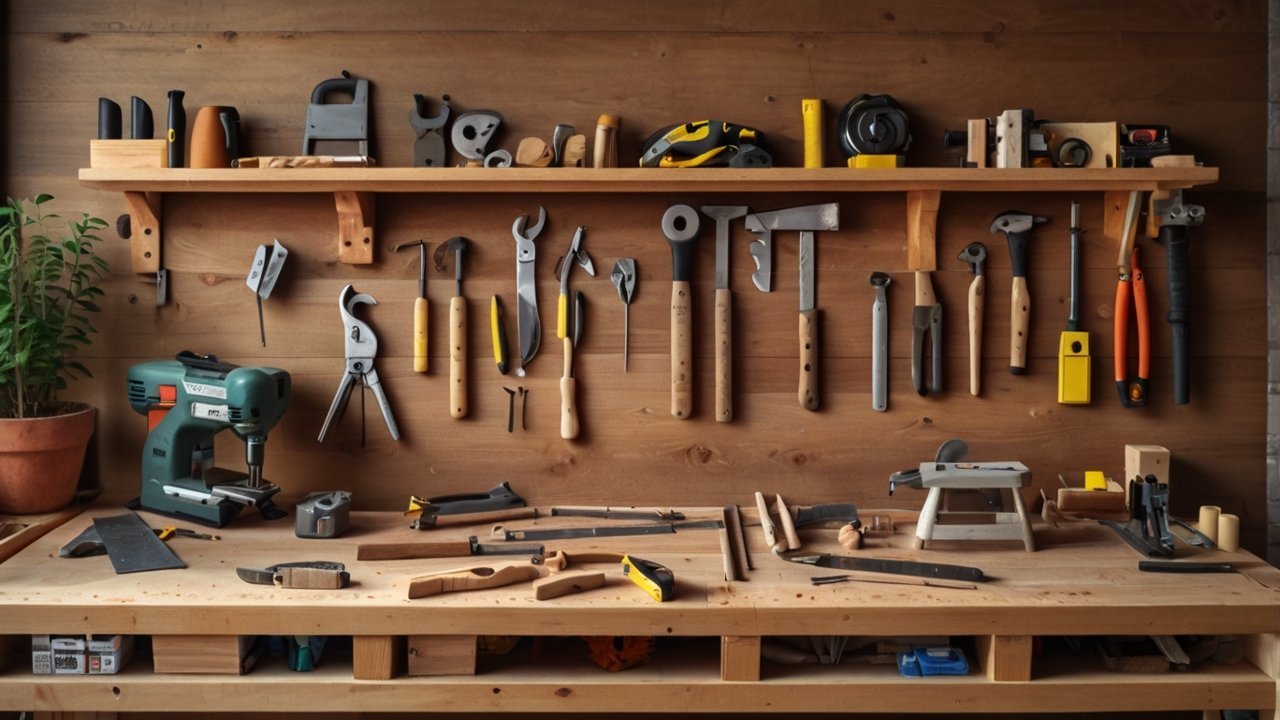
Chapter 7: Tools and Materials That Spark Creativity Without Overspending
Tools and materials shape how enjoyable and efficient woodworking feels. With the right setup, creative woodworking ideas become easier to execute, safer to build, and more consistent in quality. Without it, even simple projects can feel frustrating. The goal is not owning every tool, but choosing the ones that support how you actually build.
For beginners and hobbyists, smart tool choices matter more than expensive upgrades. A small, intentional setup often outperforms a cluttered workspace filled with unused equipment.
Essential Tools for Creative Woodworking Ideas
Most beginner and intermediate projects rely on a short list of core tools. These cover measuring, cutting, fastening, and finishing, which is enough for a wide range of creative woodworking ideas.
A practical starter setup includes:
-
Measuring tape and combination square
-
Circular saw or handsaw
-
Drill with basic bits
-
Random orbit sander
-
A few clamps
These tools allow you to build shelves, small furniture, decor, and outdoor projects safely. If you want guidance on organizing tools efficiently, this woodworking shop setup guide shows how to build a functional workspace without unnecessary purchases.
When beginners struggle, it’s often due to poor setup rather than lack of skill. In those cases, Click here to explore this recommended DIY solution. Many builders consider this a recommended tool for improving workflow, safety, and accuracy.
Budget Tools vs Premium Tools: What Actually Matters
One of the most common questions is whether premium tools are worth the cost. For most creative woodworking ideas, the answer early on is no.
Budget tools work well when
-
You’re learning fundamentals
-
Projects are small to medium
-
Accuracy comes from setup, not brand
Premium tools help when
-
You build frequently
-
Precision matters for repeatable work
-
Fatigue becomes an issue
Established woodworking magazines consistently emphasize that technique and preparation matter more than brand names. Many experienced builders started with basic tools and upgraded only when projects demanded it.
Materials That Encourage Better Results
Choosing the right materials reduces mistakes and improves confidence. Beginners often struggle not because of poor technique, but because they start with difficult wood.
Beginner-friendly material choices include:
-
Pine for general projects
-
Plywood for furniture frames and boxes
-
Poplar for painted builds
Understanding grain direction, hardness, and cost helps you plan smarter. This complete guide to wood types explains which materials are forgiving and which require more experience.
If you rely on repeatable designs, material consistency becomes important. That’s where structured builds help. Check out these affordable woodworking plans → They’re often the best solution for reducing waste and keeping projects predictable.
Finishing Supplies That Make Projects Look Professional
Finishing is where many projects either come together or fall apart. Even simple builds feel high-quality when finished properly.
Basic finishing supplies worth keeping on hand:
-
Sandpaper in multiple grits
-
Clean rags or foam brushes
-
A small selection of stains or clear finishes
According to advice shared across DIY communities, patience during finishing matters more than product choice. Rushing this stage is one of the most common beginner mistakes.
If finishing results feel inconsistent, following clear instructions helps. Check out these affordable woodworking plans → They include finishing steps that many beginners overlook.
Workspace Setup: Small Improvements, Big Impact
Your workspace directly affects creativity. Poor lighting, clutter, or awkward tool placement increases mistakes and fatigue.
Simple improvements include:
-
Proper workbench height
-
Adequate lighting
-
Tools stored within reach
As projects grow, many hobbyists outgrow shared indoor space. See how you can build your own shed with this step-by-step guide. For many DIYers, this becomes the best solution for separating work space from living space.
Using Plans as a Tool, Not a Crutch
Plans are not a shortcut. They’re a learning tool. Studying cut lists, measurements, and sequencing improves how you design and execute future projects.
For beginners and hobbyists alike, affordable DIY plans reduce trial and error while still allowing customization. Over time, many builders use plans as a foundation and modify them to suit their needs.
Choosing Tools and Materials With Confidence
The most productive workshops are not the most expensive ones. They’re the most intentional. Start simple. Learn each tool well. Upgrade only when it genuinely improves your work.
Creative woodworking ideas flourish when tools support your process instead of complicating it. With a focused setup and smart material choices, you spend less time fixing mistakes and more time building projects you enjoy.
In the next chapter, we’ll look at how to design your own creative woodworking projects, from turning ideas into plans to avoiding common design mistakes early.
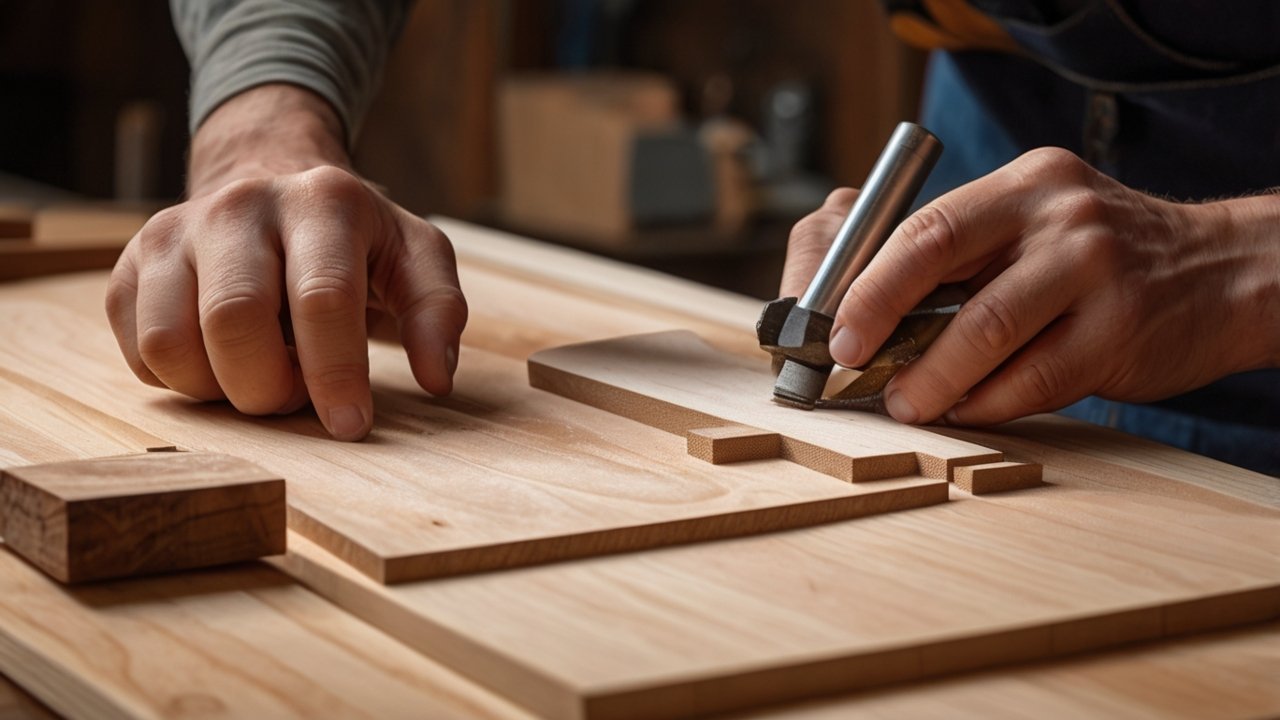

Chapter 9: Tips for Designing Your Own Creative Woodworking Projects From Scratch
How Creative Woodworking Ideas Usually Begin
Sketching and Planning Without Overcomplicating Things
Designing Within Your Skill Level and Tools
Learning From Mistakes and Failed Designs
Using Plans as Design Training Wheels
Safety and Practical Design Considerations
Growing Into Confident Project Design

Chapter 10: Common Creative Woodworking Mistakes and How to Avoid Them Early
Every woodworker makes mistakes. What separates steady progress from constant frustration is learning which mistakes are common and how to avoid repeating them. Many beginners struggle not because of lack of effort, but because the same preventable issues keep showing up in their creative woodworking ideas.
Catching these problems early saves time, money, and motivation.
Overcomplicating Creative Woodworking Ideas Too Early
One of the most frequent beginner mistakes is choosing projects that are too complex. Advanced joinery, tight tolerances, and decorative details often look appealing but quickly overwhelm new builders.
Signs a project may be too ambitious:
-
Multiple joint types in one build
-
Curved or angled cuts that demand precision
-
Designs copied from advanced furniture makers
Experienced DIY communities consistently recommend mastering simple builds first. Straight cuts, basic joints, and clean layouts teach fundamentals far faster than complicated designs.
If you find yourself stuck halfway through projects, Check out these affordable woodworking plans →. They’re often the best solution for matching project difficulty to your current skill level while still producing good results.
Measurement and Layout Errors That Ruin Projects
Many woodworking problems begin before the first cut. Rushing measurements or skipping layout checks leads to parts that don’t align, wobble, or fail entirely.
Common layout mistakes include:
-
Measuring from inconsistent reference points
-
Forgetting saw blade kerf
-
Skipping dry fits before assembly
Slowing down during layout almost always saves time later. Reviewing straightforward builds like easy small woodworking projects reinforces good habits and shows how experienced builders plan before cutting.
Choosing the Wrong Wood for the Job
Wood selection is a design decision, not just a shopping choice. Beginners often pick wood based on price or appearance alone, which leads to cracking, warping, or weak joints.
Frequent material mistakes:
-
Using softwood for heavy-load furniture
-
Ignoring grain direction
-
Mixing incompatible materials
Understanding how different woods behave prevents many failures. This guide to wood types for furniture projects explains which woods are beginner-friendly and which are better saved for later.
Rushing the Finishing Stage
Finishing is where many creative woodworking ideas fall short. Beginners often rush this step because the project already “looks done.”
Common finishing mistakes:
-
Skipping sanding grits
-
Applying thick coats too quickly
-
Not testing finishes on scrap wood
Woodworking magazines consistently point out that finishing often determines whether a project looks amateur or professional. Clear, repeatable steps make a big difference here. Check out these affordable woodworking plans → include finishing sequences that many beginners miss, making them an affordable DIY plans option for cleaner results.
Ignoring Wood Movement and Structural Stress
Wood expands and contracts with humidity changes. Projects that don’t account for this may look fine at first but fail months later.
Common structural oversights include:
-
Rigidly attaching tabletops
-
Narrow bases on tall furniture
-
Weak joints under load
Designing for movement is a habit that develops with experience, but awareness early prevents long-term disappointment.
Safety Shortcuts That Create Bigger Problems
Safety mistakes rarely feel urgent until something goes wrong. Rushing cuts, holding small pieces by hand, or working in cluttered spaces increases risk.
Frequent safety shortcuts:
-
Cutting without clamps
-
Skipping eye protection
-
Using dull blades
Established DIY communities stress that safety habits are part of craftsmanship. An organized workspace reduces many risks automatically. When clutter becomes a problem, Click here to explore this recommended DIY solution. Many builders consider this the best solution for improving both safety and workflow.
Learning From Mistakes Without Losing Momentum
Mistakes only become setbacks when you ignore them. Reviewing what went wrong, keeping notes, or testing on scrap wood helps prevent repeat issues.
Creative woodworking ideas improve through repetition and reflection. Each mistake teaches something useful if you take a moment to understand it.
In the final chapter, we’ll bring everything together and look at how to turn creative woodworking into a long-term, enjoyable skill that fits your lifestyle and goals.

Final Thoughts: Turning Creative Woodworking Into a Long-Term Skill
Woodworking becomes truly rewarding when it stops feeling like a one-off project and starts feeling like a skill you’re building over time. The most successful makers aren’t the ones with the fanciest tools. They’re the ones who keep showing up, learning from mistakes, and choosing creative woodworking ideas that match their current abilities.
Progress in woodworking is gradual but visible. Cuts get cleaner. Measurements become more accurate. Designs feel more intentional. Over time, projects that once felt intimidating start to feel routine. That’s when woodworking shifts from a hobby into something lasting.
One of the biggest advantages of creative woodworking ideas is flexibility. You can build for your home, for gifts, or even for income. You decide how far to take it. Some people stay with small decor projects. Others move into furniture, outdoor builds, or dedicated workshops. There’s no single “right” path.
What matters is staying realistic. Choose projects that fit your space, tools, and time. Repeat simple builds to improve consistency. Upgrade tools and workspace only when they clearly support your goals.
If you continue approaching woodworking this way, it remains enjoyable instead of stressful. Each project becomes part of a longer journey, not a test you have to pass.
Affiliate Disclosure
This article may contain affiliate links. If you click on a link and make a purchase, I may earn a small commission at no additional cost to you.
These commissions help support the time and resources required to create practical, beginner-friendly woodworking content. All recommendations are made with usefulness and real-world application in mind. I only share tools, plans, or DIY solutions that are relevant to creative woodworking and commonly used by hobbyists.
Using affiliate links is completely optional. The information in this article is intended to help you build safely, confidently, and at your own pace.
Thank you for supporting the site and trusting the content.
Please log in to access your exclusive content.
Don’t have an account? Click the “Register” button below to sign up.
Related Posts